 English
 русский
 Español
Feel Free To Contact Us
We will patiently and comprehensively answer your questions.
How Do Children's Grip Socks Help New Walking Stability?

Saintde's professional manufacturing solutions empower your premium product production.
Indoor movement for toddlers and young children often involves running, turning, and sudden stops. Smooth flooring, such as tile or hardwood, can create slipping concerns during daily play. Children's Grip Socks are designed to address this specific usage environment through structured traction support.
The focus is not only on grip performance but also on comfort during long indoor wear. A reliable Children's Grip Socks Factory typically balances these two aspects to support both activity and rest periods.
The defining element of Children's Grip Socks is the silicone-based grip pattern applied to the sole. Food-grade silicone is commonly used due to its flexible texture and stable adhesion on smooth surfaces.
Grip placement is usually distributed across the full sole rather than concentrated in one area. This layout supports multiple movement directions, such as walking, standing, and quick direction changes.
.jpg)
A professional Children's Grip Socks Factory applies controlled molding techniques so that grip dots remain consistent across production batches.
Children's skin requires soft and breathable fabric contact during extended wear. Cotton-rich knitting structures are commonly used in Children's Grip Socks to maintain comfort in indoor environments.
The fabric structure allows airflow while supporting moisture absorption, which helps reduce discomfort during active play. Elastic fibers are added to support movement without restricting foot flexibility.
A structured Children's Grip Socks Factory manages yarn blending carefully to maintain consistency in softness and elasticity across production lines.
Socks that slide down during movement can interrupt play and cause discomfort. The crew-style structure used in Children's Grip Socks includes ribbed cuffs with stretch capacity.
This design helps socks stay in position during crawling, walking, and jumping activities. It also reduces the need for frequent adjustment during use.
In production, cuff elasticity is controlled during knitting to maintain a balance between grip and comfort. A well-managed Children's Grip Socks Factory adjusts cuff tension according to size groups.
Different developmental stages require different fit structures. Toddlers need more flexible elasticity, while older children require a stronger structure for active movement.
Children's Grip Socks are typically designed to support a range of age groups, allowing flexibility in size distribution across the baby and kids segments.
Factories adjust sock length, cuff tightness, and sole width according to growth stages. This ensures that each size category maintains consistent wear behavior.
Children's socks undergo frequent washing due to active daily use. Grip structures and fabric shape need to remain stable after multiple cleaning cycles.
Machine-washable construction is standard for Children's Grip Socks, with materials selected to maintain form after washing at low temperatures.
Silicone grip patterns are bonded in a way that reduces peeling or detachment during washing. A controlled Children's Grip Socks Factory uses tested bonding processes to support long-term usability.
Children's Grip Socks represent a combination of textile engineering and functional design for indoor movement. From silicone grip layout to fabric composition, each element contributes to daily usability.
A well-organized Children's Grip Socks Factory focuses on consistency, comfort, and grip performance across production batches. These elements support reliable use in active indoor environments such as homes, daycare centers, and play areas.
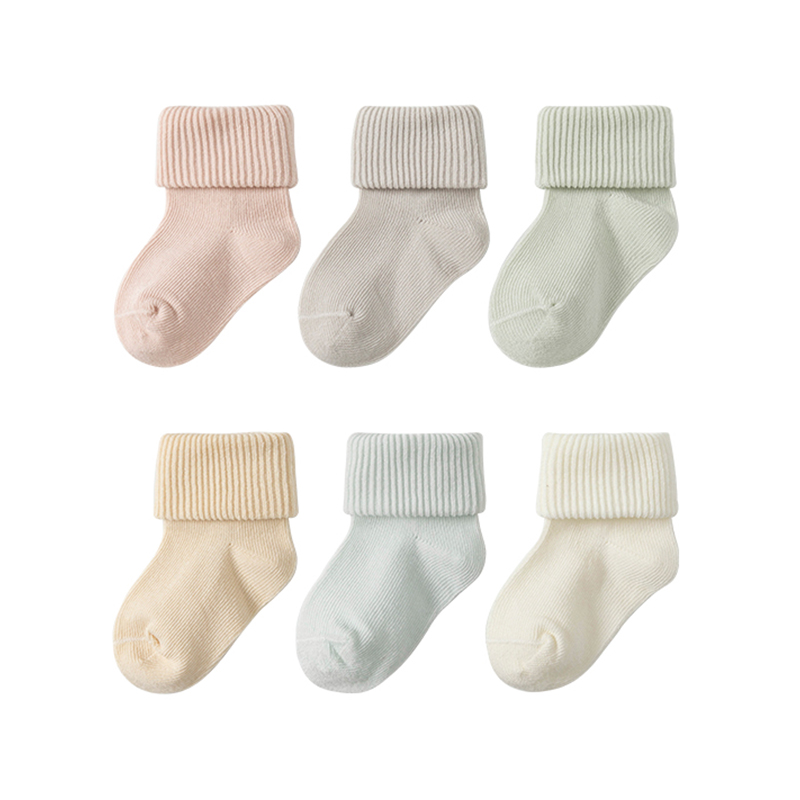
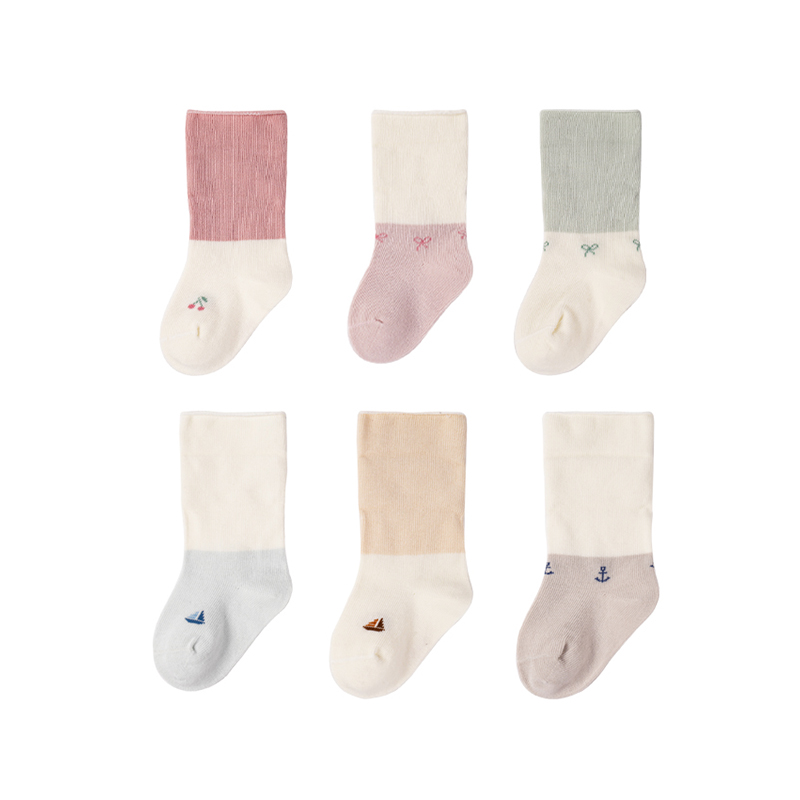
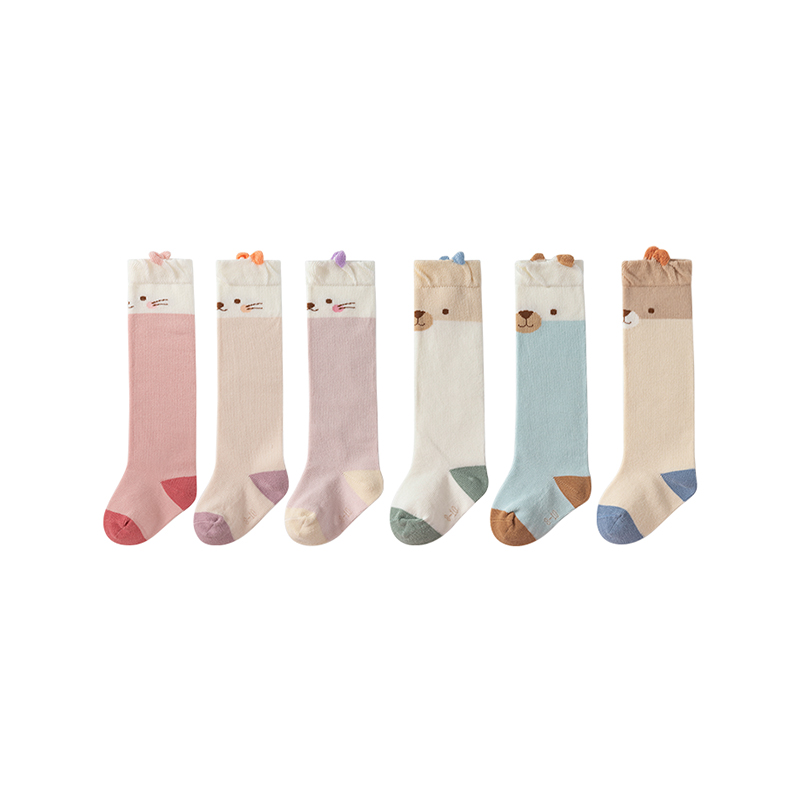
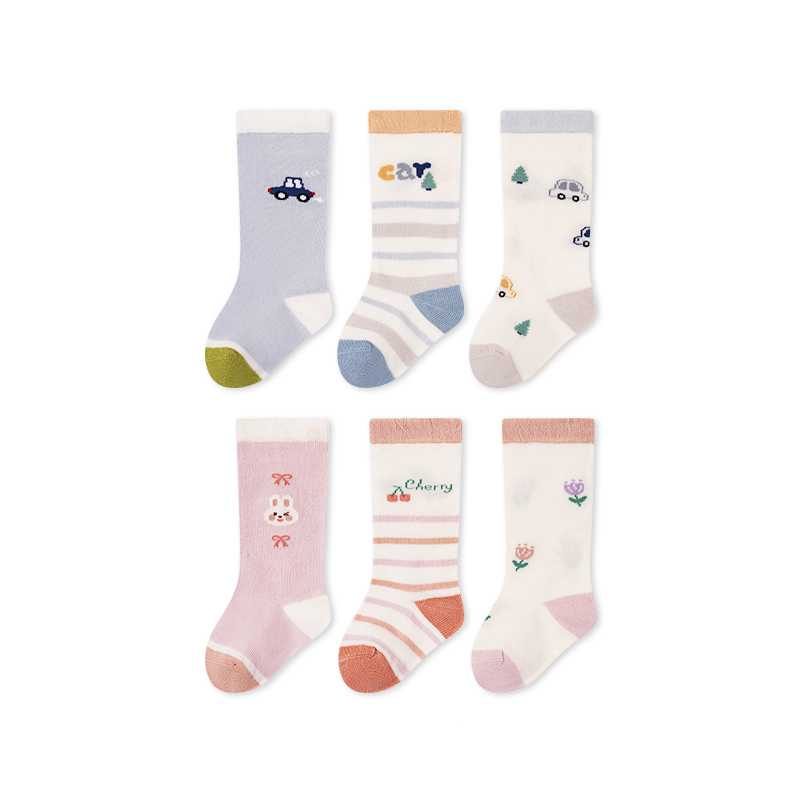
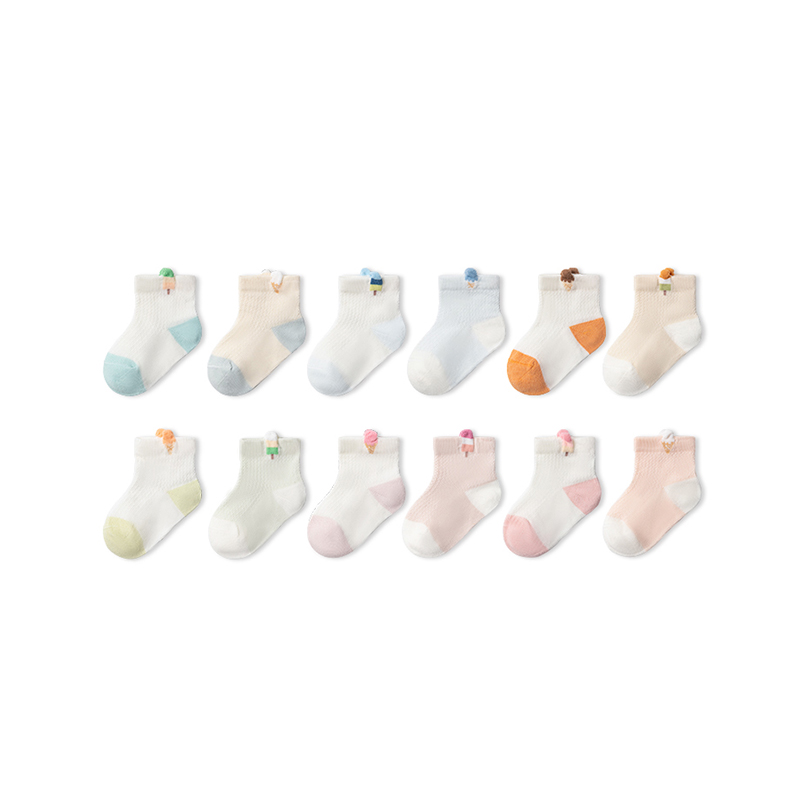
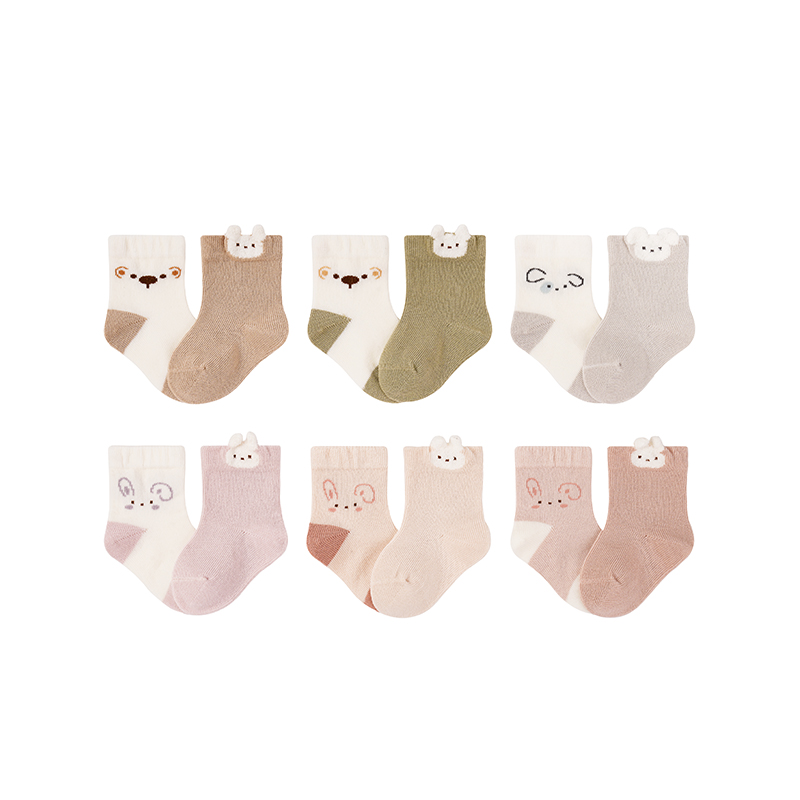
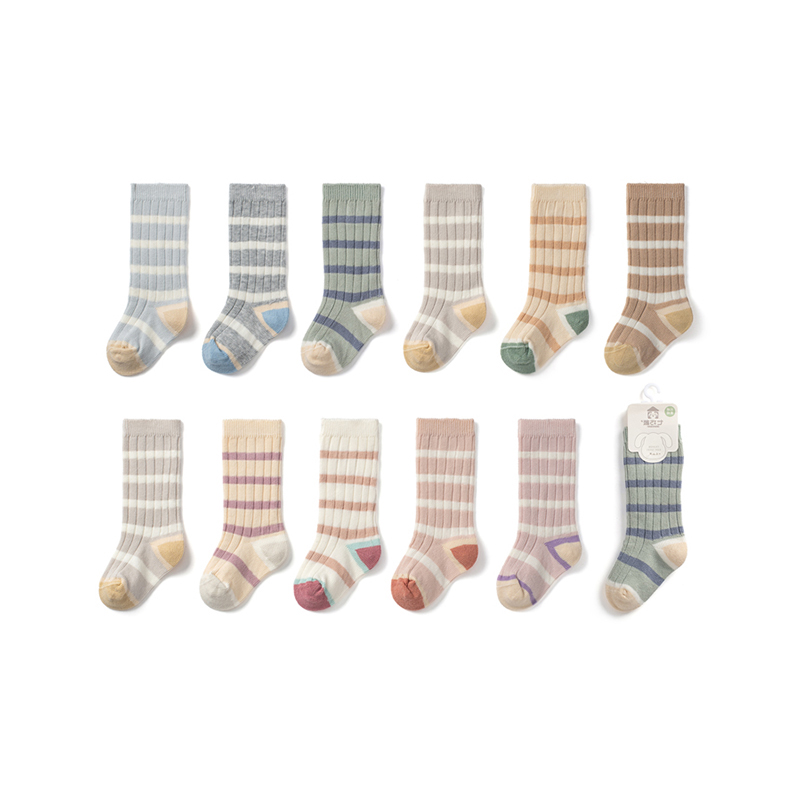
.jpg "Heather Stripe Ribbed Baby Classic Socks")
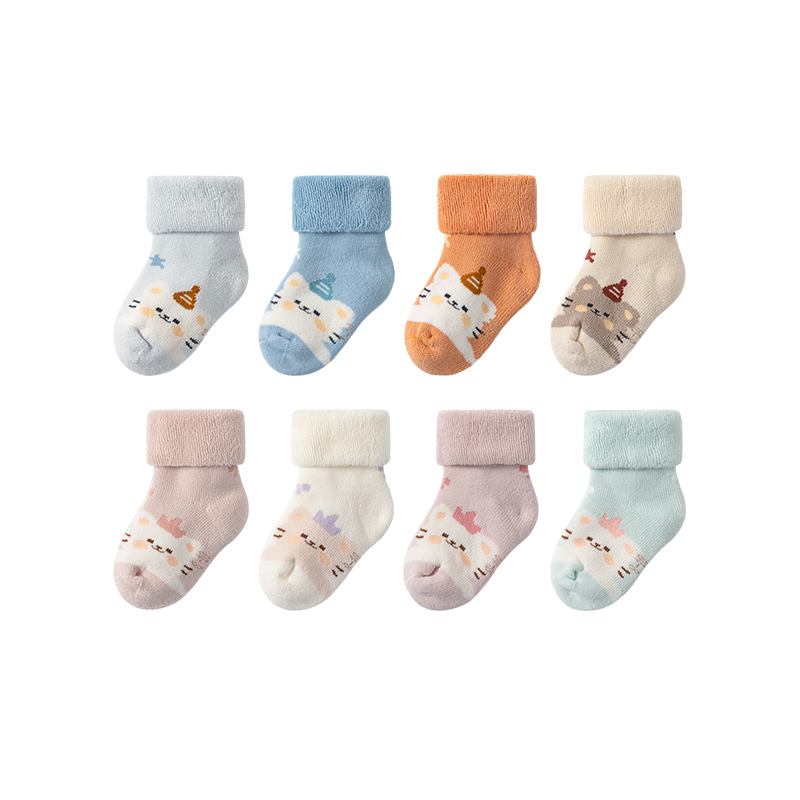
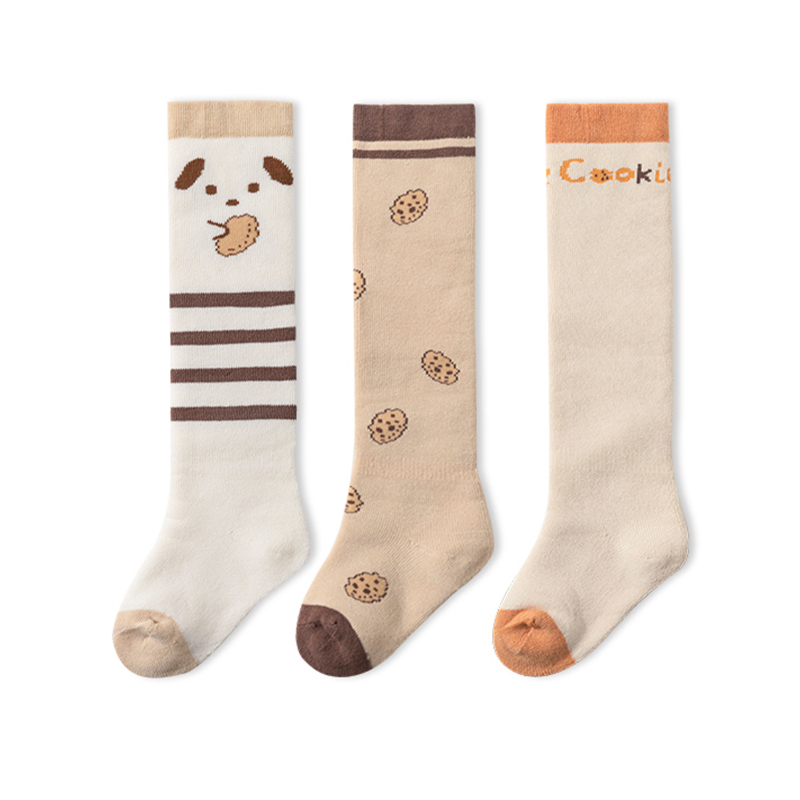
Sample Guide
See every detail in high definition.
No. 1222, Yinhai Road, Yiwu City, Zhejiang Province, China
Phone: +86-13735691188
Tel: +86-579-85531618
Fax: +86-579-81530188
Email: info@saintdesocks.com
Get In Touch
Feel Free To Contact Us
We will patiently and comprehensively answer your questions.

Best Custom Baby & kids Socks Manufacturer