 English
 русский
 Español
Feel Free To Contact Us
We will patiently and comprehensively answer your questions.
How to Choose Toddler Socks for Winter for Cold Weather Comfort?

Saintde's professional manufacturing solutions empower your premium product production.
Cold seasons bring a clear challenge for parents: keeping toddlers comfortable without restricting movement. Feet are often the area to feel temperature changes, and poorly designed socks can cause discomfort, slipping, or even irritation.
Toddler Socks Winter products are not just about warmth. They need to balance softness, elasticity, and breathability. Babies are active, even in early stages, so socks that are too tight may leave marks, while loose ones can slide off easily.
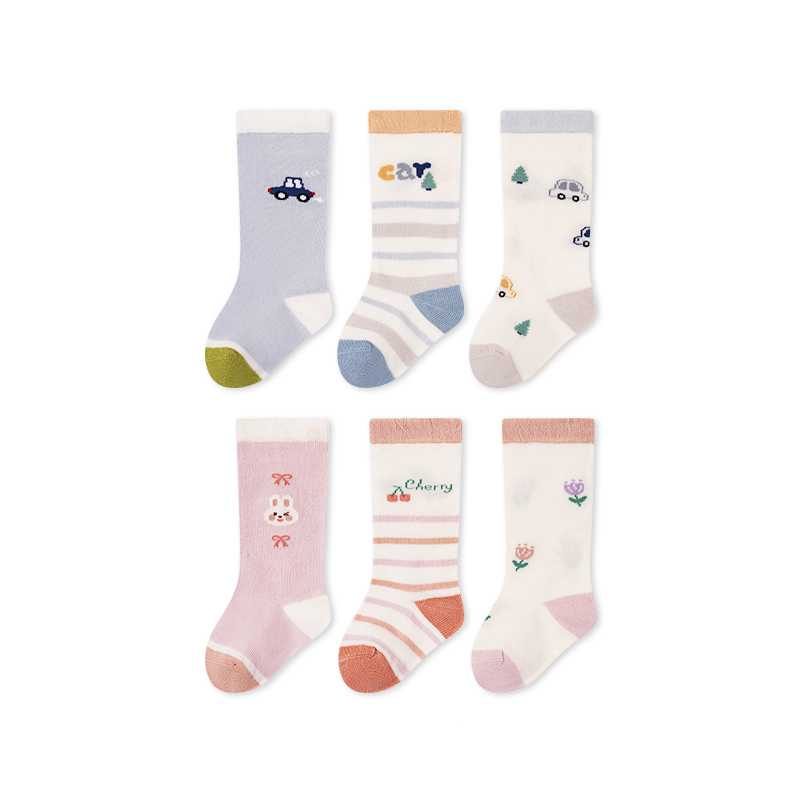
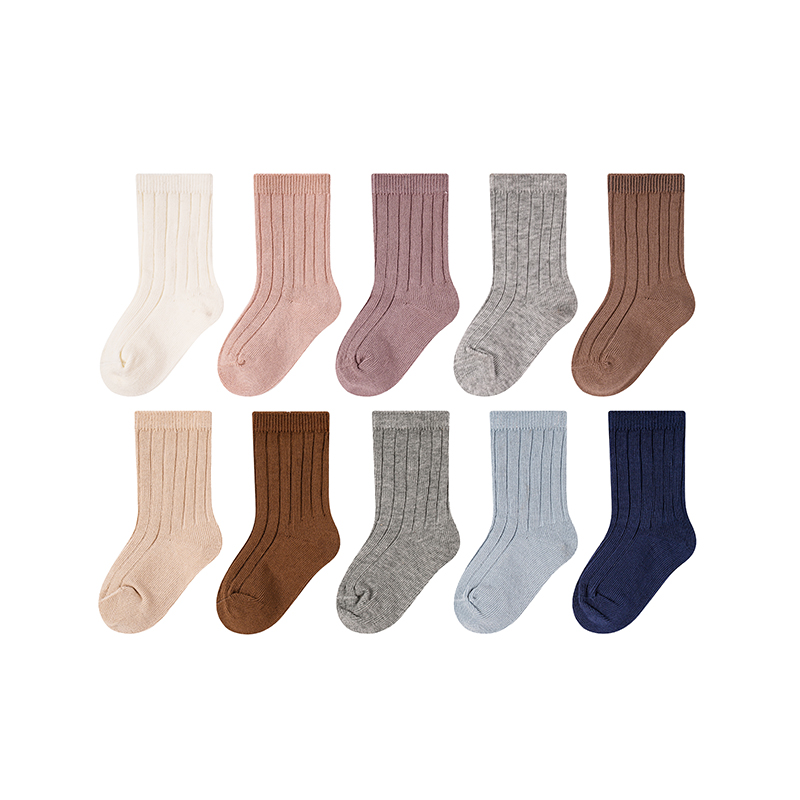
A common misconception is that thicker socks always perform better in winter. In reality, fabric composition plays a bigger role. Cotton blends with elastic fibers are widely used because they offer softness and flexibility at the same time.
In well-designed Toddler Socks Winter collections, breathable yarns help regulate temperature. This prevents overheating indoors while still maintaining warmth outdoors. Skin-friendly materials without fluorescent agents are especially important for infants, as their skin is more sensitive than that of adults.
Factories producing these socks often apply antibacterial treatments to support hygiene during daily wear. This is particularly relevant for babies who spend long hours in socks.
Comfort is closely linked to how socks fit on small feet. Toddler Socks Winter products typically include features such as:
These design elements reduce discomfort during crawling, standing, or early walking stages. A professional Toddler Socks Winter Factory integrates these features during the knitting process rather than adding them later.
Size segmentation is also critical. Socks designed for 0–3 months differ significantly from those for 6–12 months. Accurate sizing improves wearability and reduces return issues in distribution.
It may seem counterintuitive, but breathability is just as important in winter as in summer. Without proper airflow, moisture can build up inside the socks, discomfort.
Toddler Socks Winter designs often use fine knitting structures that allow air circulation while maintaining warmth. This helps keep feet dry during both indoor and outdoor use.
For manufacturers, achieving this balance requires advanced yarn control and consistent production parameters. This is where an experienced Toddler Socks Winter Factory demonstrates its capability.
While functionality remains the priority, appearance cannot be ignored. Parents often look for socks that match outfits or add a playful element to daily wear.
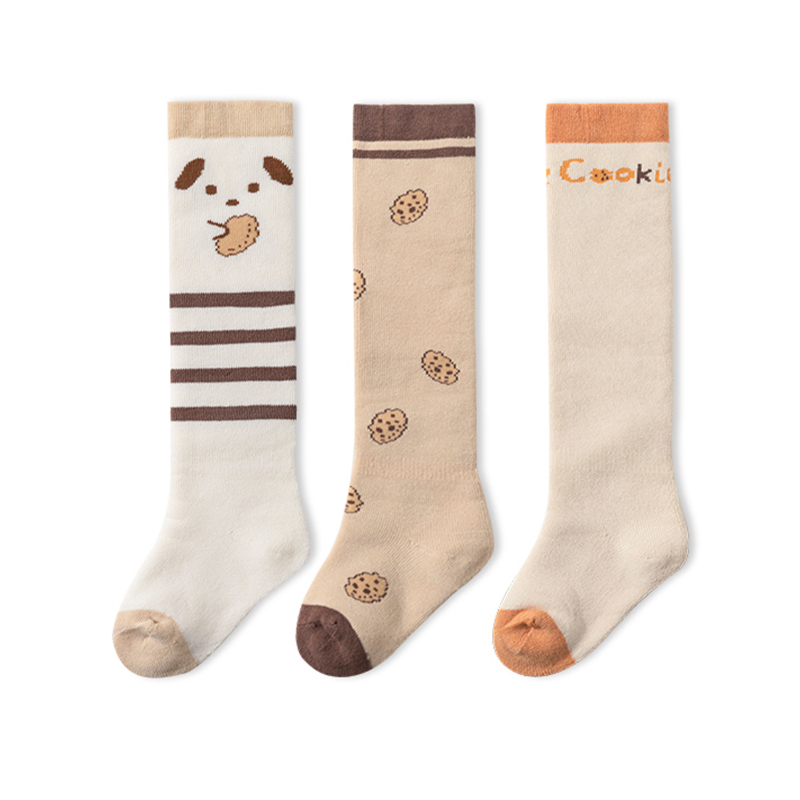
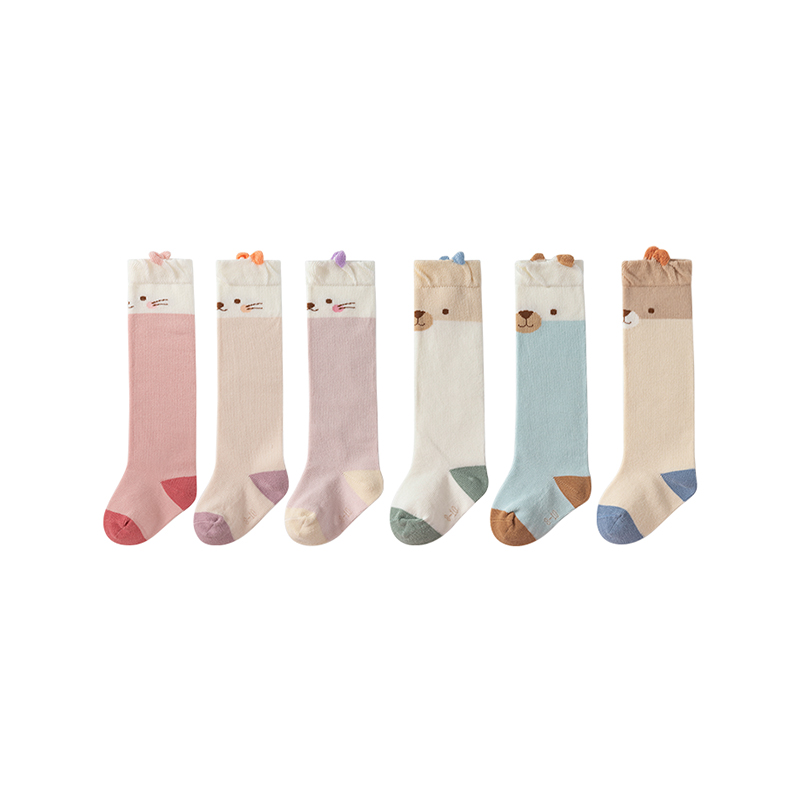
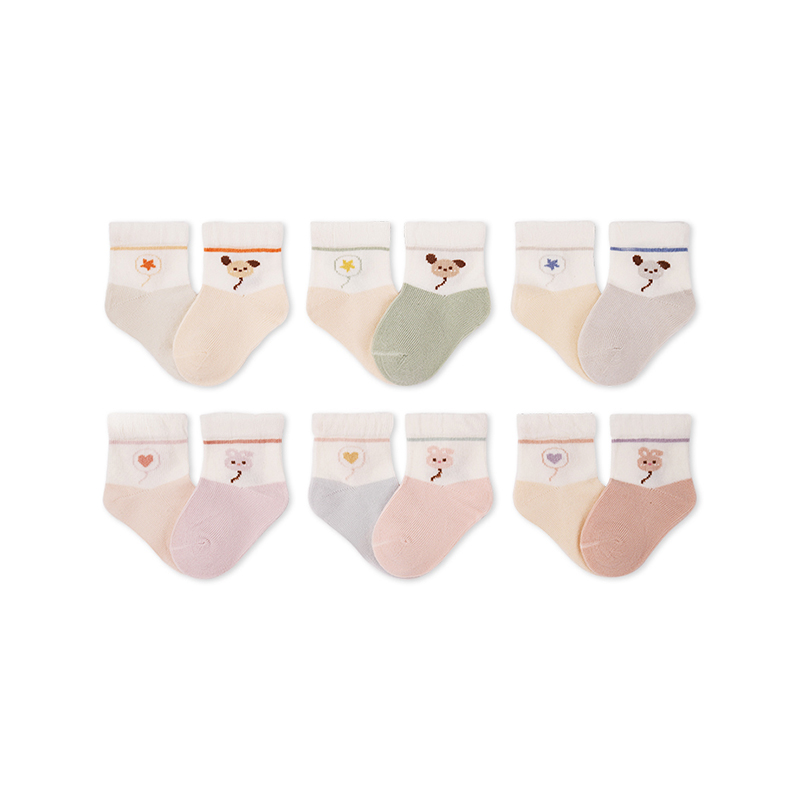
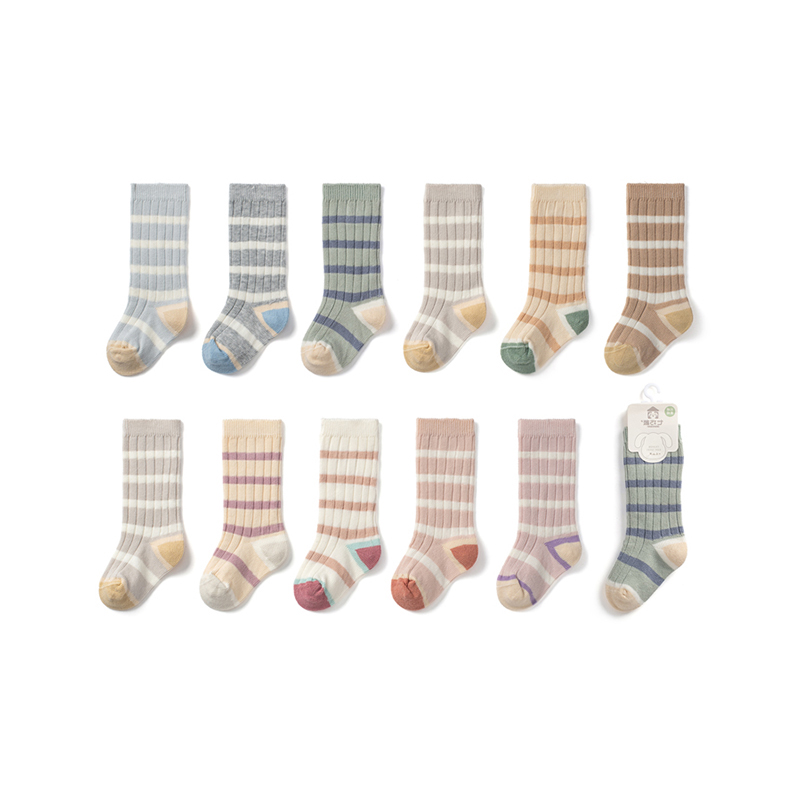
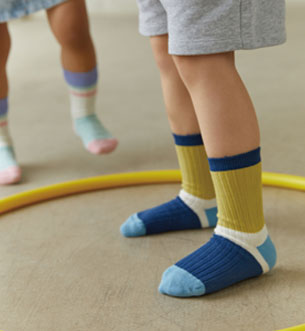
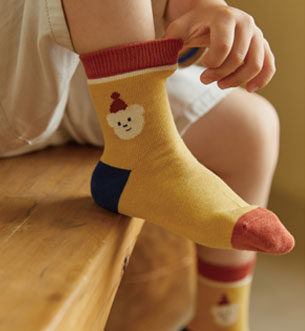
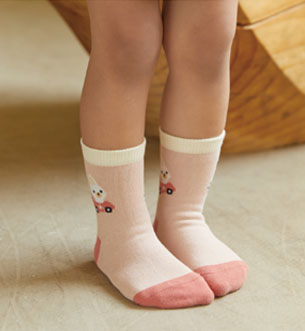
Colorful patterns and gentle tones are commonly used in Toddler Socks Winter collections. These designs are integrated during the knitting stage to maintain durability after repeated washing.
Factories that handle pattern integration efficiently can offer more flexibility in customization, which is useful for brands looking to differentiate their product lines.
Infant skin requires extra care. Socks that come into direct contact with the skin must avoid harsh chemicals and irritants.
Toddler Socks Winter products are often made without fluorescent agents and use materials that are gentle on sensitive skin. Antibacterial features further support hygiene, especially during colder months when socks are worn for longer periods.
These considerations are not optional but expected in modern baby product manufacturing.
Toddler Socks Winter designs differ from those intended for warmer seasons. While both prioritize comfort, winter socks focus more on thermal balance.
However, overly insulated designs can reduce flexibility. The goal is to create socks that feel warm but still allow natural movement. This is particularly important for babies learning to crawl or walk.
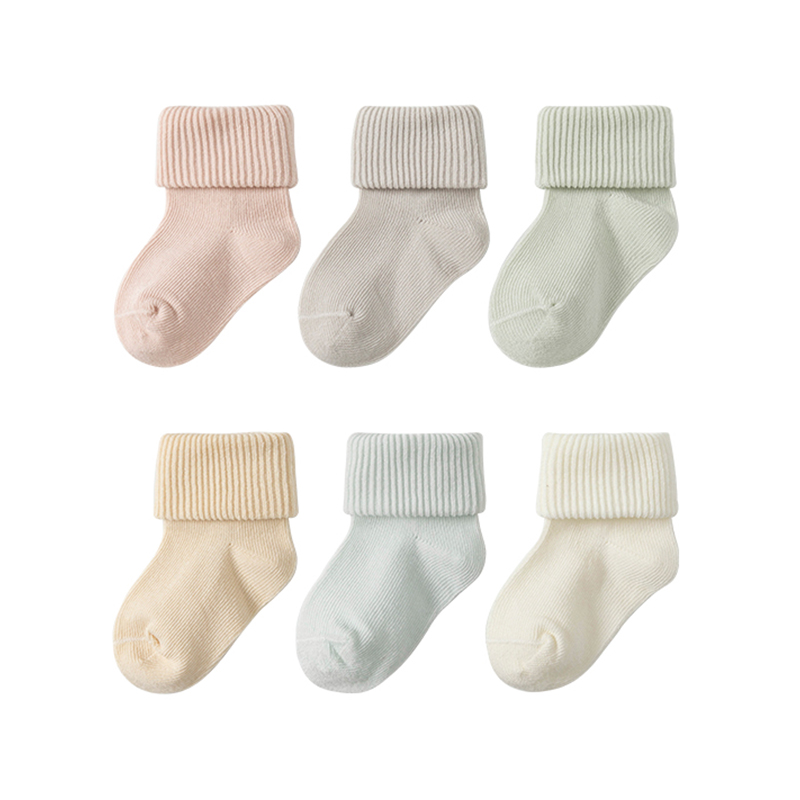
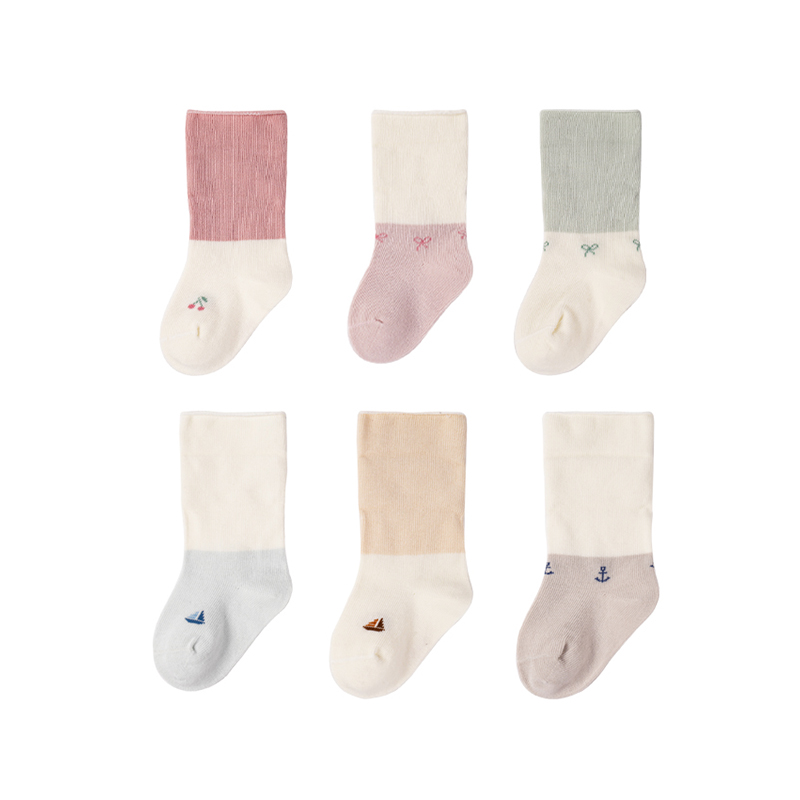
.jpg "Heather Stripe Ribbed Baby Classic Socks")
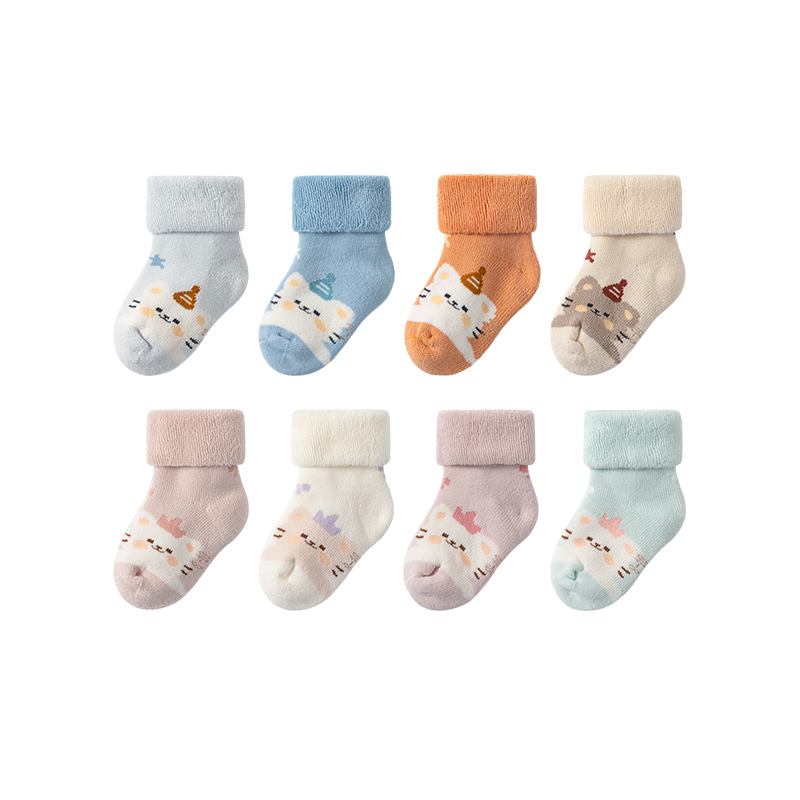
Sample Guide
See every detail in high definition.
No. 1222, Yinhai Road, Yiwu City, Zhejiang Province, China
Phone: +86-13735691188
Tel: +86-579-85531618
Fax: +86-579-81530188
Email: info@saintdesocks.com
Get In Touch
Feel Free To Contact Us
We will patiently and comprehensively answer your questions.

Best Custom Baby & kids Socks Manufacturer