 English
 русский
 Español
Feel Free To Contact Us
We will patiently and comprehensively answer your questions.
What Should Be Checked When Choosing Children's Socks Sizes?

Saintde's professional manufacturing solutions empower your premium product production.
Children's Socks play a role far beyond basic clothing. They support active movement, long school hours, and frequent washing cycles. Growing feet require a stable structure, a gentle touch, and adaptable stretch. A reliable Children's Socks Manufacturer starts by studying how children move, sweat, and wear socks during different stages of growth.
Age segmentation is essential. Socks designed for 3–5Y differ from those for 9–12Y in elasticity, length, and reinforcement placement. Younger children need softer pressure and flexible cuffs, while older kids require stronger heel support due to higher activity levels. Matching structure to age improves wearing comfort and reduces unnecessary replacement frequency.
.jpg)
Material choice directly affects comfort and daily wear performance. Children's feet release moisture more actively, making breathability a key focus. Cotton and blended yarns with bamboo viscose are commonly selected for their soft touch and moisture absorption.
A small portion of synthetic fiber improves shape retention and abrasion resistance. This balance allows Children's Socks to stay comfortable while maintaining form after repeated washing. A professional Children's Socks Manufacturer also pays attention to yarn consistency, reducing uneven thickness that may cause pressure points.
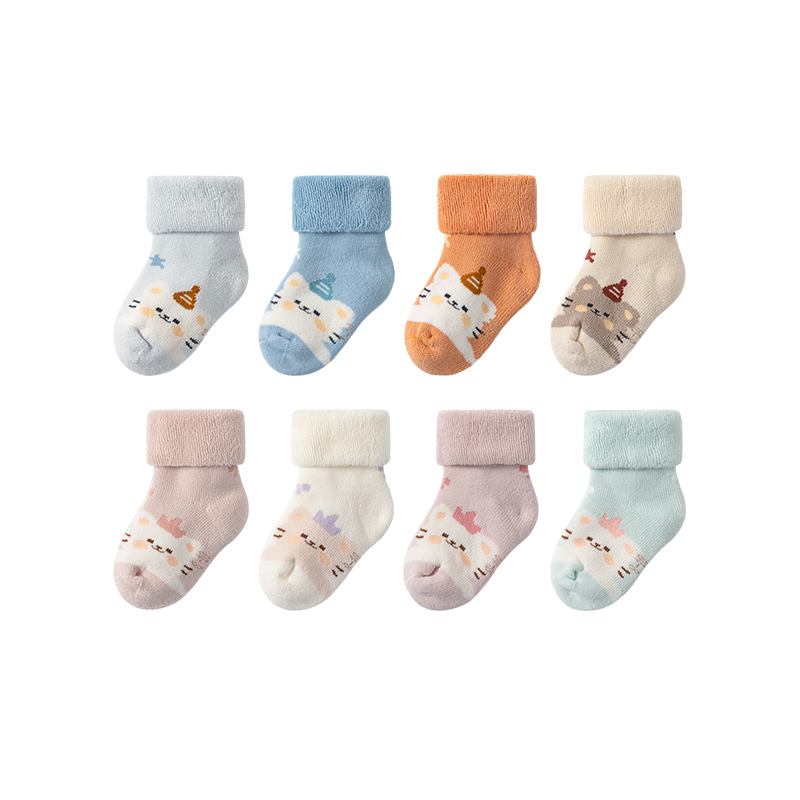
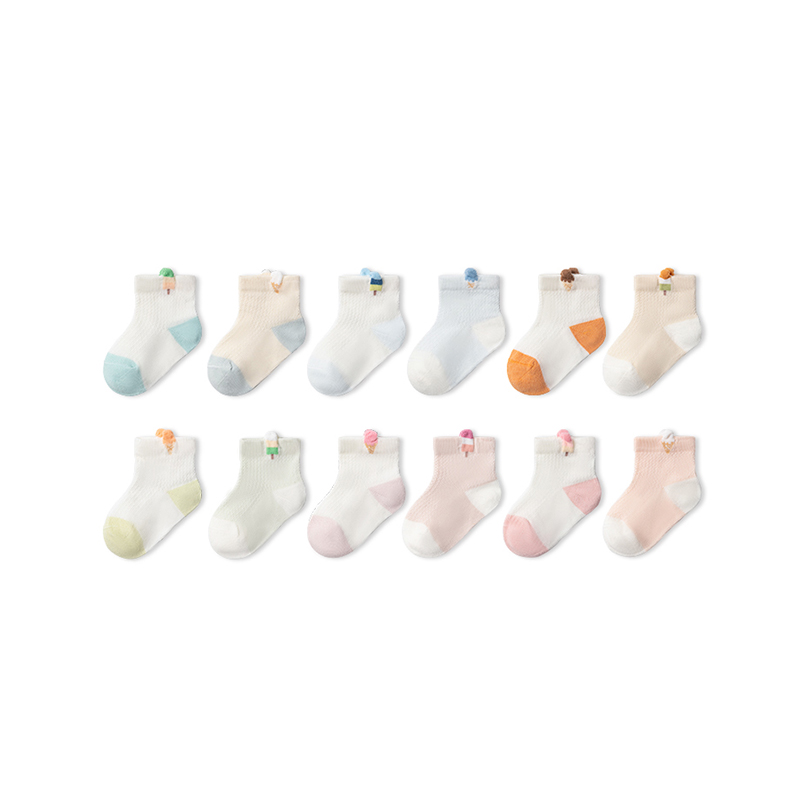
Children's Socks often need to perform across multiple seasons. Lightweight knit structures are suitable for Spring & Summer, allowing airflow and reducing heat buildup. For Autumn & Winter, denser knitting provides warmth without excessive bulk.
Rather than producing separate lines for every season, factories adjust yarn density and stitch structure. This approach keeps inventory flexible while meeting different climate needs. Children's Socks that adapt well across seasons simplify sourcing decisions for distributors and retailers.
Fit accuracy is central to long-term wear. Socks that compress too tightly may cause discomfort, while loose socks tend to shift inside shoes. Manufacturers divide Children's Socks into clear size groups aligned with shoe size ranges.
Elastic cuffs are designed to hold position without leaving pressure marks. Toe space allows natural movement, which supports daily walking and running. A consistent sizing system from a Children's Socks Manufacturer helps reduce returns and fitting complaints.
Children engage in frequent running, jumping, and sports activities. Reinforced heels and toes address the areas exposed to friction. Extra yarn layers increase abrasion resistance without changing the sock's appearance.
This construction method improves wear life during daily school use and outdoor play. Children's Socks built this way remain presentable even after extended use, which is valued in both casual and school settings.
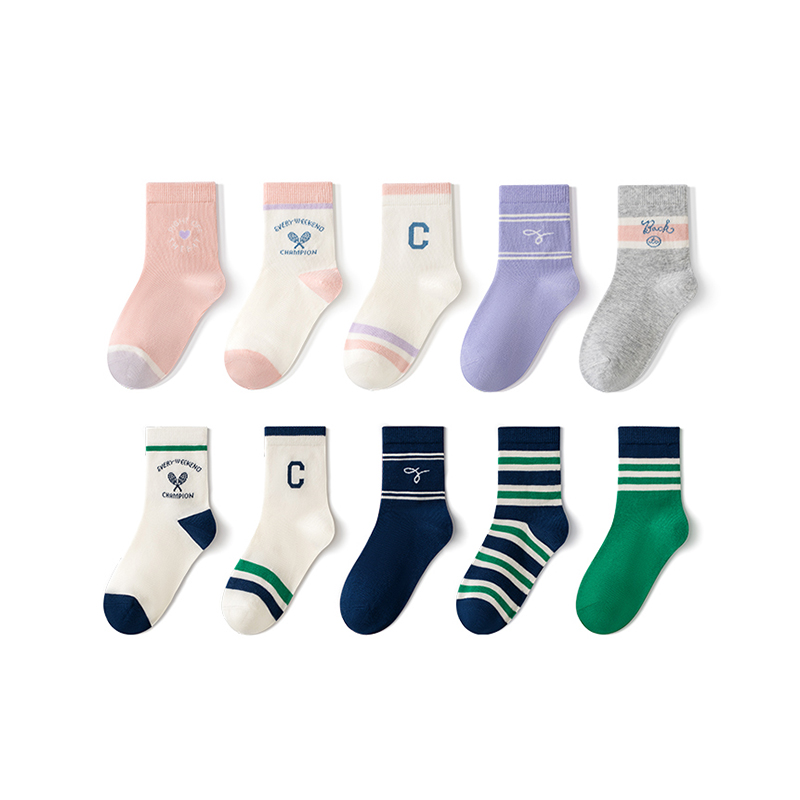
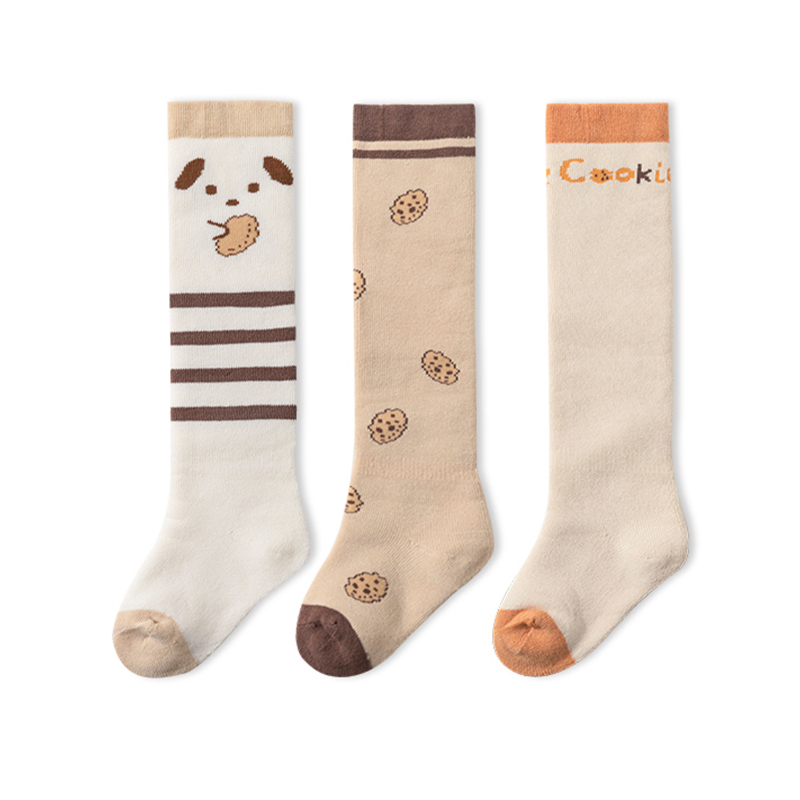
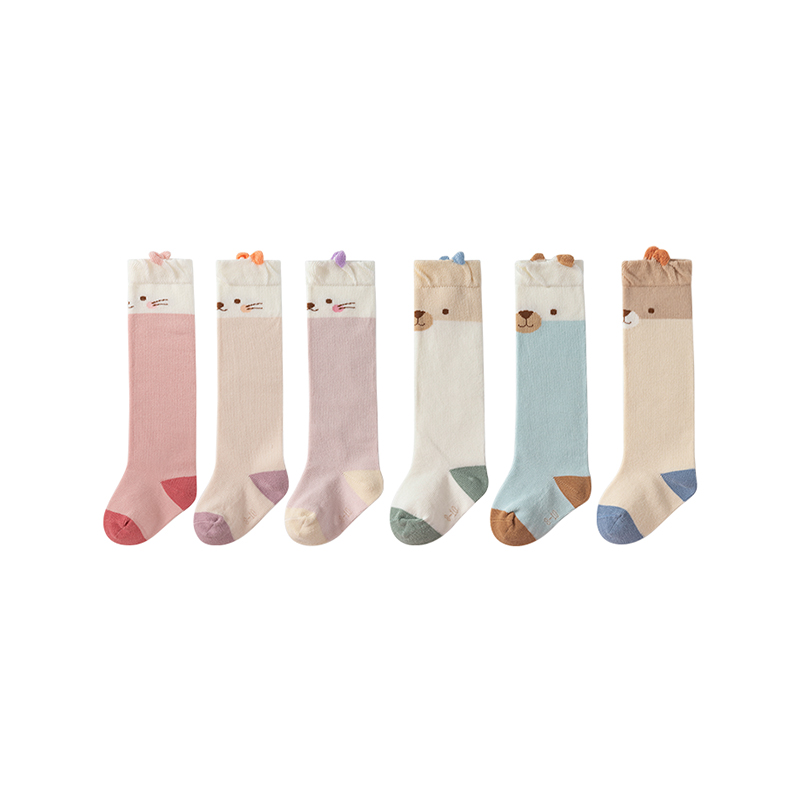
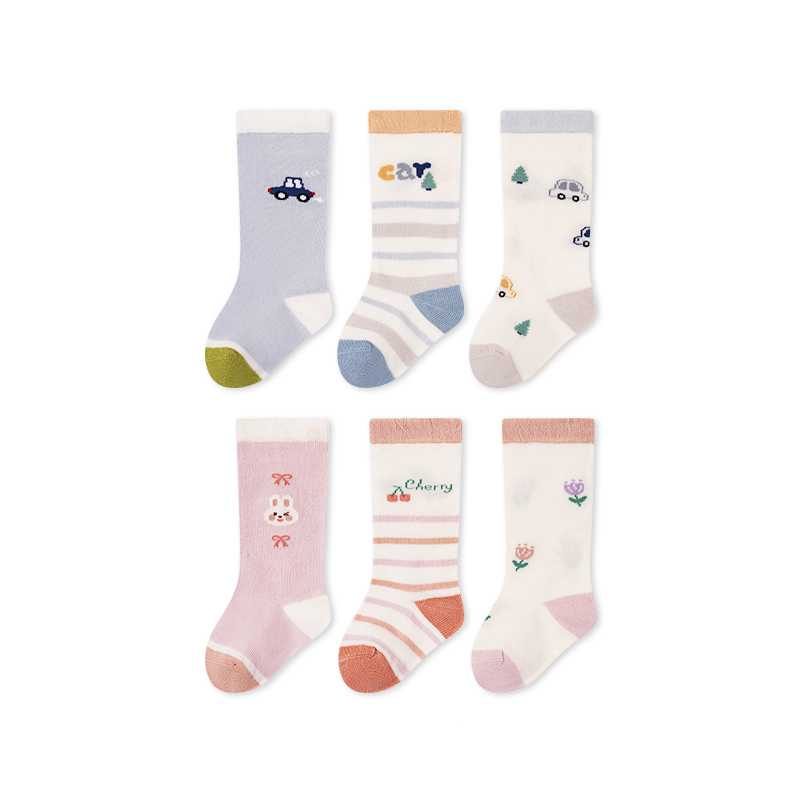
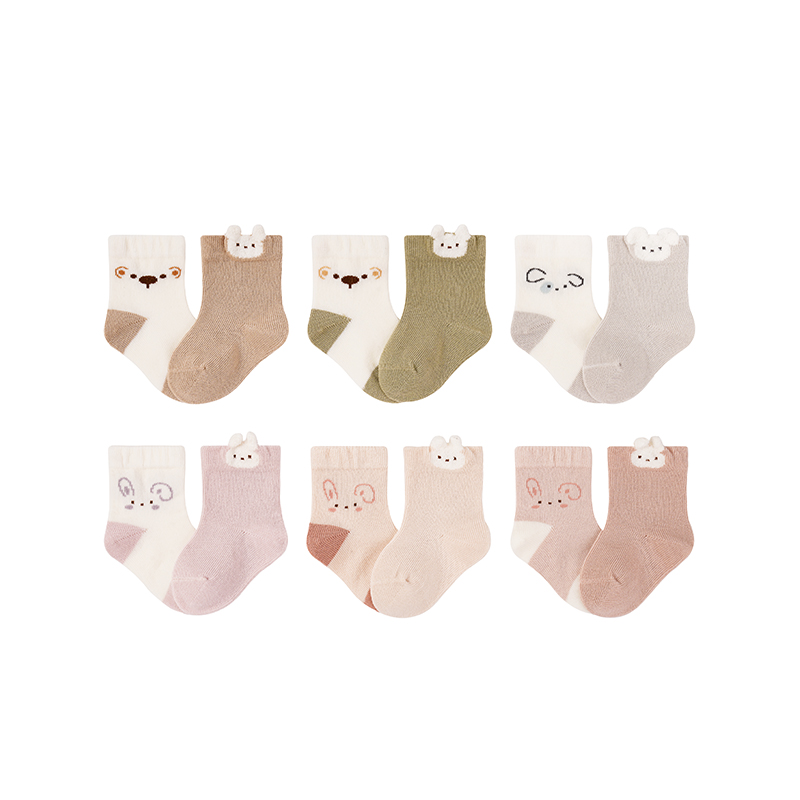
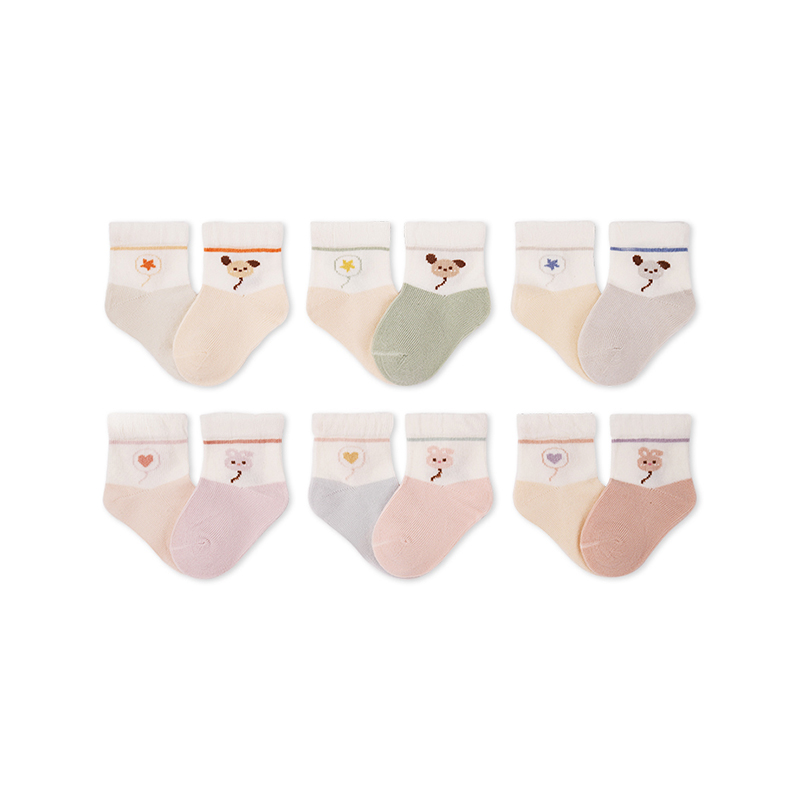
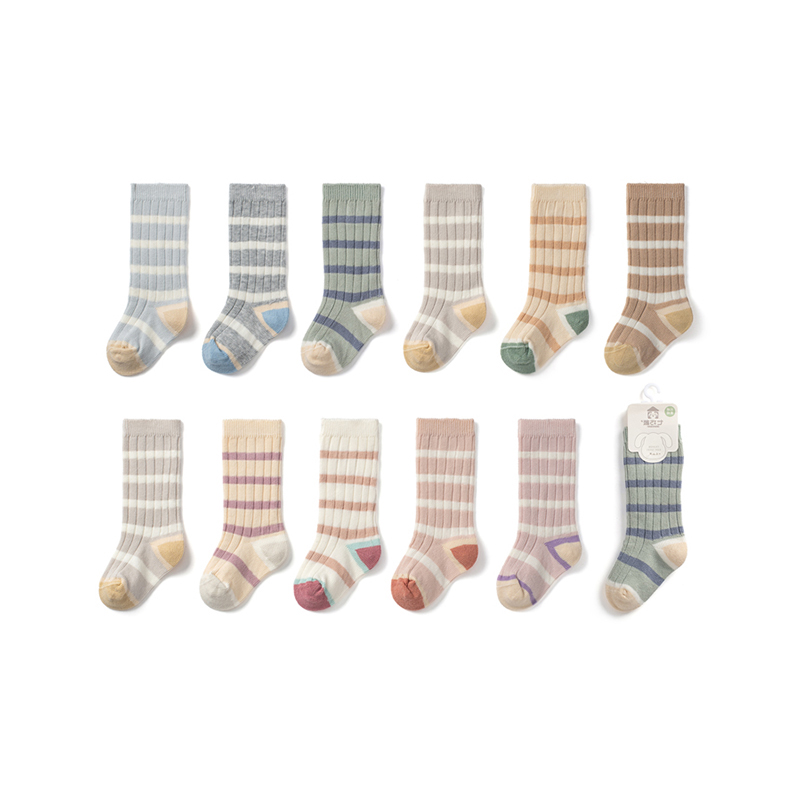
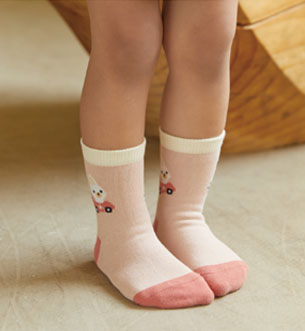
Design choices influence both children and caregivers. Bright colors and playful patterns make socks appealing to young users and encourage independent dressing. Simple visuals such as animals, shapes, or stripes also support early learning and recognition.
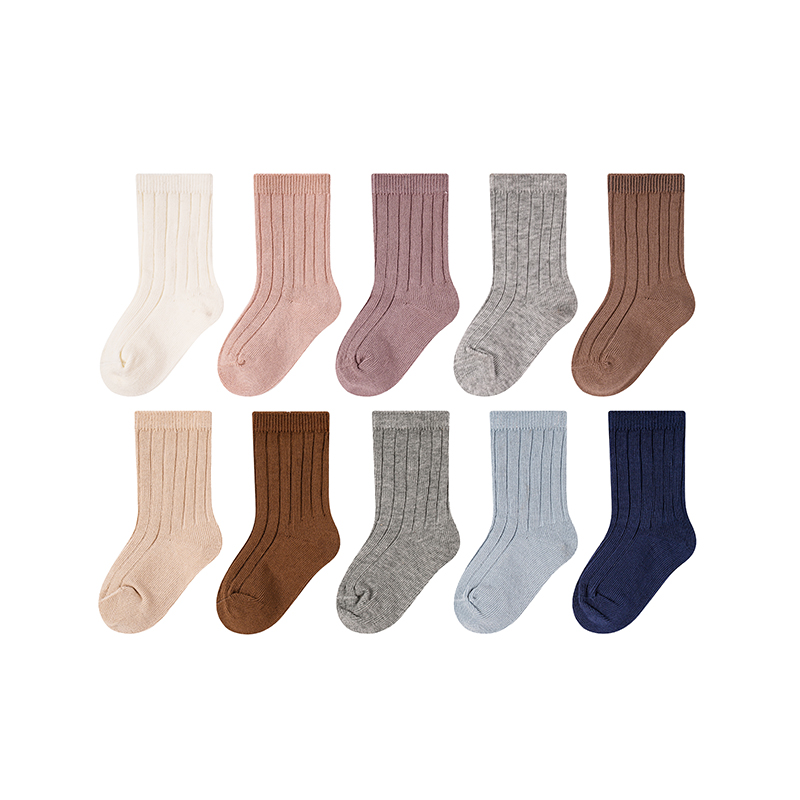
From a practical side, patterned Children's Socks are easier to sort after washing. A Children's Socks Manufacturer often balances neutral tones with lively designs to cover different usage scenarios, including school routines and leisure activities.
Long hours of wear require stable comfort. Flat toe seams reduce rubbing, while elastic zones around the arch help keep socks in place during movement. Moisture control remains important during physical education classes and outdoor play.
Children's Socks are designed with clear age grouping, balanced materials, and reinforced structure to support daily wear across school, sports, and casual settings. Thoughtful fabric selection improves comfort and moisture handling, while stable sizing and elastic control help socks stay in place during movement. Attention to seasonal adaptability allows one product range to perform across changing weather conditions.
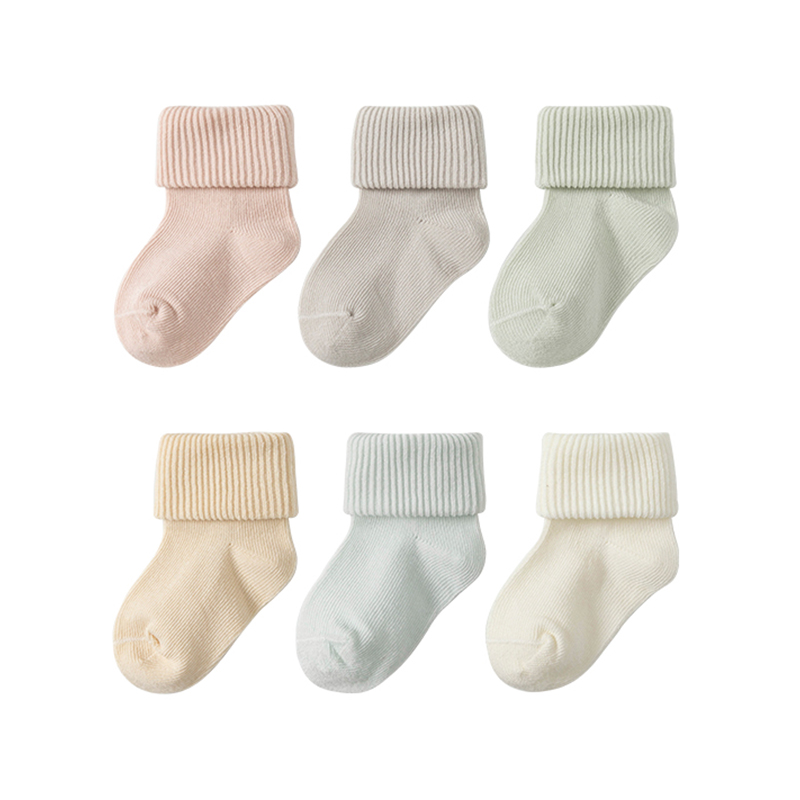
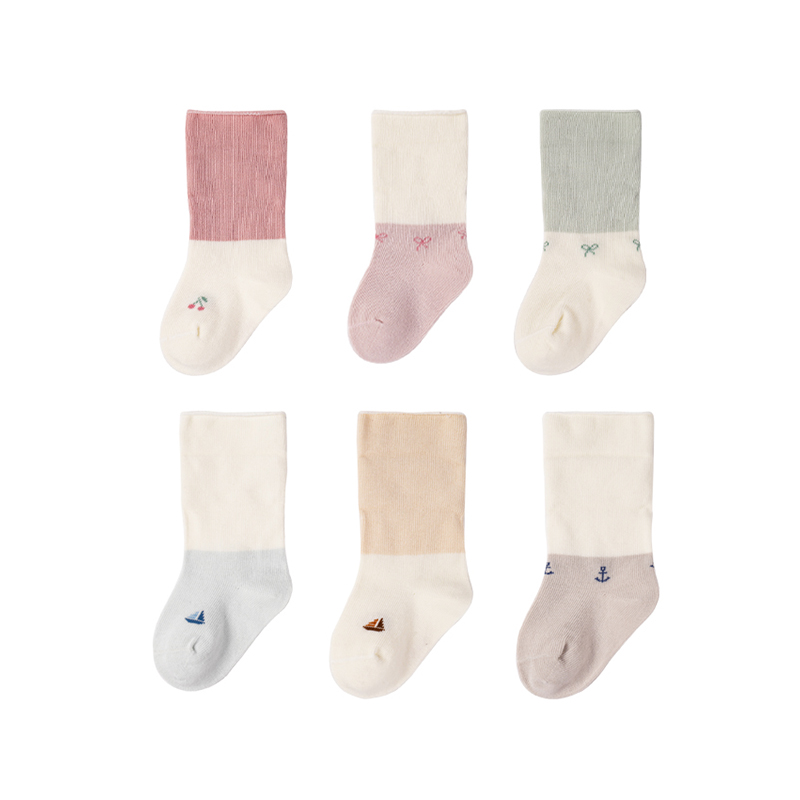
.jpg "Heather Stripe Ribbed Baby Classic Socks")
Sample Guide
See every detail in high definition.
No. 1222, Yinhai Road, Yiwu City, Zhejiang Province, China
Phone: +86-13735691188
Tel: +86-579-85531618
Fax: +86-579-81530188
Email: info@saintdesocks.com
Get In Touch
Feel Free To Contact Us
We will patiently and comprehensively answer your questions.

Best Custom Baby & kids Socks Manufacturer