 English
 русский
 Español
Feel Free To Contact Us
We will patiently and comprehensively answer your questions.
An Examination of Youth Hosiery Trends

Saintde's professional manufacturing solutions empower your premium product production.
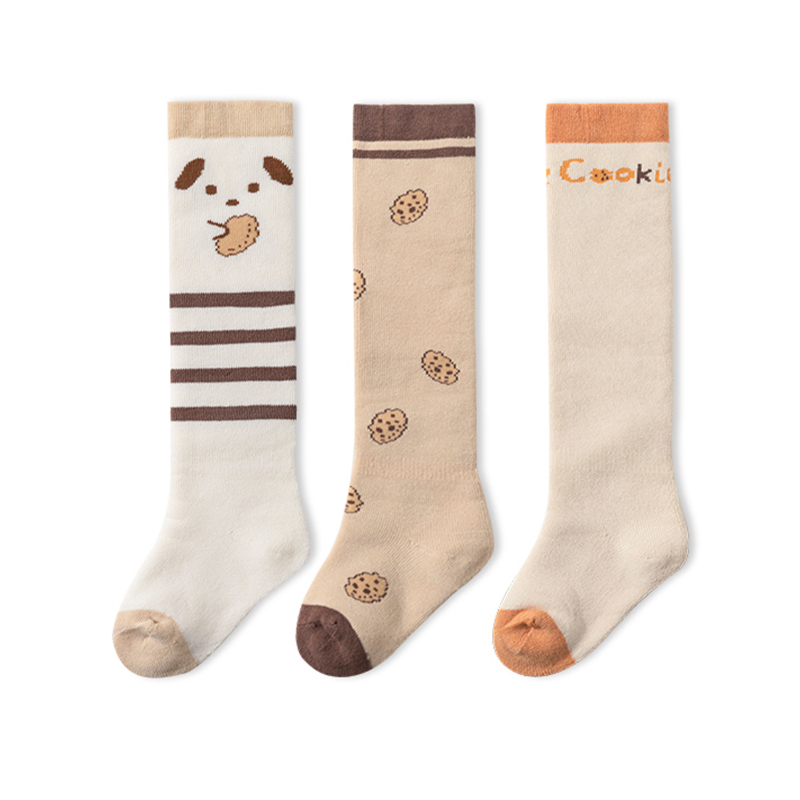
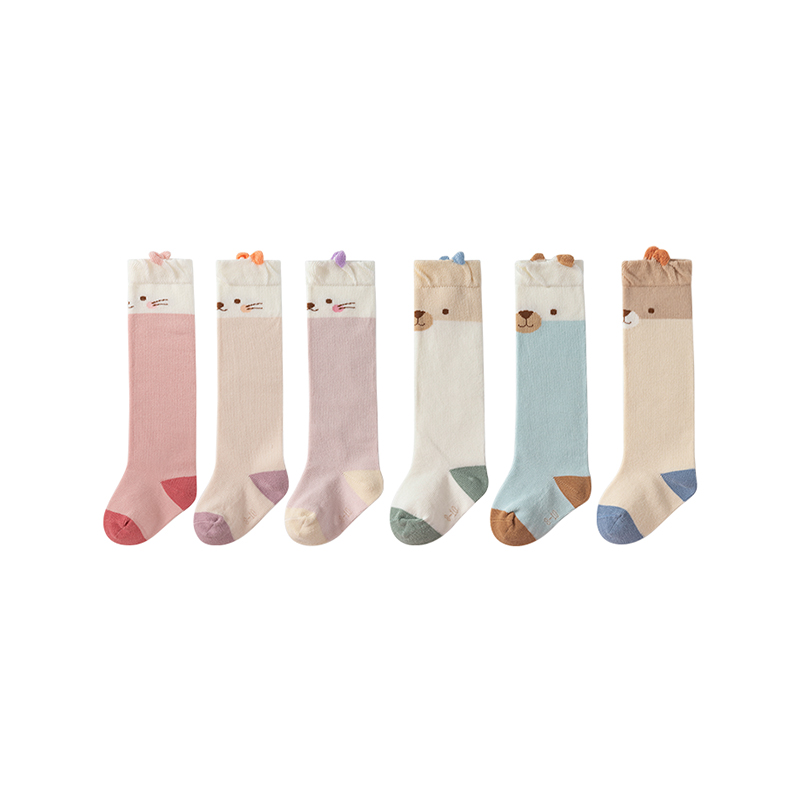
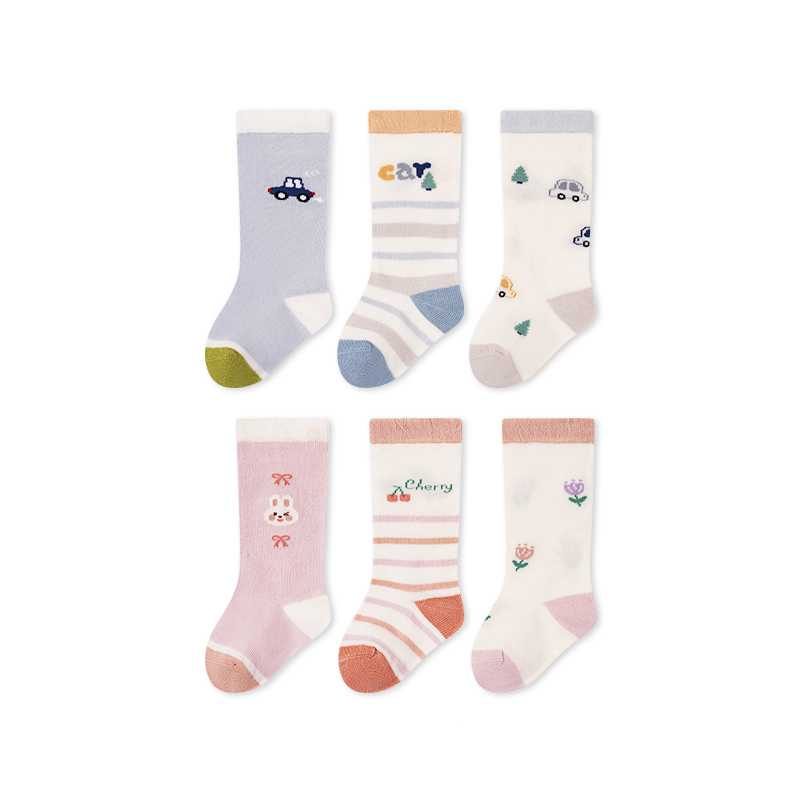
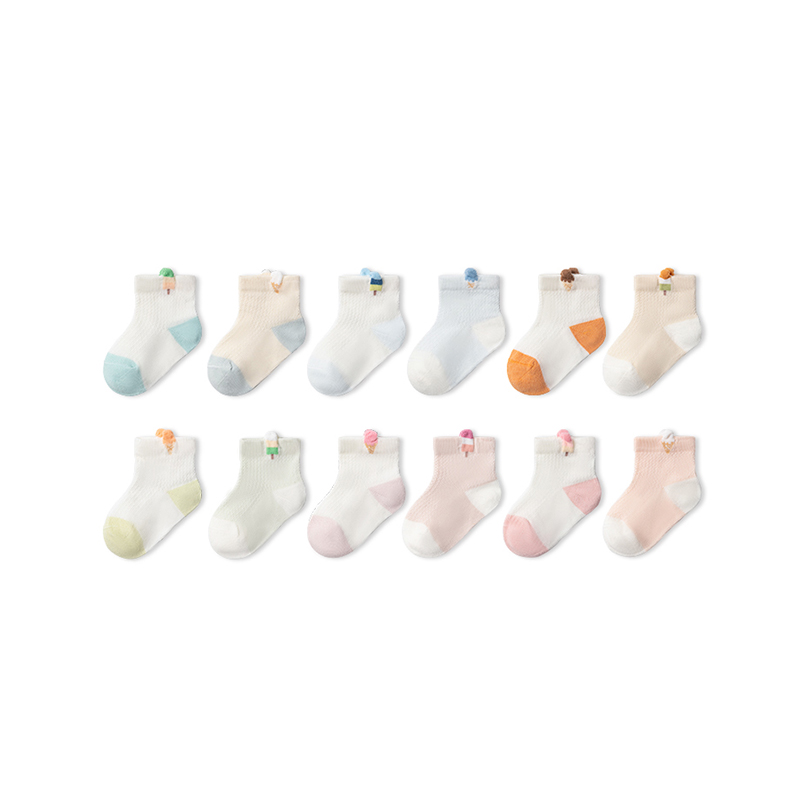
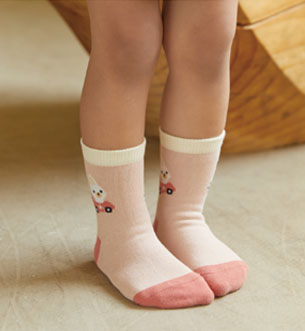
The popularity of specific children's apparel often serves as a lens into broader cultural, practical, and developmental considerations. Among these items, decorative socks, particularly those featuring anthropomorphic animals, have maintained a notable presence. Simultaneously, the wider category of aesthetically pleasing hosiery for children prompts frequent inquiries from caregivers.
.jpg)
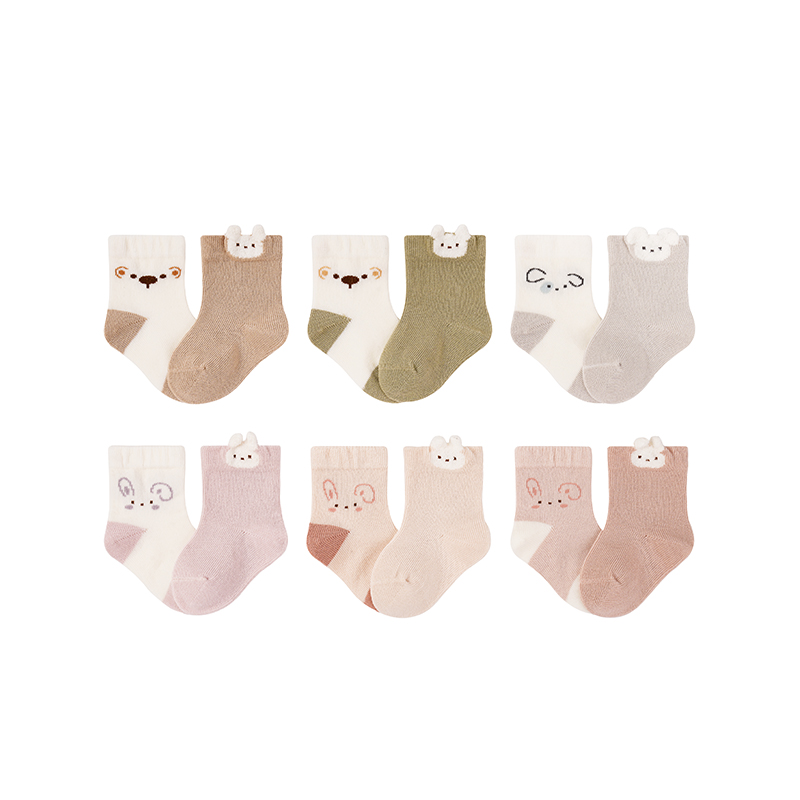
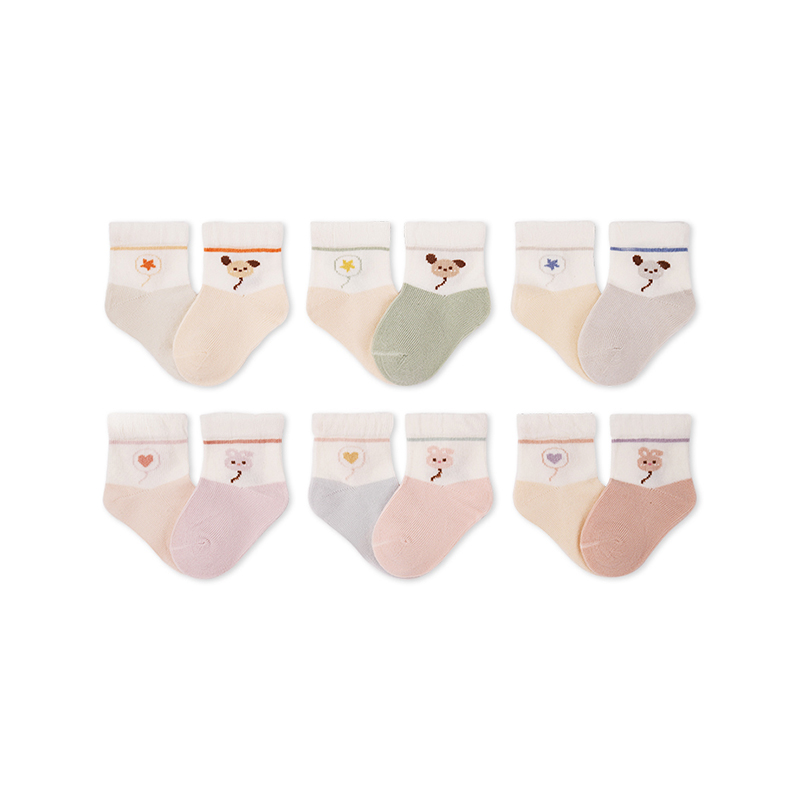
Funny Animal Socks for Kids
|
Type |
Material |
Length |
Features |
Use / Purpose |
|
Cotton Animal Crew Socks |
Cotton blend |
Mid-calf |
Soft, breathable, animal prints |
Everyday wear, casual outfits |
|
Ankle Animal Socks |
Cotton / Polyester |
Ankle |
Lightweight, fun animal faces |
Warm weather, indoor play |
|
Cotton + Rubber |
Crew / Ankle |
Rubberized soles, cartoon designs |
Crawling, early walking, indoor safety |
|
|
Novelty Character Socks |
Cotton / Acrylic |
Crew / Ankle |
Bright colors, popular animal themes |
Style, self-expression, gifting |
|
Knee-High Animal Socks |
Cotton / Wool blend |
Knee-high |
Extra warmth, playful animal motifs |
Cooler weather, layering under pants |
|
Organic Cotton Animal Socks |
Organic Cotton |
Ankle / Crew |
Soft, eco-friendly, animal designs |
Sensitive skin, daily wear |
|
Toe Animal Socks |
Cotton / Polyester |
Ankle |
Individual toes, animal shapes |
Comfort, playful style, foot development |
The question of why socks adorned with humorous animal illustrations maintain popularity among children can be examined through several interconnected factors. These factors span psychological development, practical parenting considerations, and social dynamics.

Developmental Appeal: During early and middle childhood, children are naturally drawn to animals. This affinity is supported by developmental psychology, which suggests that young minds categorize and understand the world through recognizable forms. Animals, with their distinct shapes and sounds, are highly accessible. When these animals are rendered with human-like expressions or engaged in amusing activities—a fox reading a book or a dinosaur wearing glasses—they foster a sense of familiarity and narrative engagement. The humor often arises from this gentle anthropomorphism, making the object not merely a sock, but a prompt for storytelling and imaginative play, effectively transforming a mundane dressing routine into a moment of creative interaction.
Practical and Functional Considerations: From a caregiver’s perspective, these socks address practical challenges. The struggle to dress a reluctant child is a common experience. Socks featuring a beloved or amusing character can shift the dynamic, making the child an eager participant. Furthermore, these socks often serve as a distinct visual marker for a child still mastering the skill of matching footwear. A sock with a penguin on the left foot and a whale on the right provides a clear, color-coded system for independence. The designs are frequently executed in bright, contrasting colors, aiding in visibility and potentially reducing loss.
Social and Emotional Role: On a social level, these socks function as a low-stakes form of personal expression for a child. In environments like preschools where uniforms or dress codes may limit sartorial choice, socks become a sanctioned canvas for showcasing personality. A child wearing socks with laughing sloths can communicate interests and initiate social connections with peers who notice them. This can bolster a child’s sense of identity and confidence. For the child, it is a small secret or a shared joke, a piece of clothing that feels personally selected and special.
The sustained popularity of these items is not attributed to a single cause but to their ability to operate across multiple domains—engaging the child’s imagination, solving practical dilemmas for adults, and facilitating social interaction.
|
Factor |
Explanation |
Primary Beneficiary |
|
Developmental Resonance |
Anthropomorphic animals align with cognitive development stages, fostering recognition, narrative thinking, and imaginative play. |
Child |
|
Behavioral Incentive |
Humorous designs can transform dressing from a chore into an engaging activity, reducing resistance and encouraging cooperation. |
Caregiver & Child |
|
Learning Aid |
Distinct left/right designs and bright colors promote self-dressing skills and independent organization. |
Child |
|
Social Catalyst |
Socks act as a conduit for personal expression and peer interaction in settings with limited sartorial choice. |
Child |
|
Emotional Comfort |
Familiar, friendly characters can provide a subtle sense of reassurance and continuity in new or intimidating environments. |
Child |
The choice of material is a primary consideration, balancing comfort, durability, and care. For daily wear, high-quality cotton blends are often selected. Cotton is a natural fiber that allows for breathability, absorbing moisture to help keep young feet dry, which is important for active children. However, pure cotton can lose its shape over time. Therefore, blends incorporating a percentage of materials like polyester or elastane are common, as they provide improved elasticity, a better fit around the ankle and calf, and increased longevity through repeated washing. For cooler climates, socks may contain softer, warmer materials like brushed cotton or acrylic. For sensory-sensitive children, seamless toe constructions and flat, soft seams are key features to look for, as they prevent irritation. The material composition directly influences the sock’s comfort, functionality, and lifespan.
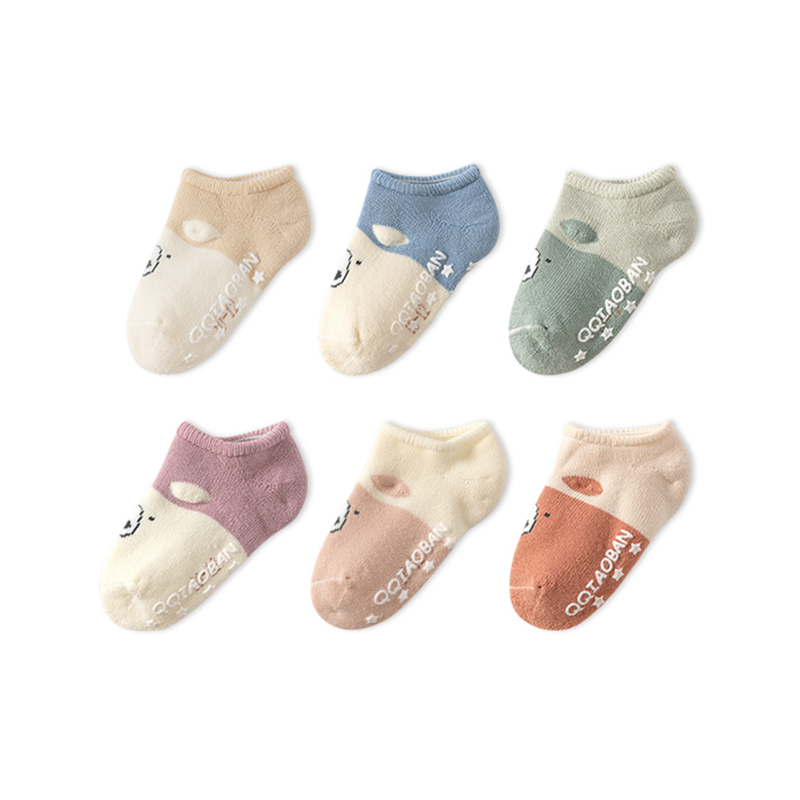
Achieving a correct fit is crucial for comfort and foot health. Socks that are too tight can restrict circulation and leave deep indentations on the skin, while socks that are excessively large can bunch up, causing discomfort and potential tripping hazards. The reliable method is to regularly measure the child’s foot length. Sock sizing typically correlates to shoe size ranges (e.g., 4-7, 8-12). It is generally advisable to select socks that correspond to the child’s current shoe size, with a small amount of room for growth, but not so much that the heel sits far up the ankle. Paying attention to the sock’s construction is also important. A defined, cushioned heel pocket helps the sock maintain its position. Observing the sock after a day of wear can provide insight; if red marks are present, a larger size may be needed.
Children’s socks, like all children’s apparel, are subject to regulated safety standards. In many regions, these standards govern factors such as fabric flammability and the safety of dyes used. A more tangible concern for socks is the security of decorative elements. Embroidered details, such as sewn-on eyes for an animal, are generally secure. However, caregivers should be cautious of socks with small plastic or metal accessories, like beads or charms, which could pose a choking hazard if detached. The integrity of the non-slip grip is another safety aspect for younger children. Grips, usually made from silicone or rubber, should be securely bonded to the sock fabric and checked regularly for signs of peeling or wear, especially before use on smooth flooring. Choosing products from reputable manufacturers that comply with regional safety certifications can mitigate these risks.
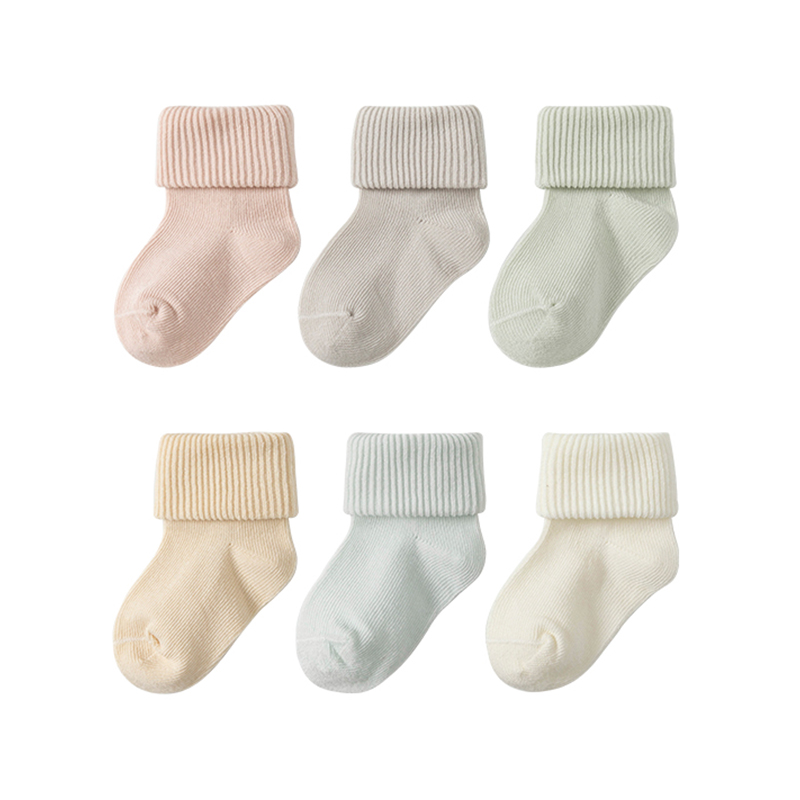
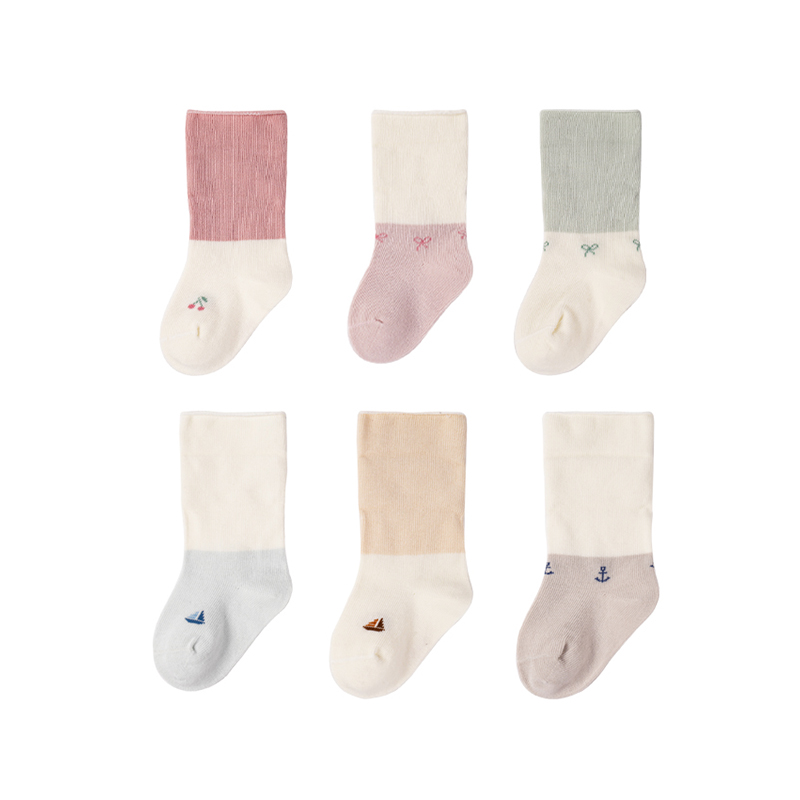
.jpg "Heather Stripe Ribbed Baby Classic Socks")
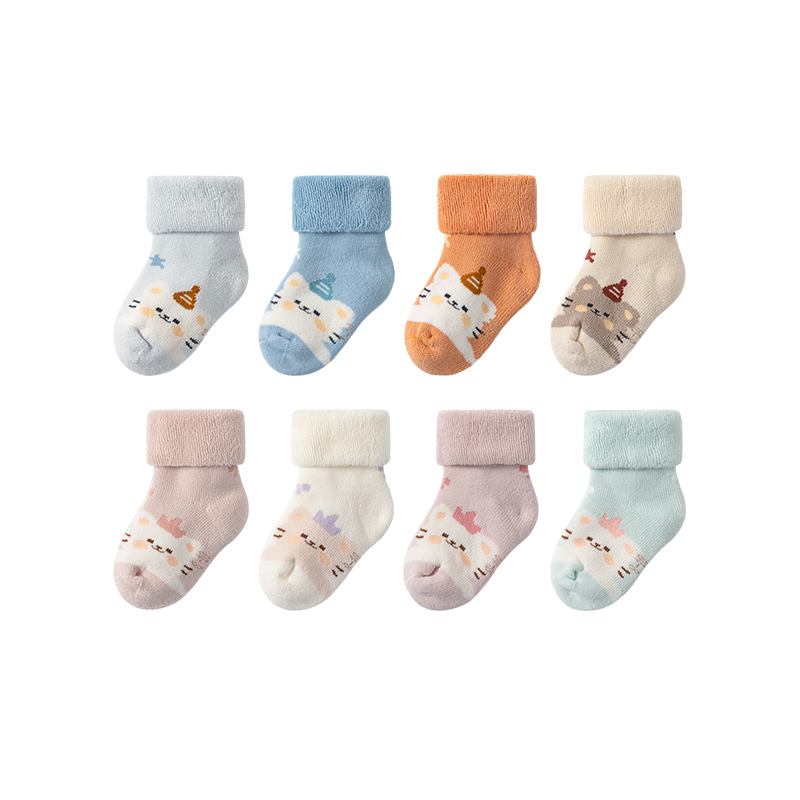
Sample Guide
See every detail in high definition.
No. 1222, Yinhai Road, Yiwu City, Zhejiang Province, China
Phone: +86-13735691188
Tel: +86-579-85531618
Fax: +86-579-81530188
Email: info@saintdesocks.com
Get In Touch
Feel Free To Contact Us
We will patiently and comprehensively answer your questions.

Best Custom Baby & kids Socks Manufacturer