 English
 русский
 Español
Feel Free To Contact Us
We will patiently and comprehensively answer your questions.
Baby Boy Socks: Which Color Is Safest?

Saintde's professional manufacturing solutions empower your premium product production.
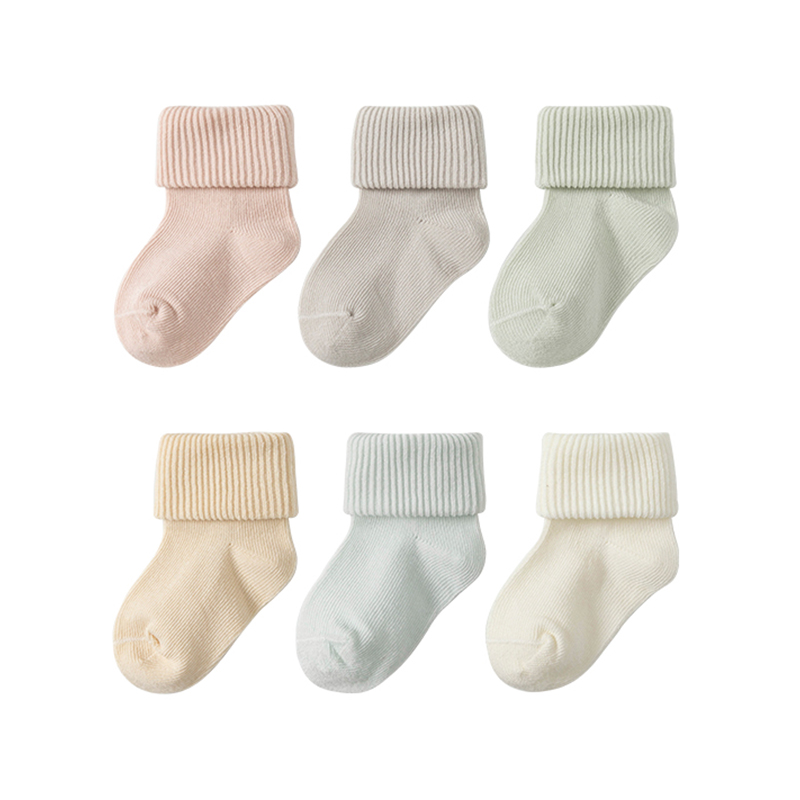
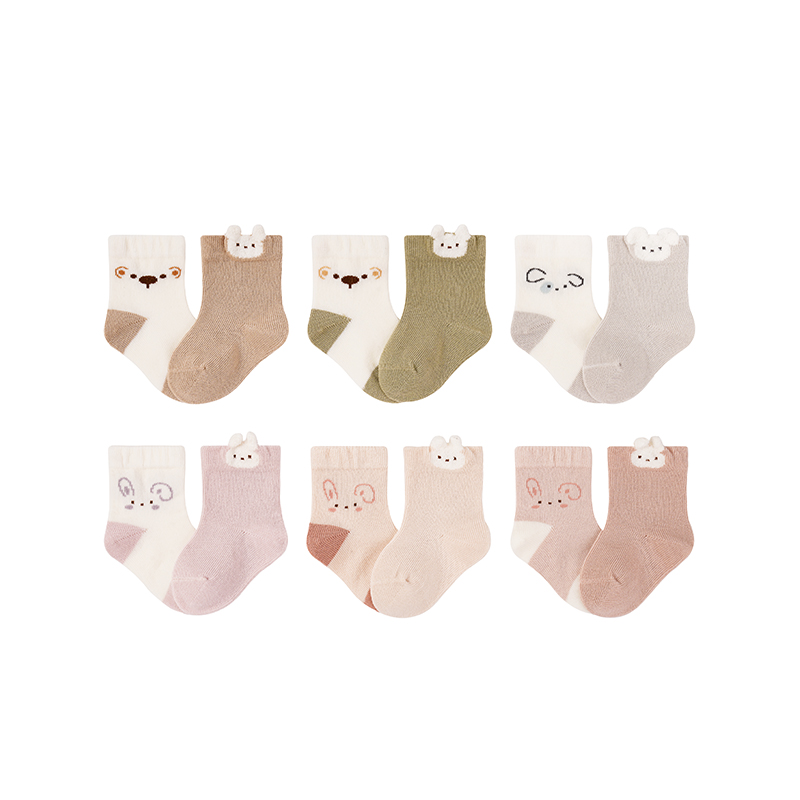
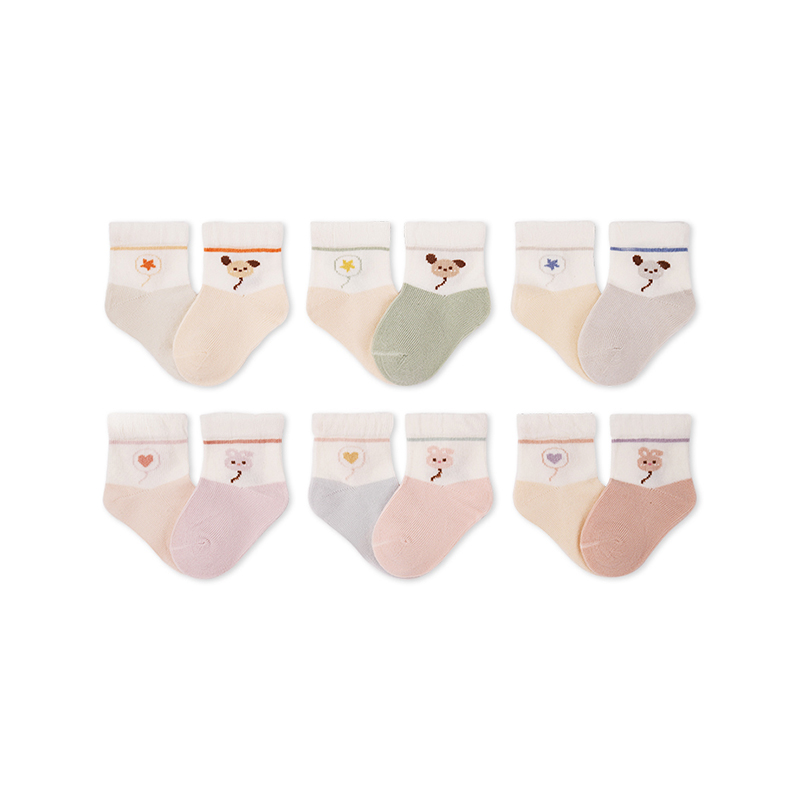
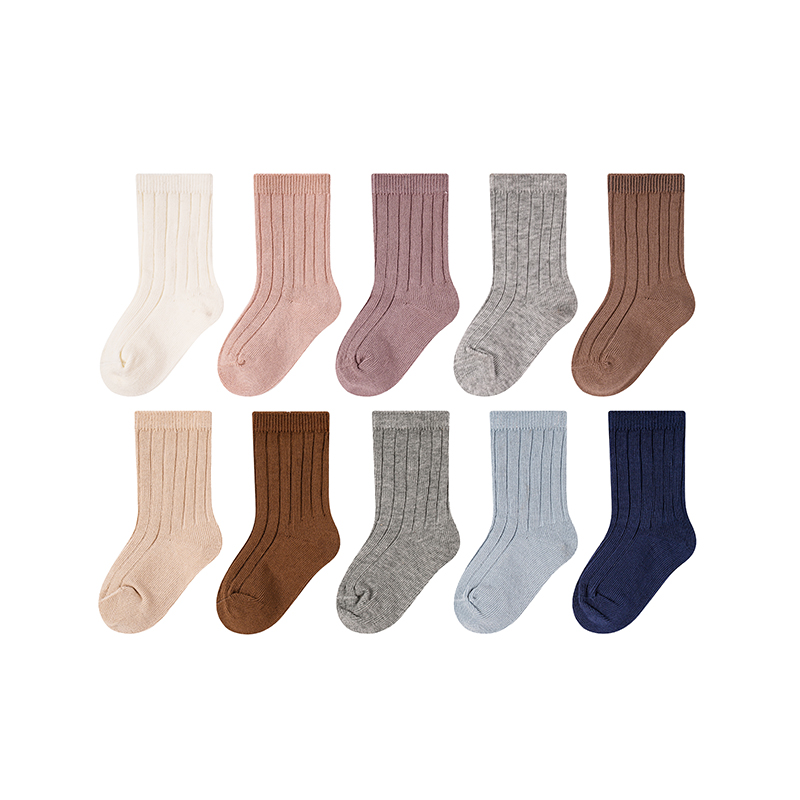
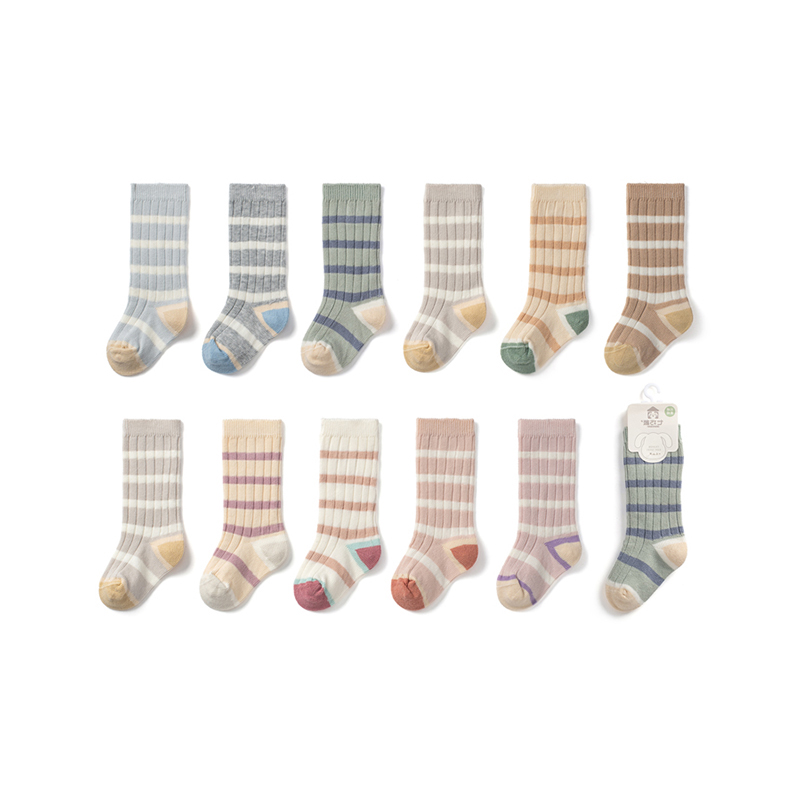
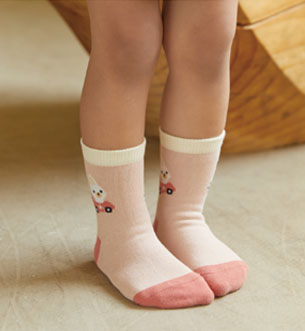
Choosing a safe color for baby boy socks involves practical and hygiene considerations. Light or neutral colors, such as white, beige, or pastel shades, are often preferred because they allow parents to monitor cleanliness more easily. Dark colors, while attractive, can hide stains or wetness, which may skin irritation if not noticed promptly. Some parents also consider the possibility of color fading due to washing; lighter colors may show wear more clearly, helping caregivers replace socks before they become worn or uncomfortable.
.jpg)
|
Type of Sock |
Material |
Length |
Features |
Purpose / Use |
|
Cotton Crew Socks |
Cotton blend |
Mid-calf |
Soft, breathable, elastic cuff |
Everyday wear, school, casual outings |
|
Ankle Socks |
Cotton / Polyester |
Ankle |
Lightweight, stretchable |
Warm weather, shoes with low profile |
|
Non-Slip Socks |
Cotton + Rubber |
Crew / Ankle |
Rubberized soles for grip |
Crawling, walking, indoor safety |
|
Patterned / Novelty Socks |
Cotton / Acrylic |
Crew / Ankle |
Colorful patterns, fun designs |
Style, self-expression, gifting |
|
Thermal / Winter Socks |
Wool / Cotton blend |
Mid-calf / Knee |
Thick, insulating, soft |
Cold weather, outdoor activities |
|
Organic Cotton Socks |
Organic Cotton |
Ankle / Crew |
Gentle on skin, eco-friendly |
Sensitive skin, daily use |
|
Toe Socks |
Cotton / Polyester |
Ankle |
Individual toes, stretchable |
Foot development, comfort, warmth |
|
Sports / Active Socks |
Cotton + Spandex |
Crew / Knee |
Reinforced heel, arch support |
Active play, early sports, crawling/walking |
|
Slip-On Socks / Moccasin Socks |
Cotton / Fleece |
Ankle / Mid-calf |
Soft sole, easy on/off |
Indoor comfort, light walking |
|
Knee-High Socks |
Cotton / Wool blend |
Knee-high |
Extra warmth, stay-up design |
Cooler weather, layering under pants |
Color choices should also account for potential allergic reactions. Certain dyes, particularly in brightly colored or neon fabrics, may irritate sensitive baby skin. Opting for socks labeled as “dye-safe” or “non-toxic” can reduce these risks. Material transparency can affect the perception of color safety. For example, cotton socks dyed with water-based, non-toxic pigments are often easier to monitor for cleanliness than synthetic blends.
Another factor is visibility in low light or when babysitting. Light-colored socks can make it easier to notice if the baby’s feet are wet or dirty during the night. Additionally, some caregivers prefer coordinating sock colors with clothing for quick identification when managing multiple children.
Safe colors prioritize hygiene, visibility, and skin sensitivity rather than appearance alone. Parents should combine color choice with careful material selection and routine checks to maintain comfort and health for the baby’s feet.

The usable life of baby and infant socks depends on wear, material quality, and growth rates. Babies’ feet grow quickly, often requiring new socks every few months. On average, socks may become too small within three to six months for infants, depending on the child’s growth. Ill-fitting socks can cause discomfort, restrict blood circulation, or leave marks on delicate skin.
Material durability also affects the lifespan. Cotton or cotton-blend socks tend to soften and shrink after multiple washes, while synthetic blends may stretch or lose elasticity. Careful washing according to instructions can extend usability, but socks showing holes, thinning fabric, or loose elastic should be replaced.
Practical considerations include changes in weather or activity. Socks may wear faster if the baby crawls, walks, or spends time outdoors. Non-slip soles may degrade over time, reducing grip and increasing the risk of slips. Stains or odor may also indicate that socks are no longer hygienic, even if they appear physically intact.
Parents often rotate multiple pairs to extend the overall life of socks while ensuring the baby always has clean, comfortable options. Monitoring sock fit, elasticity, and cleanliness is essential for both comfort and safety. Regular assessment helps determine when socks are no longer suitable for use, ensuring the baby’s feet remain protected and comfortable.
Babies grow rapidly, and their feet change size frequently. Socks may become too small within three to six months. Ill-fitting socks can leave marks on delicate skin, restrict blood circulation, or cause discomfort. Parents should check sock size regularly to ensure a proper fit.
Yes, material quality greatly influences how long socks remain usable. Cotton or cotton-blend socks may shrink or lose softness after multiple washes, while synthetic blends may stretch or lose elasticity. Socks showing thinning fabric, holes, or stretched-out elastic indicate they are no longer suitable.
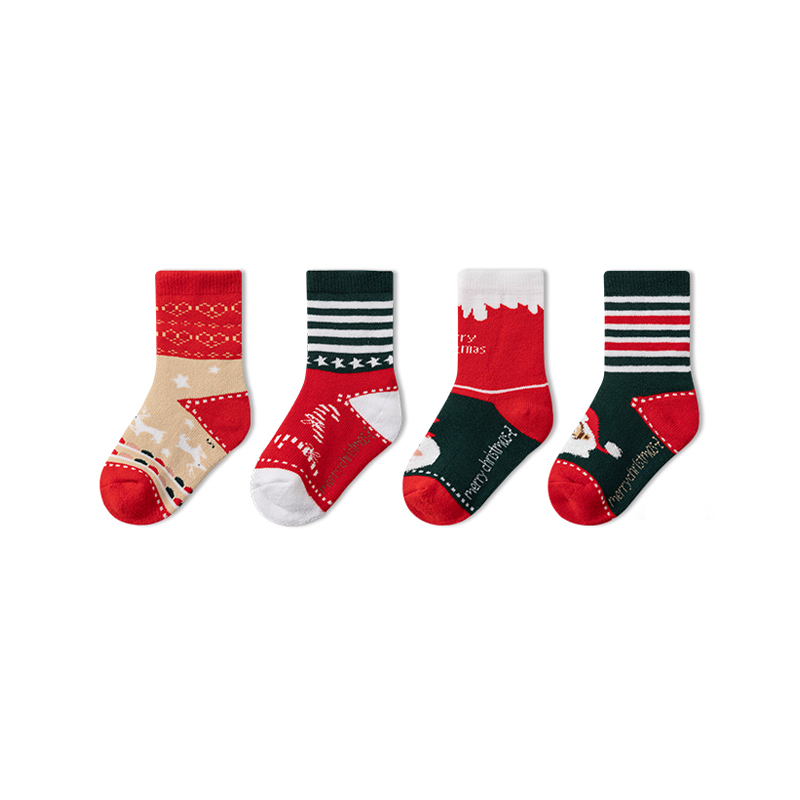
Babies who crawl, walk, or play outdoors may wear socks faster. Friction from movement can cause thinning or holes, and non-slip soles may degrade over time, reducing safety and comfort. Socks should be monitored closely if the baby is particularly active.
Even if socks appear intact, stains, lingering odors, or soil buildup are signs that they should be replaced. Frequent washing and rotation of multiple pairs can help maintain cleanliness and prolong overall usability.
Non-slip baby socks serve an important function, particularly as infants begin to stand, crawl, or take early steps. Babies have limited balance, and smooth flooring can increase the risk of slips or minor injuries. Socks with textured or rubberized soles provide additional grip, improving stability during movement.
Even in supervised settings, babies may move quickly or unpredictably. Non-slip socks reduce the chance of falls during activities such as walking to a caregiver, exploring toys, or transitioning between surfaces. They are particularly useful on hardwood, tile, or laminate floors, where friction from bare feet or smooth socks may be insufficient.
Non-slip designs also contribute to confidence and independence. Infants who feel more secure on their feet may practice walking more frequently, aiding motor development. Some parents prefer non-slip socks over shoes indoors, as they maintain warmth without restricting natural foot movement. Material choice affects effectiveness; socks should have sufficient grip while remaining soft and flexible to prevent irritation.
-1.jpg)
Non-slip socks are also helpful for childcare or daycare settings, where multiple infants share space. They reduce minor accidents and allow caregivers to focus on supervision rather than constant corrections. Even for crawling infants, textured soles can prevent sliding during floor play.
Non-slip baby socks are not only practical but also a preventive measure. They provide stability, promote safe exploration, and contribute to early motor skill development while maintaining comfort and warmth for the infant.
.jpg "Heather Stripe Ribbed Baby Classic Socks")
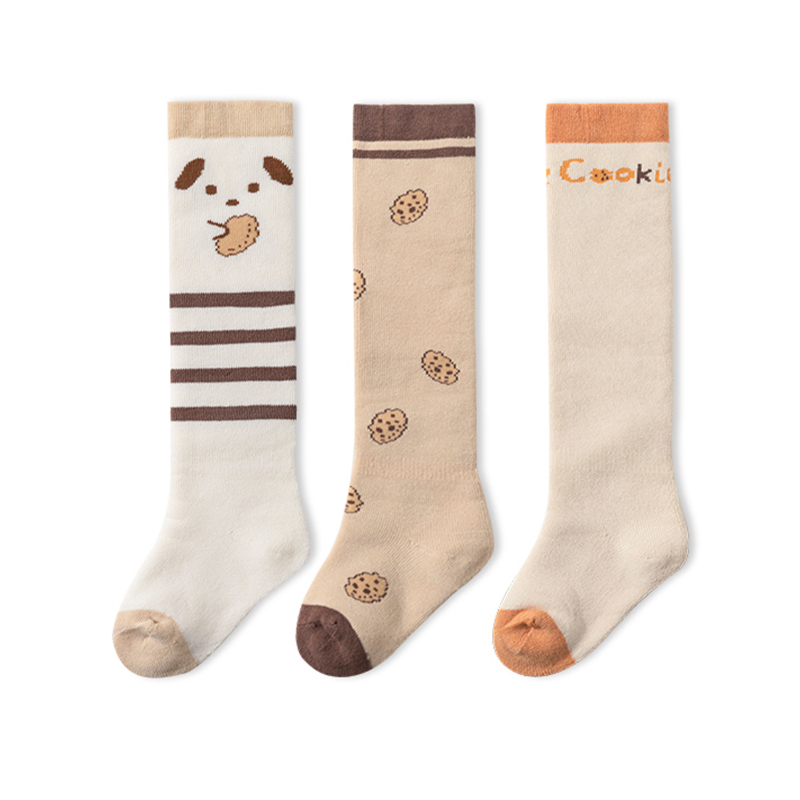
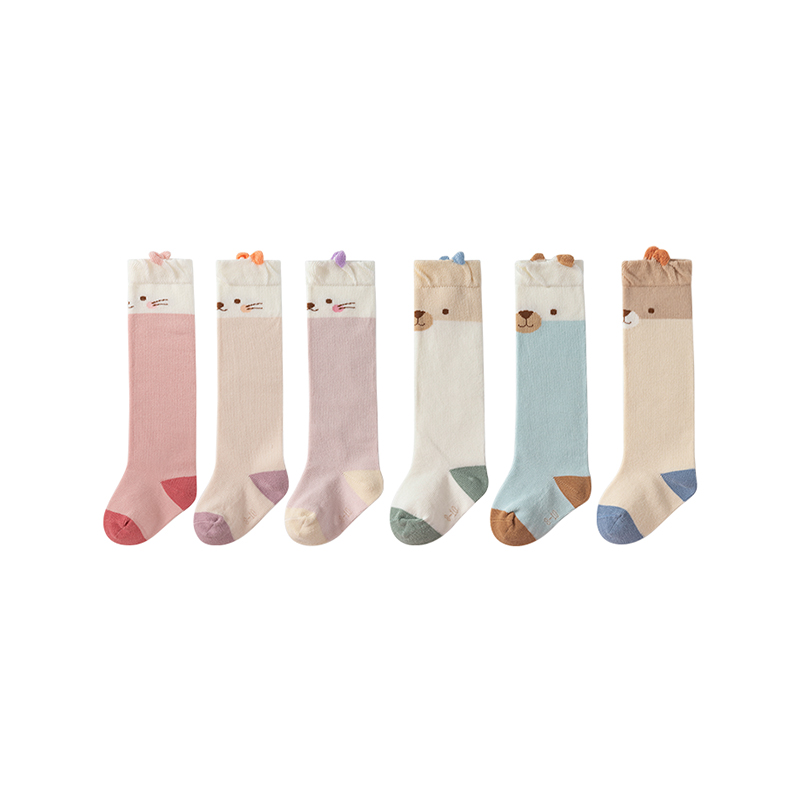
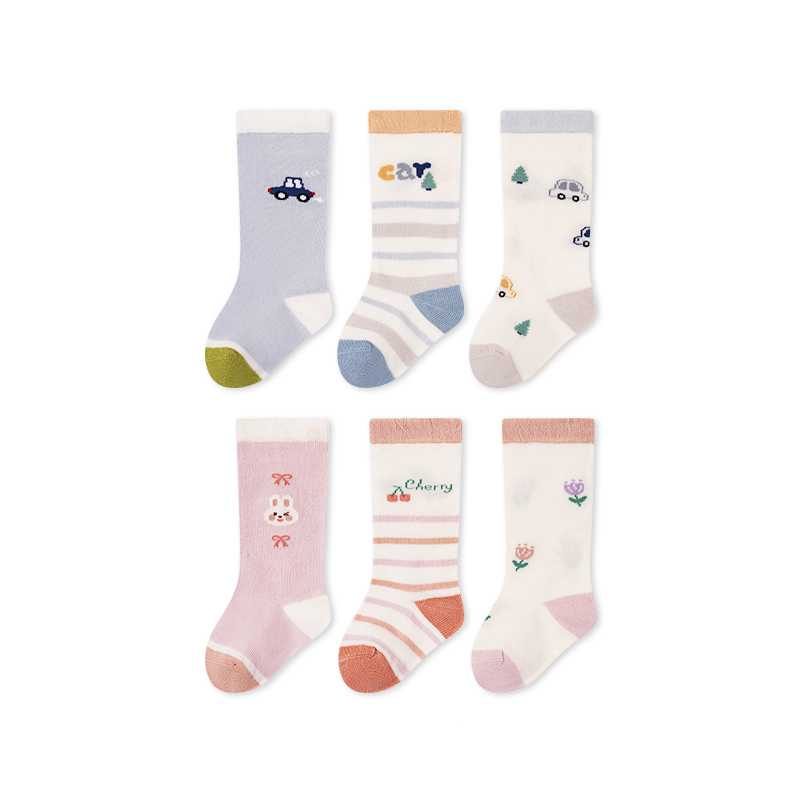
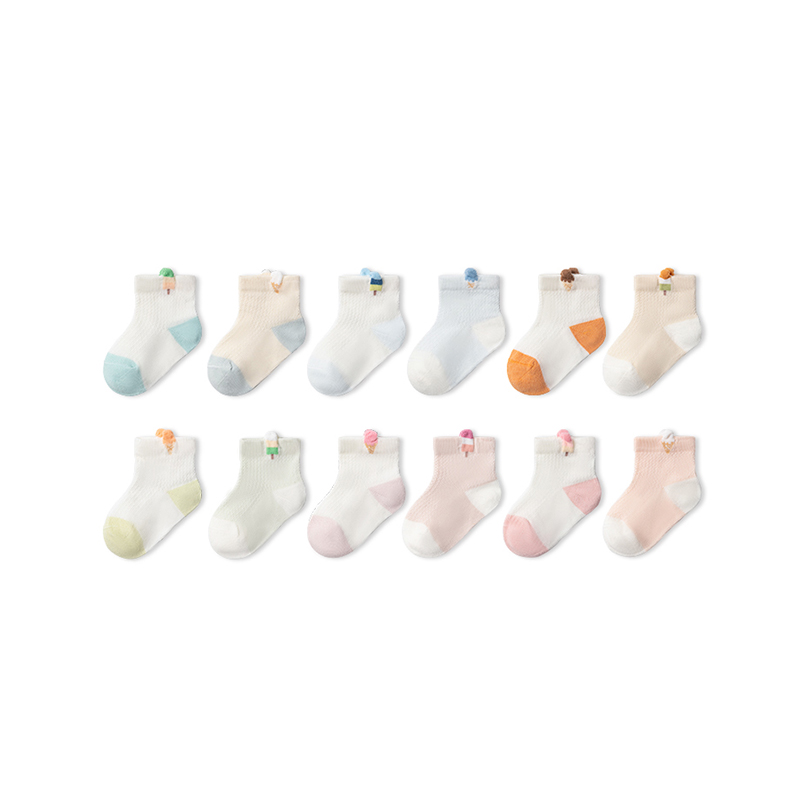
Sample Guide
See every detail in high definition.
No. 1222, Yinhai Road, Yiwu City, Zhejiang Province, China
Phone: +86-13735691188
Tel: +86-579-85531618
Fax: +86-579-81530188
Email: info@saintdesocks.com
Get In Touch
Feel Free To Contact Us
We will patiently and comprehensively answer your questions.

Best Custom Baby & kids Socks Manufacturer