 English
 русский
 Español
Feel Free To Contact Us
We will patiently and comprehensively answer your questions.
Baby & Toddler Cotton Socks: Which One Is The Better Choice?

Saintde's professional manufacturing solutions empower your premium product production.
Cotton, a long-established natural fiber, is frequently chosen for baby and toddler socks. An examination of its properties, when compared to common alternative fabrics, reveals a profile that aligns with the specific requirements of young children. The advantages of cotton are not found in being the better in every single category, but in providing a reliable, well-rounded performance across critical areas: breathability, skin compatibility, moisture management, and durability.
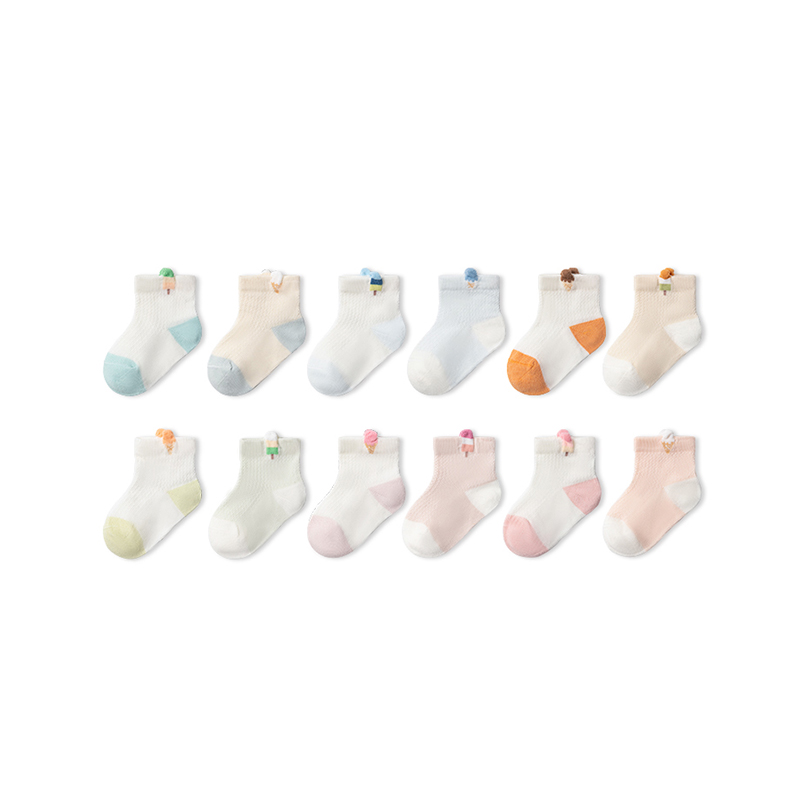
Cotton fibers are plant-based and possess a hollow core, which allows for a consistent passage of air. This characteristic supports the regulation of foot temperature, helping to prevent overheating—a consideration for infants whose circulatory and thermoregulatory systems are still maturing. In direct contrast, many synthetic fabrics, such as polyester or nylon, are derived from petroleum and are often engineered to be hydrophobic, repelling water. While this can be beneficial for wicking moisture away in activewear, it can sometimes a less breathable environment for a sedentary or sleeping infant, potentially trapping heat. Cotton’s breathability contributes to a more stable and comfortable microclimate around a child’s foot.
Closely linked to this is the matter of skin sensitivity and moisture handling. A baby’s skin is notably more permeable and susceptible to irritation than adult skin. Cotton is generally recognized for its hypoallergenic and non-irritating qualities, lacking the chemical treatments and synthetic textures that can provoke reactions in sensitive individuals. Cotton is hygroscopic; it absorbs moisture readily. When a toddler’s foot perspires, cotton socks absorb the sweat, keeping the skin drier and reducing the friction that can blisters or chafing. However, it is instructive to compare this to materials like bamboo-derived viscose or merino wool. Bamboo viscose shares cotton’s softness and can have enhanced thermoregulating properties, while merino wool offers notable temperature regulation and can wick moisture while retaining warmth even when damp. Yet, cotton often presents a more accessible and easily washable option, with a lower cost barrier and less specialized care required than fine wool.
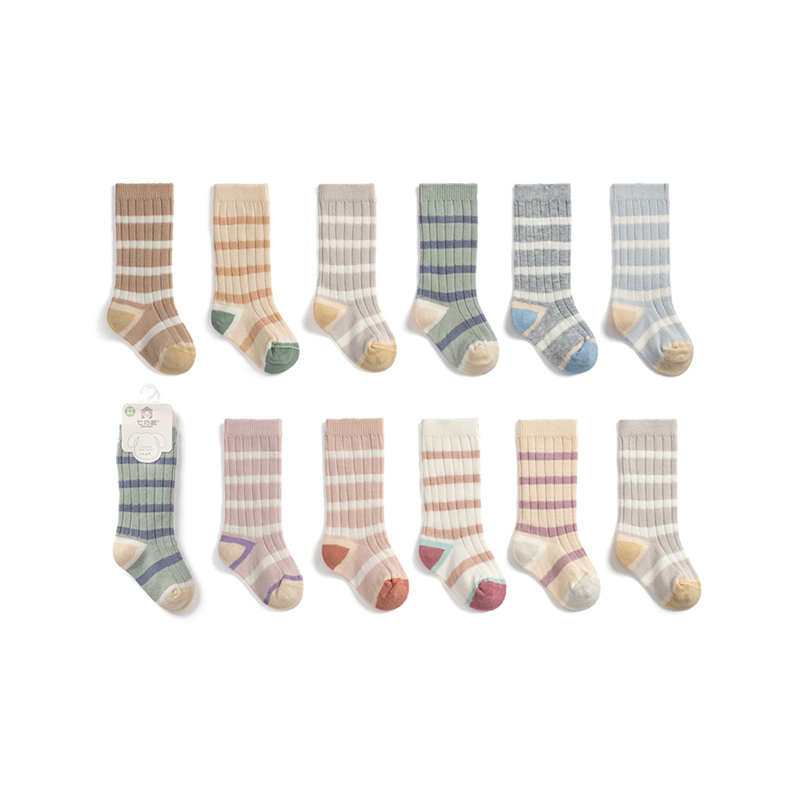
Regarding practical care and durability, cotton performs reliably. It withstands frequent high-temperature washing—a necessity for infant items—without losing its structural integrity rapidly, and it becomes softer with repeated laundering. Blends that incorporate a small percentage of elastane (typically 2-5%) address cotton’s natural lack of stretch, providing a secure, comfortable fit around the ankle and calf without compromising the beneficial core properties of the cotton. Pure synthetic socks may boast greater elasticity and faster drying times, but they can retain odors more readily and may not offer the same consistent softness over time.
The selection of cotton for baby and toddler socks is a balanced decision. It may not possess the ultra-fast-drying capability of some synthetics or the high-performance thermal regulation of merino wool in conditions. However, its combination of reliable breathability, gentle interaction with delicate skin, effective moisture absorption, and straightforward maintenance establishes it as a pragmatic and comforting choice for everyday wear, meeting the fundamental needs of both child and caregiver.
The grips, or non-slip elements, on baby socks are typically made from food-grade silicone or a similar polymer. They are applied to the sole area in raised dots or patterns through a screen-printing or heat-transfer process. Their function is twofold: to provide traction on smooth surfaces like hardwood or tile floors as infants begin to pull themselves up and cruise, and to help keep the sock itself from twisting or slipping off the foot by increasing friction against the inner sole of a shoe or a play surface. From a safety perspective, reputable manufacturers bond these grips securely to the fabric. It is advisable to inspect new socks, ensuring the grips are firmly attached and cannot be peeled off easily with gentle fingernail pressure. The silicone used should be non-toxic and free from harmful chemicals like BPA, often verified by relevant consumer safety certifications. The grips should be checked regularly for wear and tear, as peeling edges could present a choking hazard.
Even with grip elements, Stay On Baby Grip Socks can slip off if the fit or design is not good. The primary reason is an improper size; socks that are too large will bunch and slide, regardless of grips. Measuring the child’s foot regularly and following size charts is essential. The second factor is the sock’s construction. Socks with a defined heel pocket and sufficient elasticity in the cuff—often achieved by blending cotton with a small amount of spandex or elastane—will stay in place more effectively. The cuff should be snug but not tight, leaving no deep marks on the skin. Some designs incorporate longer, bootie-style cuffs that extend up the ankle, which can be more successful for active babies. Ensuring the grips are clean and free from dust or lint will maintain their effectiveness. If slippage persists, trying a different brand or a style with a slightly different cut may be necessary, as the shape of a baby’s foot and calf can vary.
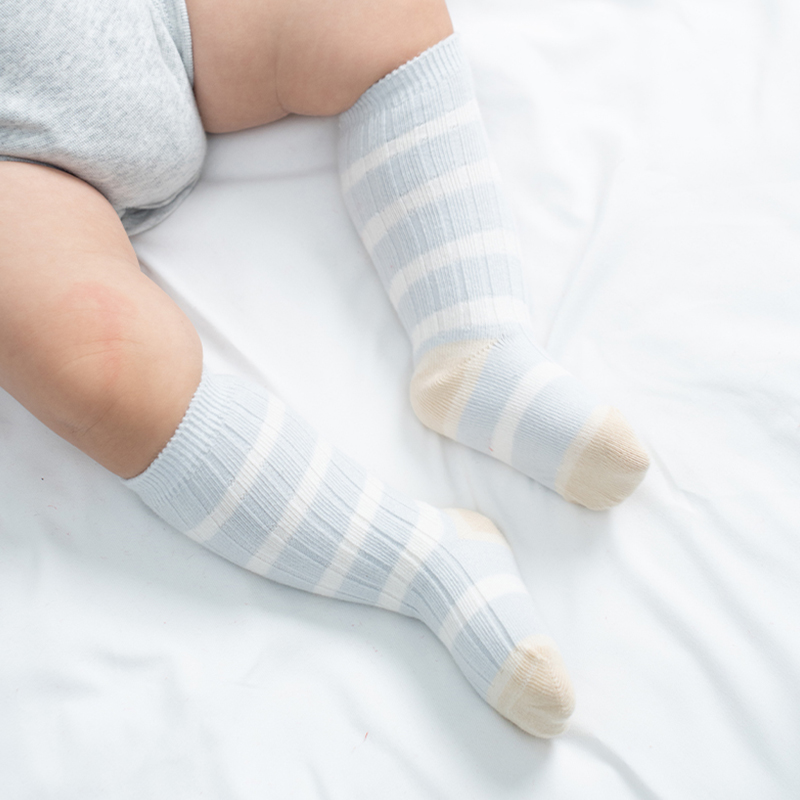
Stay On Baby Grip Socks are particularly useful during specific developmental stages. They become relevant when an infant begins to show signs of wanting to stand, pull up on furniture, or “cruise” along supports. During this phase, which typically occurs from around 8 to 18 months, grip socks can offer added stability and confidence on slick indoor floors, potentially reducing slips and falls. They are also practical for keeping socks on inside soft-soled crib shoes or pre-walkers. However, they are not necessary for non-mobile newborns who are primarily being carried or are in strollers. Furthermore, for confident walkers navigating outdoor or varied terrain, proper footwear with structured soles is more appropriate. Grip socks are viewed as an interim tool for indoor exploration, not a substitute for shoes when outside or for advanced walking. Their use can be phased out as the child’s balance improves and they transition to standard socks and shoes.
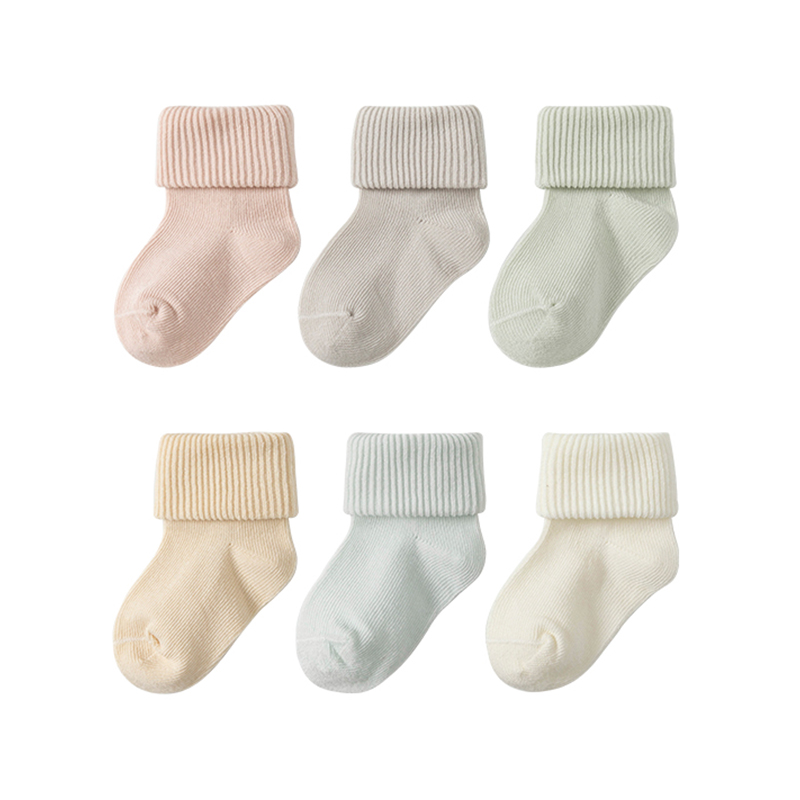
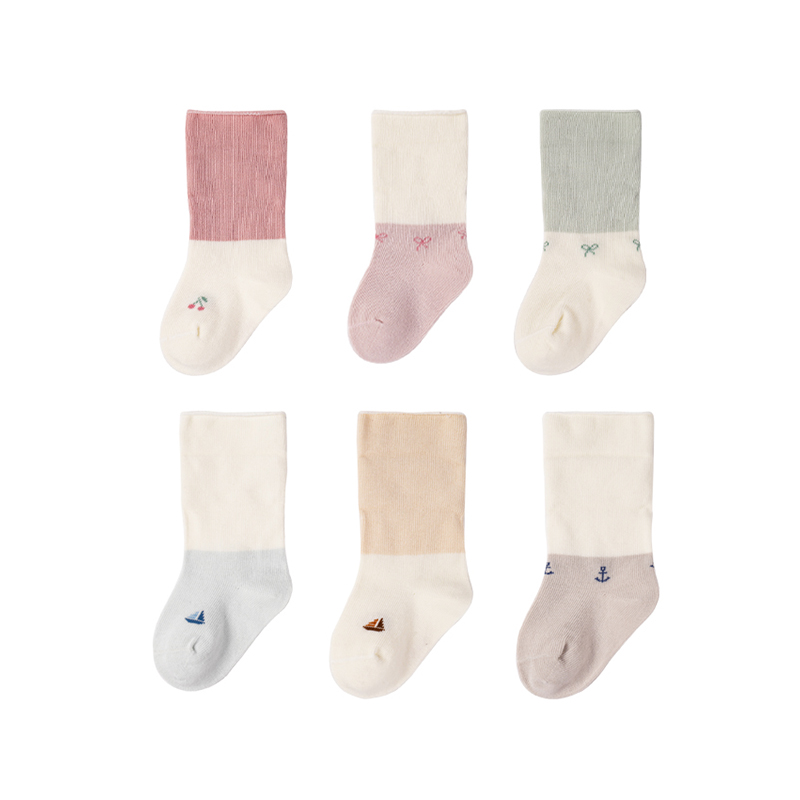
.jpg "Heather Stripe Ribbed Baby Classic Socks")
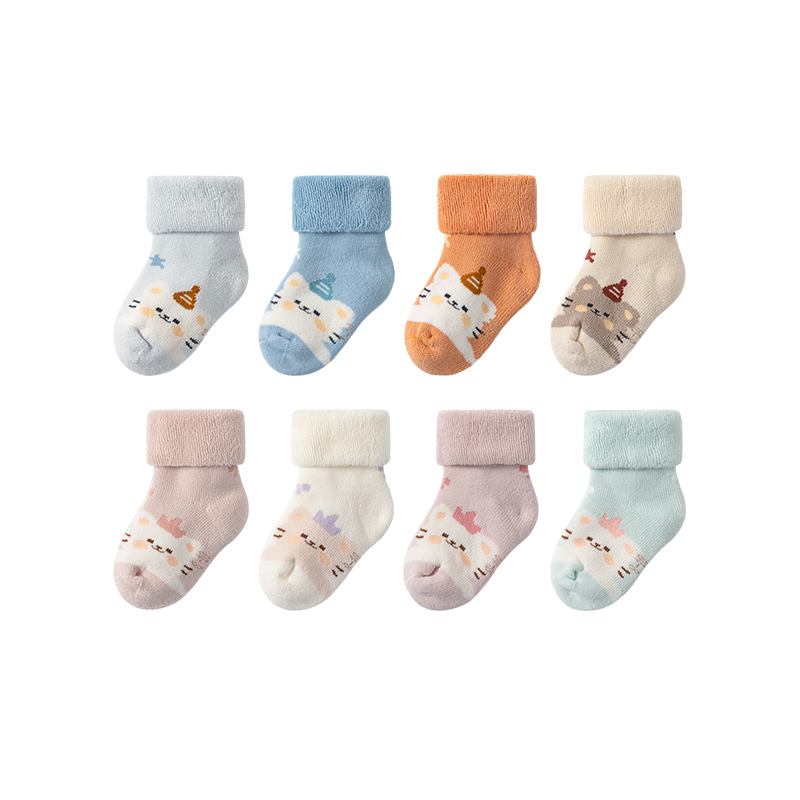
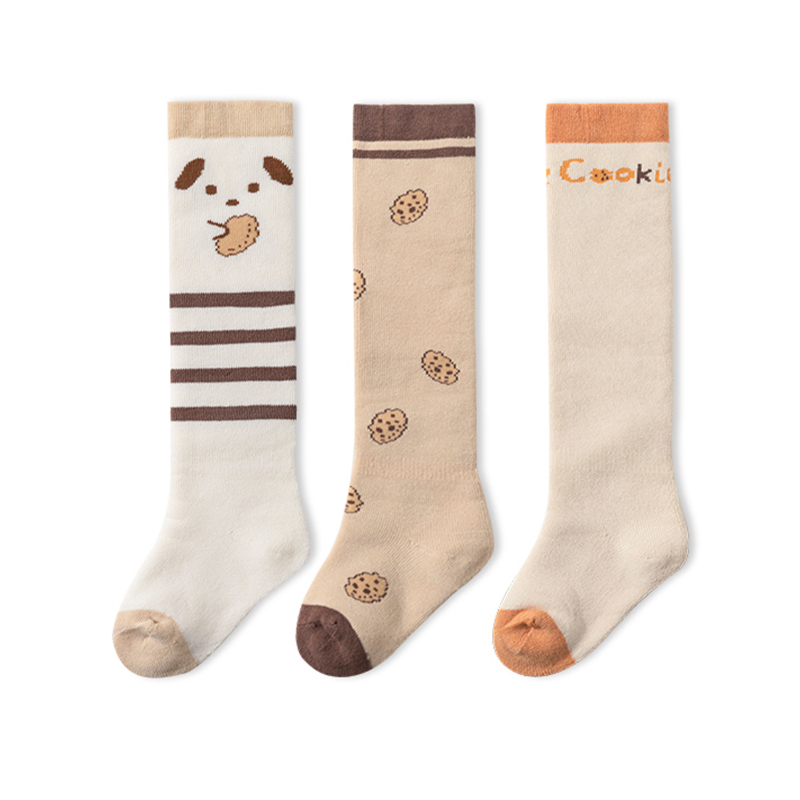
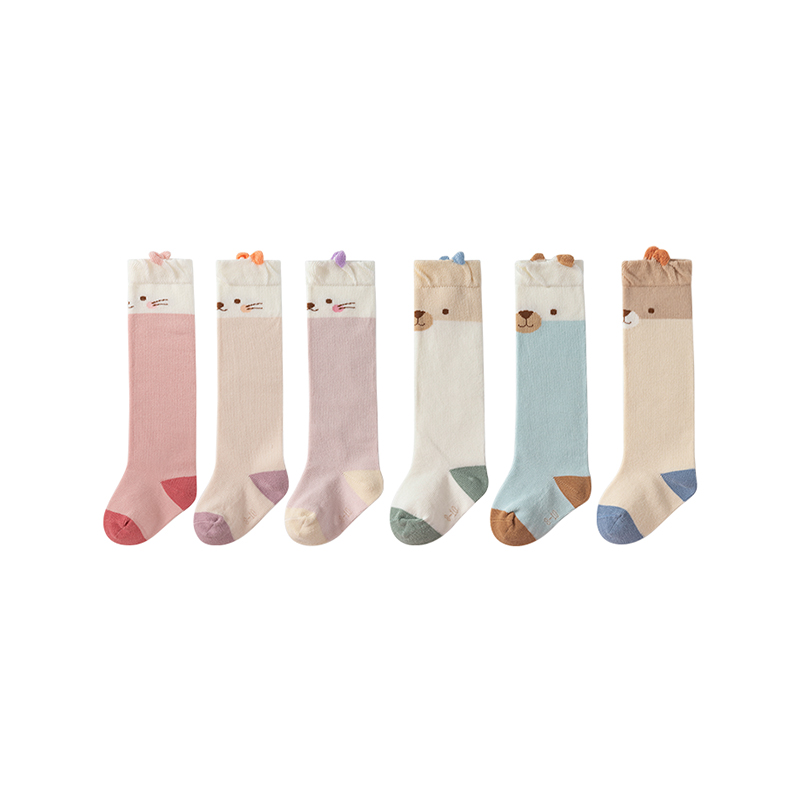
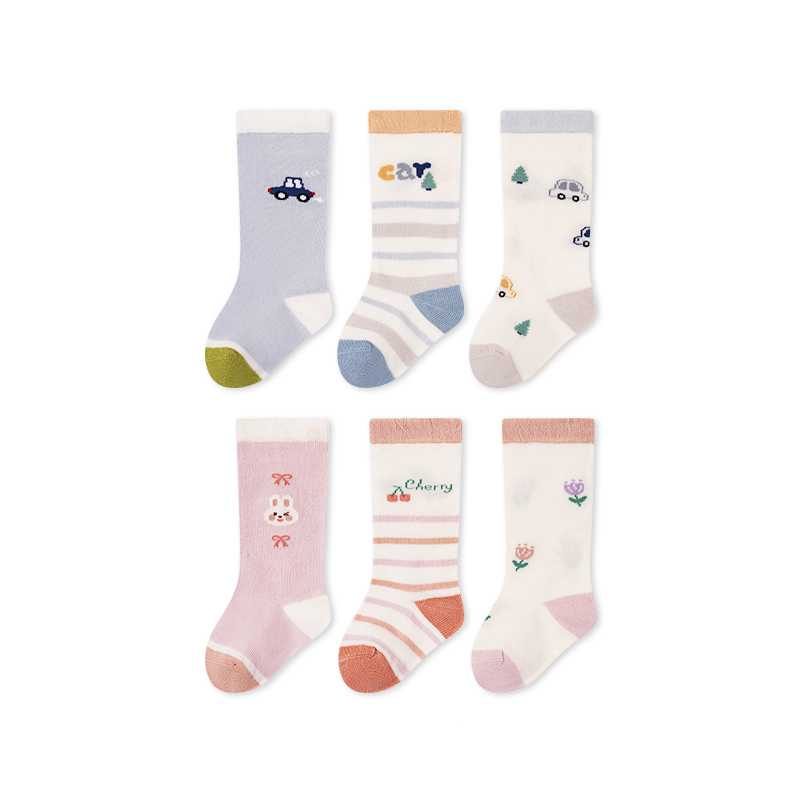
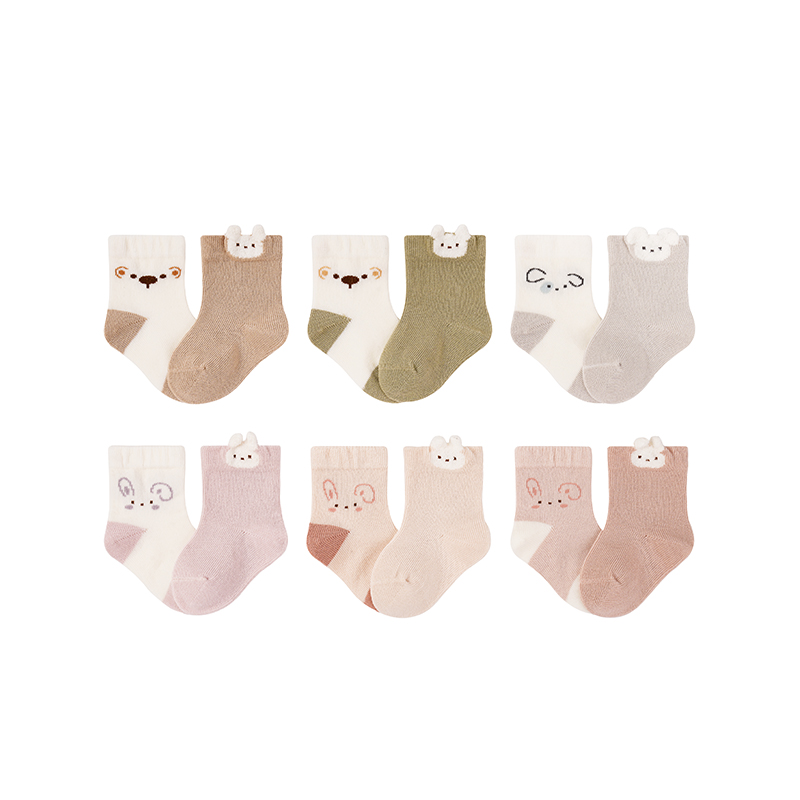
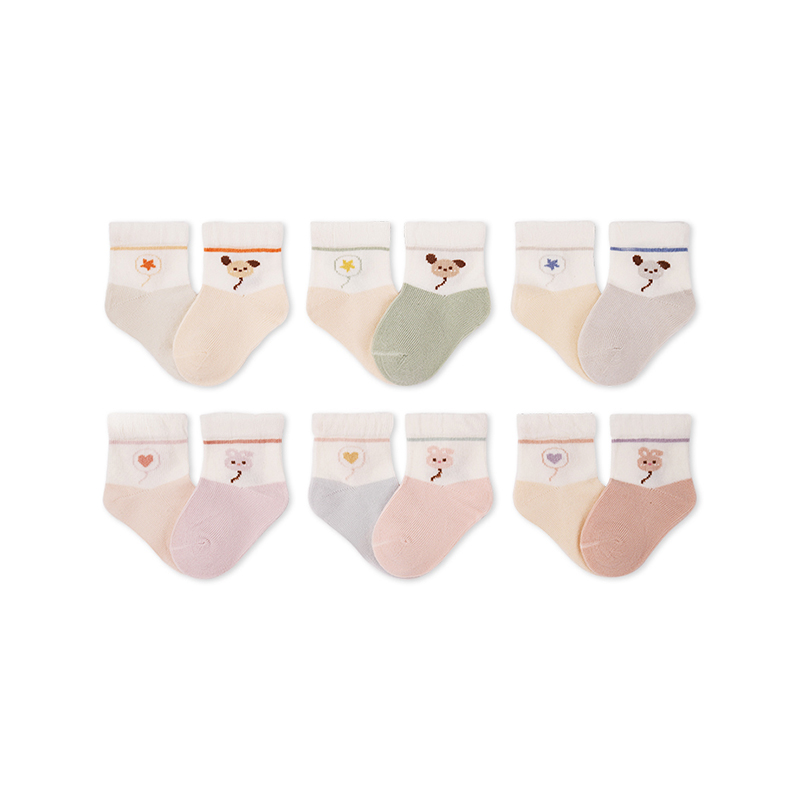
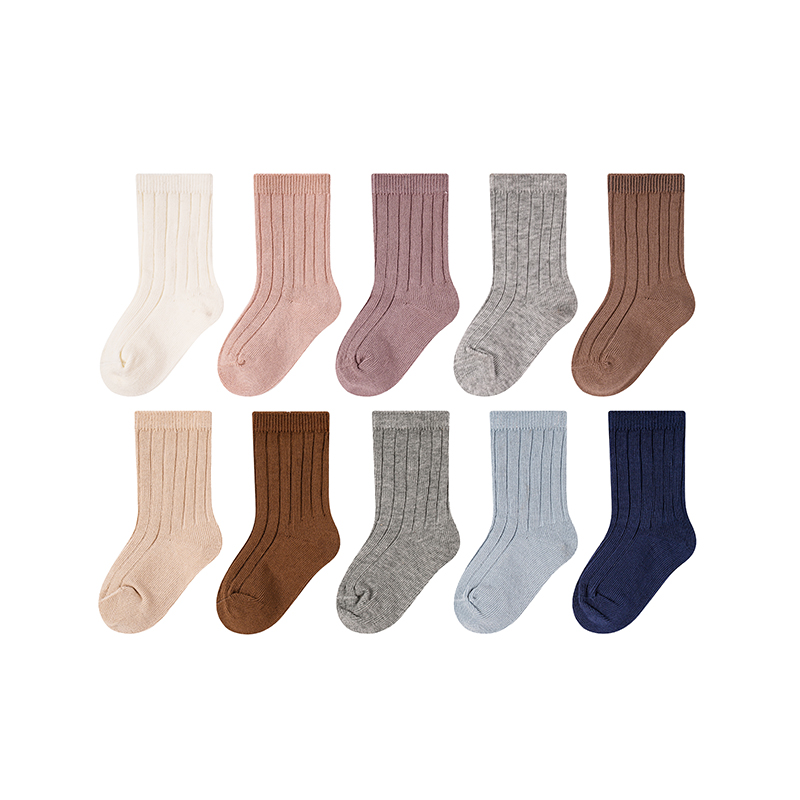
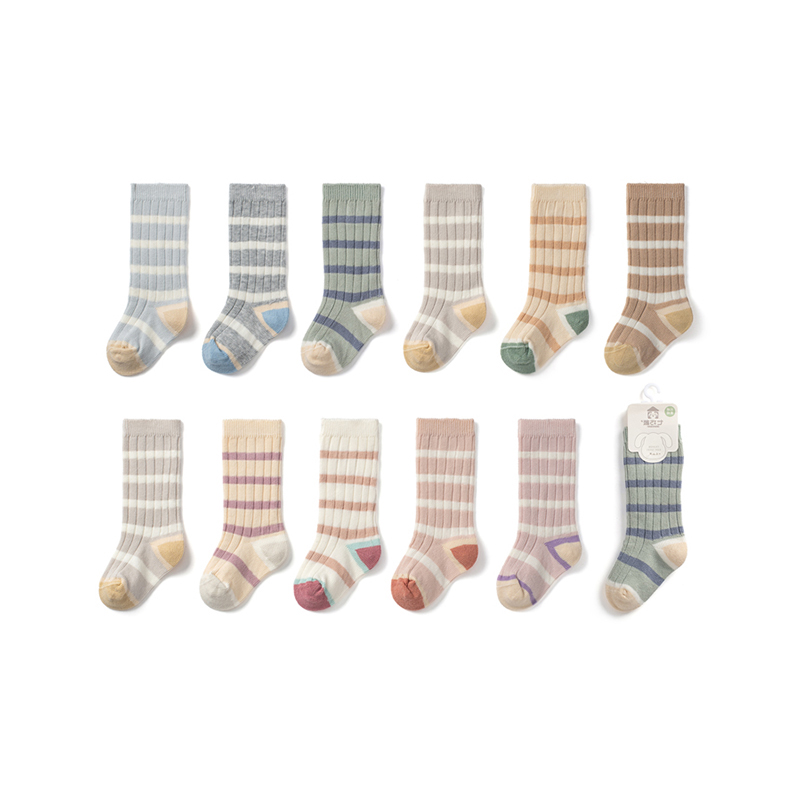
Sample Guide
See every detail in high definition.
No. 1222, Yinhai Road, Yiwu City, Zhejiang Province, China
Phone: +86-13735691188
Tel: +86-579-85531618
Fax: +86-579-81530188
Email: info@saintdesocks.com
Get In Touch
Feel Free To Contact Us
We will patiently and comprehensively answer your questions.

Best Custom Baby & kids Socks Manufacturer