 English
 русский
 Español
Feel Free To Contact Us
We will patiently and comprehensively answer your questions.
How Are Baby Socks That Stay On Designed?

Saintde's professional manufacturing solutions empower your premium product production.
Baby Socks That Stay On addresses a common frustration in infant apparel. Newborns and young babies move constantly—kicking, stretching, and curling their toes. Ordinary socks often slip off within minutes, leaving tiny feet exposed and parents repeatedly adjusting them.
A well-engineered pair combines soft structure, balanced elasticity, and precise sizing. Behind that functionality stands a disciplined Baby Socks That Stay On Manufacturer focused on infant-specific textile standards, consistent quality control, and skin-friendly materials.
Infant feet are small, rounded, and still developing. Unlike adult feet, they lack a defined arch and heel structure. Standard sock construction, which relies heavily on heel shaping, may not hold securely on newborn feet.
Baby Socks That Stay On are designed with this anatomical difference in mind. Instead of relying only on tight cuffs, they incorporate gentle elastic zones across the mid-foot and ankle. This helps the sock conform to movement without creating pressure marks.
Balanced tension is critical. Excessively tight cuffs can leave red lines on delicate skin, while loose knitting causes slippage. A responsible Baby Socks That Stay On Manufacturer calibrates yarn elasticity carefully during knitting to maintain comfort and stability.
Infant skin is highly sensitive. Fabric choice directly influences comfort and hygiene.
Baby Socks That Stay On are typically made from soft cotton blends free from fluorescent agents. Breathable fibers allow airflow, reducing moisture buildup. Antibacterial properties can help maintain freshness during long wear.
Softness is achieved not only through fiber type but also through knitting density and finishing techniques. Gentle washing and heat setting stabilize the structure without hardening the yarn.
During production, yarn inspection screens for fiber uniformity and cleanliness. A structured Baby Socks That Stay On Manufacturer integrates raw material verification before knitting begins.
Elastic performance defines whether socks truly stay in place. However, infants require a delicate balance between grip and comfort.
.jpg)
Instead of a single tight band, advanced Baby Socks That Stay On may use distributed elastic zones. These zones lightly hug the ankle and mid-foot, creating a secure fit without concentrated pressure.
Heat setting plays a key role in stabilizing elastic recovery. Controlled temperature exposure locks the shape into place while maintaining flexibility.
Production monitoring at this stage reduces variation in stretch levels across batches. Consistency supports predictable product performance.
Infants require temperature regulation support throughout the year. Seasonal adaptation in Baby Socks That Stay On involves adjusting yarn thickness and knitting structure.
Spring and summer versions prioritize lightweight breathability. Thinner cotton blends promote airflow and help maintain a fresh feel. Autumn and winter styles incorporate slightly denser knitting for warmth while preserving softness.
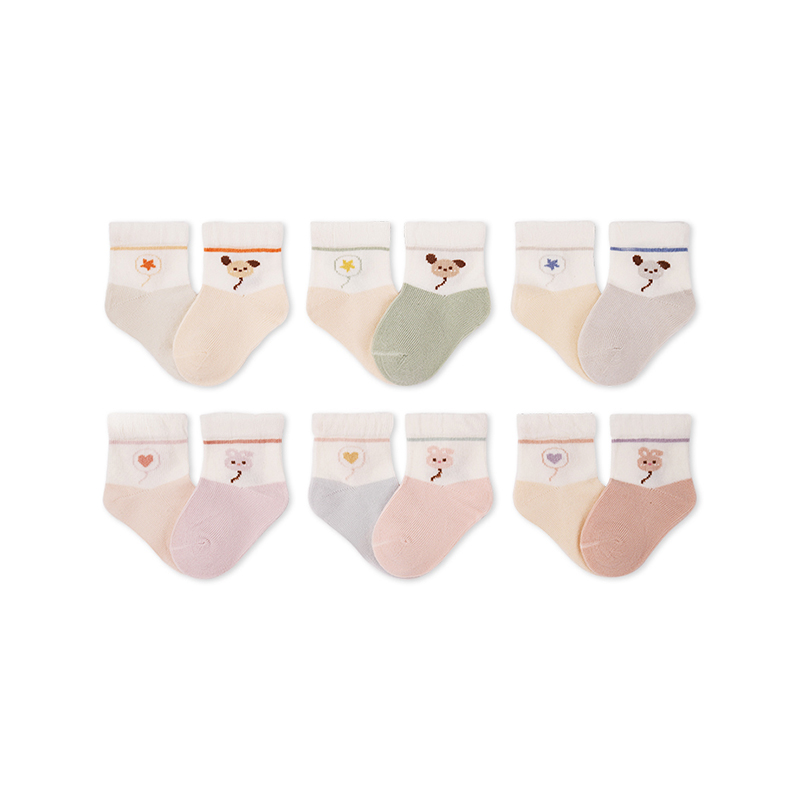
Parents are drawn to charming patterns and playful colors. Visual appeal enhances product value, but decoration must not interfere with structure.
Jacquard knitting allows integrated patterns without adding stiff surface layers. Smooth finishing prevents internal thread ends from irritating skin.
A disciplined Baby Socks That Stay On Manufacturer coordinates pattern layout with structural zones, keeping elasticity and seam placement aligned with the sock's functional areas.
Infant socks must tolerate frequent washing while maintaining softness and fit. Shrinkage control and colorfastness testing are part of responsible manufacturing practice.
Gradual refinement in yarn blending and knitting calibration improves durability without compromising comfort. Production data analysis guides adjustments in tension control and finishing processes.
Baby Socks That Stay On combine anatomical understanding, textile engineering, and disciplined manufacturing workflow. Through careful sizing, soft fabric selection, controlled elasticity, and structured quality inspection, these socks provide stable wear for infants across seasons and growth stages.
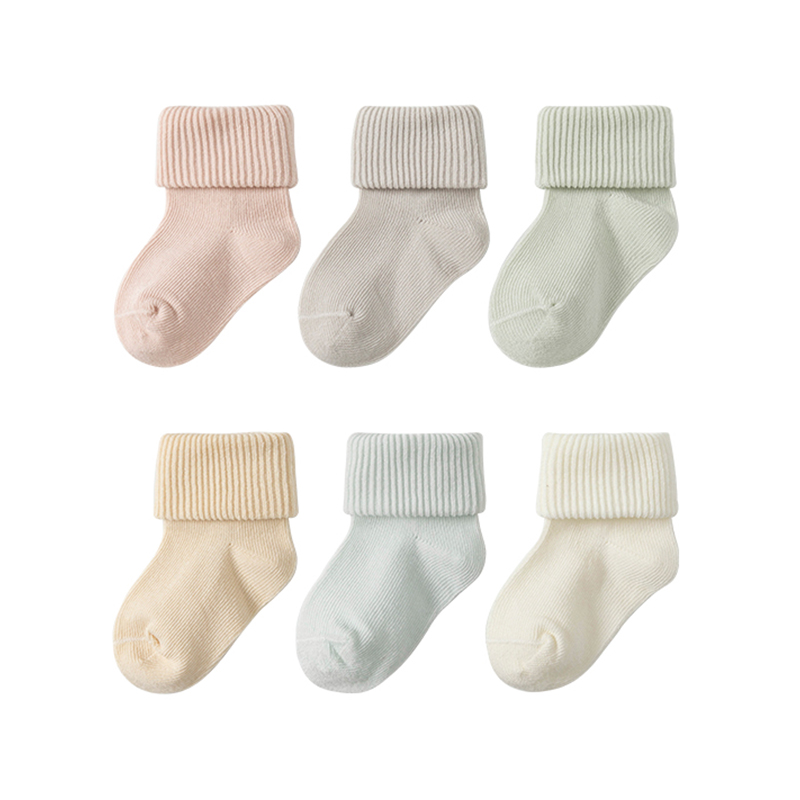
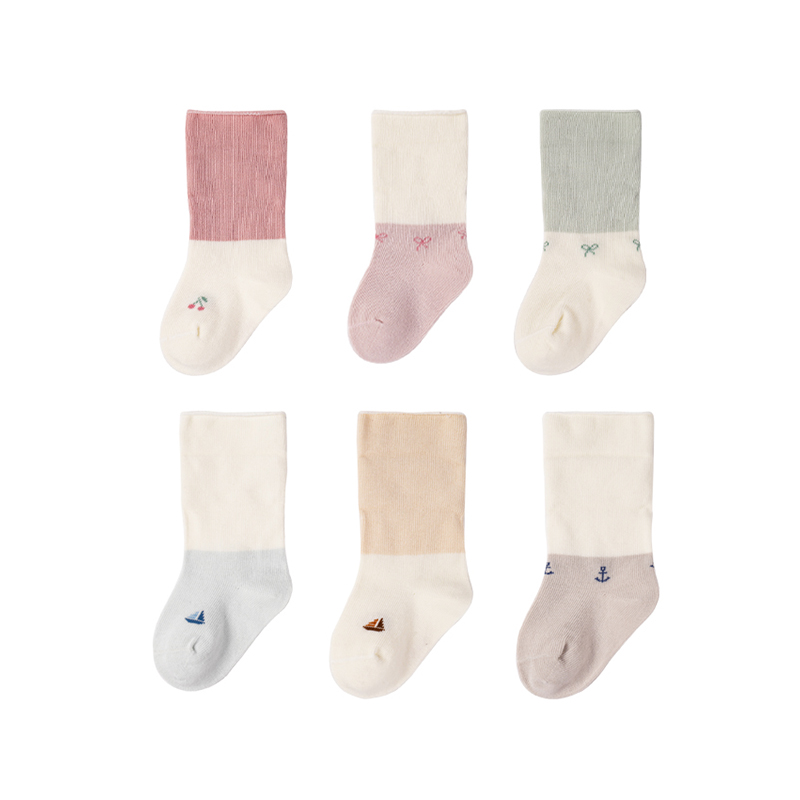
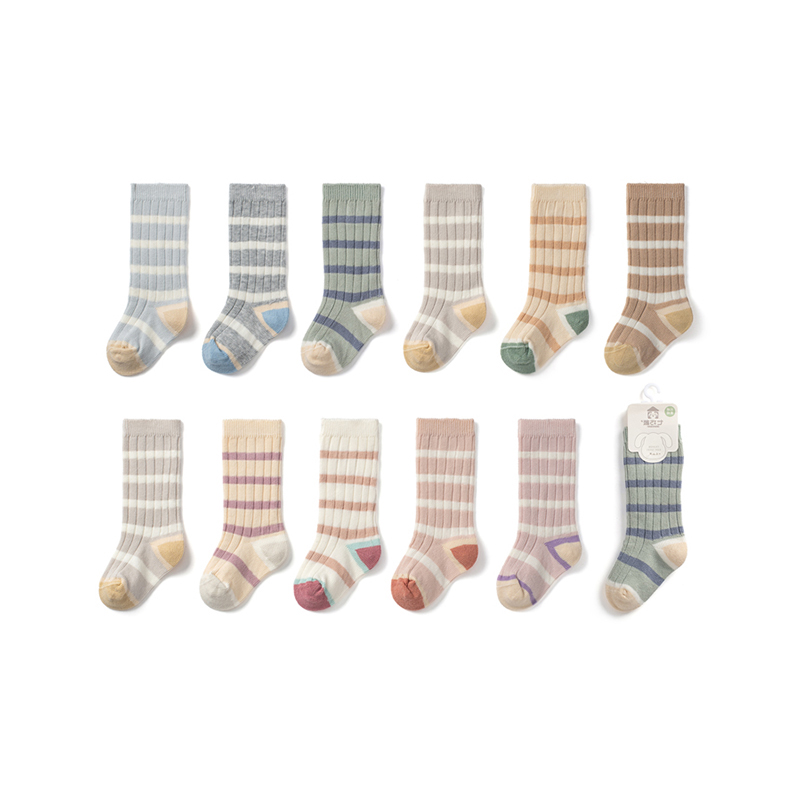
.jpg "Heather Stripe Ribbed Baby Classic Socks")
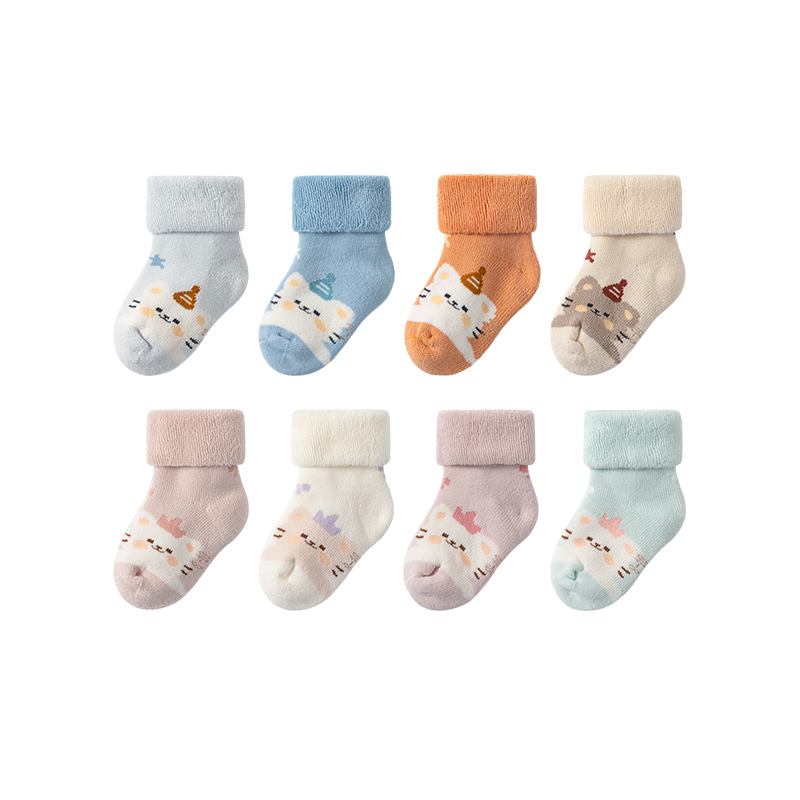
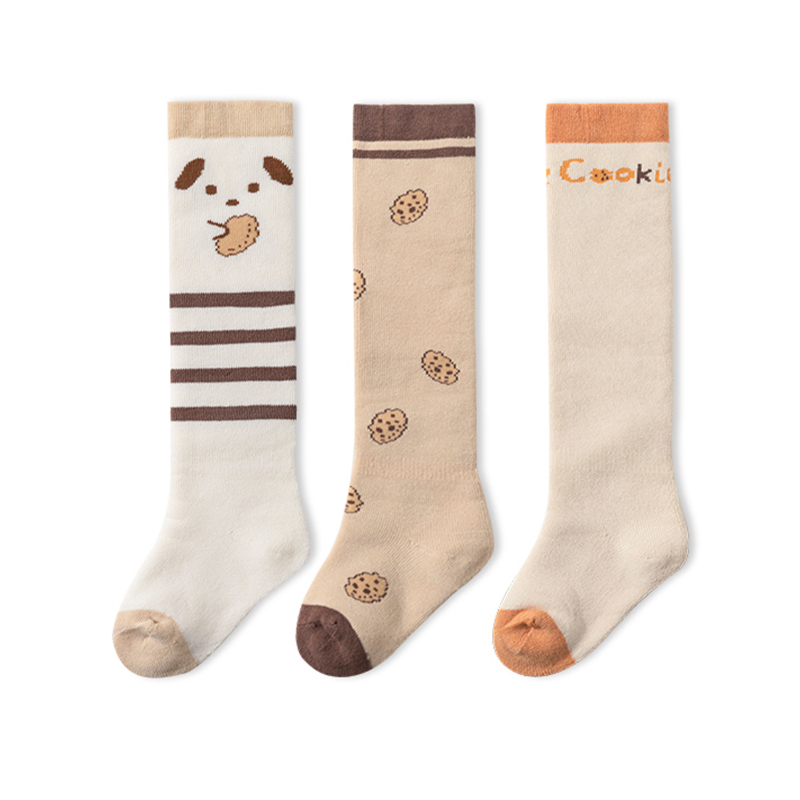
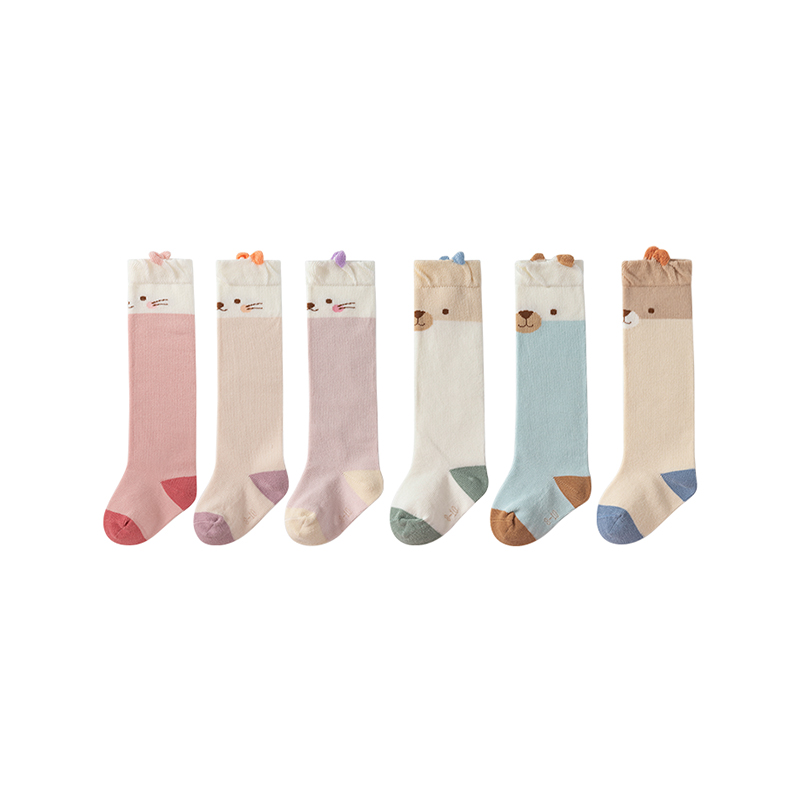
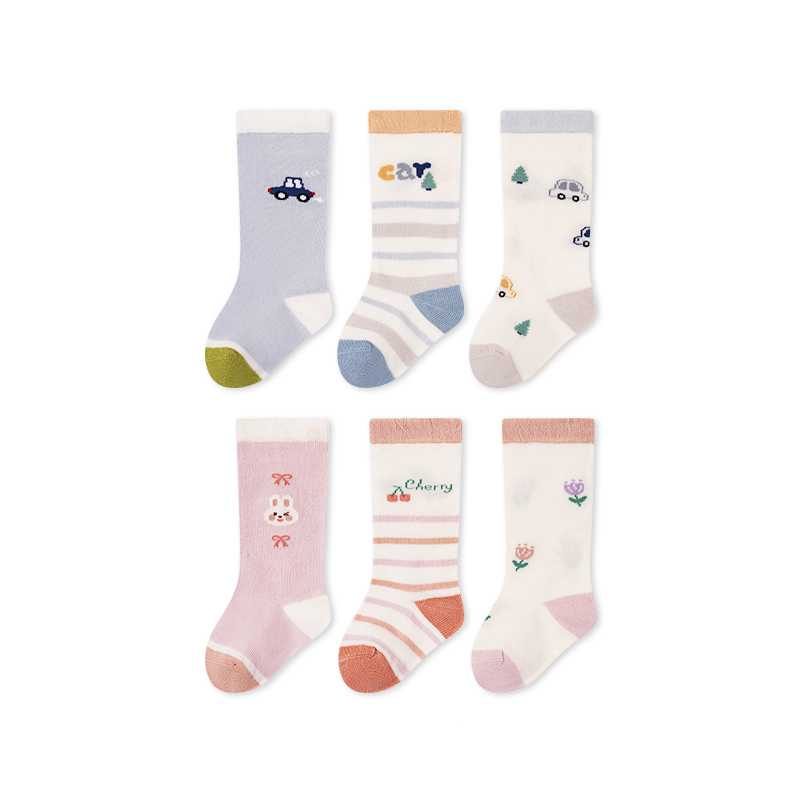
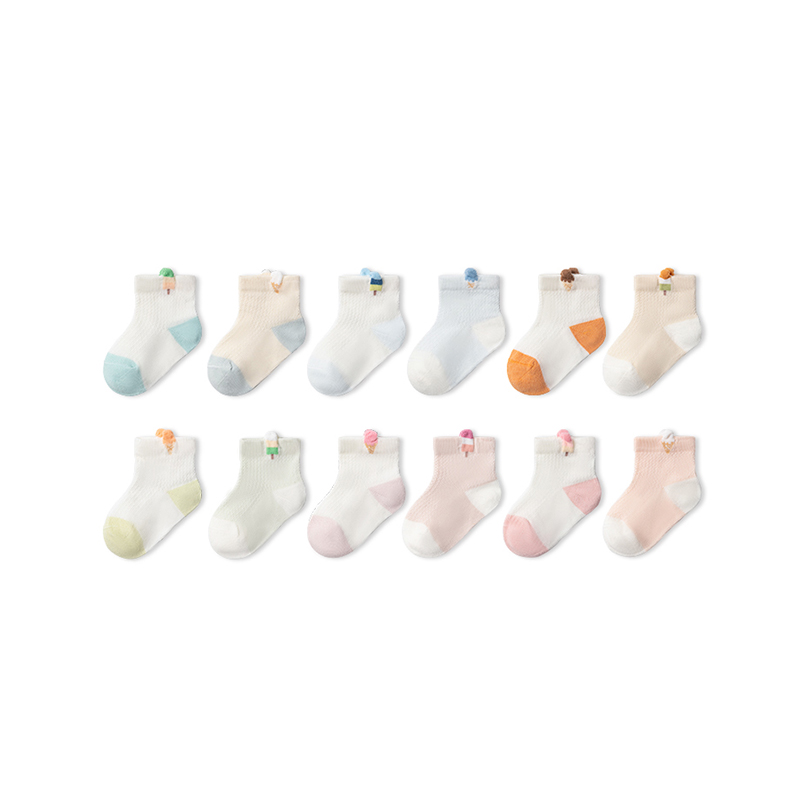
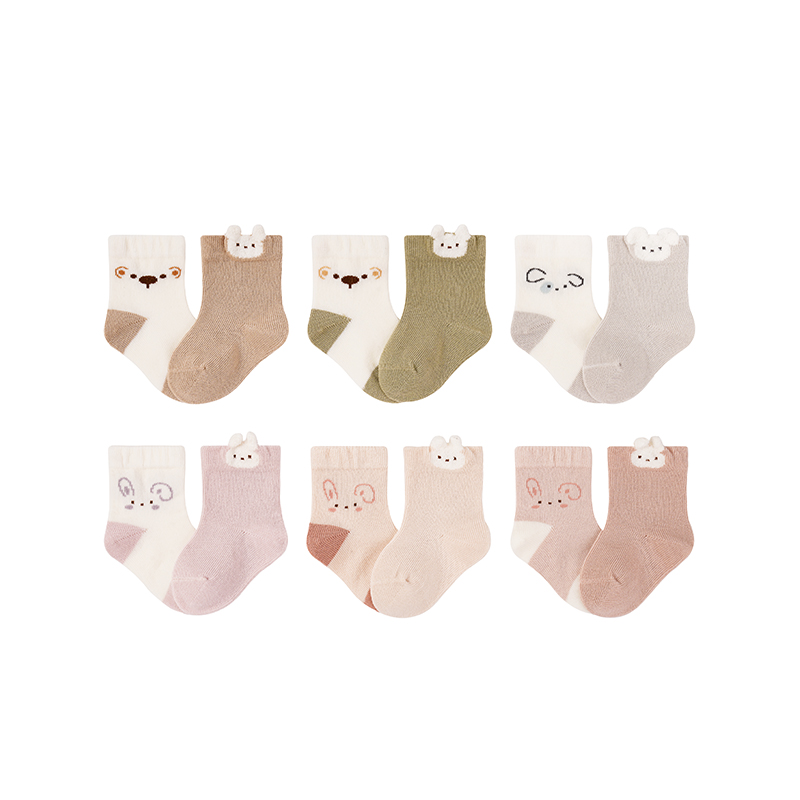
Sample Guide
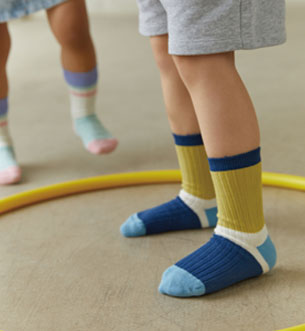
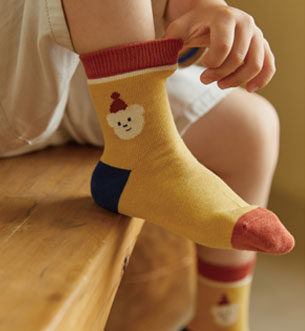
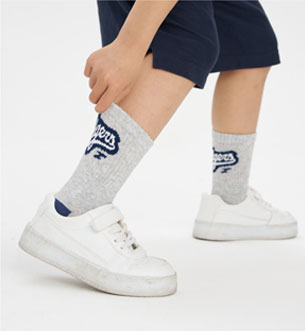
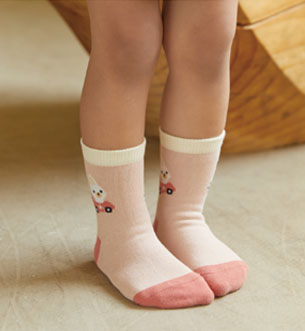
See every detail in high definition.
No. 1222, Yinhai Road, Yiwu City, Zhejiang Province, China
Phone: +86-13735691188
Tel: +86-579-85531618
Fax: +86-579-81530188
Email: info@saintdesocks.com
Get In Touch
Feel Free To Contact Us
We will patiently and comprehensively answer your questions.

Best Custom Baby & kids Socks Manufacturer