 English
 русский
 Español
Feel Free To Contact Us
We will patiently and comprehensively answer your questions.
What Materials Work Well in Non-Slip Socks Design?

Saintde's professional manufacturing solutions empower your premium product production.
Non-Slip Socks have become a practical solution for indoor environments where smooth floors create walking instability. Hardwood, tile, and polished surfaces are common in homes, studios, and hospitality settings. Ordinary socks often lack traction, causing unwanted sliding during daily movement.
Modern Non-Slip Socks combine grip technology with soft textile engineering. For women's collections in particular, design must balance stability, elegance, and breathability. A structured Non-Slip Socks Manufacturer integrates fabric selection, grip application, and finishing control into one coordinated production process.
The defining feature of Non-Slip Socks lies in the anti-slip pattern applied to the sole. Silicone or PVC grip dots are positioned strategically to increase friction between the sock and the floor surface.
Grip placement requires technical planning. Too little coverage reduces stability. Excessive coverage can make the sole stiff and uncomfortable. Proper distribution supports natural walking movement while improving ground contact.
Application methods vary. Advanced dispensing equipment controls dot size, spacing, and adhesion temperature. A professional Non-Slip Socks Manufacturer monitors curing conditions to maintain stable bonding between fabric and grip material.
Durability testing is also critical. After repeated washing cycles, grip elements should remain attached and flexible. Controlled adhesion processes support long-term usability.
Stability alone does not define product value. Women expect comfort during extended indoor wear. Lightweight and breathable yarns help regulate moisture and temperature.
Combed cotton and blended fibers are frequently used in Non-Slip Socks to create a soft hand feel while maintaining structure. Moisture absorption helps reduce discomfort during long hours at home or during studio activities such as yoga or pilates.
Balanced elasticity allows socks to fit closely without excessive pressure. Gentle cuffs reduce marks on the skin, particularly important for daily wear. A structured Non-Slip Socks Manufacturer calibrates knitting density and elastic integration to achieve consistent stretch recovery.

Toe seams can become a source of irritation, especially in fitted footwear or barefoot indoor use. Seamless or fine-linked toe construction reduces friction at the front of the foot.
Attention to this detail reflects a broader commitment to comfort engineering. During production, precision linking machines create flatter seam transitions. Quality inspection verifies seam smoothness and structural integrity.
For women's Non-Slip Socks, refined finishing aligns functional grip performance with everyday comfort expectations.
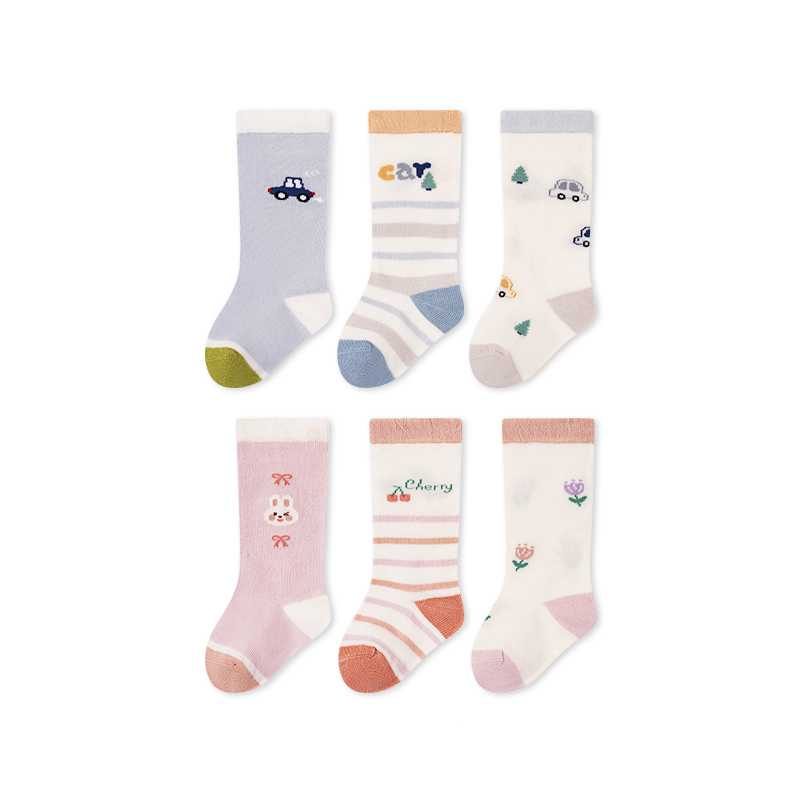
Modern consumers expect functional products to maintain aesthetic appeal. Women's Non-Slip Socks often feature subtle patterns, soft color palettes, and clean silhouettes that match casual or lounge outfits.
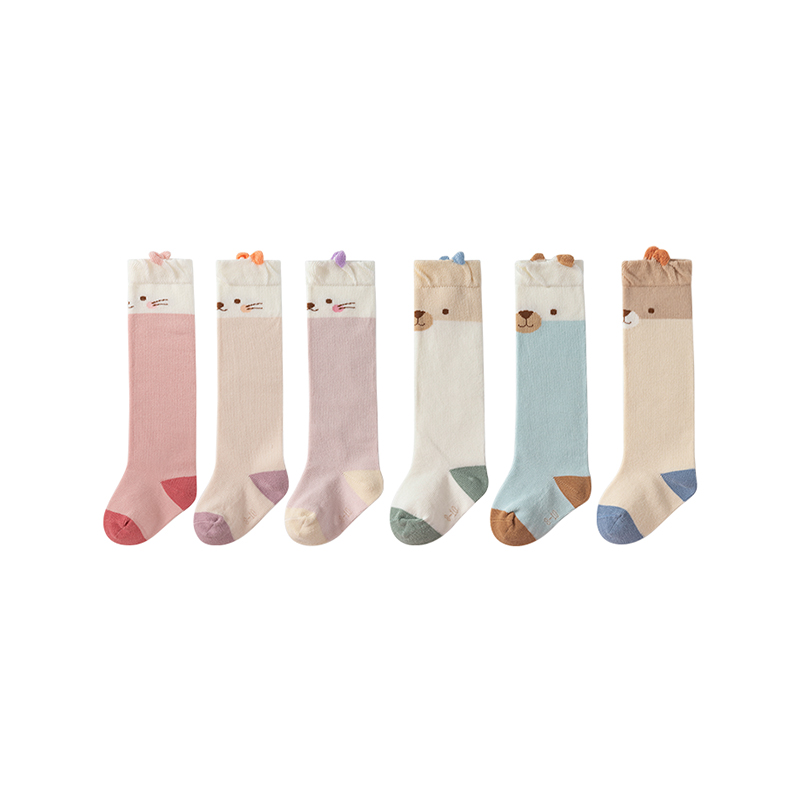
From ankle styles to knee-high versions, product variations support different indoor scenarios. Ankle designs pair well with home wear and light exercise, while longer styles provide added warmth during cooler seasons.
Design planning requires coordination between pattern layout and sole grip placement. A Non-Slip Socks Manufacturer must ensure that decorative knitting does not interfere with structural performance.
Textile innovation evolves steadily. Improvements in silicone formulation, knitting precision, and eco-friendly fibers create opportunities for product refinement.
A growth-oriented Non-Slip Socks Manufacturer invests in equipment upgrades and staff training to maintain consistent quality output. Sampling, wear testing, and production data analysis guide the gradual enhancement of structure and durability.
Non-Slip Socks represent more than a simple traction accessory. They integrate textile engineering, ergonomic design, and controlled manufacturing processes. When grip placement, breathable fabric, seamless construction, and structured production align, the result is a product suited for modern indoor lifestyles while maintaining scalable manufacturing standards.
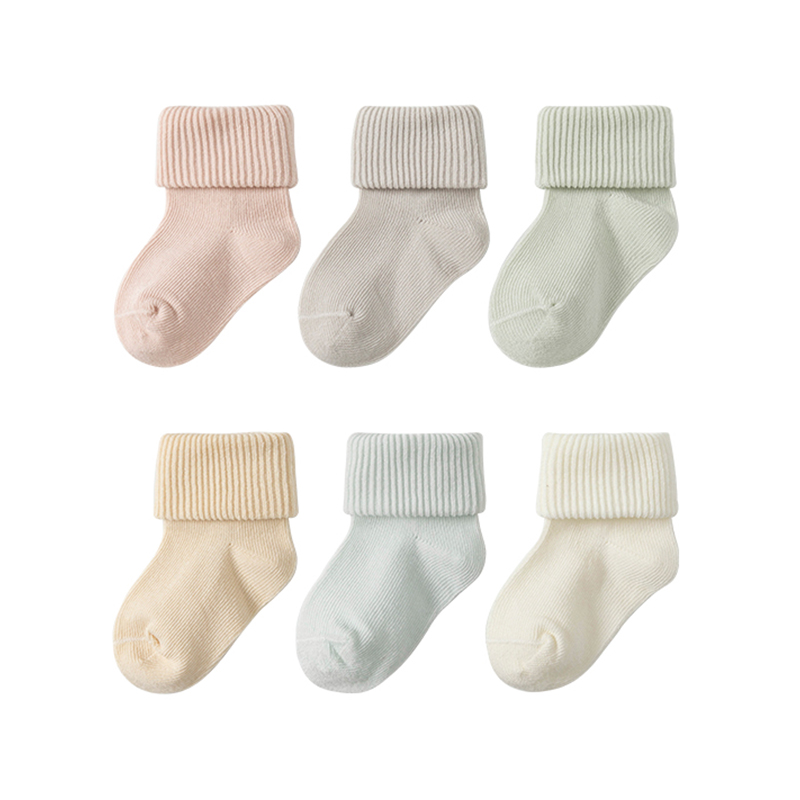
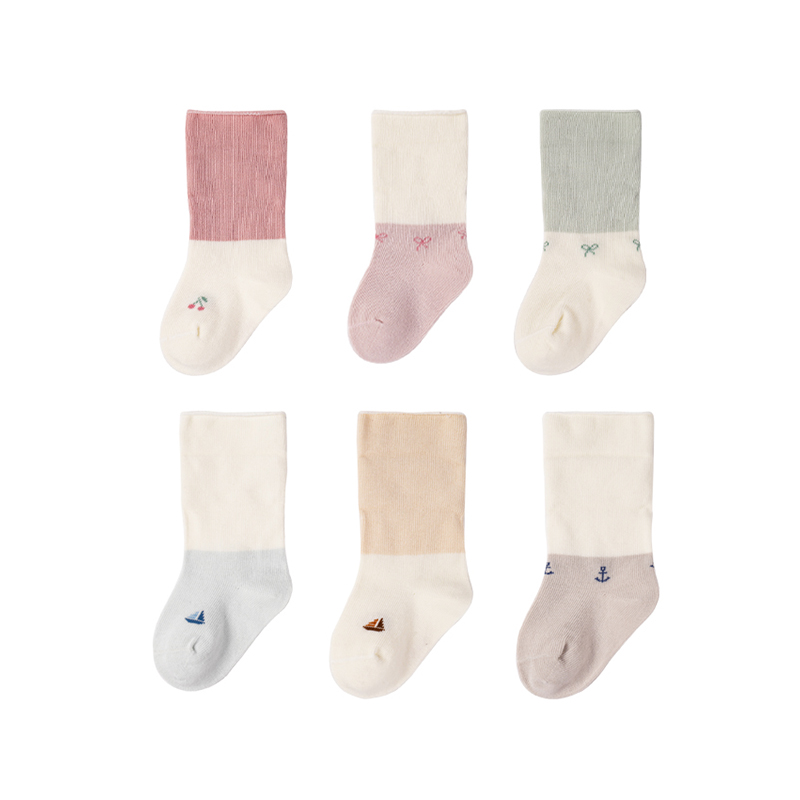
.jpg "Heather Stripe Ribbed Baby Classic Socks")
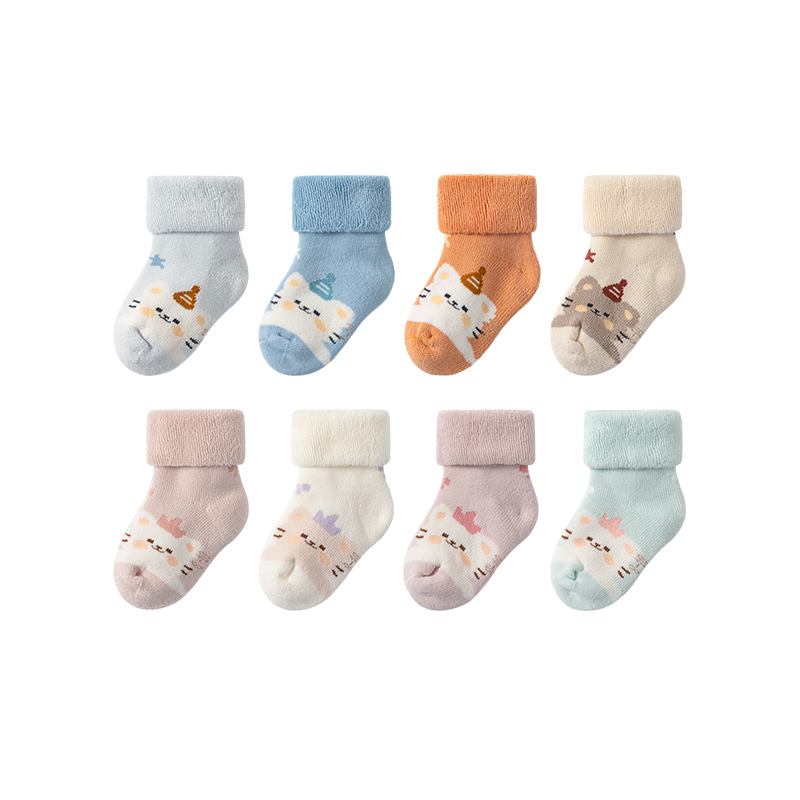
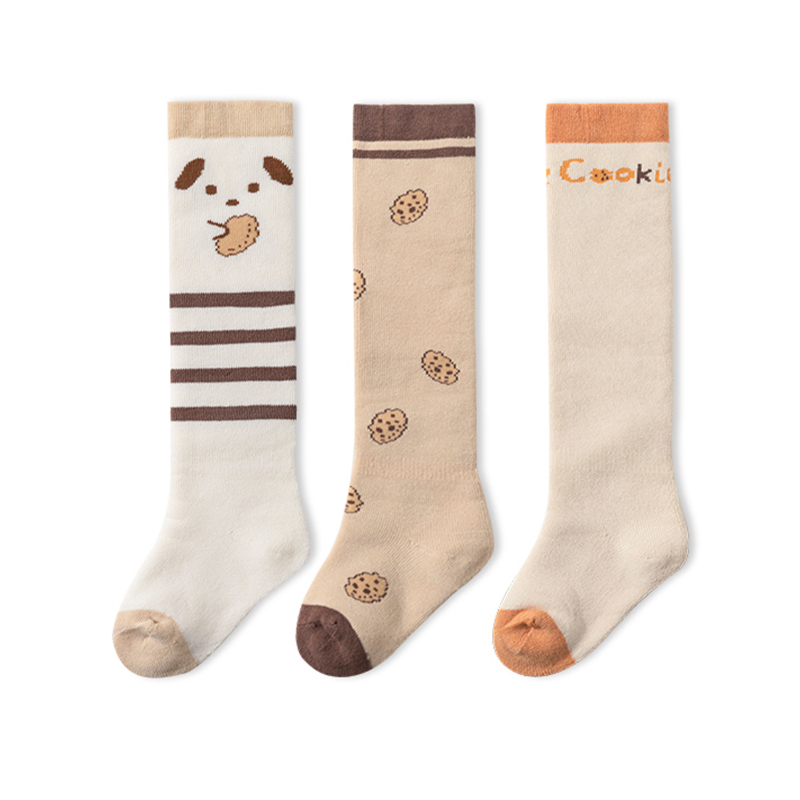
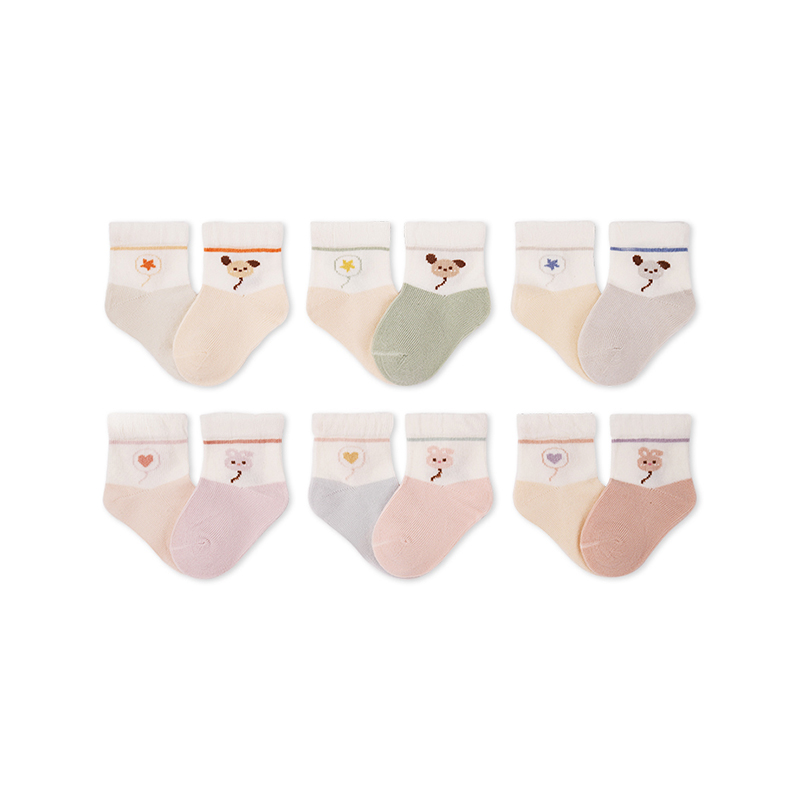
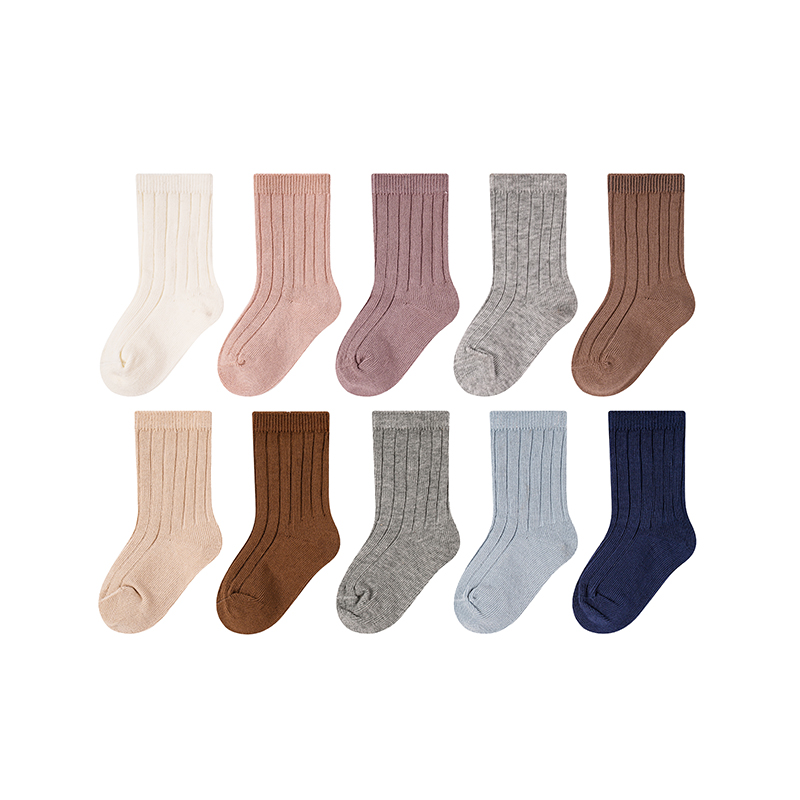
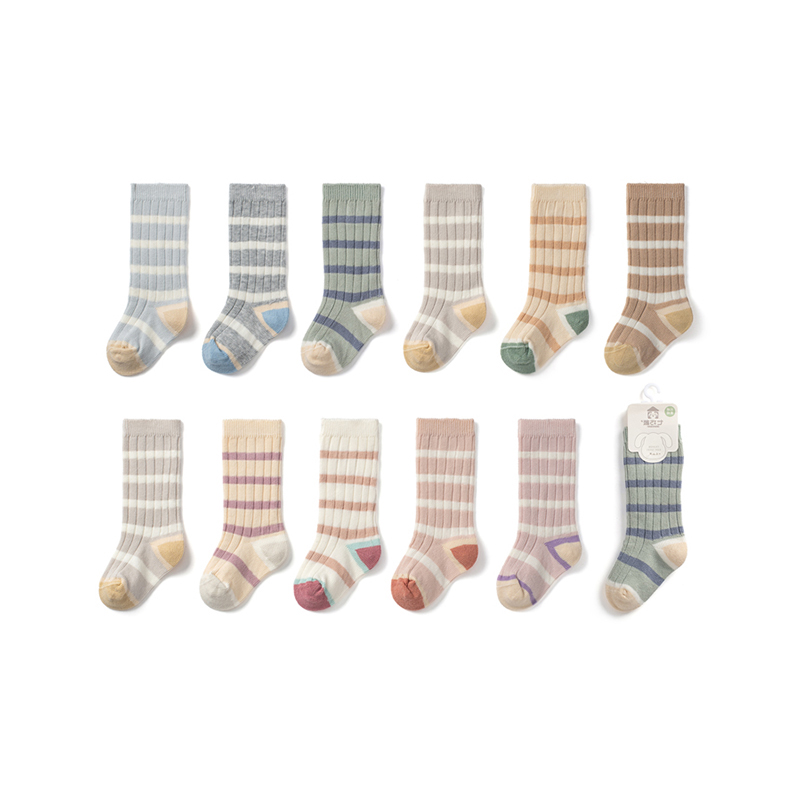
Sample Guide
See every detail in high definition.
No. 1222, Yinhai Road, Yiwu City, Zhejiang Province, China
Phone: +86-13735691188
Tel: +86-579-85531618
Fax: +86-579-81530188
Email: info@saintdesocks.com
Get In Touch
Feel Free To Contact Us
We will patiently and comprehensively answer your questions.

Best Custom Baby & kids Socks Manufacturer