 English
 русский
 Español
Feel Free To Contact Us
We will patiently and comprehensively answer your questions.
How to Choose Durable School Socks for Daily Wear?

Saintde's professional manufacturing solutions empower your premium product production.
School Socks are worn for long hours, five days a week, across classrooms, playgrounds, and sports fields. They are part of the daily uniform and must handle repeated washing, constant movement, and seasonal changes. Comfort and durability are not optional features; they are baseline expectations.
For brands and distributors, product consistency and stable production are equally important. A structured School Socks Manufacturer focuses not only on knitting quality but also on sizing accuracy, fabric durability, and controlled finishing processes.
Children's uniforms undergo frequent washing. Fabric deformation, color fading, and loose stitching are common concerns in low-grade socks.
High-quality School Socks are made from durable yarn blends that maintain shape after repeated laundry cycles. Controlled cotton content provides comfort and breathability, while synthetic fibers contribute to elasticity and structural recovery.
Shape retention is critical. Socks that stretch out after several washes create dissatisfaction and unnecessary replacement cycles. During production, knitting density and yarn tension are calibrated to stabilize dimensions.
A structured School Socks Manufacturer implements yarn inspection before knitting and conducts post-wash shrinkage testing during quality control. These processes reduce variation across batches and maintain consistency in long-term supply.
School life often includes organized sports such as football, track, and daily physical education classes. Regular socks may wear out quickly under such pressure.
School Socks designed for sports incorporate reinforced heels and toes. These high-friction areas face repeated stress from running, jumping, and directional changes. Additional yarn layering or denser knitting in these zones extends service life.
Knee-high football styles may also provide mild compression around the calf area. This design supports stability during movement without restricting circulation. Proper elasticity distribution is important; overly tight cuffs can cause discomfort, while loose cuffs slide down during play.
An experienced School Socks Manufacturer integrates reinforcement techniques during knitting rather than applying superficial adjustments later in the process.

Students may wear socks for eight hours or more each day. Prolonged sitting combined with walking between classes requires balanced breathability and softness.
School Socks made from skin-friendly materials help reduce irritation and moisture buildup. Breathable knitting structures allow airflow, while moisture absorption properties keep feet dry during active periods.
Toe seams are another overlooked detail. Smooth linking techniques reduce friction at the front of the foot, which is particularly important for younger students with sensitive skin.
From a manufacturing perspective, consistent seam finishing requires precise machinery calibration. A qualified School Socks Manufacturer maintains strict equipment monitoring to avoid uneven stitching.
Uniform compliance requires color stability. White, black, or navy tones must remain consistent across large production volumes.
Colorfastness testing evaluates how School Socks react to washing, friction, and sweat exposure. Dye control is not simply an aesthetic concern; fading or discoloration affects the overall uniform presentation.
Production facilities with modern dye management systems can maintain stable color batches. Standardized recipes and batch tracking reduce variation and simplify repeat orders.
Uniform socks are recurring products with stable demand. Continuous improvement in yarn technology, knitting precision, and finishing methods supports ongoing competitiveness.
School environments demand resilience, comfort, and uniform consistency. When material selection, reinforcement design, and controlled manufacturing processes are aligned, School Socks can meet the daily demands of school life while maintaining reliable production standards.
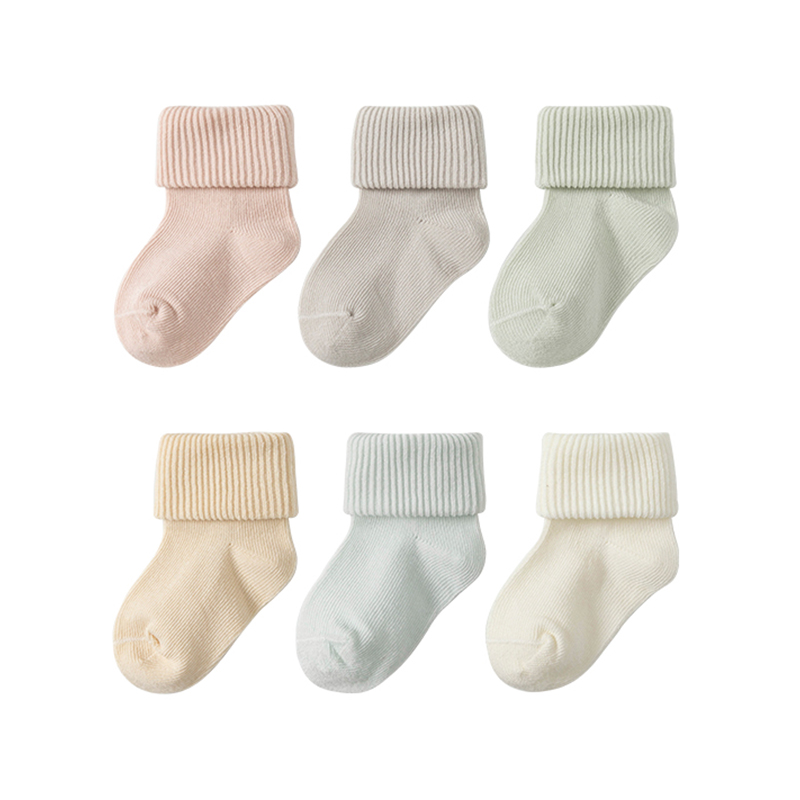
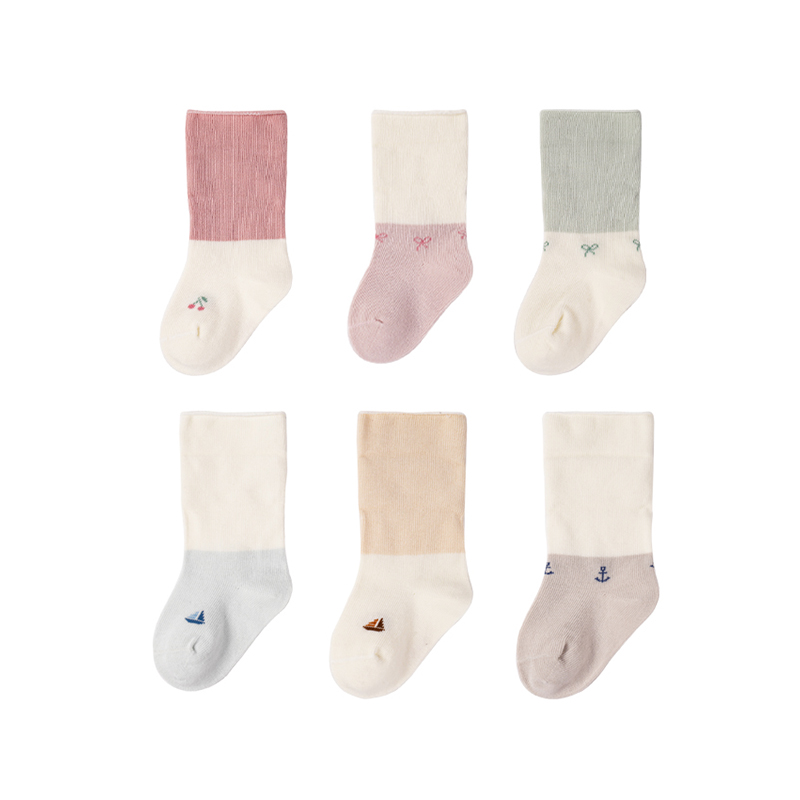
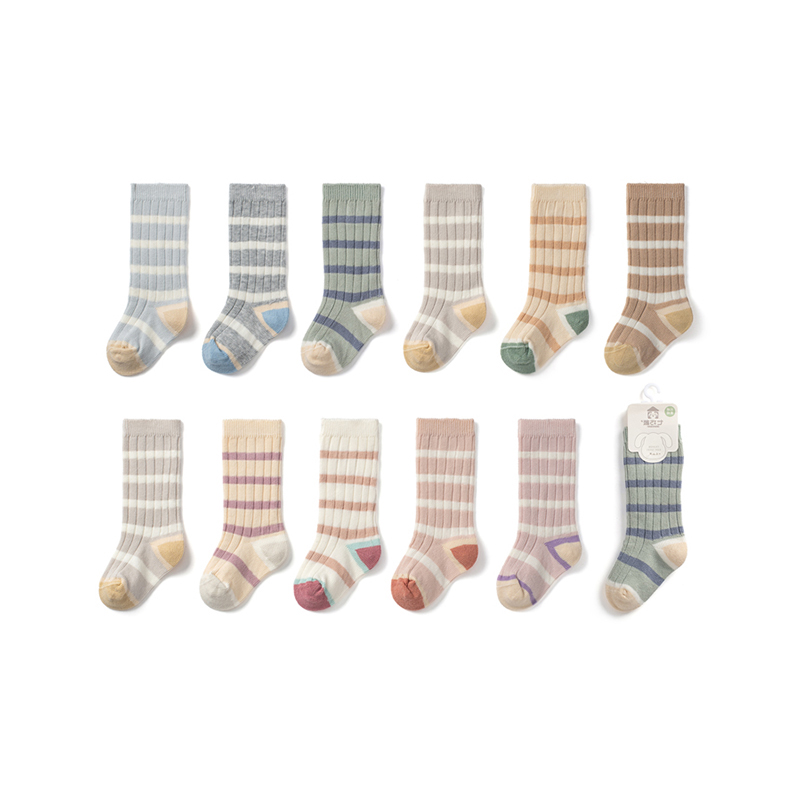
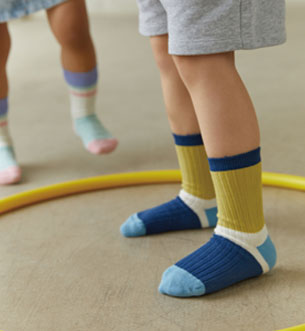
.jpg "Heather Stripe Ribbed Baby Classic Socks")
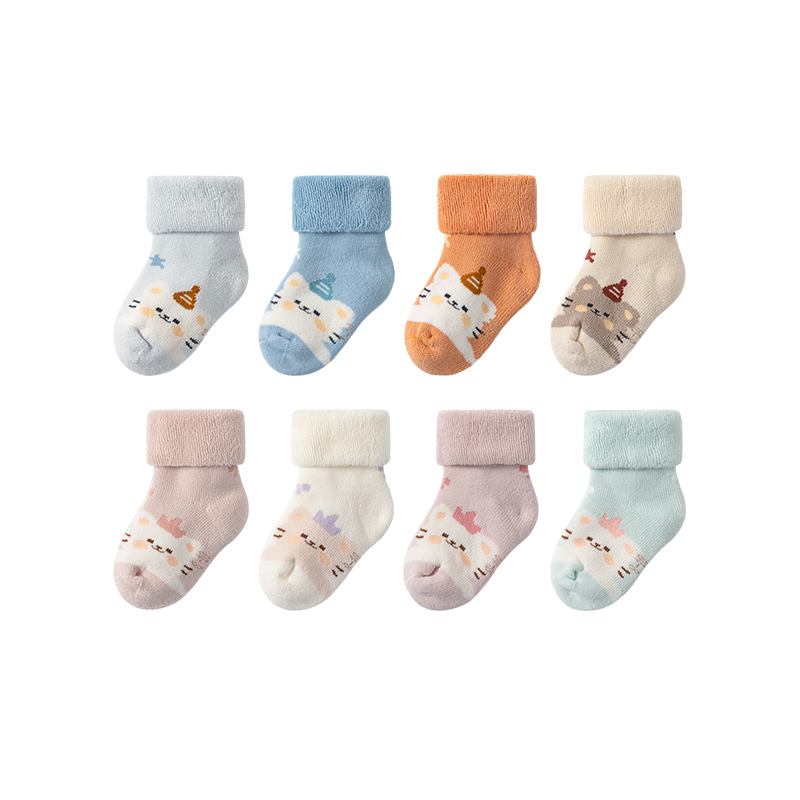
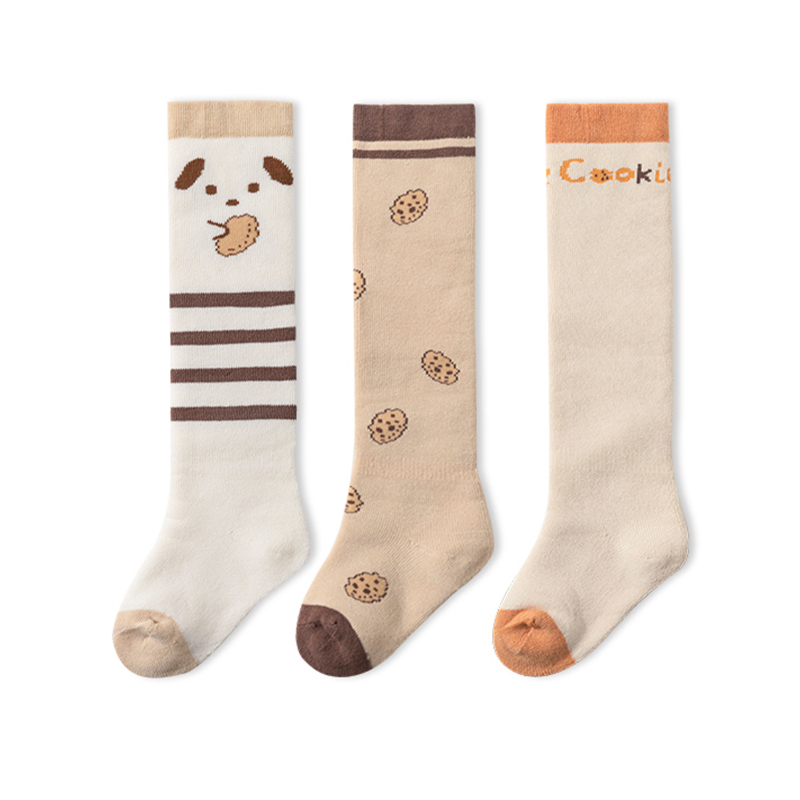
Sample Guide
See every detail in high definition.
No. 1222, Yinhai Road, Yiwu City, Zhejiang Province, China
Phone: +86-13735691188
Tel: +86-579-85531618
Fax: +86-579-81530188
Email: info@saintdesocks.com
Get In Touch
Feel Free To Contact Us
We will patiently and comprehensively answer your questions.

Best Custom Baby & kids Socks Manufacturer