 English
 русский
 Español
Feel Free To Contact Us
We will patiently and comprehensively answer your questions.
How to Choose Kids' Socks for Different Age Groups?

Saintde's professional manufacturing solutions empower your premium product production.
Kid Socks play a quiet but essential role in children's daily routines. From early school mornings to playground activities and weekend sports, socks are worn for long hours and face constant movement. Parents expect comfort, durability, and skin-friendly materials. Retailers and distributors look for stable supply, consistent sizing, and reliable quality standards from a professional Kid Socks Manufacturer.
Understanding these expectations requires attention to both product design and manufacturing processes. Age segmentation, fabric selection, reinforcement structure, and pattern development all shape how Kid Socks perform in real life.
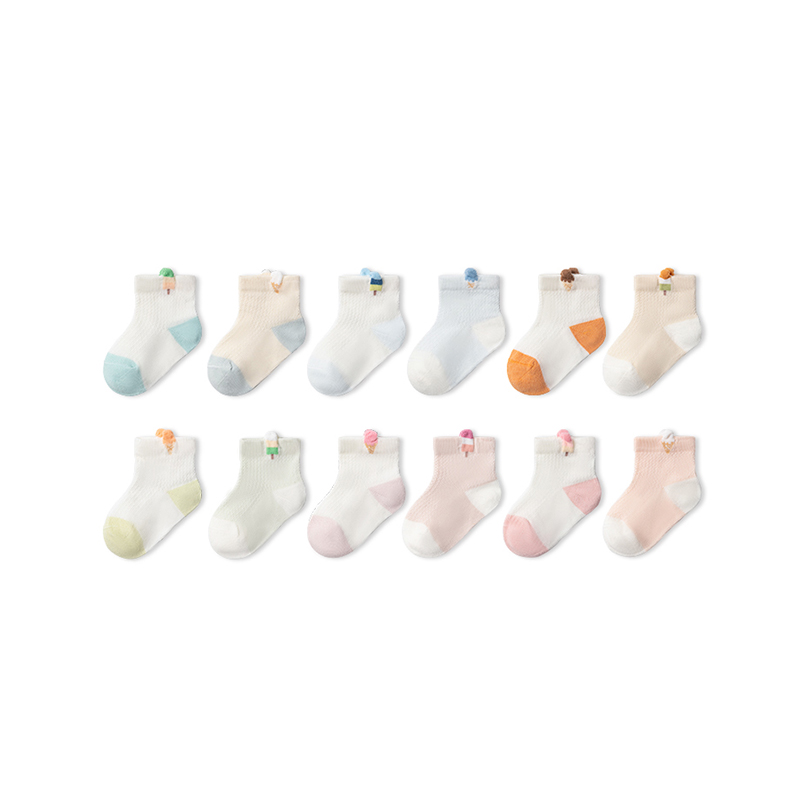
Children rarely stay still. Sweat control and temperature balance directly affect wearing comfort. Breathability is especially important during spring and summer, while moderate warmth is necessary in autumn and winter.
Kid Socks made from skin-friendly, high-quality yarns help regulate moisture. Cotton blends with controlled elasticity allow airflow while maintaining shape. Moisture absorption supports dry feet during long school hours or outdoor activities.
In colder months, slightly thicker constructions can offer warmth without restricting movement. The goal is balance: not too thin for daily wear, not too thick for indoor use. An experienced Kid Socks Manufacturer manages yarn sourcing and knitting parameters to maintain consistent fabric performance across seasonal collections.
Active lifestyles place stress on specific zones of socks. Friction at the heel during walking and toe impact during running are common wear points.
Reinforced heel and toe construction strengthens these high-pressure areas. This can involve denser knitting, additional yarn layering, or abrasion-resistant blending. The result is longer-lasting Kid Socks that tolerate school activities, sports training, and playground use.
Without reinforcement, early fabric thinning or holes can occur, affecting product reputation. A reliable Kid Socks Manufacturer integrates reinforcement techniques during the knitting stage rather than treating durability as an afterthought.
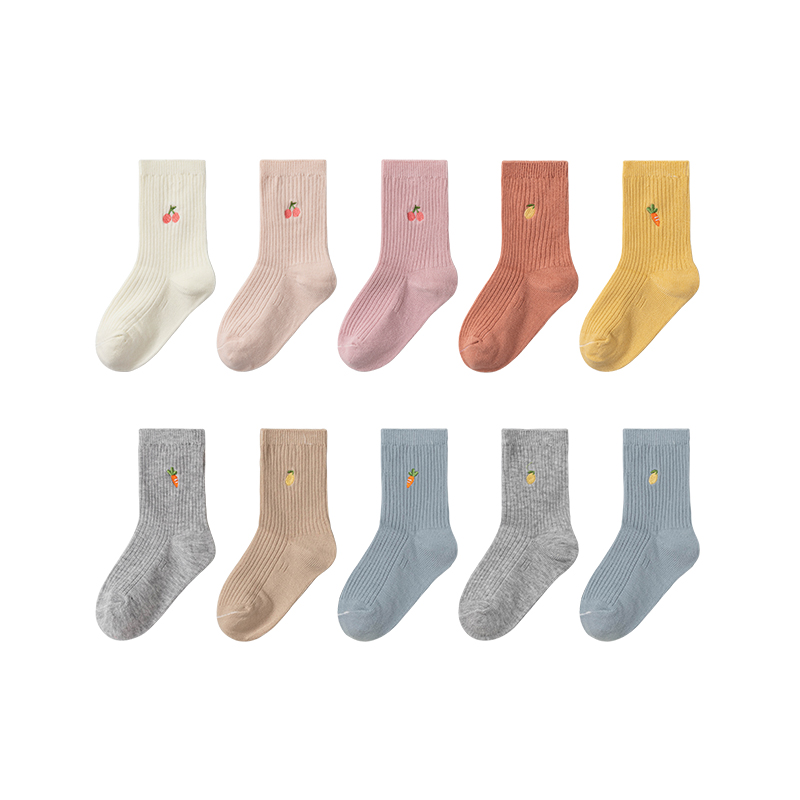
Elastic performance is not only about stretch; it is about recovery and structure. Children frequently remove and put on shoes, which can deform low-quality socks.
Properly engineered Kid Socks provide stable elasticity around the cuff and mid-foot. This keeps socks in position without causing tight marks on the skin. Controlled compression around the arch can also support natural foot development, especially in growing age groups.
Manufacturing consistency is key. Uneven elastic yarn tension may cause sizing deviations. A structured quality inspection system inside a Kid Socks Manufacturer helps maintain uniform stretch ratios batch after batch.
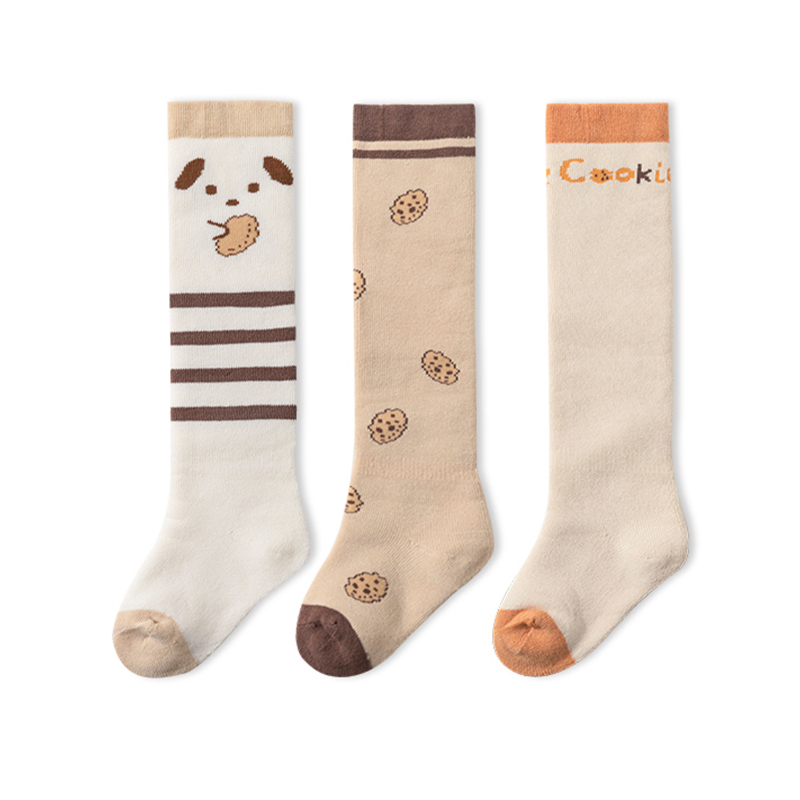
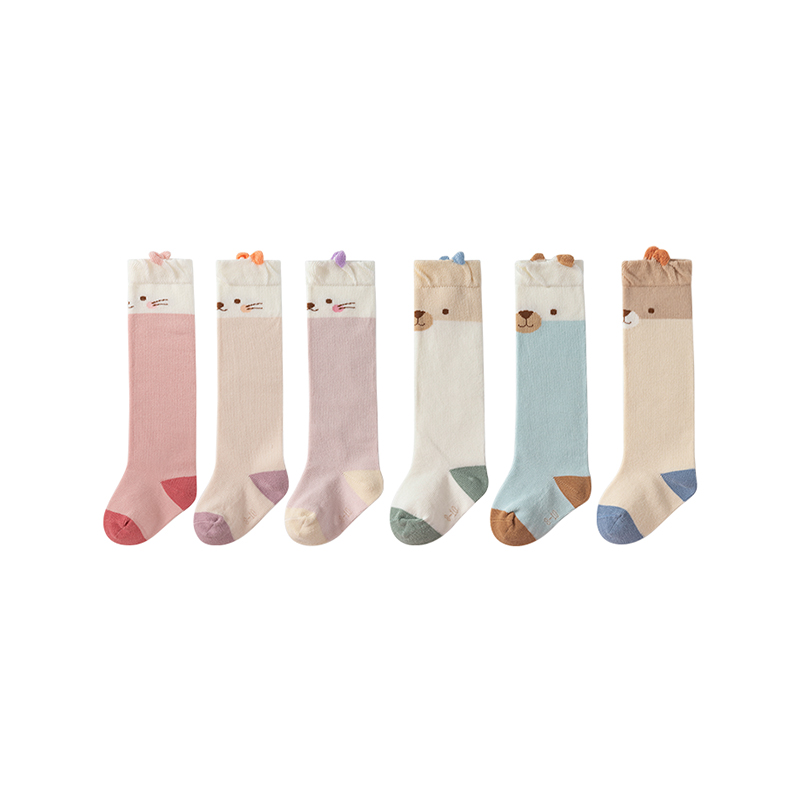
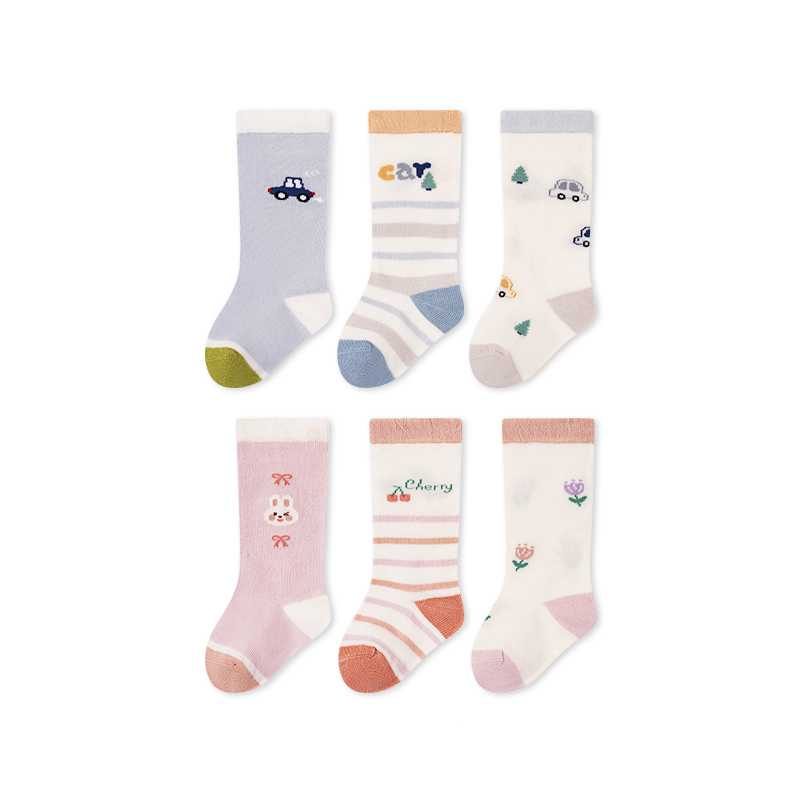
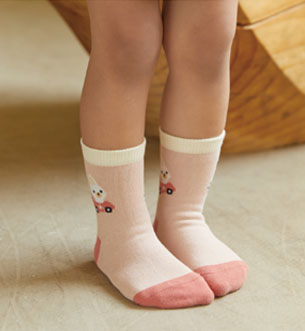
Children are drawn to visual expression. Bright colors, playful patterns, and character-inspired graphics increase product appeal in retail displays.
However, aesthetics must align with technical feasibility. Complex patterns require precise jacquard knitting control. Colorfastness matters because frequent washing is unavoidable.
Kid Socks should retain pattern clarity after multiple laundry cycles. A responsible Kid Socks Manufacturer tests dye stability and monitors yarn quality to avoid fading or distortion.
At the same time, overcomplicated designs can impact production efficiency. Balanced design planning supports both creativity and scalability.
Sustainable product lines require more than seasonal design changes. Continuous material optimization, improved knitting techniques, and pattern innovation support long-term growth.
Kid Socks represent a combination of textile engineering, child-focused design, and disciplined manufacturing management. When sizing precision, fabric comfort, reinforcement structure, and visual appeal are aligned, the result is a product suited for everyday movement and long wear cycles.
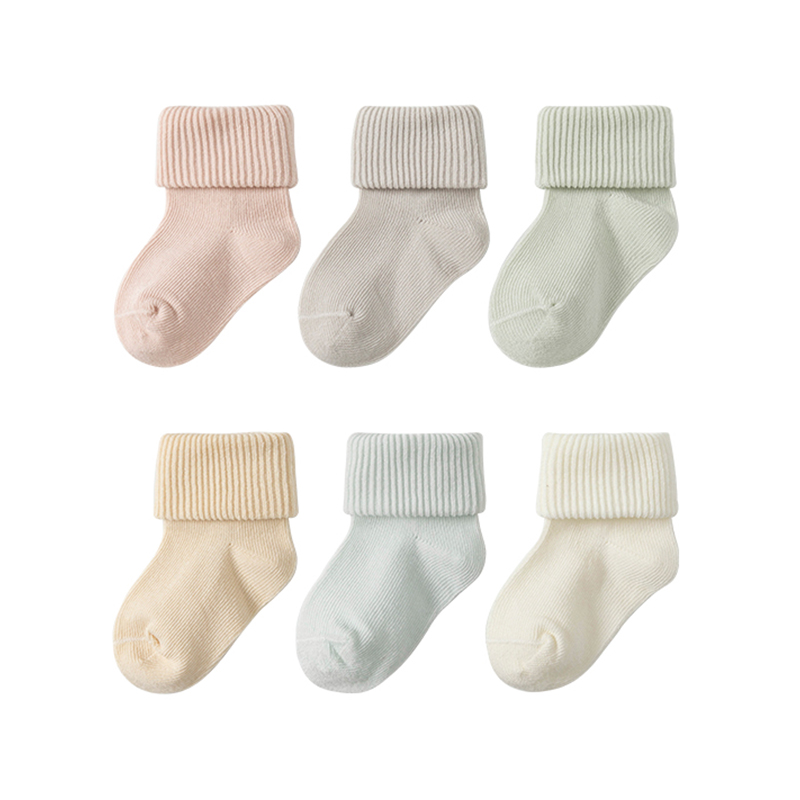
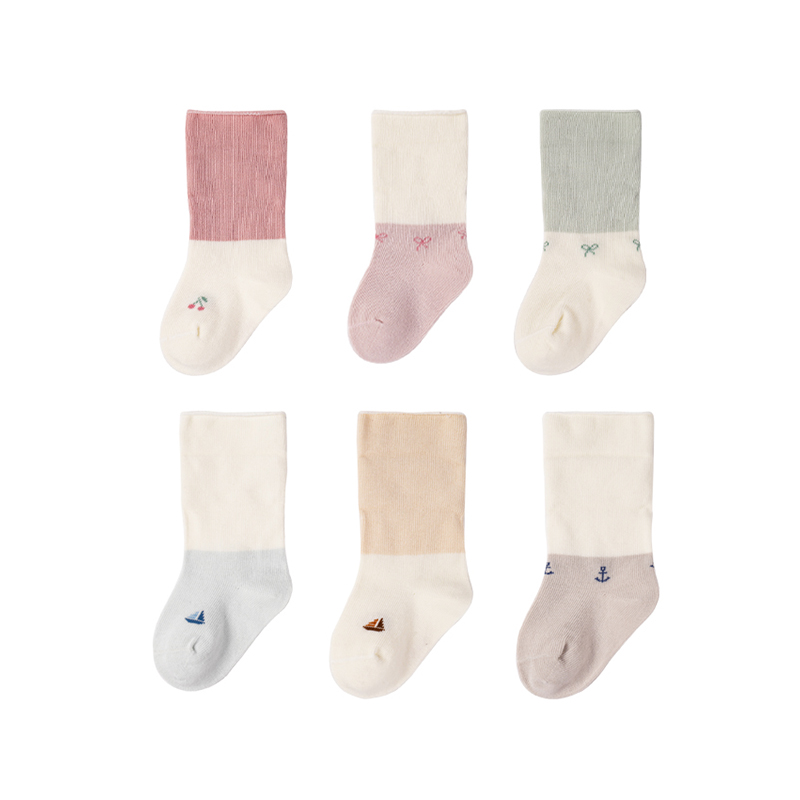
.jpg "Heather Stripe Ribbed Baby Classic Socks")
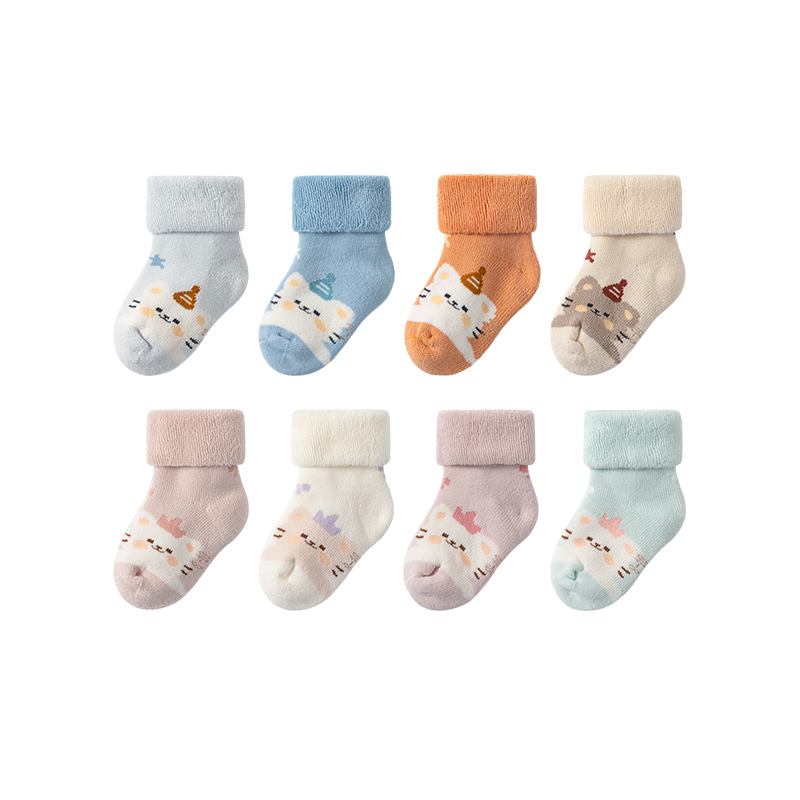
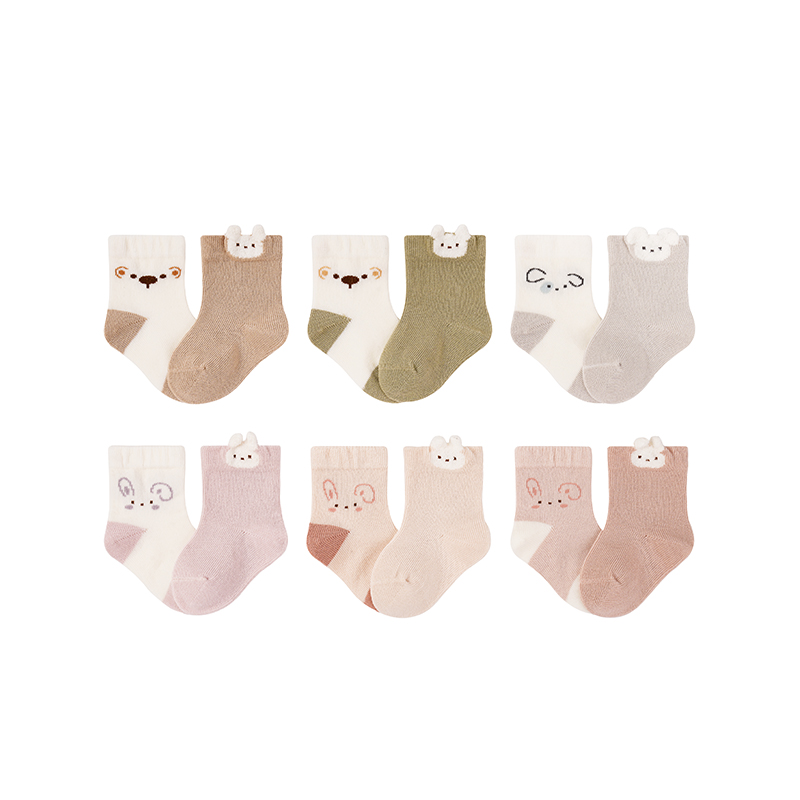
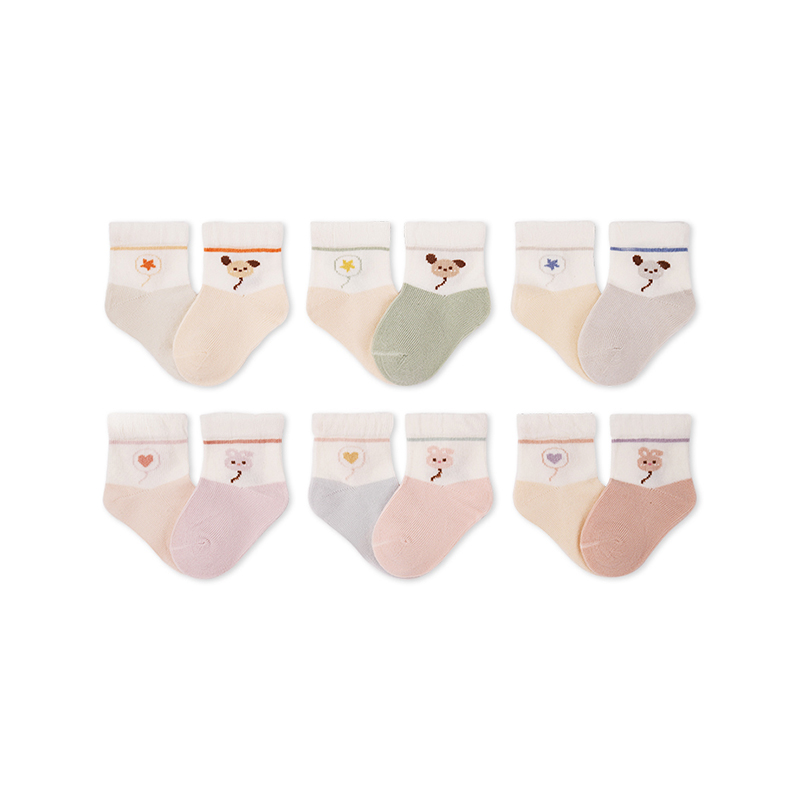
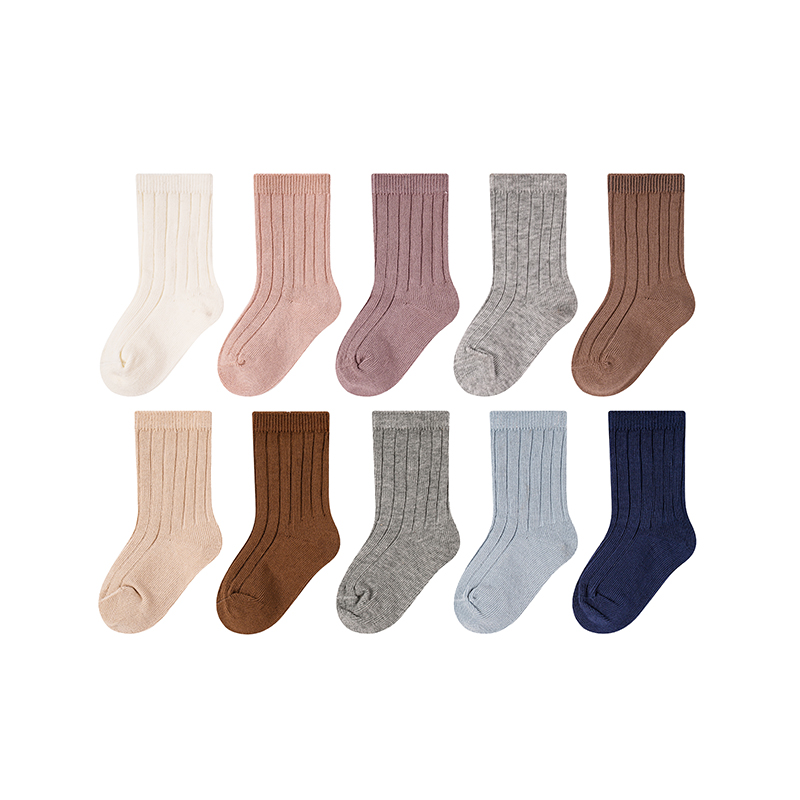
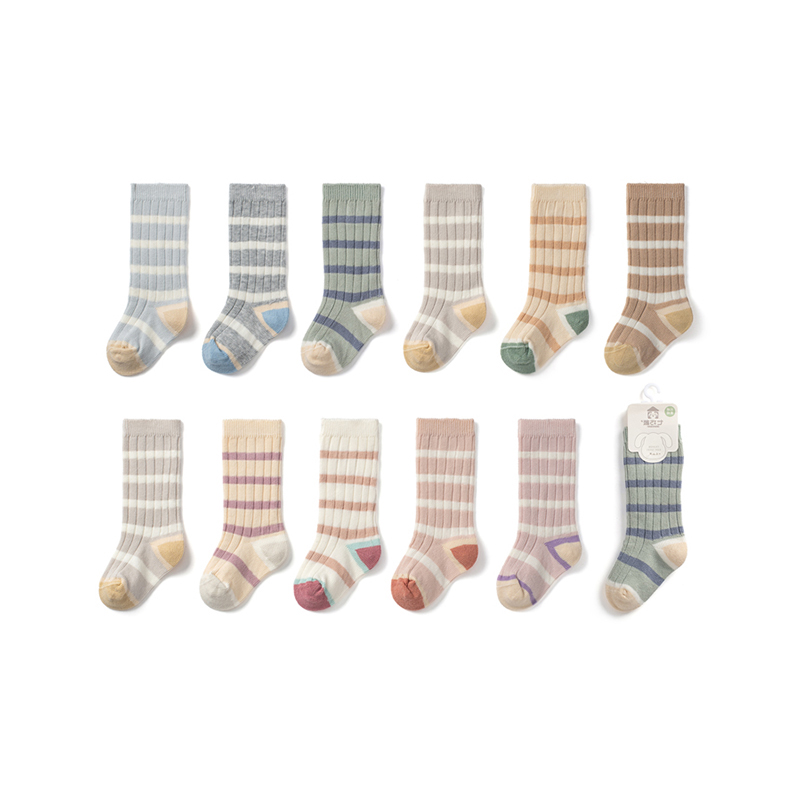
Sample Guide
See every detail in high definition.
No. 1222, Yinhai Road, Yiwu City, Zhejiang Province, China
Phone: +86-13735691188
Tel: +86-579-85531618
Fax: +86-579-81530188
Email: info@saintdesocks.com
Get In Touch
Feel Free To Contact Us
We will patiently and comprehensively answer your questions.

Best Custom Baby & kids Socks Manufacturer