 English
 русский
 Español
Feel Free To Contact Us
We will patiently and comprehensively answer your questions.
How Do Athletic Socks Help Manage Moisture and Sweat?

Saintde's professional manufacturing solutions empower your premium product production.
Athletic socks are more than just standard foot coverings; they are engineered to support comfort during physical activity. Unlike casual socks, athletic models are designed with cushioning in critical zones such as the heel and ball of the foot. This padding reduces impact during running, jumping, or other vigorous movements.
Additionally, strategic stretch zones in the arch and top of the foot keep the sock snug without restricting blood flow. This prevents bunching and slipping, which can distract athletes and even cause blisters. Athletic socks provide a glove-like fit, allowing the foot to move naturally while remaining supported.

The choice of materials defines the performance of athletic socks. Manufacturers often use cotton blends for softness, polyester for durability and moisture-wicking, nylon for added strength, or wool for temperature regulation. Some socks incorporate mesh zones to improve airflow and keep feet dry.
These materials are selected not only for comfort but also to withstand repetitive movement inside athletic shoes. A reputable Athletic Socks Manufacturer will often experiment with fiber blends to achieve the right balance between softness, resilience, and breathability.
Youth athletes have different requirements than adults, which affects sock design. Athletic Socks Manufacturers carefully measure dimensions for various age groups, adjusting cuff height, leg length, and foot width. Contoured knitting for left and right feet ensures a better fit, while seamless or flat-toe closure reduces irritation for sensitive skin.
Customization also extends to cushioning placement. High-impact areas receive extra padding, while lower-pressure zones are thinner for flexibility. This attention to detail allows young athletes to stay comfortable and focused during activity.
High wear areas like heels and toes face constant friction against shoes. Reinforced stitching or double-layer yarn helps these zones resist abrasion and extend the sock's lifespan. Reinforcement also provides additional support, reducing the chance of discomfort or blisters during repeated movement.
Even with reinforcement, modern athletic socks maintain flexibility in other areas, allowing for natural foot motion while protecting key points.
Sweaty feet can cause discomfort and skin issues. Athletic socks typically use moisture-wicking fibers that draw sweat away from the skin to the outer layer of the sock. Mesh ventilation zones further enhance airflow, creating a drier, cooler environment inside the shoe.
This feature is especially important for young athletes, whose feet sweat more during sports. Proper moisture management reduces friction, limits odor, and keeps performance consistent.
Modern athletic socks focus on fit, cushioning, and breathability. Elasticized cuffs prevent slipping, while contoured knitting at the heel and arch ensures a secure, natural fit. Toe seams are minimized or flat to avoid irritation, and high-stress areas are reinforced for durability.
Some manufacturers also offer compression zones to improve circulation and support the arch. A knowledgeable Athletic Socks Manufacturer will combine these features in a single design to meet both comfort and performance needs.
.jpg)
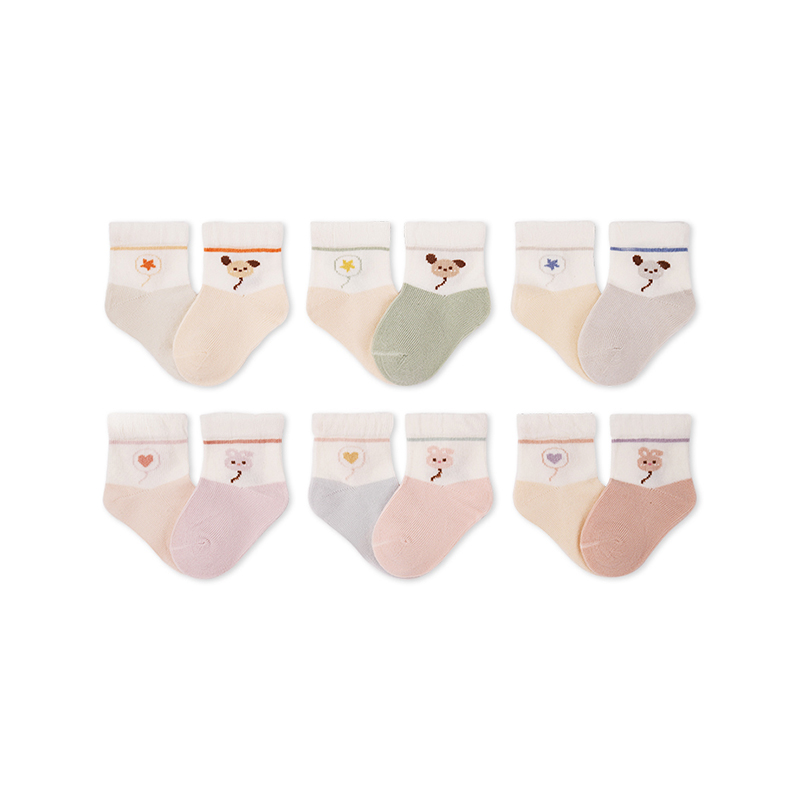
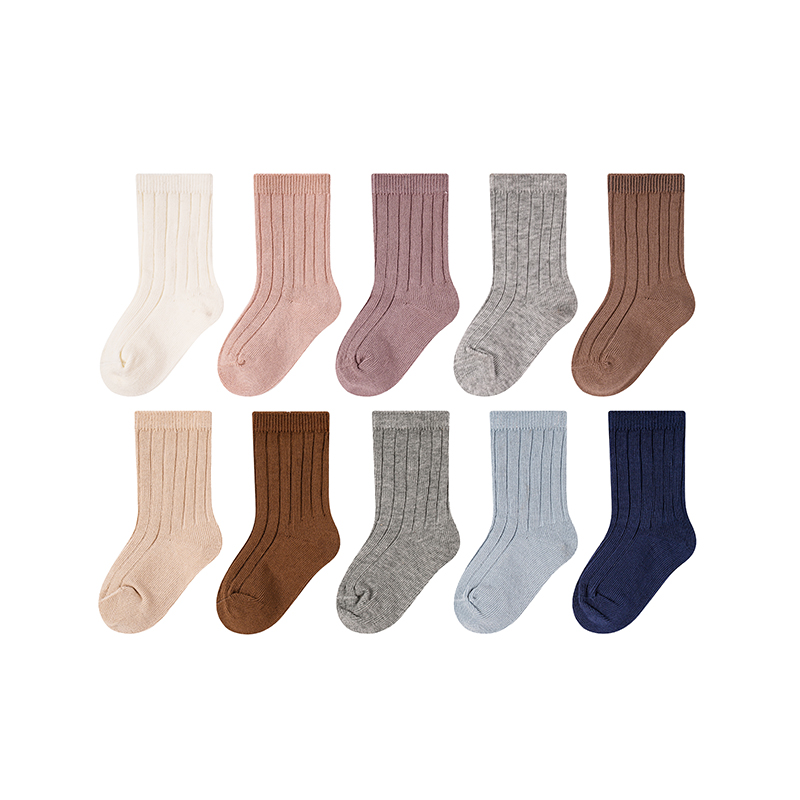
Youth socks are grouped by age, foot length, or shoe size. Retailers often sell them in sets with multiple pairs for convenience. Sets may be color-coordinated or themed to allow mix-and-match while keeping organization simple.
Sizing precision is crucial. Athletic socks are knitted to specific foot dimensions and undergo quality checks to ensure a consistent fit. This attention to sizing helps young athletes avoid blisters, slippage, or discomfort.
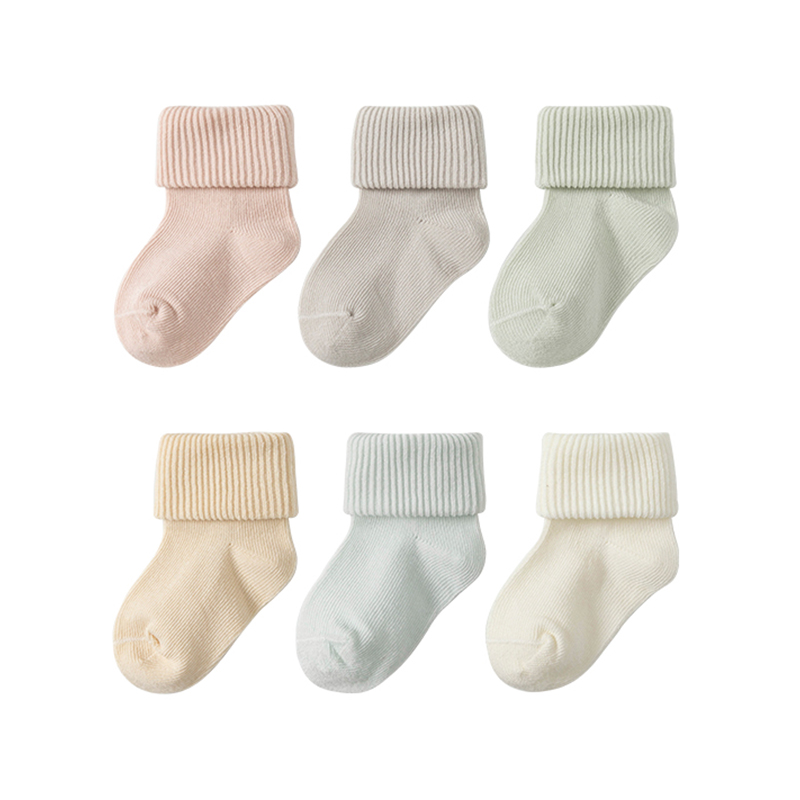
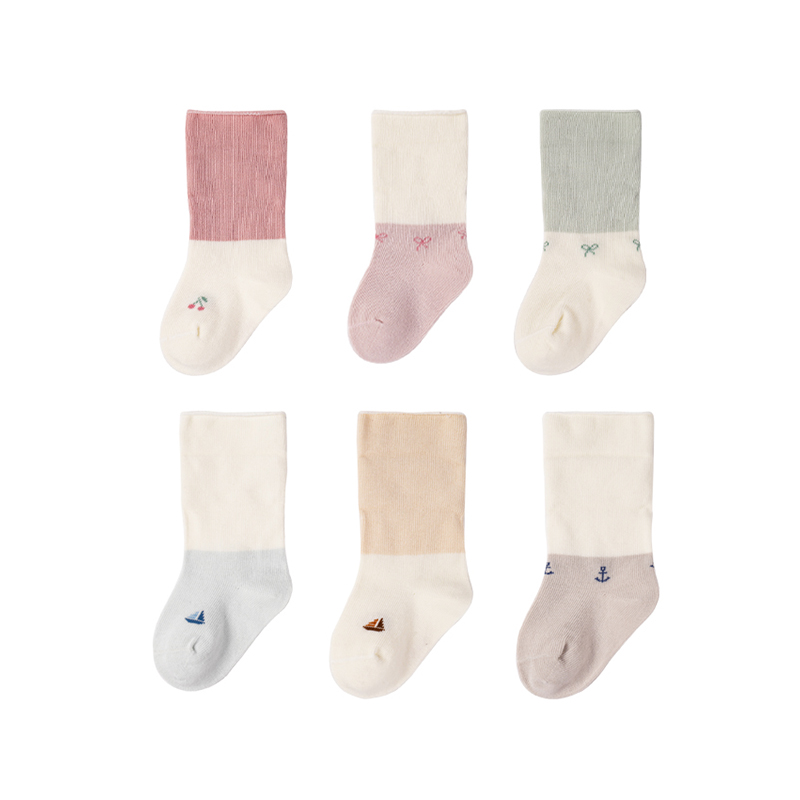
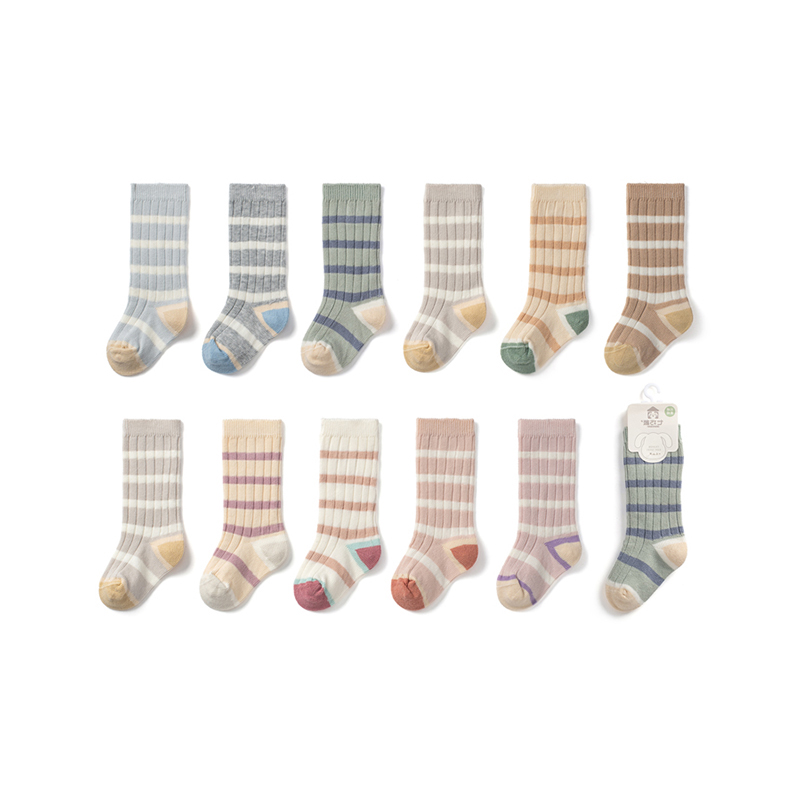
.jpg "Heather Stripe Ribbed Baby Classic Socks")
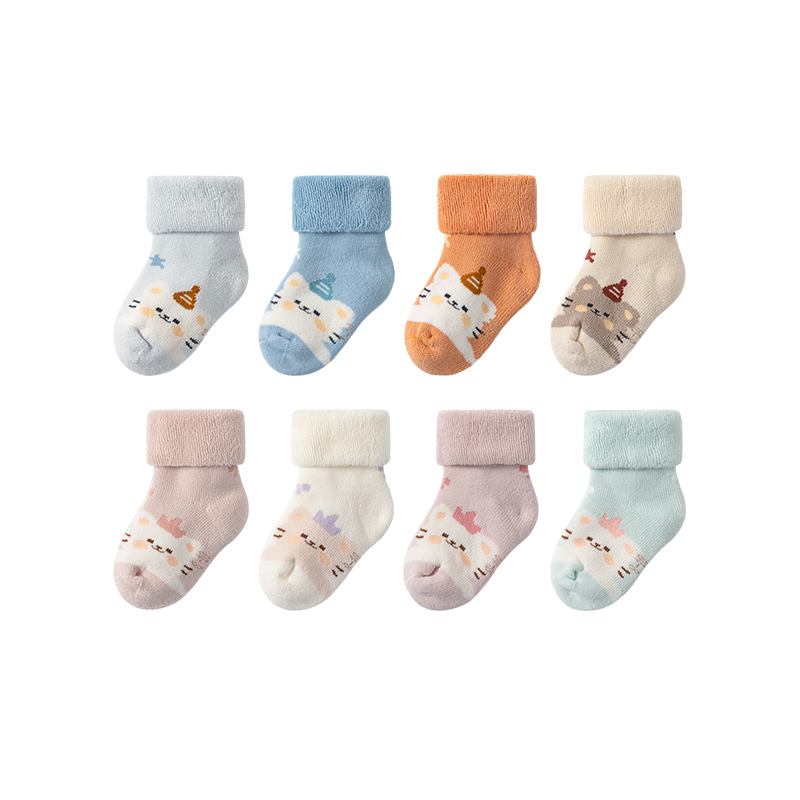
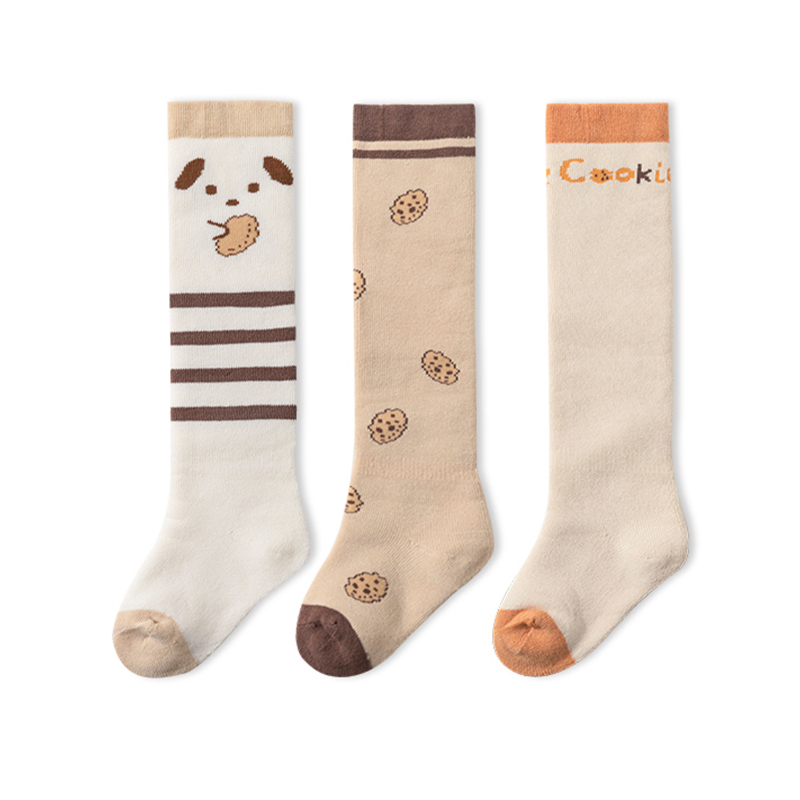
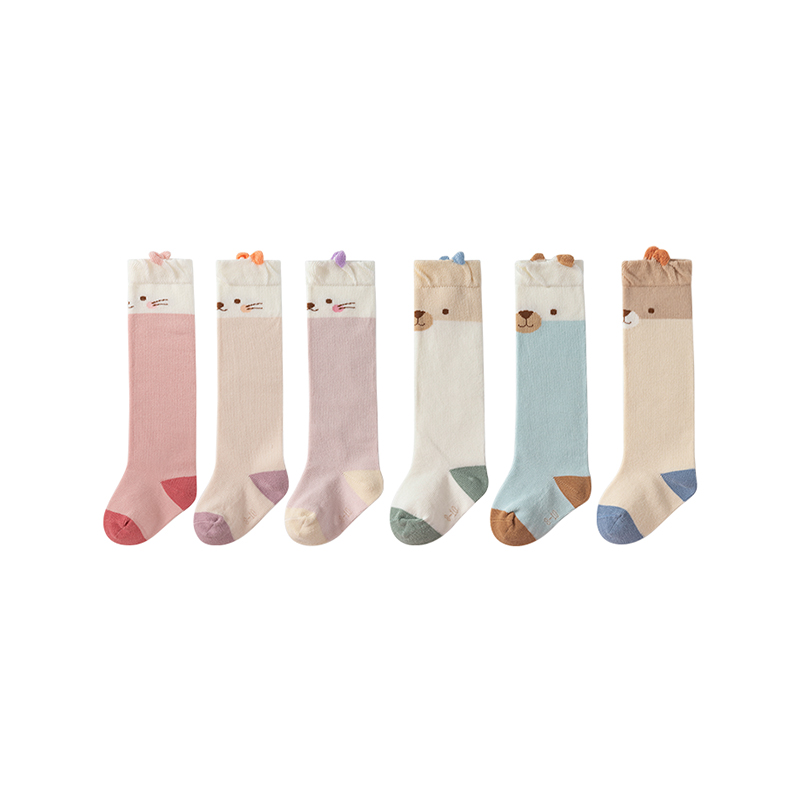
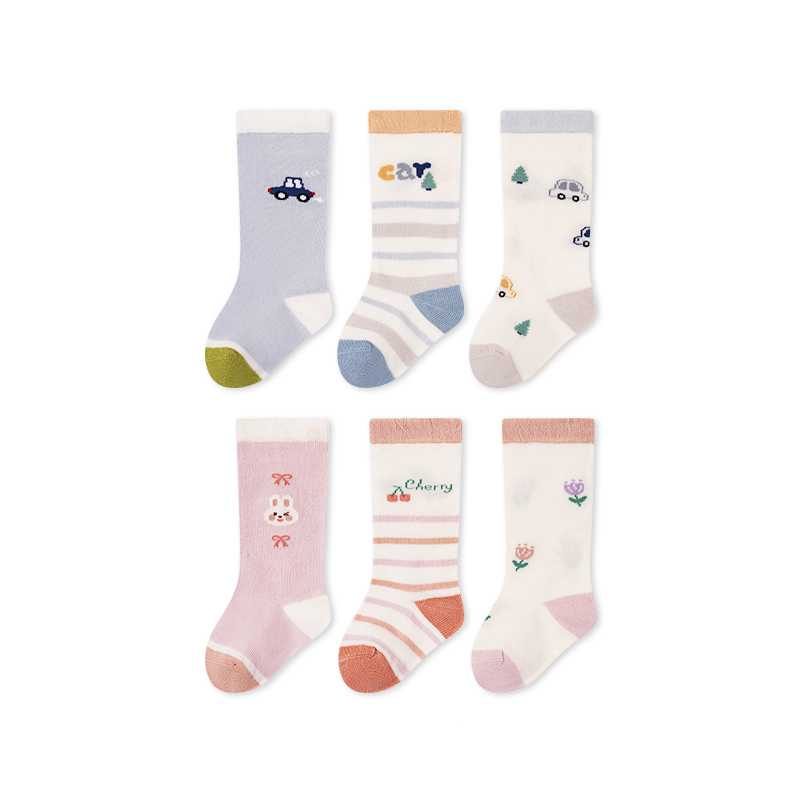
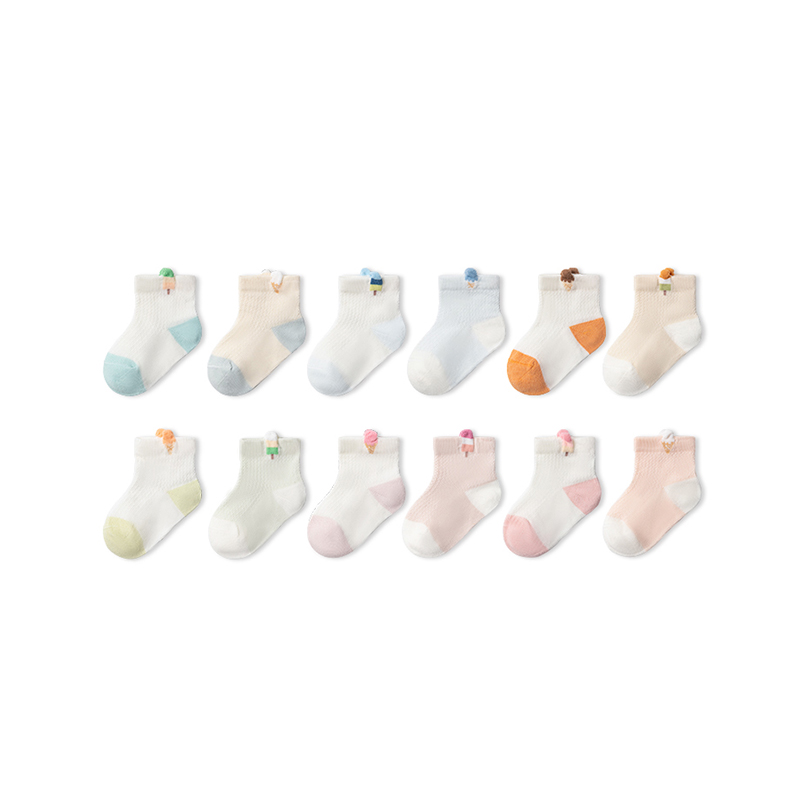
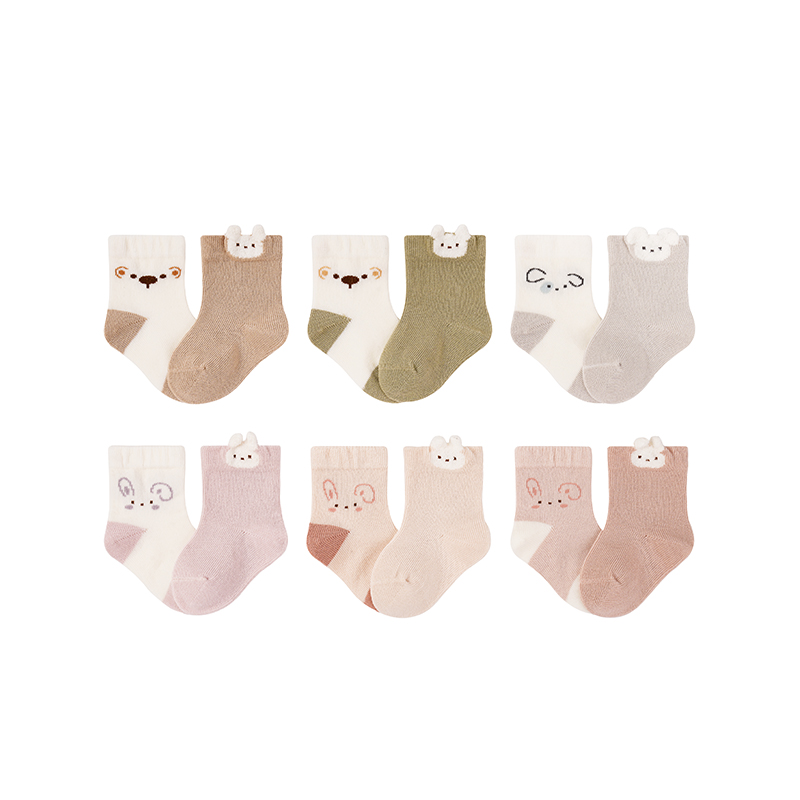
Sample Guide
See every detail in high definition.
No. 1222, Yinhai Road, Yiwu City, Zhejiang Province, China
Phone: +86-13735691188
Tel: +86-579-85531618
Fax: +86-579-81530188
Email: info@saintdesocks.com
Get In Touch
Feel Free To Contact Us
We will patiently and comprehensively answer your questions.

Best Custom Baby & kids Socks Manufacturer