 English
 русский
 Español
Feel Free To Contact Us
We will patiently and comprehensively answer your questions.
How Do Youth Socks Balance Comfort and Durability?

Saintde's professional manufacturing solutions empower your premium product production.
Youth Socks sit between infant socks and adult socks, both in size and functional expectations. At this stage, feet grow quickly, activity levels increase, and socks are worn for longer hours during school, sports, and casual use. These realities shape how Youth Socks are designed and manufactured.
From a factory viewpoint, Youth Socks must maintain consistent sizing, withstand repeated washing, and remain comfortable during movement. A professional Youth Socks Manufacturer focuses on balancing structure and softness rather than prioritizing decoration alone.
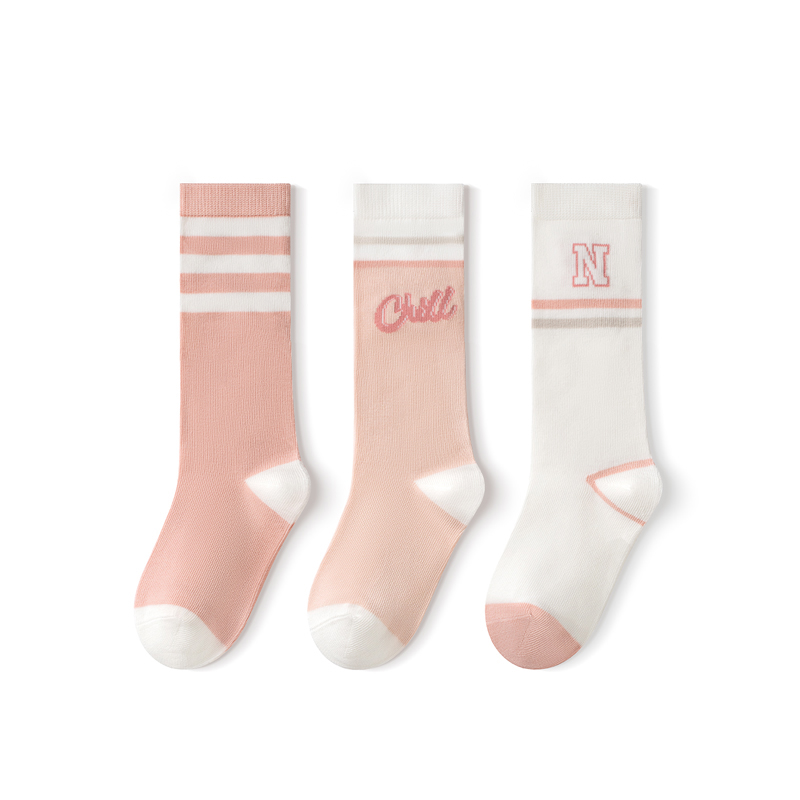
The production of Youth Socks begins with technical design. Dimensions are defined for specific age ranges, accounting for foot length, ankle height, and leg circumference. Stitch density, yarn count, and elastic placement are mapped out to support fit consistency across production batches.
This blueprint guides every later step, helping a Youth Socks Manufacturer maintain uniformity across thousands of pairs.
Matching Fiber to Function
Different fibers serve different purposes in Youth Socks. Cotton is widely used for its soft feel and breathability, making it suitable for daily wear. Polyester and nylon are often blended to improve durability and moisture handling. Wool may appear in certain styles designed for cooler conditions.
Before knitting, yarns are wound onto cones and tested for strength and uniform thickness. This preparation helps reduce defects during machine operation.
Modern Youth Socks are knitted using computerized machines equipped with hundreds of fine needles. These machines follow digital patterns to create each section of the sock in sequence, starting with the cuff, then the leg, heel, foot, and toe.
Reinforced heel pockets and shaped gussets are engineered during knitting to create a three-dimensional fit. This structure allows the sock to follow the natural contours of the foot rather than sitting flat.
For Youth Socks that are not seamless, the toe area is closed using linking machines. This process creates a flat seam that reduces friction during walking or running. Smooth toe construction is particularly important as activity levels increase and socks are worn inside shoes for long periods.
After knitting, Youth Socks are washed to remove residual oils from yarn processing. Dyeing may follow, depending on whether pre-dyed yarns were used. Socks are then steamed over foot-shaped forms in a process known as boarding. Boarding helps set the final shape and size while giving socks a uniform appearance.
.jpg)
These steps contribute to stable sizing and appearance across multiple wash cycles.
Athletic Youth Socks are designed for sports and high movement. Synthetic fibers such as polyester and nylon are commonly used because they move moisture away from the skin. Mesh zones may be knitted into specific areas to improve airflow.
This construction helps keep feet drier during extended activity, reducing discomfort caused by damp fabric inside shoes.
Unlike casual styles, athletic Youth Socks often feature extra cushioning in the heel and forefoot. These zones absorb repeated impact during running or jumping. Reinforced stitching in the toe and heel improves wear resistance where friction is highest.
A capable Youth Socks Manufacturer adjusts knitting density across different sections of the sock to achieve this balance.
Youth Socks must stay in place without bunching or sliding. Elasticized cuffs and contoured arch areas help maintain position during movement. Some designs incorporate left-and-right foot shaping, allowing the sock to follow foot contours more closely.
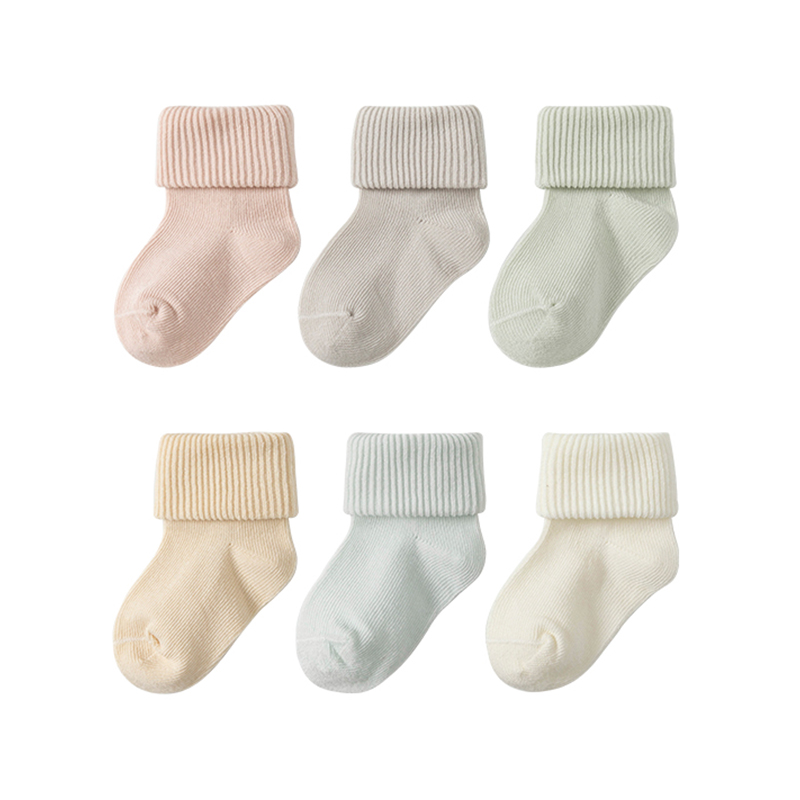
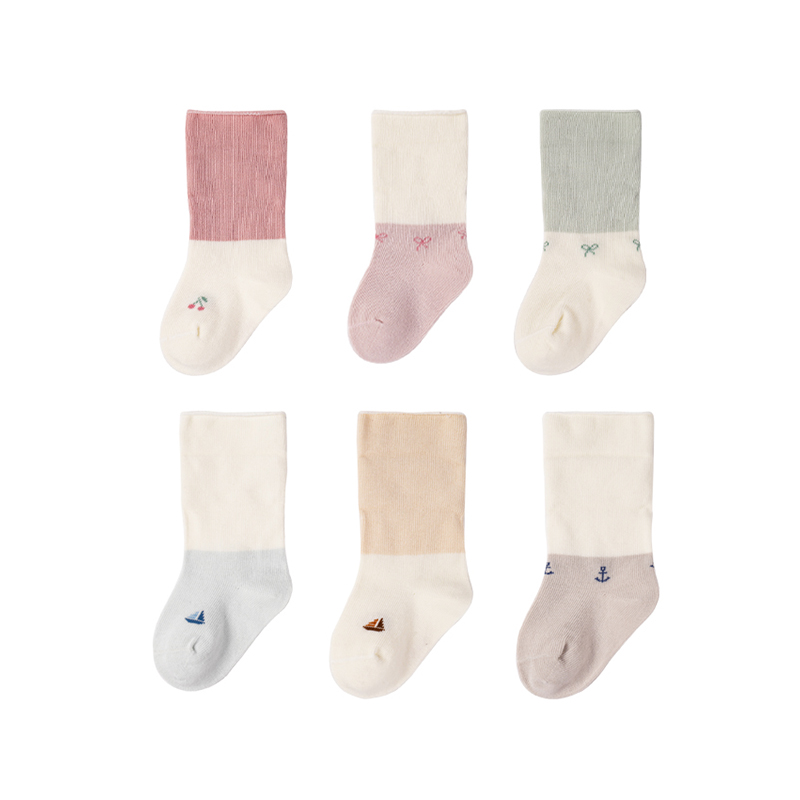
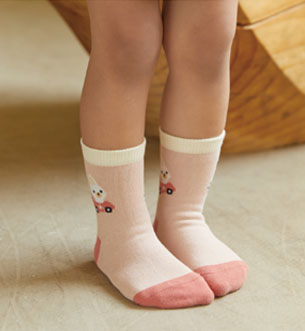
.jpg "Heather Stripe Ribbed Baby Classic Socks")
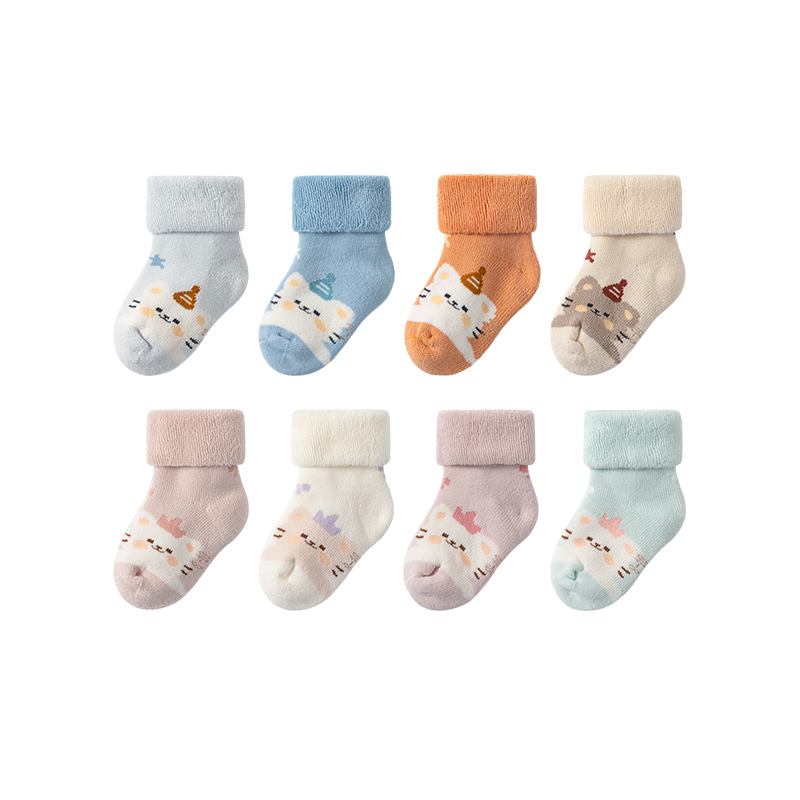
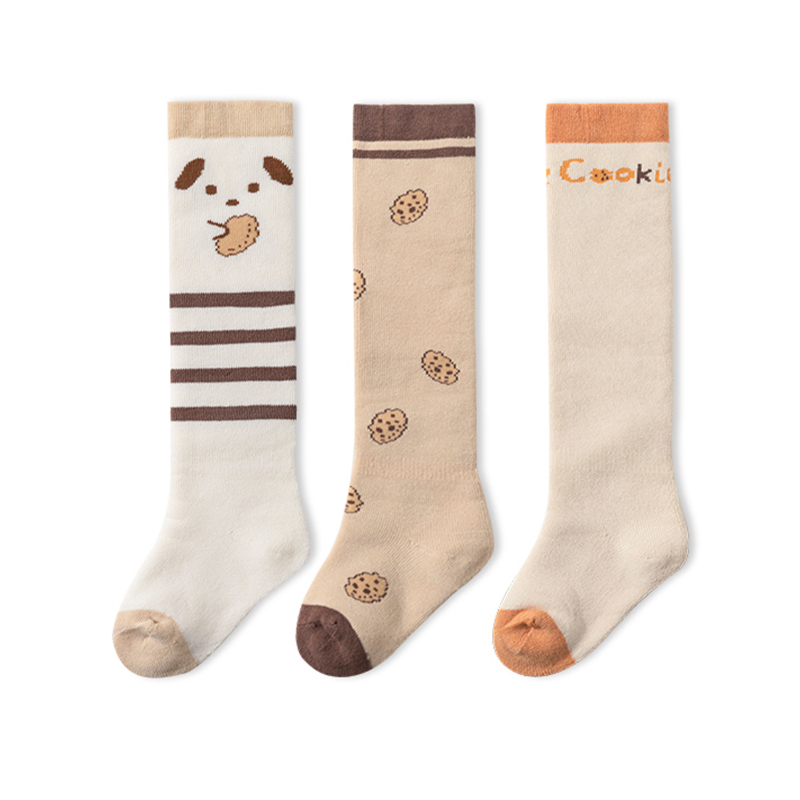
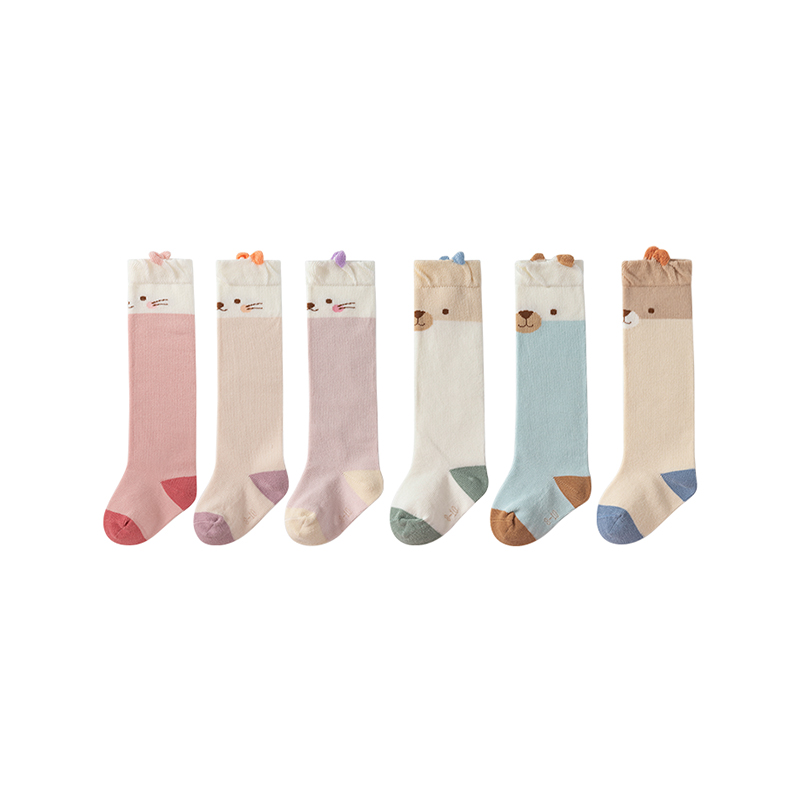
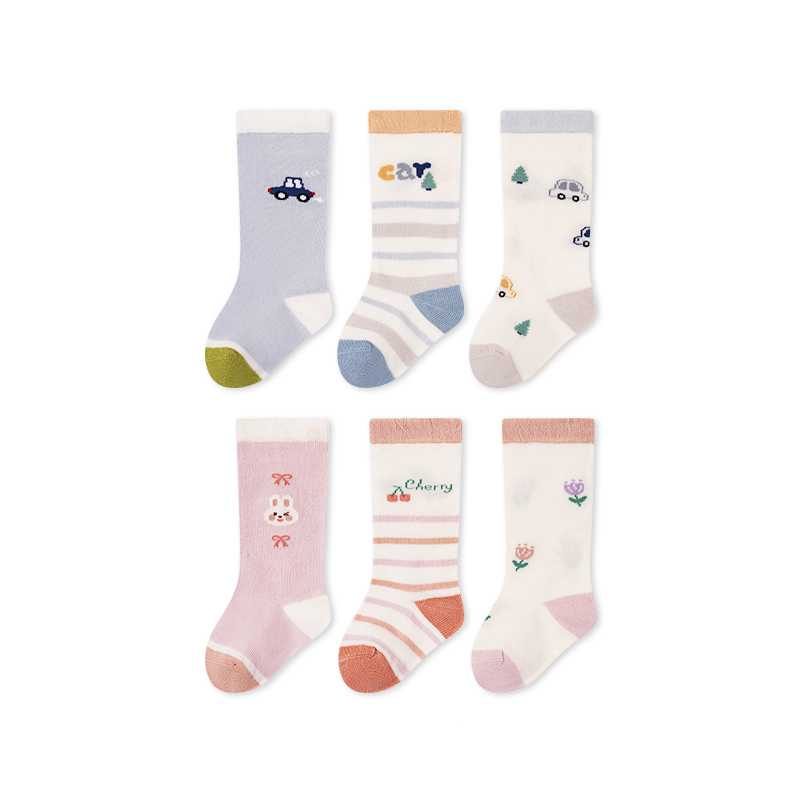
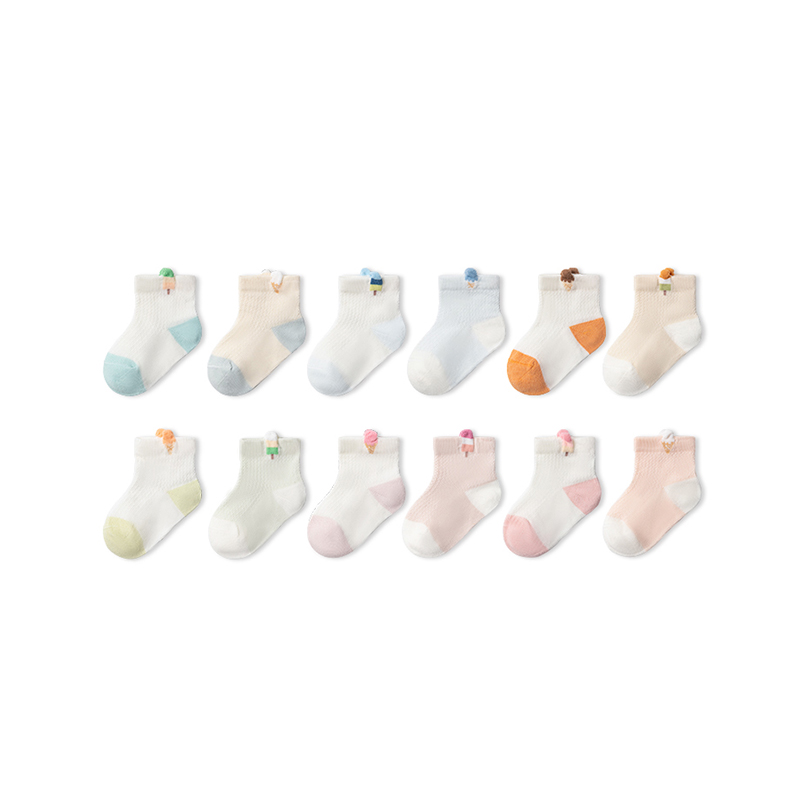
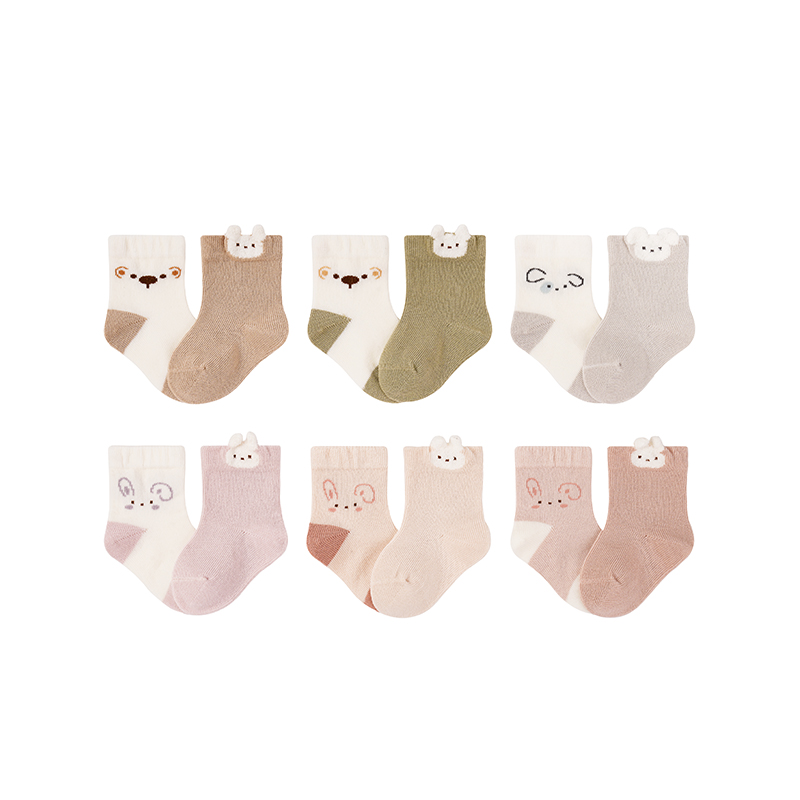
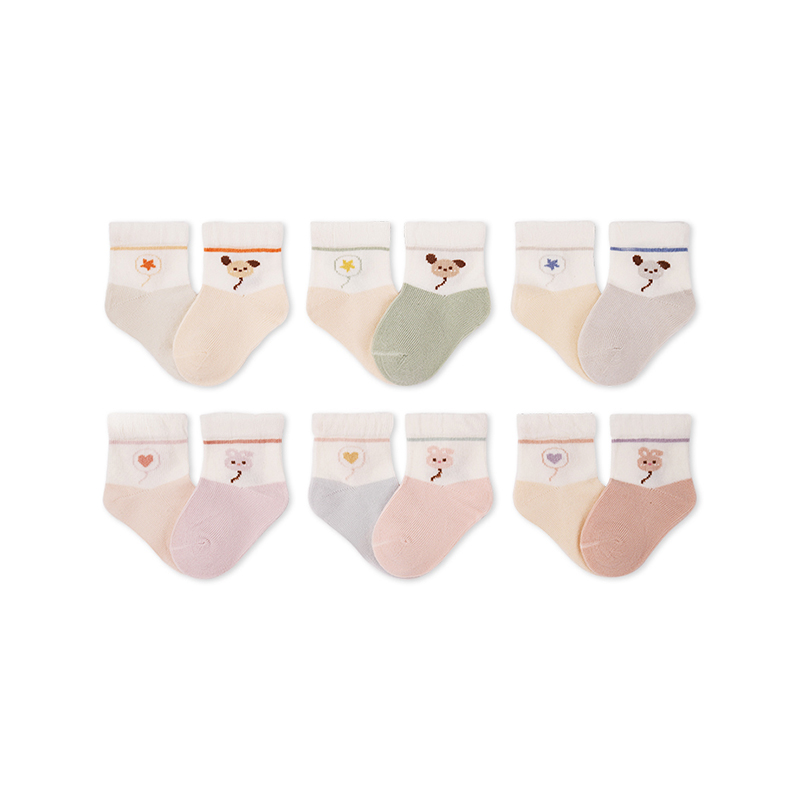
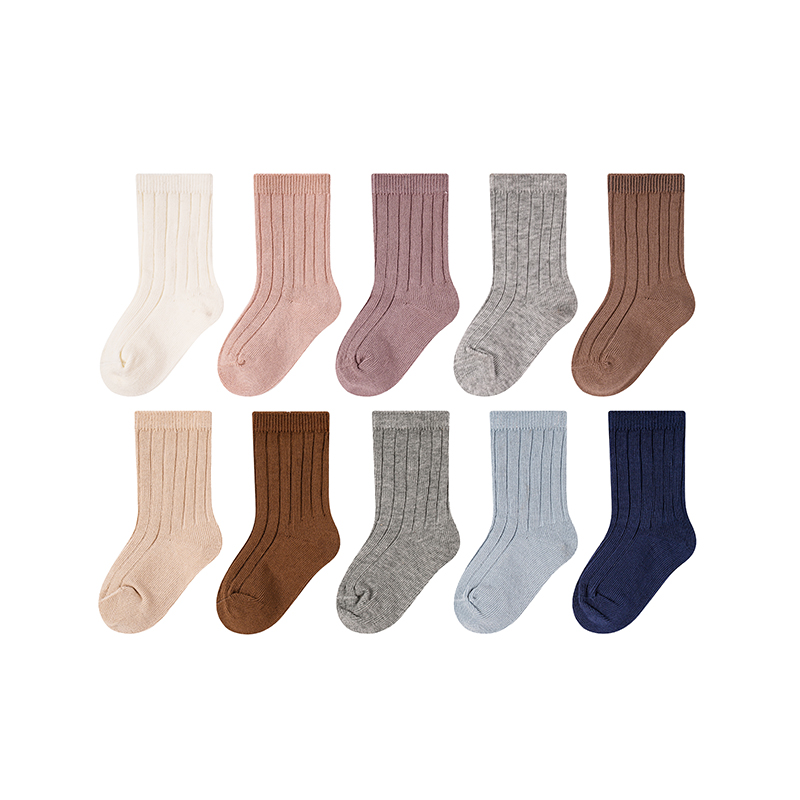
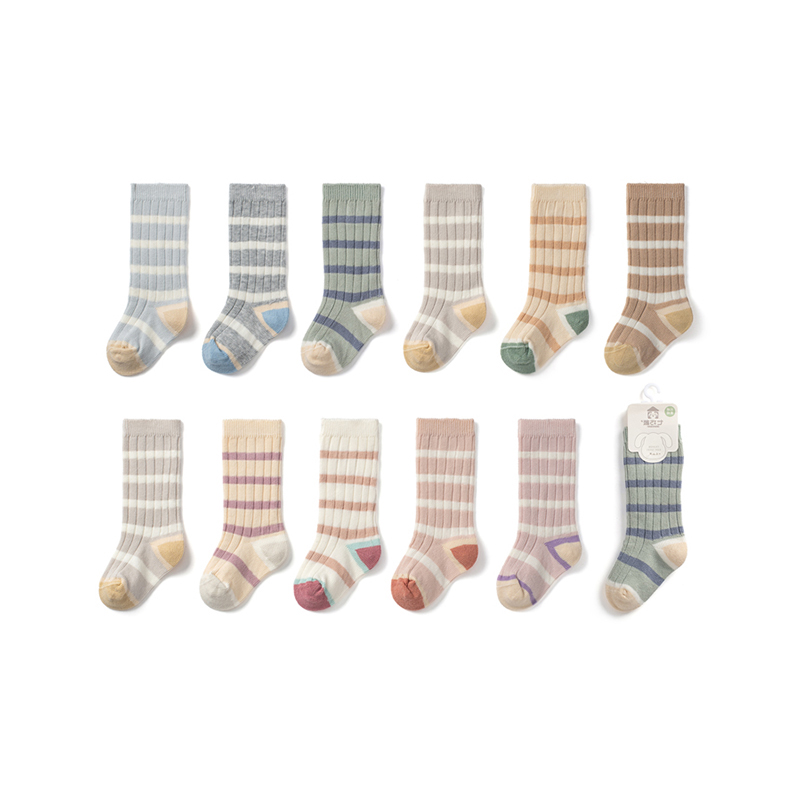
Sample Guide
See every detail in high definition.
No. 1222, Yinhai Road, Yiwu City, Zhejiang Province, China
Phone: +86-13735691188
Tel: +86-579-85531618
Fax: +86-579-81530188
Email: info@saintdesocks.com
Get In Touch
Feel Free To Contact Us
We will patiently and comprehensively answer your questions.

Best Custom Baby & kids Socks Manufacturer