 English
 русский
 Español
Feel Free To Contact Us
We will patiently and comprehensively answer your questions.
What Design Helps Kids' Thermal Socks Fit Growing Feet?

Saintde's professional manufacturing solutions empower your premium product production.
Cold environments change how children experience daily movement. Walking to school, playing outdoors, and indoor transitions all expose feet to varying temperatures. Kids' Thermal Socks are developed to reduce discomfort caused by these shifts while keeping movement unrestricted.
The focus is not only on insulation. Flexibility and moisture handling also shape how socks perform throughout the day. In practical applications, a Kids Thermal Socks Factory adjusts production parameters to match these mixed-use conditions.

Thermal functionality in socks depends on internal fiber arrangement rather than external thickness. A layered yarn structure is often used to create small air pockets that help stabilize temperature.
This approach allows Kids Thermal Socks to adapt to both colder outdoor air and warmer indoor environments. The goal is consistent foot condition rather than static heat retention.
A Kids Thermal Socks Factory typically controls yarn twist levels and fabric density to shape how heat is retained and released during wear.
Children rarely maintain steady movement patterns. Running, squatting, and sudden direction changes are common in daily activities.
To support this, Kids Thermal Socks are designed with elasticity zones that follow natural foot motion. These zones reduce resistance during movement and help the sock return to shape after stretching.
Production teams in a Kids Thermal Socks Factory often test stretch recovery rates to maintain consistent behavior across different sizes.
Daily use creates repeated pressure on specific areas of socks, especially the heel and toe sections.
To address this, Kids Thermal Socks often include reinforced knitting density in these zones. This helps distribute pressure during walking and reduces localized wear.
In a Kids Thermal Socks Factory, reinforcement is integrated during the knitting stage to maintain uniform texture across the entire sock body.
Children often move between indoor heating environments and outdoor cold air within short periods. Socks must respond to these changes without causing discomfort.
Kids' Thermal Socks are structured to maintain a balanced internal environment rather than focusing on a single temperature condition. This allows a smoother transition between different settings.
Production teams adjust fiber blending ratios in a Kids Thermal Socks Factory to achieve stable wear behavior across temperature variations.
Design elements in children's socks often combine visual appeal with structural function. However, functional integrity remains central.
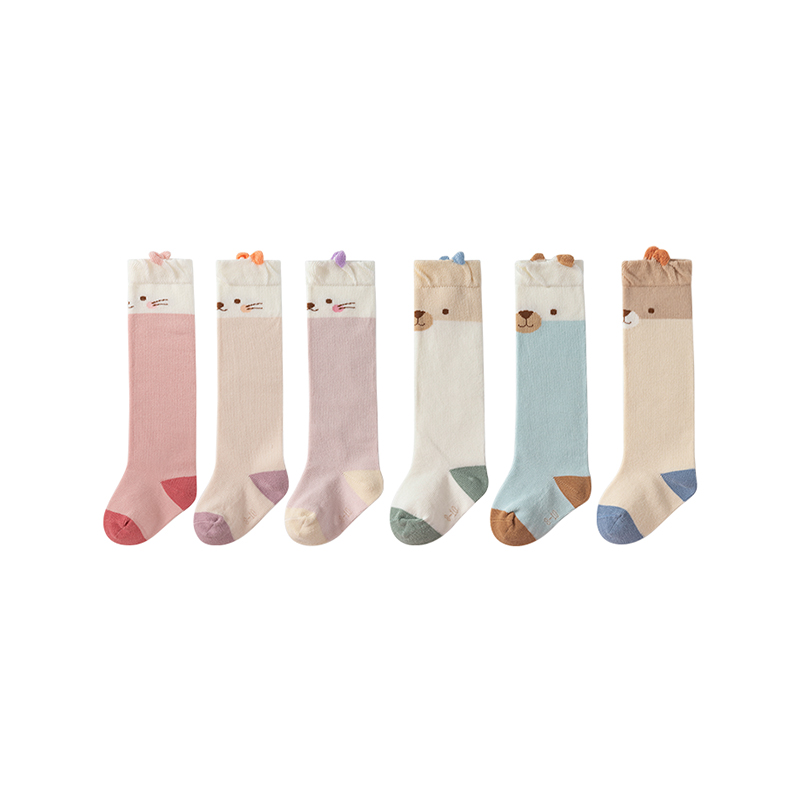
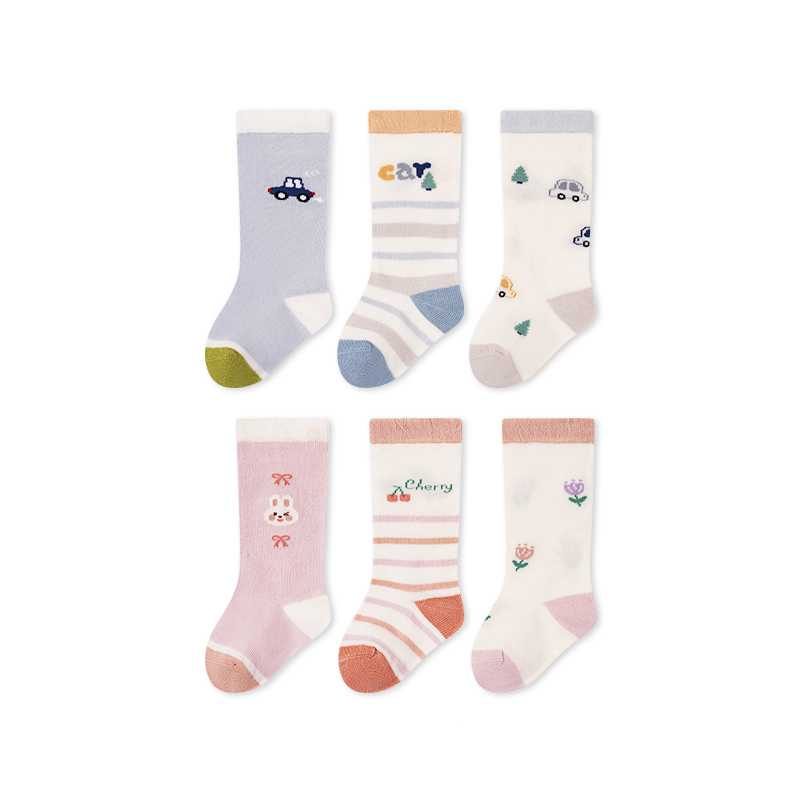
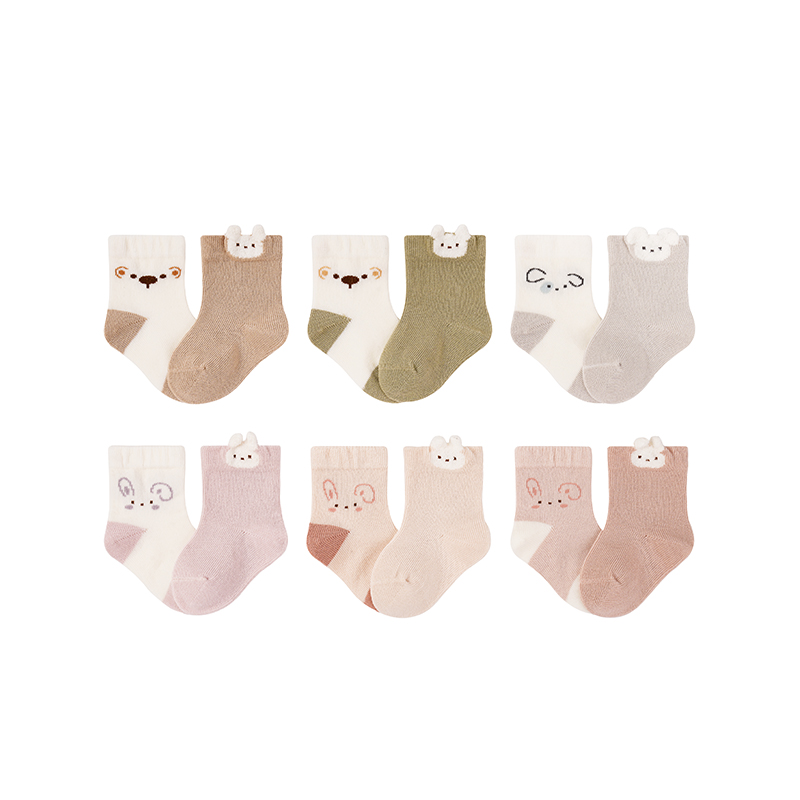
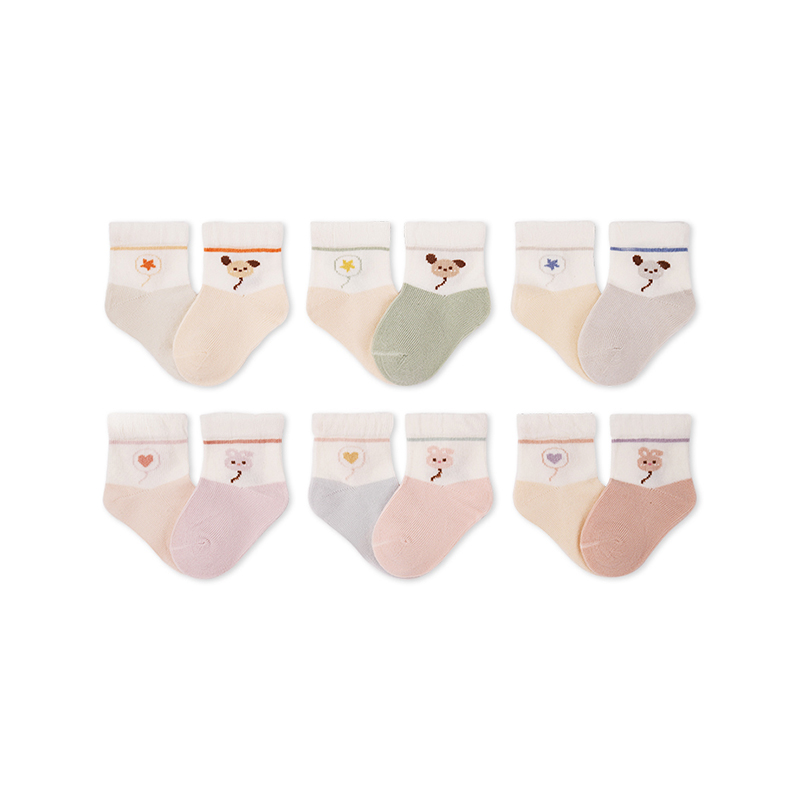
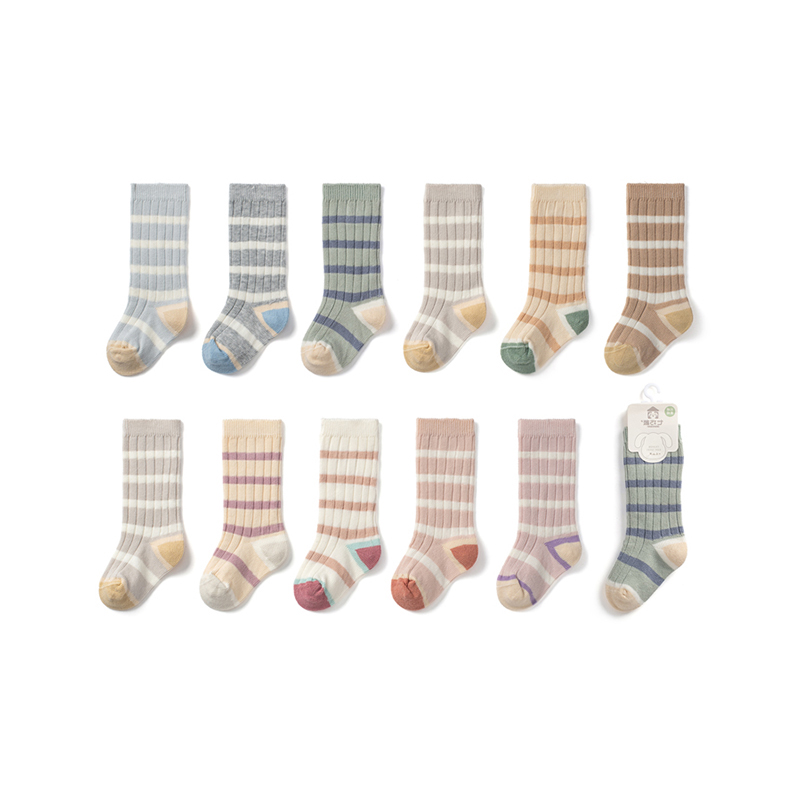
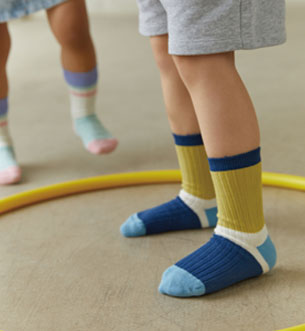
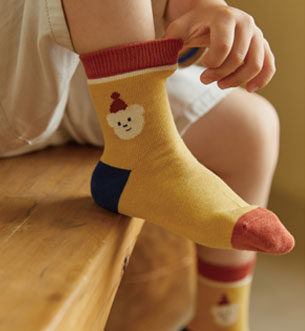
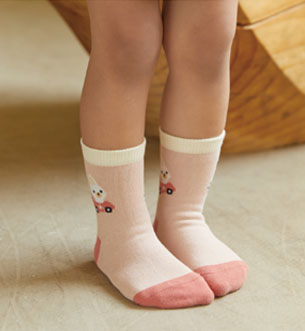
Kids' Thermal Socks integrate color and pattern directly into the knitting process rather than applying surface layers. This approach supports long-term wash resistance and structural stability.
A Kids Thermal Socks Factory coordinates design input with production planning to maintain consistency between appearance and performance.
Kids' Thermal Socks represent a combination of textile engineering and usage-based design logic. Each stage of production influences how the sock performs during real-world activity.
From fiber arrangement to reinforcement zones, development decisions focus on stable daily usability. A Kids Thermal Socks Factory maintains this direction through controlled production systems and structured material selection.
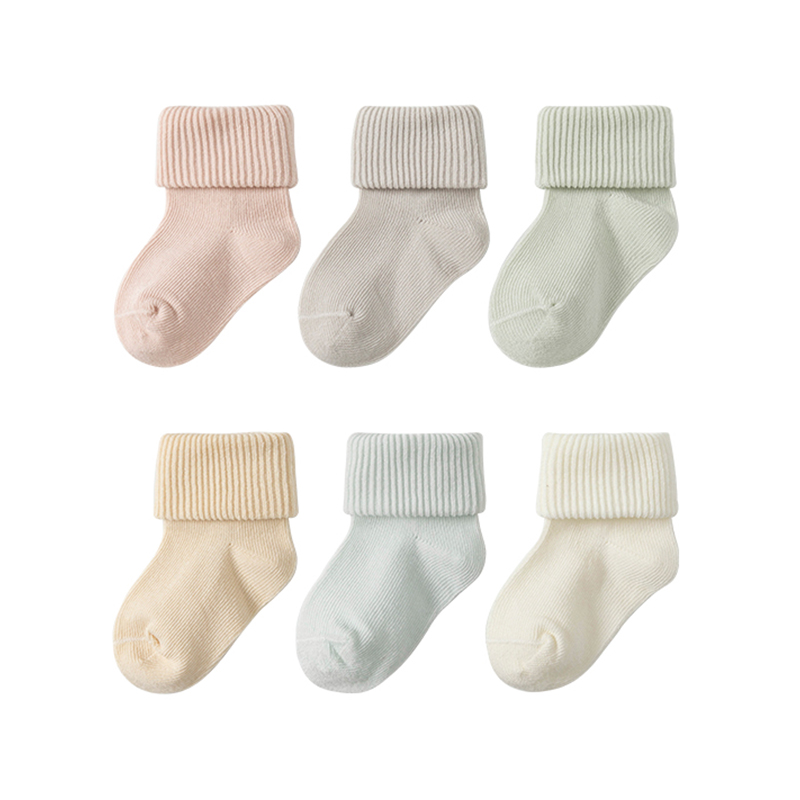
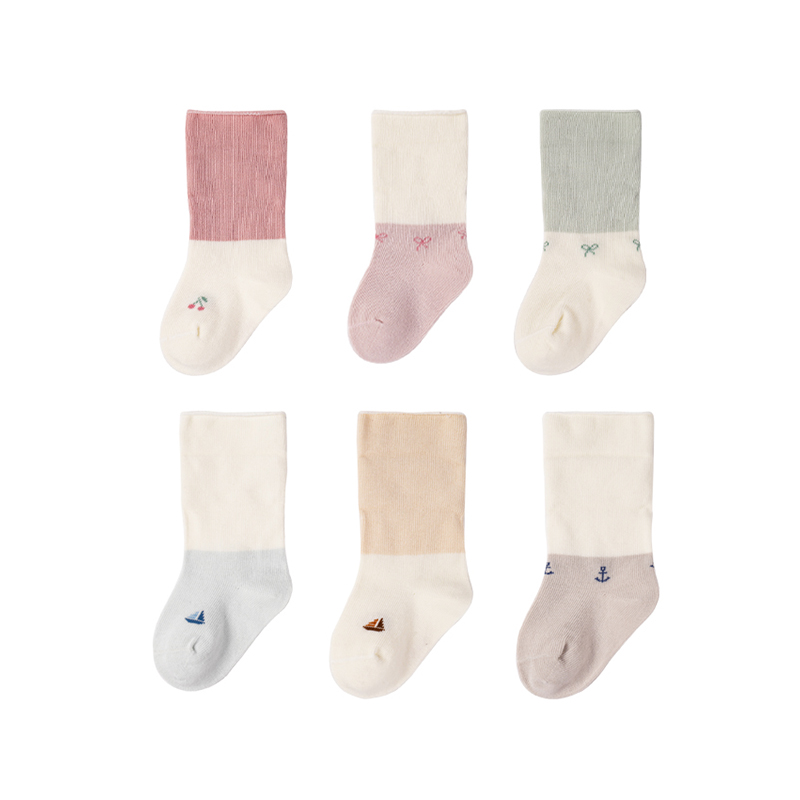
.jpg "Heather Stripe Ribbed Baby Classic Socks")
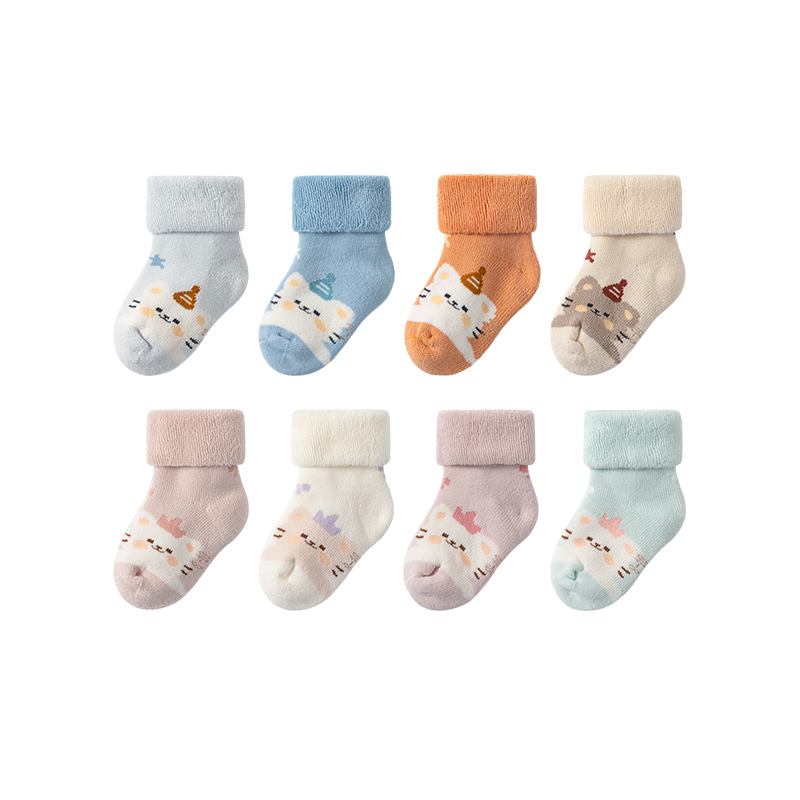
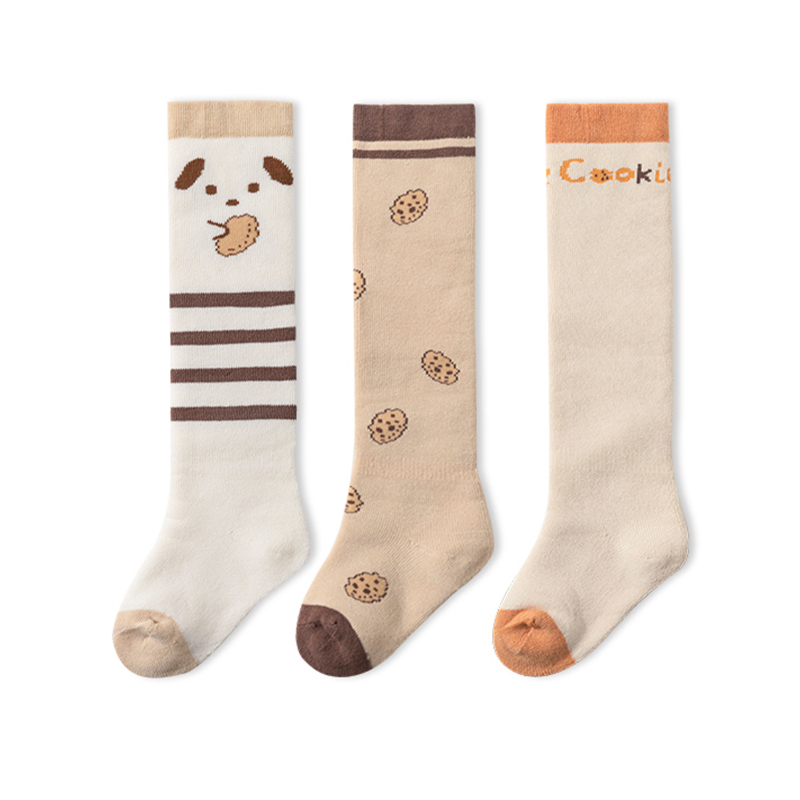
Sample Guide
See every detail in high definition.
No. 1222, Yinhai Road, Yiwu City, Zhejiang Province, China
Phone: +86-13735691188
Tel: +86-579-85531618
Fax: +86-579-81530188
Email: info@saintdesocks.com
Get In Touch
Feel Free To Contact Us
We will patiently and comprehensively answer your questions.

Best Custom Baby & kids Socks Manufacturer