 English
 русский
 Español
Feel Free To Contact Us
We will patiently and comprehensively answer your questions.
What Makes China Socks Popular In The Global Market

Saintde's professional manufacturing solutions empower your premium product production.
Socks are a small product, but they move through global trade in a constant rhythm. Retail shelves, online shops, and wholesale channels all depend on them. Over time,"China socks" has become a familiar term in sourcing discussions. It is not tied to a single reason. It is more like a long habit formed through repeated cooperation and steady supply.
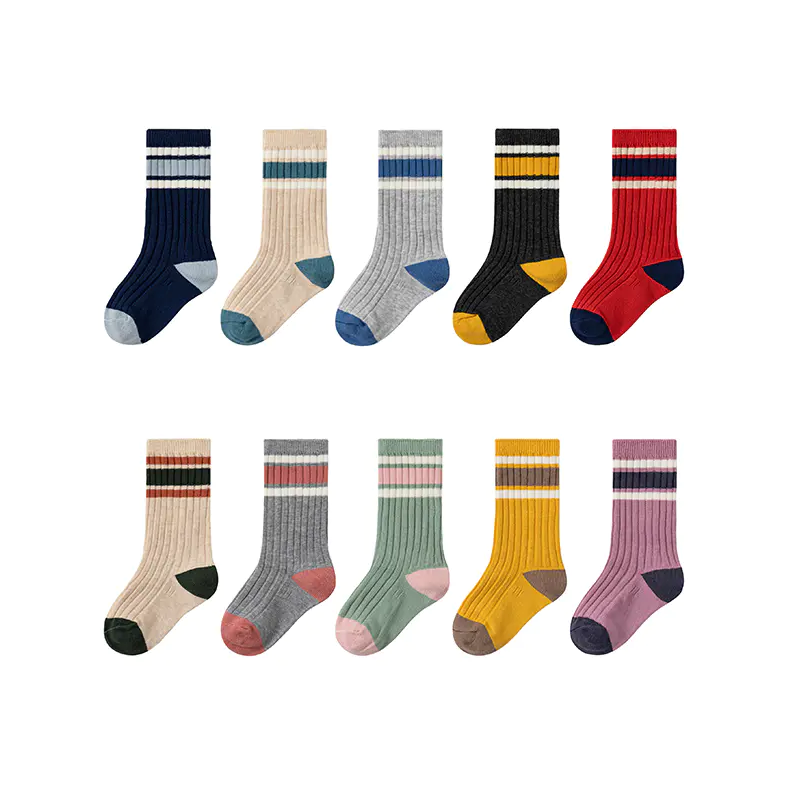
When buyers talk about sourcing socks, the answers are rarely simple. Some mention supply stability. Others focus on communication or production response. A few just say the process feels easier to manage.
Socks are not a static product category. Styles shift. Seasons change. Orders can rise and fall quickly. In that kind of environment, suppliers who can follow changes without delay tend to stay in the picture.
China's role here is not about one advantage. It is more about continuity. Even when requirements change, production does not usually break down. It adjusts step by step, which is often enough to keep orders moving.
Sometimes, what matters is not being the fastest option, but being a stable one.
Socks production involves several connected steps. Yarn preparation, knitting, shaping, finishing, and packing all need to work in sequence.
In many manufacturing clusters, these stages are not far apart. That proximity changes how the process feels. Information moves quickly. Adjustments do not take long to pass through the system.
If a buyer requests a small change, it does not always require restarting everything. Often, it is handled within a specific stage while production continues.
This flexibility is one of the reasons the system remains active under different demand conditions.
At glance, socks seem simple. In practice, material selection changes how the final product feels and performs.
Some socks focus on softness for daily wear. Others aim for breathability, especially in warmer environments. Some designs prioritize stretch and shape retention.
What really matters is how materials are combined. The same type of product can feel very different depending on how the components are balanced.
| Application Focus | Product Behavior |
|---|---|
| Everyday comfort | Soft touch, relaxed fit |
| Breathable wear | Better airflow, lighter feel |
| Elastic support | Stable fit, less slipping |
| Reinforced use | Longer wear cycle in frequent use |
Socks markets change more often than many people expect. A small shift in fashion trends can affect demand quickly.
Because of this, production systems that can adapt easily tend to perform better over time. Flexibility does not always mean large changes. Sometimes it is just small adjustments in color, pattern, or packaging.
In many cases, buyers do not ask for a completely new product. They prefer minor changes built on an existing structure. That keeps development simple and production more predictable.
Quality in socks is not only about appearance. It is often judged after repeated use.
Shape stability, comfort after washing, and elasticity over time all matter. These are not always visible at the start.
Production systems usually focus on consistency. One batch should not feel completely different from the next. That expectation shapes how manufacturing is managed.
Instead of checking only at the end, quality control is often distributed throughout the process. Small checks happen along the way, not just at a final stage.This approach reduces surprises later.
Socks supply chains are relatively layered but closely connected. Raw materials, production, finishing, and export often work within a linked structure.
When these steps are close, coordination becomes easier. Adjustments can be made without long delays between stages.
If demand shifts, production plans can be updated without stopping the entire system. It is not perfectly smooth all the time, but it avoids long interruptions.
This kind of structure supports continuous movement rather than sudden stops and restarts.
Customization is now a normal part of socks manufacturing. It is not treated as something separate from standard production.
Changes are often small. A pattern adjustment, a packaging preference, or a branding detail. These do not usually require a full redesign of the process.
Instead, they are integrated into existing workflows. Production continues while small modifications are applied where needed.
This keeps output flowing without breaking the overall rhythm.
Cost is still part of every sourcing discussion, but it is rarely the only factor.
Buyers often look at cost together with stability. A lower price is less useful if supply is inconsistent. On the other hand, stable supply can make pricing easier to accept.
In practice, sourcing decisions often happen within a balance rather than a single comparison.
That balance is what keeps long-term relationships in place.
Socks are no longer viewed only as basic items. They are gradually connected to style, branding, and usage scenarios.
Some buyers focus on design variation. Others look at packaging or presentation. Function still matters, but it is no longer the only consideration.
This shift does not replace traditional needs. It adds another layer on top of them.
The result is a more varied set of expectations, even within the same product category.
The socks industry does not usually change in sudden steps. It moves gradually.
Demand rises and falls. Styles shift slowly. Production adapts in small adjustments rather than large resets.
This continuous movement keeps the supply chain active. Not always stable in a good sense, but steady enough to support ongoing global demand.
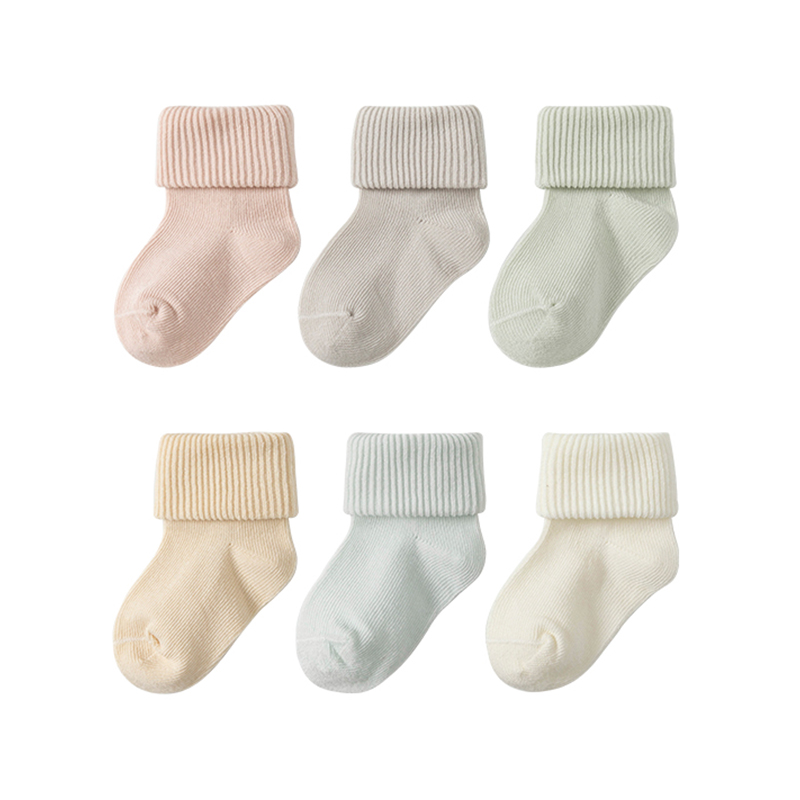
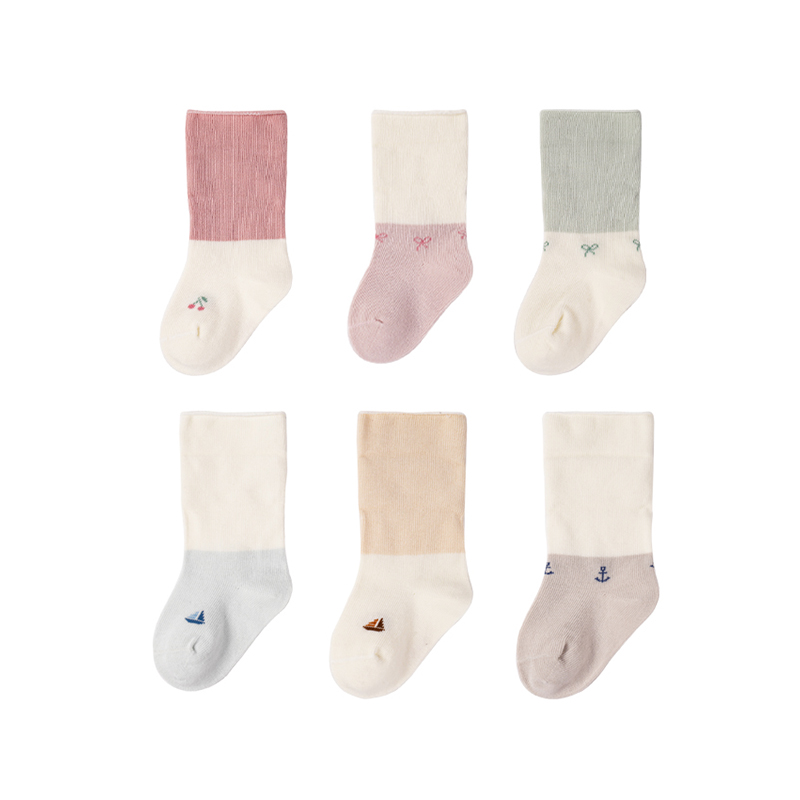
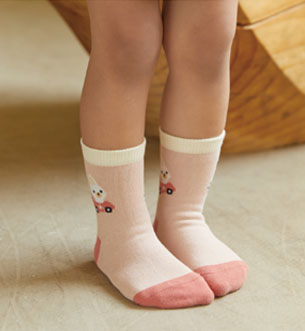
.jpg "Heather Stripe Ribbed Baby Classic Socks")
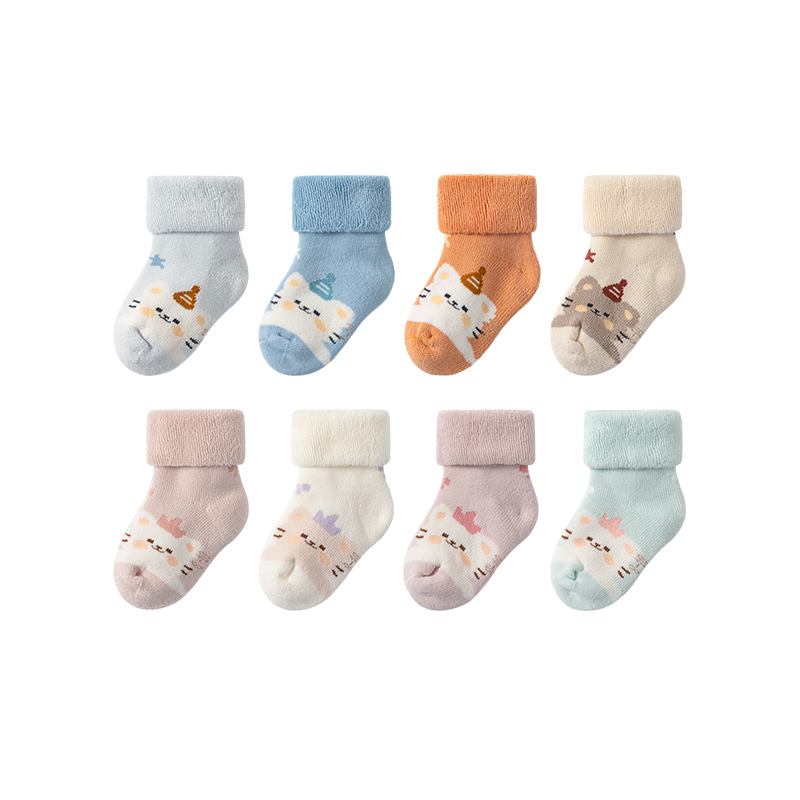
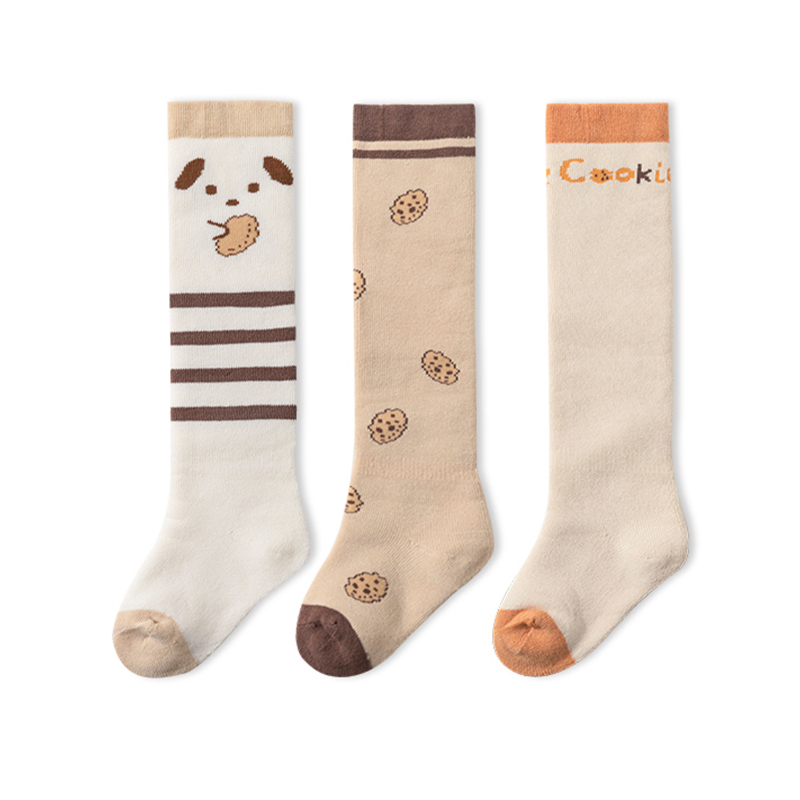
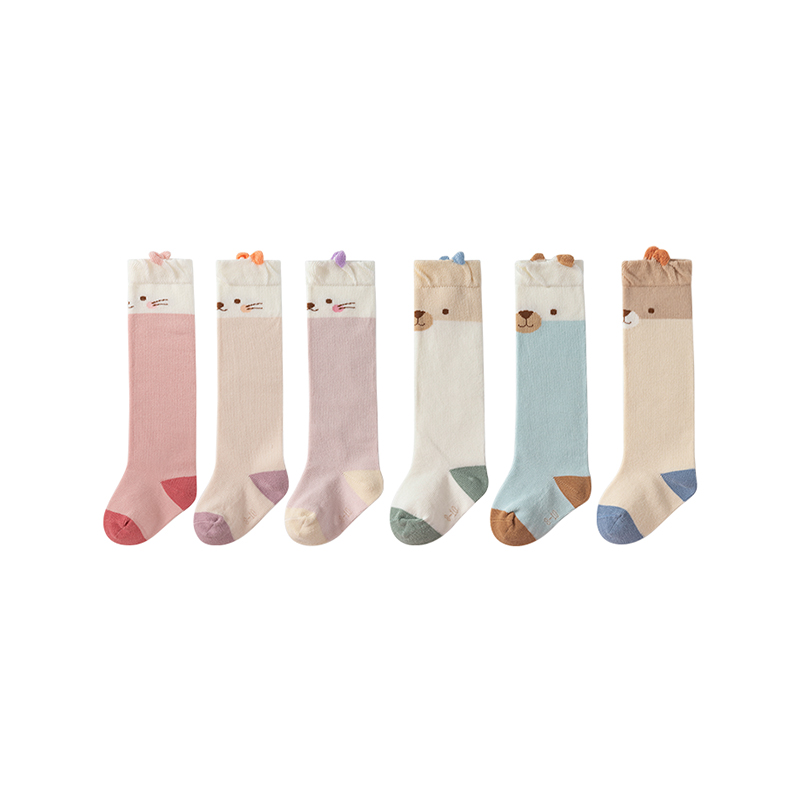
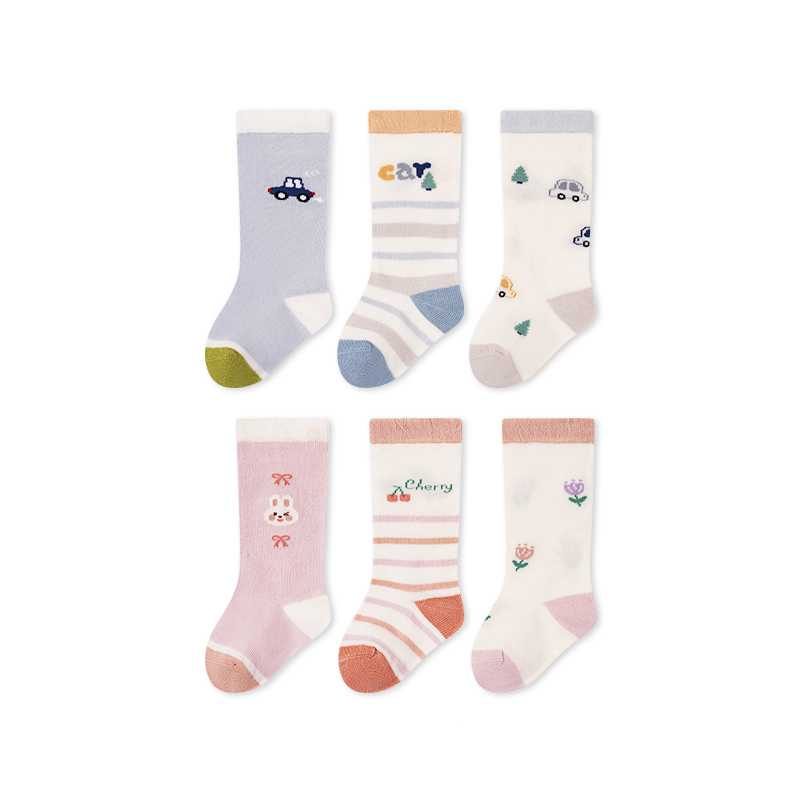
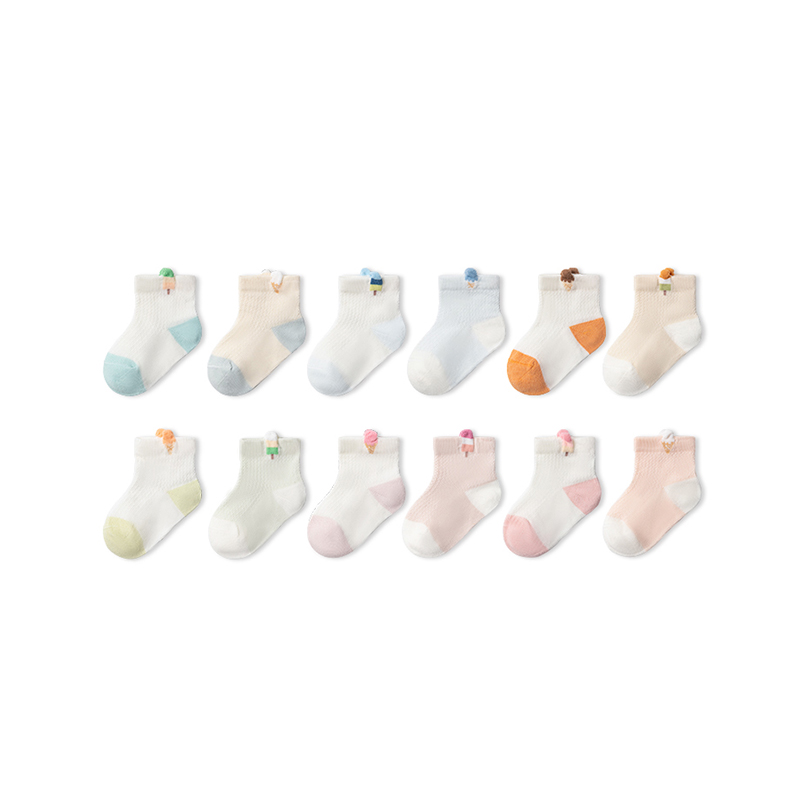
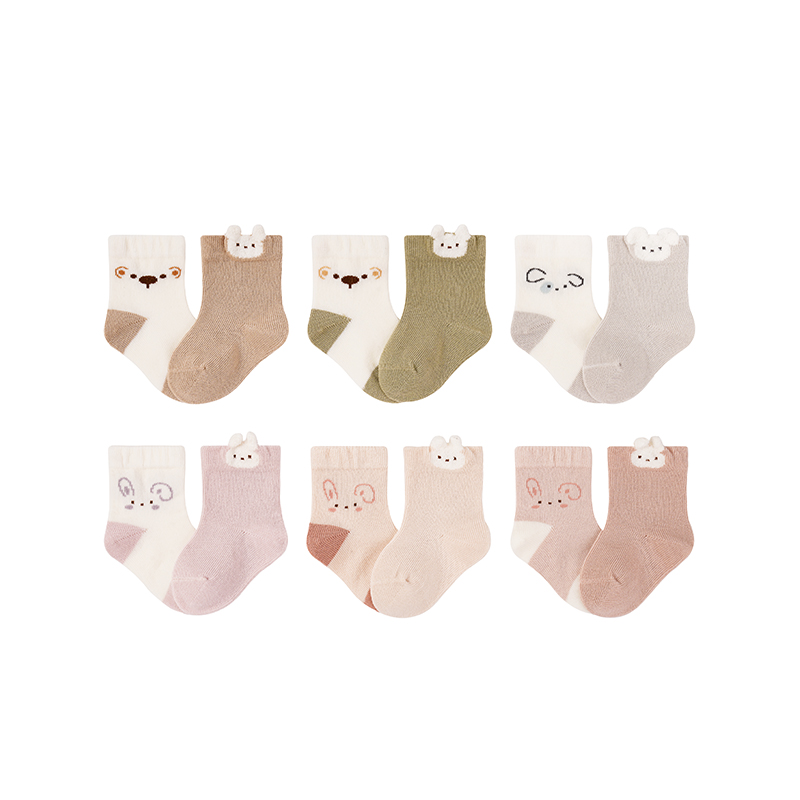
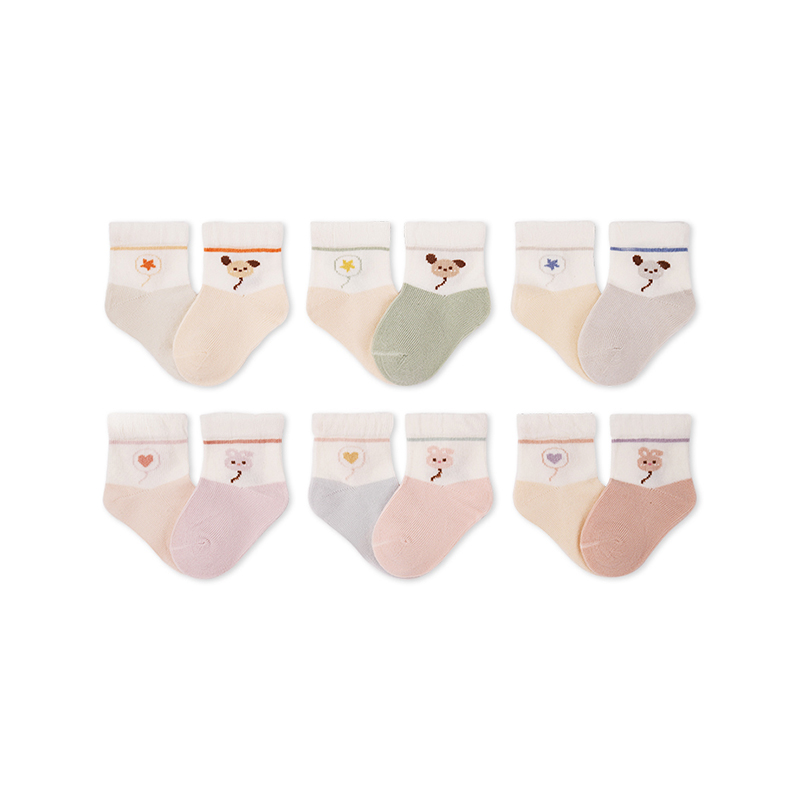
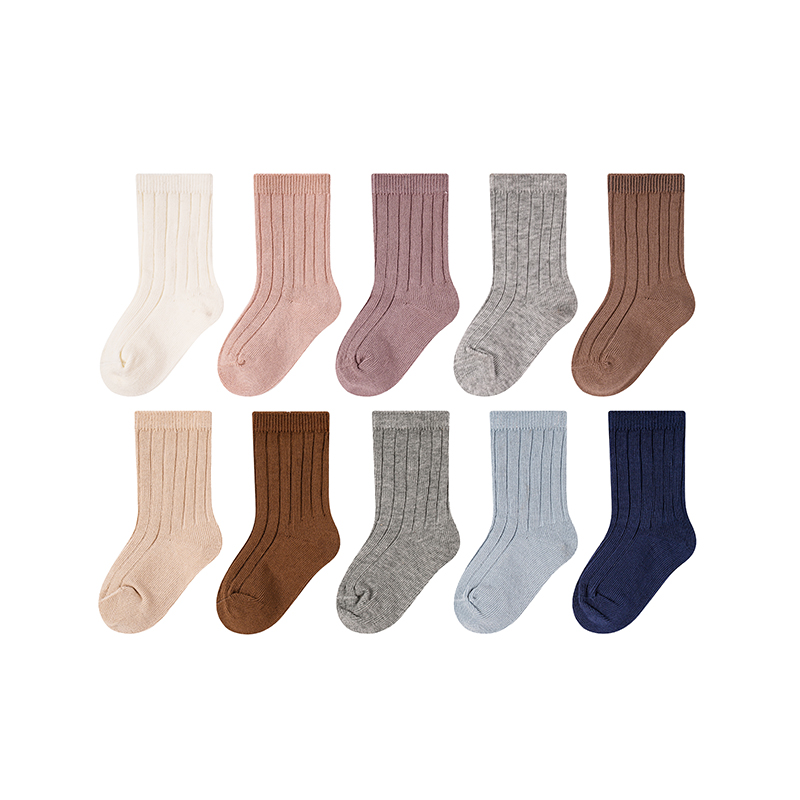
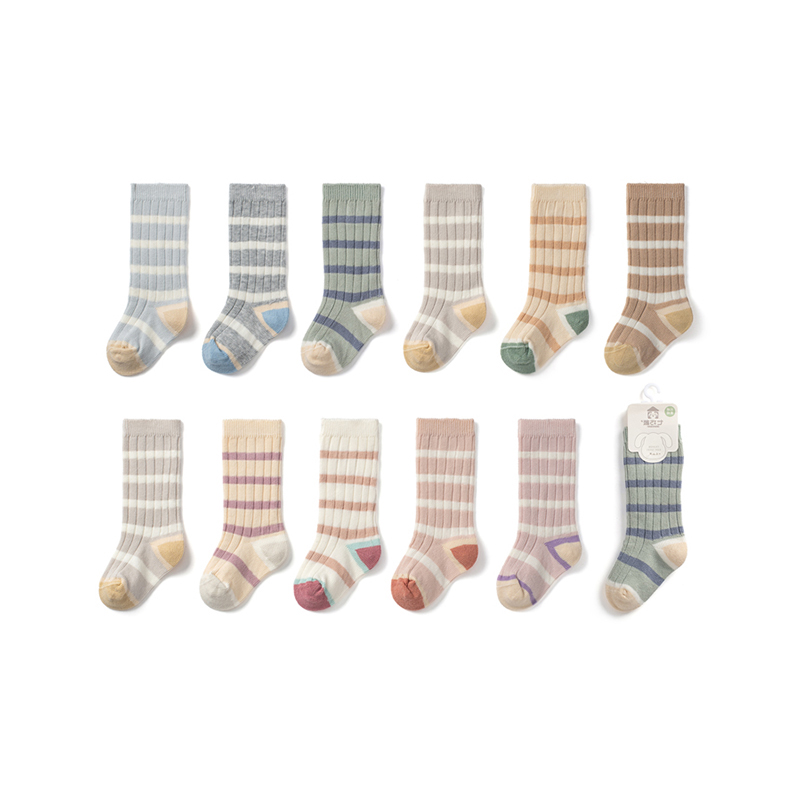
Sample Guide
See every detail in high definition.
No. 1222, Yinhai Road, Yiwu City, Zhejiang Province, China
Phone: +86-13735691188
Tel: +86-579-85531618
Fax: +86-579-81530188
Email: info@saintdesocks.com
Get In Touch
Feel Free To Contact Us
We will patiently and comprehensively answer your questions.

Best Custom Baby & kids Socks Manufacturer