 English
 русский
 Español
Feel Free To Contact Us
We will patiently and comprehensively answer your questions.
What Materials Are Commonly Used In Womans Slipper Socks

Saintde's professional manufacturing solutions empower your premium product production.
Womans slipper socks for women are often treated as simple home items, but the way they feel in daily use depends heavily on something less visible: the materials inside them. From softness on the skin to how warm they feel on a cold floor, everything is shaped by fabric choice and how those fibers are combined.
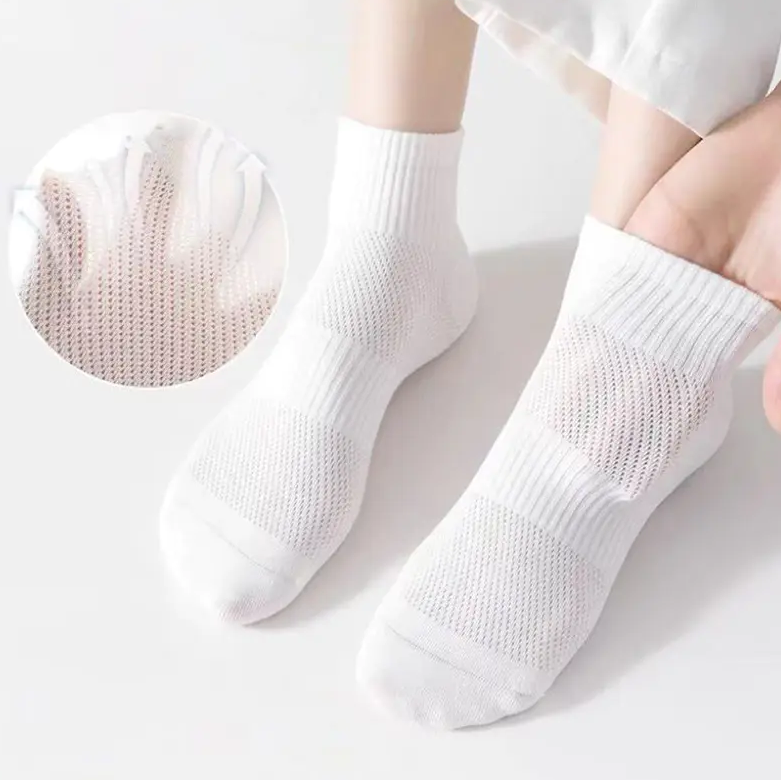
In real production, womans slipper socks are rarely made from just one material. Instead, they are built from blends. Each material brings a different behavior, and the final product is usually a balance between comfort, structure, stretch, and warmth.
What looks like a small indoor accessory is actually a layered combination of textile decisions.
If a slipper sock used only one type of fiber, it would feel predictable but limited. It might be soft, but wear out quickly. Or it might be strong, but feel less comfortable on the skin.
That is why manufacturers usually mix materials instead of relying on a single one.
One layer may focus on softness against the foot. Another helps the sock keep its shape after repeated wear. A third adds elasticity so the sock does not slip off easily during movement.
These roles are not always noticeable to the wearer. What people feel is simply comfort or discomfort. But behind that, the structure is doing small adjustments continuously.
Even slight changes in fiber ratio can change how the sock behaves after washing, stretching, or long hours of wear at home.
Cotton is a go‑to material for slipper socks mainly because of its natural, comfortable touch that some people know well.
Resting right against the skin, cotton feels gentle and lets air circulate easily. It never gives that stuffy, heavy feeling, which is good for indoor use where feet stay covered for hours at a time.
It also mixes really well with other yarns. Cotton doesn't overpower the overall structure, so makers can tweak thickness and softness by blending it with different fibers.
In styles, cotton forms the inner layer touching your feet directly. It's what creates that soft feeling the moment you put the socks on.
One nice quality of cotton is that it softens even more with regular wear and washing, making long‑term use feel increasingly comfortable.
Polyester is added to slipper socks mostly to keep them stable, not just for comfort.
Its biggest advantage is holding its shape. Slipper socks get stretched and folded constantly while being worn, and polyester helps them bounce back close to their original fit.
It also resists sagging and deformation better than many natural fibers. That makes it ideal for sections of the sock that need to stay structured over time.
Polyester is rarely the main material on its own. Instead, it's blended with cotton or acrylic to keep the sock's fit consistent wash after wash.
From a design standpoint, it works behind the scenes as a supportive layer, without standing out to the wearer.
Wool brings a very different feeling compared to lighter fibers.
It is often associated with warmth, and in slipper socks, that perception is accurate. Wool fibers naturally hold heat around the foot, creating a more insulated environment indoors.
This does not necessarily mean heaviness. Instead, it feels like a steady layer of warmth that stays close to the skin.
However, wool alone can sometimes feel dense or thick depending on structure. For that reason, it is often blended with lighter fibers to soften the overall texture.
In colder indoor conditions, wool-based slipper socks tend to feel more noticeable in daily use.
Acrylic is often used as an alternative to wool, especially when a lighter feel is needed.
It can create a soft, slightly fluffy texture that resembles wool in appearance and warmth, but without the same weight.
One of its practical advantages is consistency. Acrylic tends to keep its shape and appearance even after repeated washing and use.
It is also widely used for visual softness. Some slipper socks use acrylic to create a fuller look without increasing density.
In many designs, it serves as a middle ground between warmth and lightness.
Spandex is rarely used in large quantities, but its effect is important.
Its main role is stretch. Without it, slipper socks may feel rigid or lose their fit after movement.
With a small amount of spandex, the fabric can adjust to different foot shapes more naturally. It also helps the sock return to its original form after being stretched.
This becomes noticeable during daily walking or standing at home. The sock stays in place without feeling tight.
Even though it is a small component, it changes how the entire product behaves during use.
Most slipper socks rely on combinations rather than single fibers.
Blending allows each material to contribute something specific without taking over the entire structure. One fiber may handle comfort, another durability, another flexibility.
This balance is often adjusted depending on the intended use. Some designs lean toward warmth, others toward light everyday wear.
A simple view of common combinations looks like this:
| Material Mix | General Effect in Use |
|---|---|
| Cotton + Polyester | Balanced softness with stable shape |
| Wool + Acrylic | Warmer feel with reduced weight |
| Cotton + Spandex | Comfortable fit with flexibility |
| Polyester + Acrylic | Consistent structure with soft surface |
These are not fixed formulas. They shift depending on design goals and seasonal needs.
Slipper socks are used in very ordinary situations. Walking from room to room, standing on cold floors, or simply relaxing at home.
In these moments, materials quietly shape comfort.
A softer fabric reduces friction on the skin. A warmer fabric makes colder floors less noticeable. A stretchable structure helps the sock stay in place during movement.
These effects are not always noticed immediately. They become clearer over time, especially when comparing different pairs of slipper socks.
What feels comfortable is usually the result of small material decisions working together.
In slipper socks, material choice is not a secondary detail. It is often the foundation of the product.
Two socks that look almost identical on the outside can feel completely different when worn. The difference usually comes from how fibers are combined inside.
Designers often adjust blends rather than changing appearance. Small shifts in material ratios can change softness, warmth, or fit without altering the overall look.
Because of this, material selection is closely tied to how the product performs in real life, not just how it looks on display.
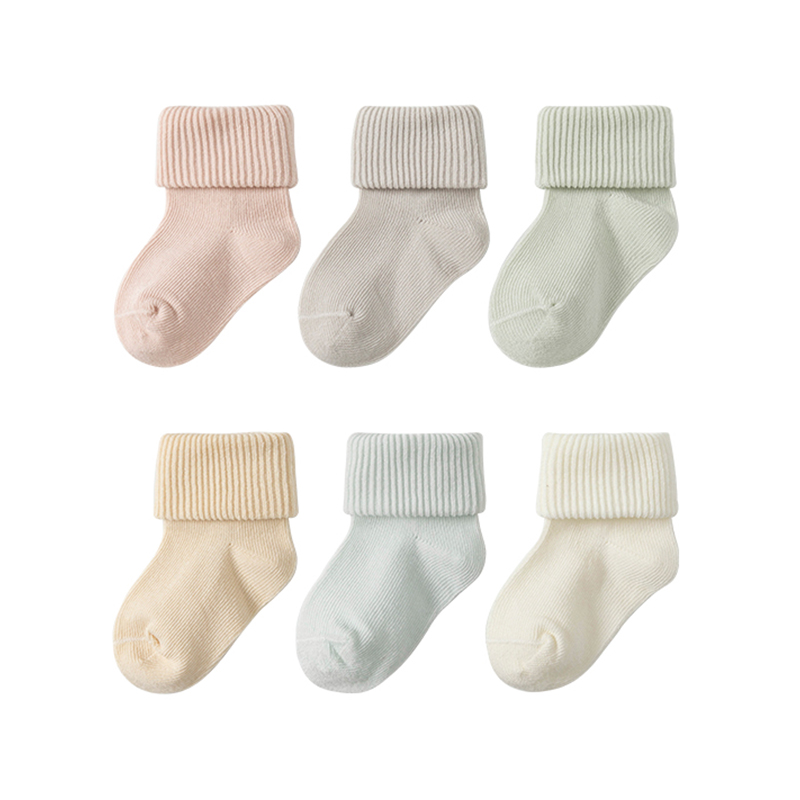
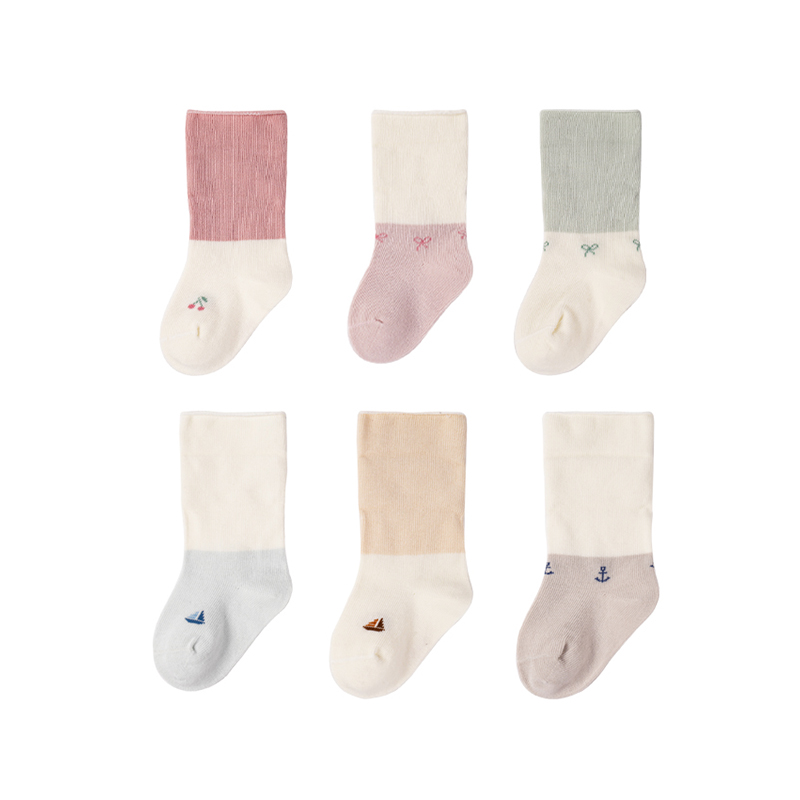
.jpg "Heather Stripe Ribbed Baby Classic Socks")
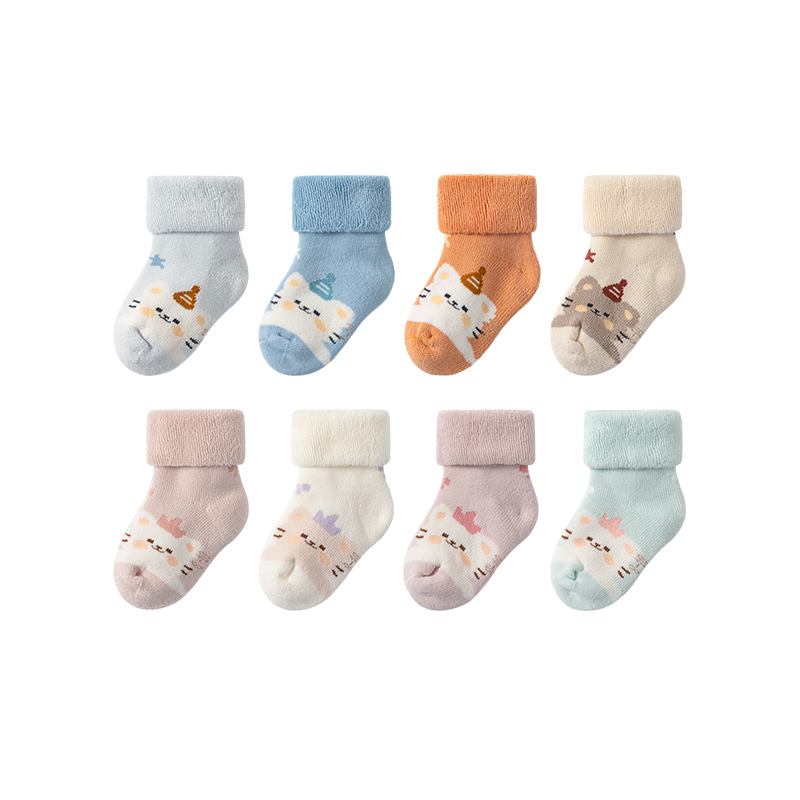
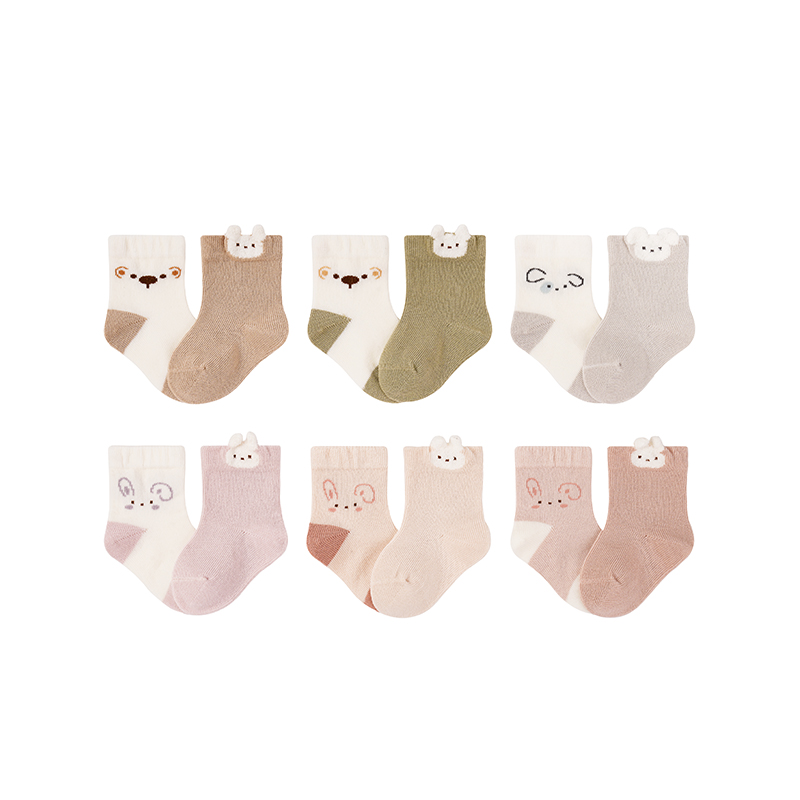
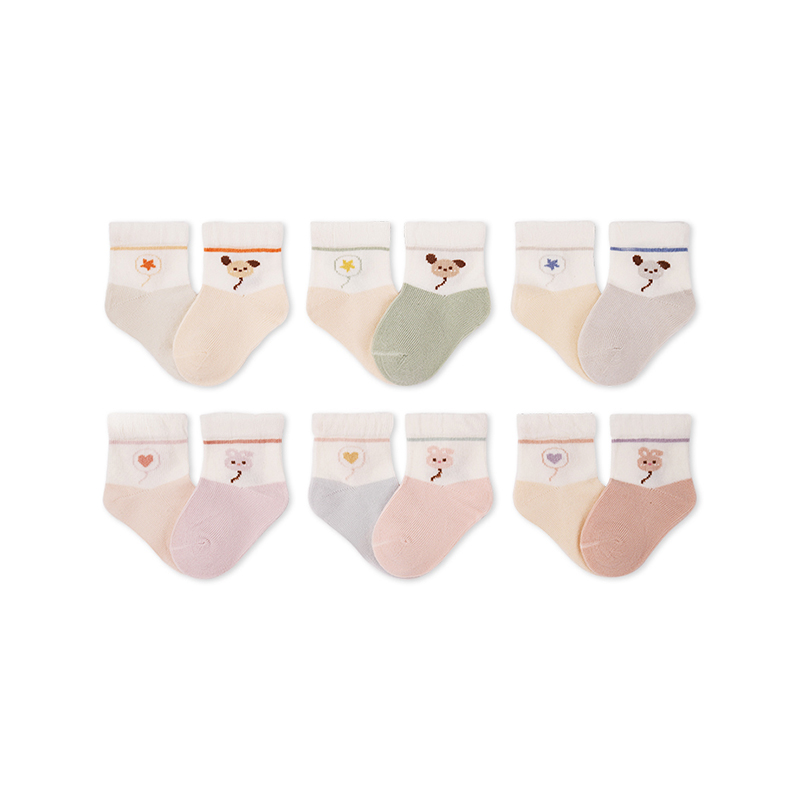
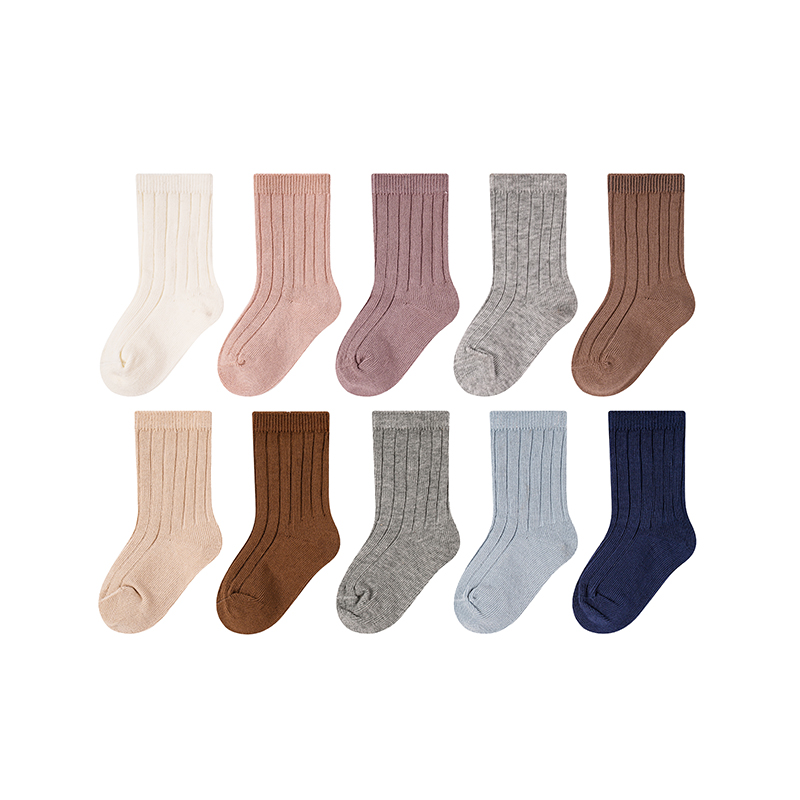
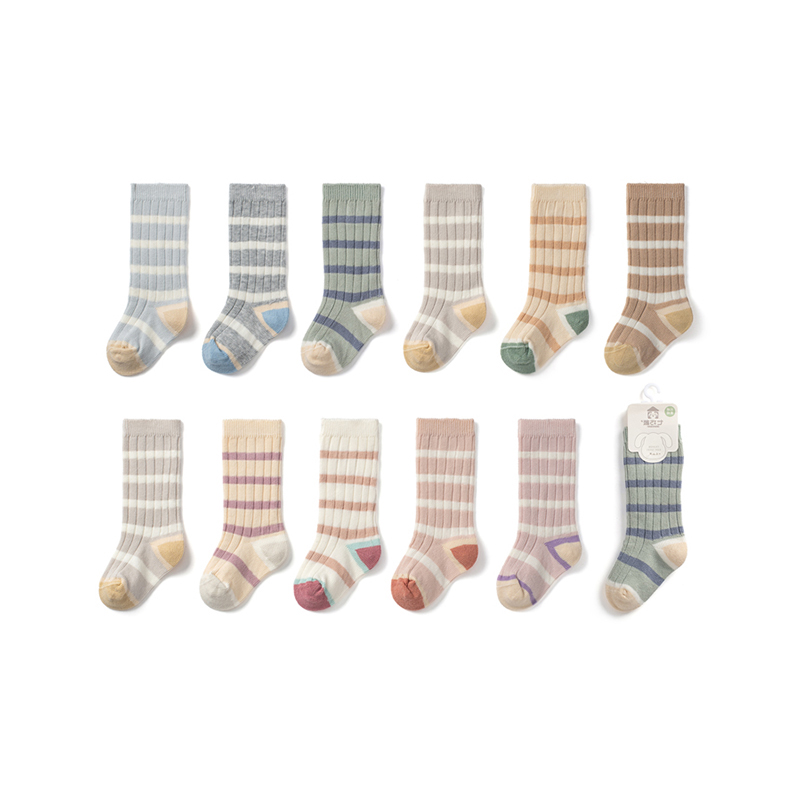
Sample Guide
See every detail in high definition.
No. 1222, Yinhai Road, Yiwu City, Zhejiang Province, China
Phone: +86-13735691188
Tel: +86-579-85531618
Fax: +86-579-81530188
Email: info@saintdesocks.com
Get In Touch
Feel Free To Contact Us
We will patiently and comprehensively answer your questions.

Best Custom Baby & kids Socks Manufacturer