 English
 русский
 Español
Feel Free To Contact Us
We will patiently and comprehensively answer your questions.
What Materials Are Safe For Baby Socks

Saintde's professional manufacturing solutions empower your premium product production.
In baby product categories, socks seem like a small detail. Yet they often sit close to the skin for long hours. That alone makes material choice more important than it appears. Parents usually notice comfort first, but behind that feeling is a set of decisions made long before the product reaches a store shelf.
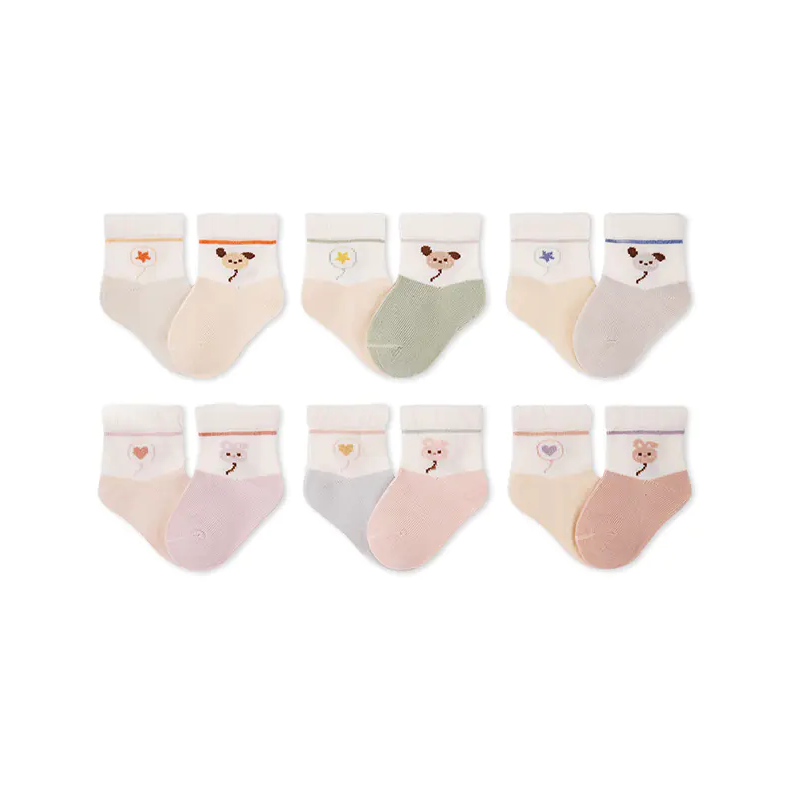
Socks are not just miniature versions of adult socks. The expectations are different. Skin sensitivity, temperature changes, and movement all shape what is considered suitable.
Baby skin is still developing. It reacts faster to friction, heat, and certain fibers. What feels normal for adults can feel uncomfortable for infants.
Socks stay in direct contact with feet for better of the day. In some cases, they are worn even during sleep. That means any irritation is not temporary. It continues as long as the material stays in place.
There is also the question of movement. Babies kick, stretch, and shift frequently. Socks need to stay soft and stable without creating pressure marks or slipping off too easily.
Material selection is not only about comfort. It also influences how the sock behaves over time, after repeated washing and use.
Natural fibers are often the starting point when discussing baby sock materials. They tend to feel softer and more breathable, especially in everyday wear.
Cotton is frequently used because of its familiar texture. It is generally gentle on skin and does not feel heavy. In many designs, it forms the main structure of the sock.
Bamboo-based fibers appear in some product lines as well. They are often chosen for their smooth surface feel and light touch. Linen shows up less often but may be used in seasonal variations where airflow is prioritized.
These materials are not identical in behavior. Even within the same category, processing methods can change the final result. That is why the feel of socks can vary even when they appear similar.
| Material Type | Common Use in Baby Socks | General Behavior |
|---|---|---|
| Cotton | Everyday wear | Soft, familiar texture |
| Bamboo fiber | Lightweight designs | Smooth surface feel |
| Linen blends | Seasonal use | Airy, slightly structured feel |
Blended materials are quite common in this category. Pure fibers are not always enough to meet all practical needs.
A small amount of elastic fiber is often added to help socks stay in place. Without it, socks may slip off too easily, especially during movement.
Blends are usually designed to balance softness and stability. One fiber provides comfort, while another supports shape retention.
The challenge is keeping the balance subtle. Too much structure can feel tight. Too little can make the sock lose shape quickly.
In many cases, the blend is adjusted gradually rather than changed completely. This allows small improvements without altering the overall feel too much.
Synthetic materials often raise questions in baby products. The concern is usually about comfort and breathability.
In socks, synthetics are not typically used as the main material. Instead, they may appear in small proportions to support durability or elasticity.
These fibers help the sock return to its shape after stretching. That can be useful in preventing sagging or loosening over time.
The key point is proportion. When used carefully, synthetics do not define the product. They support it.
If the balance shifts too far, the feel can become less comfortable for sensitive skin. That is why the mix is usually kept moderate.
Softness is often the thing parents notice. It is also one of the hardest qualities to maintain consistently.
A sock may feel soft at touch, but repeated washing can change that feeling. Fiber interaction, drying methods, and wear all influence texture over time.
In socks, softness is not just about comfort. It also affects how long the sock can stay on without causing irritation.
Some designs focus more on a smooth surface finish rather than thickness. Others rely on layered structures to create a gentle touch.
The experience is not always visible from the outside. It is something that becomes clear through use.
Feet can warm up quickly, even in small sizes. Without airflow, heat and moisture can build up inside the sock.
Breathable materials help reduce that effect. They allow air to move through the fabric more easily. This helps maintain a more stable feeling during wear.
In everyday use, breathability is often more noticeable in warmer environments. Socks that hold too much heat may feel uncomfortable after extended wear.
This is why lighter fiber structures are often chosen for socks intended for daily use.
Safety in socks is not only about chemical concerns. It also includes physical comfort.
Material edges, internal seams, and surface texture all play a role. Even small rough areas can become noticeable during movement.
Manufacturers often focus on reducing friction points. That includes smoothing internal stitching and selecting fibers that feel even against the skin.
There is also attention given to consistency. A material that behaves well in one batch should behave similarly in the next.
Safety, in this context, is more about steady behavior than performance.
Socks need to stay on without feeling restrictive. That balance is not always easy to achieve.
Elasticity helps the sock adapt to movement. Babies do not stay still for long periods, so flexibility becomes part of comfort.
However, too much tightness can leave marks or cause discomfort. Too little can Find to slipping.
This is why stretch materials are usually used in moderation. They support structure without dominating it.
Fit is often adjusted through design rather than only material choice. Shape and proportion matter just as much as fiber selection.
In daily situations, baby socks go through repeated cycles of wear and washing. Over time, materials respond differently.
Some remain stable in shape. Others soften further. A few may lose structure if not balanced properly.
Parents may not think about fiber composition directly, but they notice the results. Socks that stay comfortable and in place tend to be used more often.
Material choice influences this experience quietly. It does not always stand out, but it shapes how the product performs in everyday life.
There is a gradual shift toward lighter, softer, and more adaptable material combinations. The focus is less on single fibers and more on how different elements work together.
Designers are paying more attention to skin interaction rather than appearance alone. That includes texture, stretch behavior, and long-term comfort.
At the same time, there is interest in reducing unnecessary complexity. Simpler blends are often preferred when they achieve stable results.
The direction is not abrupt. It moves slowly, influenced by both user feedback and practical manufacturing experience.
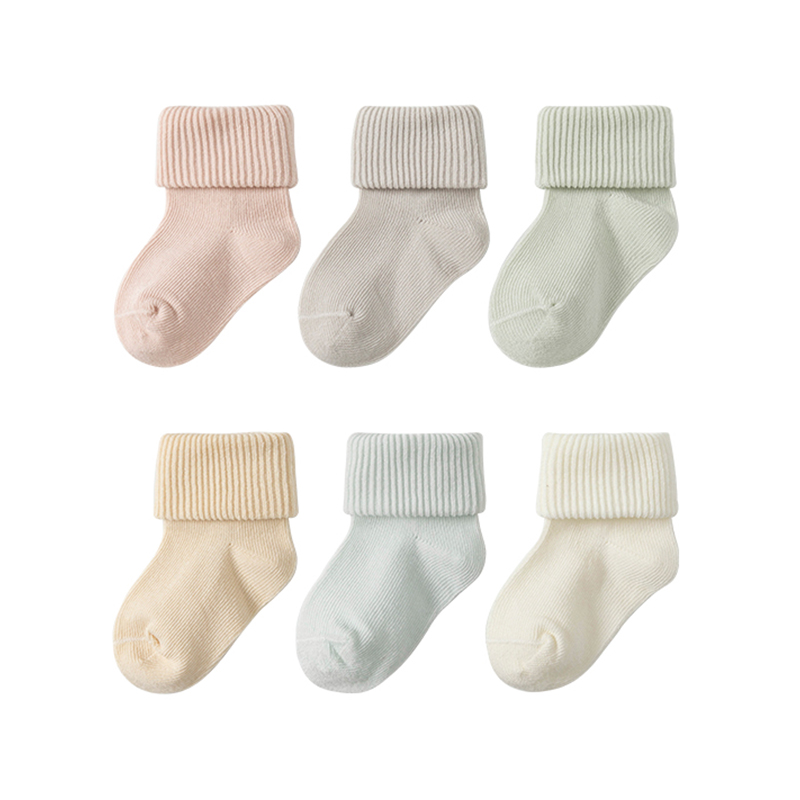
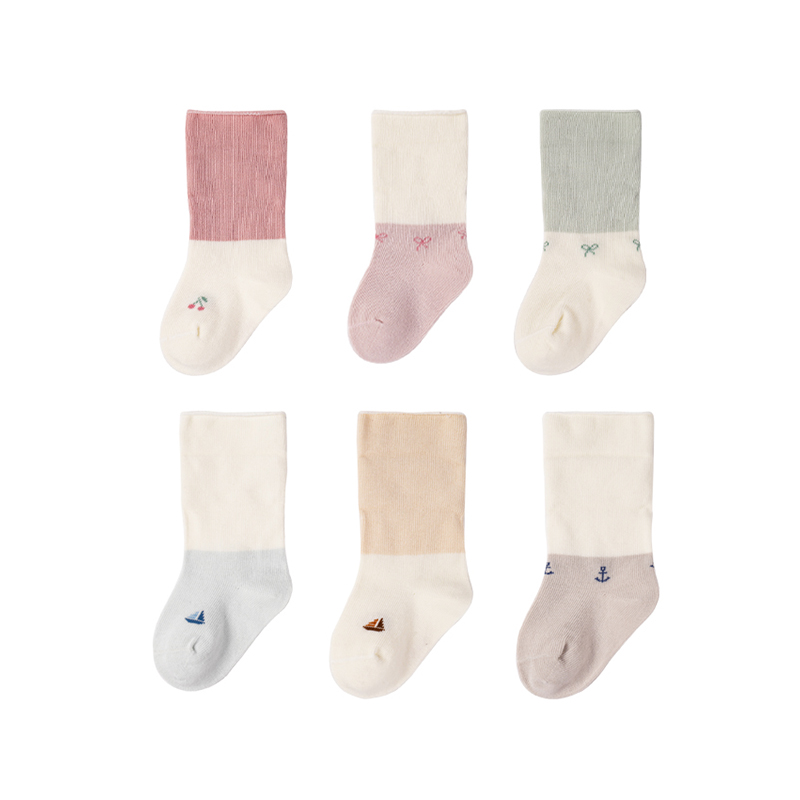
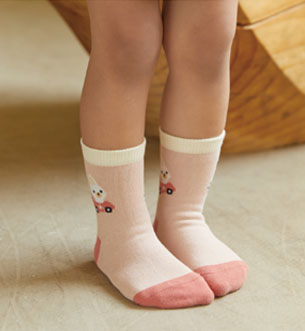
.jpg "Heather Stripe Ribbed Baby Classic Socks")
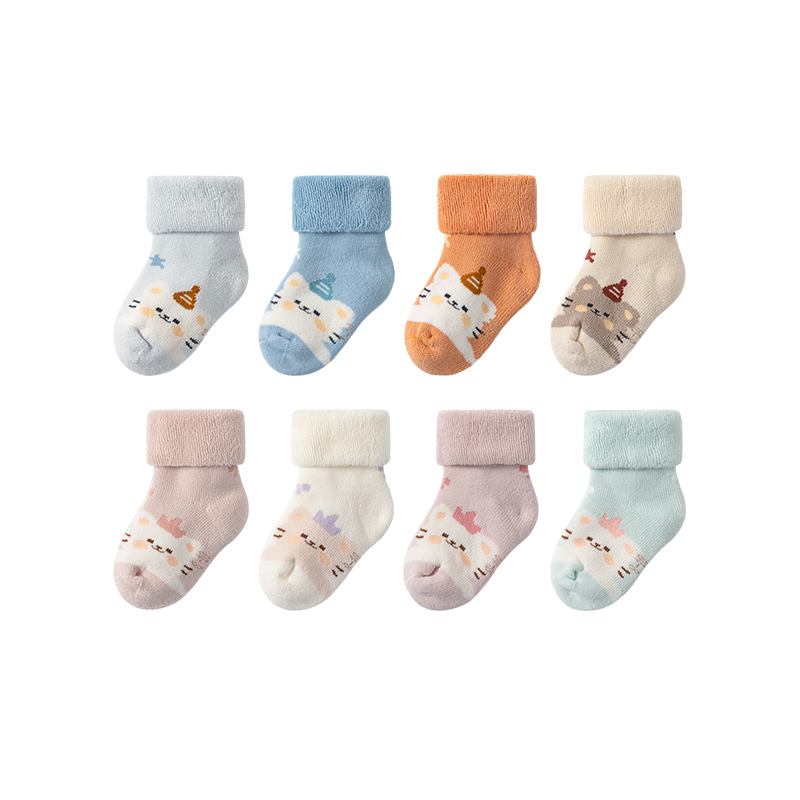
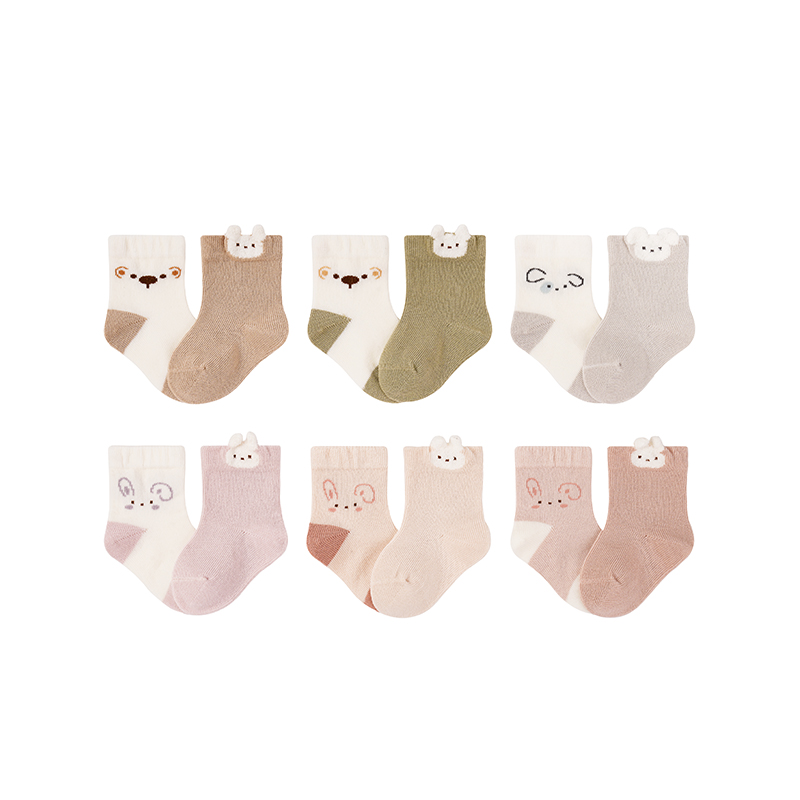
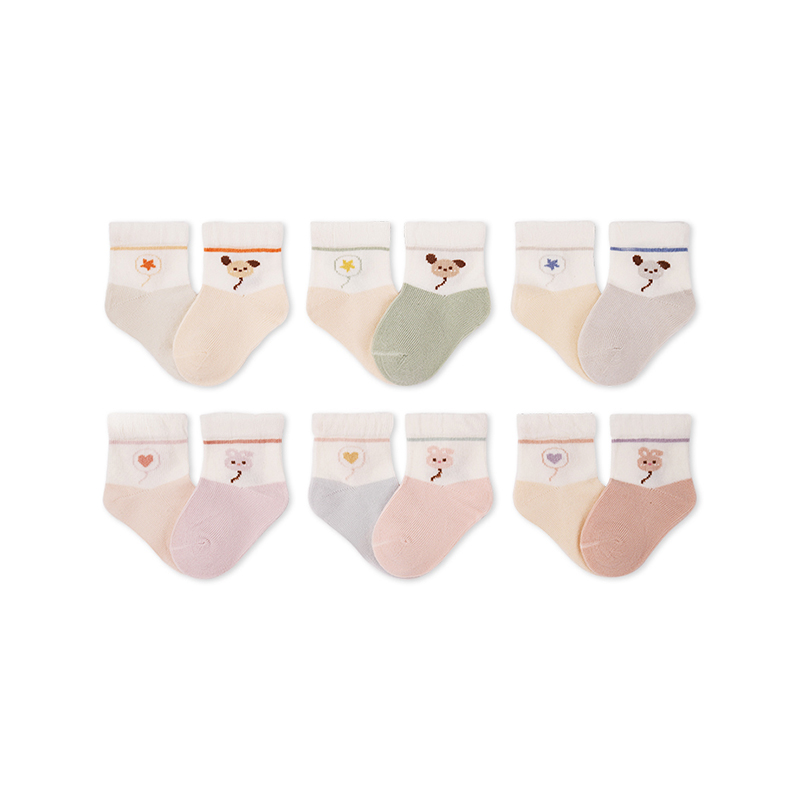
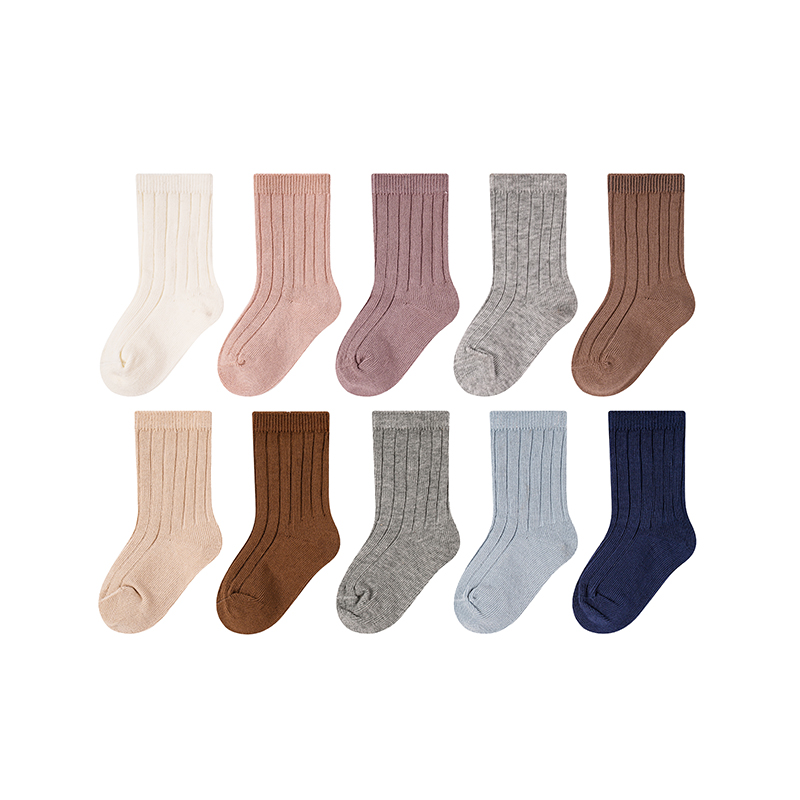
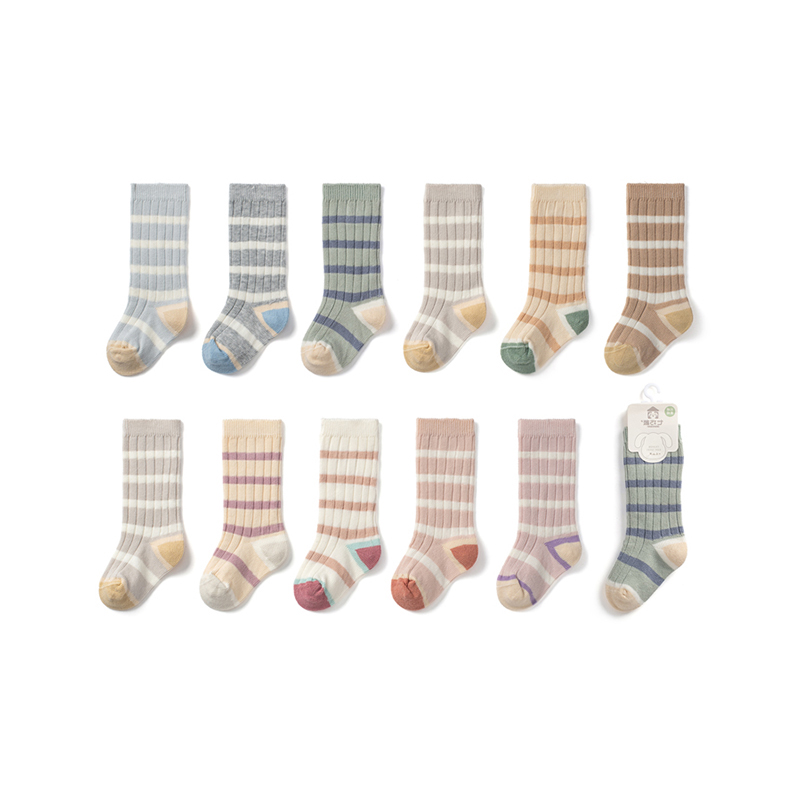
Sample Guide
See every detail in high definition.
No. 1222, Yinhai Road, Yiwu City, Zhejiang Province, China
Phone: +86-13735691188
Tel: +86-579-85531618
Fax: +86-579-81530188
Email: info@saintdesocks.com
Get In Touch
Feel Free To Contact Us
We will patiently and comprehensively answer your questions.

Best Custom Baby & kids Socks Manufacturer