 English
 русский
 Español
Feel Free To Contact Us
We will patiently and comprehensively answer your questions.
Why Baby Socks That Stay On Matter for Daily Use?

Saintde's professional manufacturing solutions empower your premium product production.
Baby socks may look like a simple accessory, but for infants and toddlers, they play a much more important role than decoration. Parents often struggle with socks that fall off easily, twist around the foot, or fail to provide enough grip on smooth floors. That is why baby socks that stay on have become a key focus in modern baby apparel design.
A well-designed baby sock should balance comfort, safety, and functionality. It must stay securely on the foot without squeezing the ankle, while also protecting delicate skin and supporting natural movement. Especially when babies start crawling or learning to walk, non-slip baby socks and baby socks with grips help reduce the risk of slipping and falling indoors.
-znsD.jpg)
This single question addresses the core concerns behind baby socks that stay on, baby socks with grips, and non-slip baby socks, and the answer lies in a combination of fabric choice, elasticity design, construction details, and sole technology.
Softness and Skin Safety
Babies have extremely sensitive skin, especially around the feet, where moisture can build up quickly. High-quality baby socks that stay on are typically made from soft, hypoallergenic materials such as:
These materials reduce friction and irritation, making it easier for babies to tolerate socks for longer periods without discomfort.
Breathability and Moisture Control
Breathability is essential for keeping socks in place. Excess moisture can make socks slippery from the inside, causing them to slide off. Breathable fabrics allow airflow and wick sweat away from the skin, helping the sock maintain its shape and grip on the foot.
Gentle Elastic Cuffs
One of the common reasons baby socks fall off is poorly designed elastic cuffs. Effective baby socks that stay on use soft, non-restrictive elastic bands that gently hug the ankle without leaving marks.
Key elasticity features include:
.jpg)
Sock Structure and Fit
The overall sock structure also matters. A contoured heel pocket and properly sized foot length prevent twisting and bunching. Socks designed specifically for infants are shaped differently from adult socks, allowing natural toe movement while staying aligned with the foot.
Why Grips Matter Indoors
As babies grow, they spend more time crawling, standing, and cruising along furniture. Smooth surfaces like hardwood floors or tiles can be slippery, increasing the risk of falls. Baby socks with grips provide extra traction without limiting movement.
Common Grip Materials
Most non-slip baby socks use soft grip materials applied to the sole, such as:
These materials are flexible, durable, and safe for skin contact. They offer friction without feeling hard underfoot.
Supporting Natural Movement
Non-slip baby socks are designed to protect while still allowing babies to feel the floor beneath them. Unlike hard-soled shoes, socks with grips encourage balance development and muscle coordination by allowing sensory feedback through the feet.
Indoor Safety Without Restriction
For babies who are not yet ready for shoes, non-slip baby socks are an ideal solution. They provide enough grip to prevent slipping while remaining lightweight and flexible.
| Feature | Standard Baby Socks | Baby Socks That Stay On | Baby Socks With Grips |
|---|---|---|---|
| Fabric Softness | Basic | Ultra-soft, hypoallergenic | Ultra-soft, breathable |
| Elastic Design | Loose or uneven | Gentle, secure fit | Secure fit with ankle support |
| Slip Resistance | None | Moderate | High (non-slip soles) |
| Indoor Safety | Low | Medium | High |
| Suitable Age | Newborn | Newborn to toddler | Crawling & walking stage |
Newborn Sock Priorities
For newborns, warmth and softness come first. Newborn socks focus on:
At this stage, grips are not always necessary, but a secure fit is still important to prevent socks from slipping off.
Transition to Grip Socks
As babies grow more active, baby socks with grips become more useful. Once crawling and standing begin, non-slip soles offer an added layer of safety without the need for shoes indoors.
Knitting Density
Higher knitting density improves durability and helps socks maintain shape after repeated washing. Well-knit baby socks that stay on are less likely to stretch out or lose elasticity over time.
Seam Placement
Flat toe seams and smooth interior stitching reduce irritation and prevent pressure points, making babies more comfortable wearing socks for longer periods.
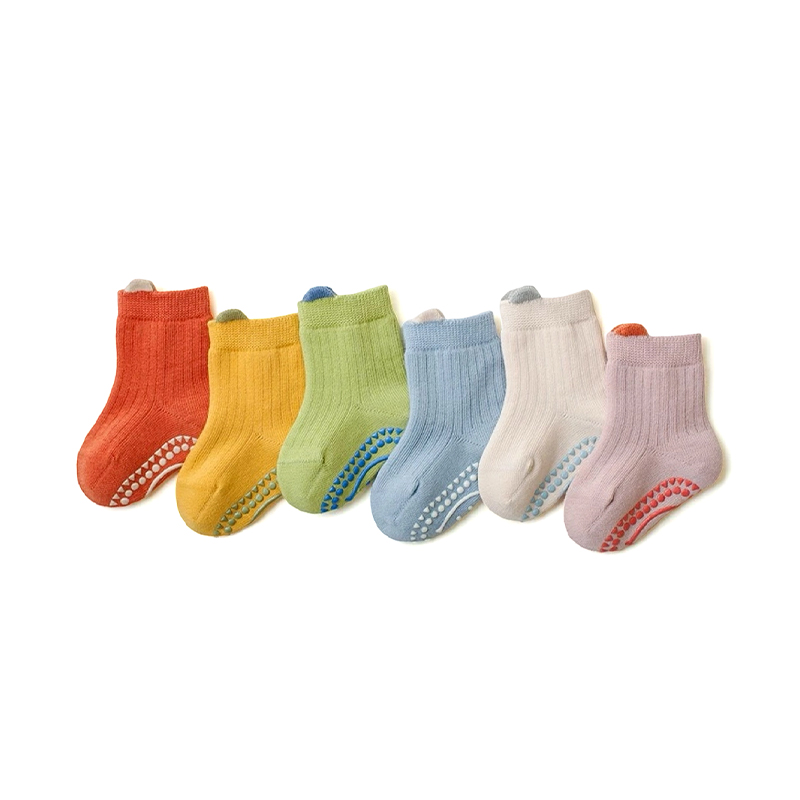
Even the good baby socks can lose performance if not cared for properly. Quality baby socks with grips are designed to withstand frequent washing while maintaining elasticity and grip strength.
Recommended care practices include:
Parents increasingly prefer non-slip baby socks as an everyday solution because they combine comfort, safety, and convenience. They eliminate the need for indoor shoes while still protecting babies' feet from cold floors and rough surfaces.
From temperature regulation to fall prevention, baby socks that stay on and include grip technology offer practical benefits that align with modern parenting needs.
High-quality baby socks are not just about style. Fabric choice, elasticity, grip design, and construction details all work together to create socks that stay on, protect delicate feet, and support early development. Whether for newborn warmth or toddler safety, baby socks with grips and non-slip baby socks have become essential items in today's baby apparel market.
Baby socks are a small but essential part of infant care, directly affecting comfort, safety, and early development. High-quality baby socks that stay on combine soft, breathable fabrics with gentle elasticity to ensure a secure fit without restricting movement. As babies grow more active, baby socks with grips and non-slip baby socks provide added stability on smooth indoor surfaces, helping reduce slips while supporting natural balance and coordination. By focusing on fabric safety, proper fit, and functional design, well-made baby socks offer reliable protection and everyday comfort from the newborn stage through early walking.
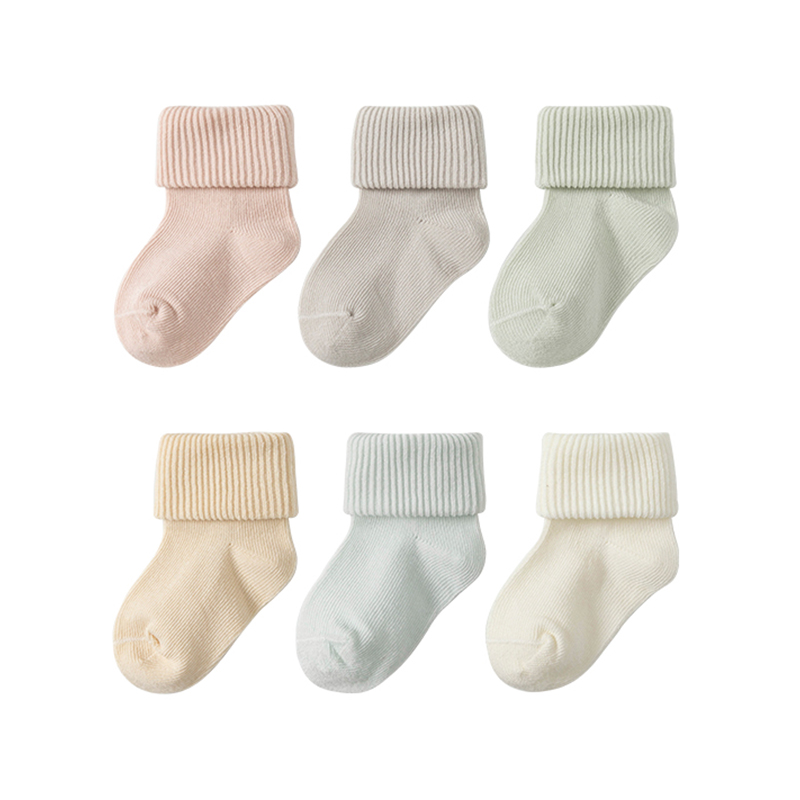
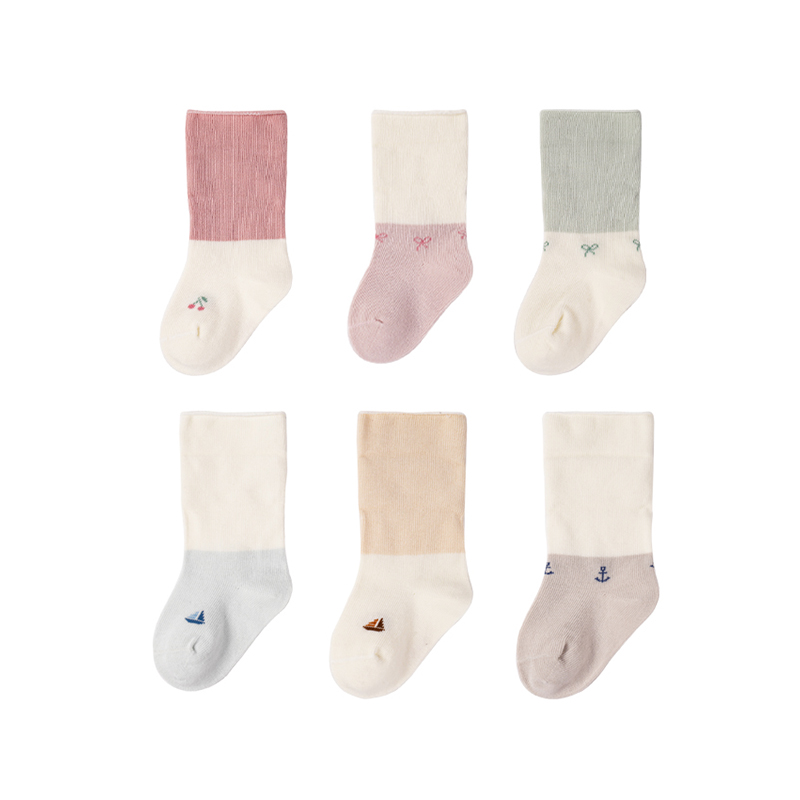
.jpg "Heather Stripe Ribbed Baby Classic Socks")
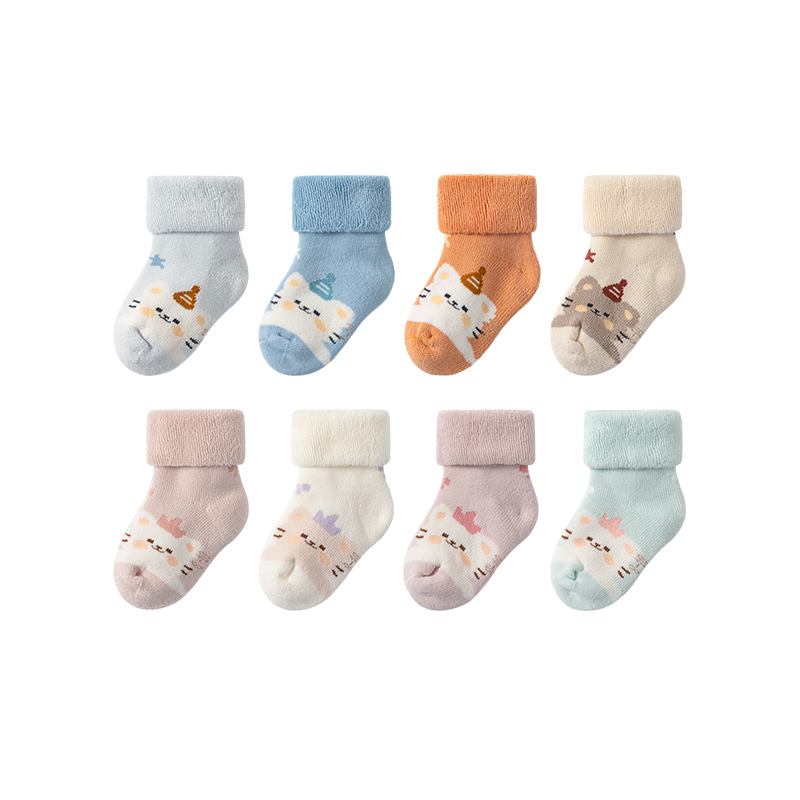
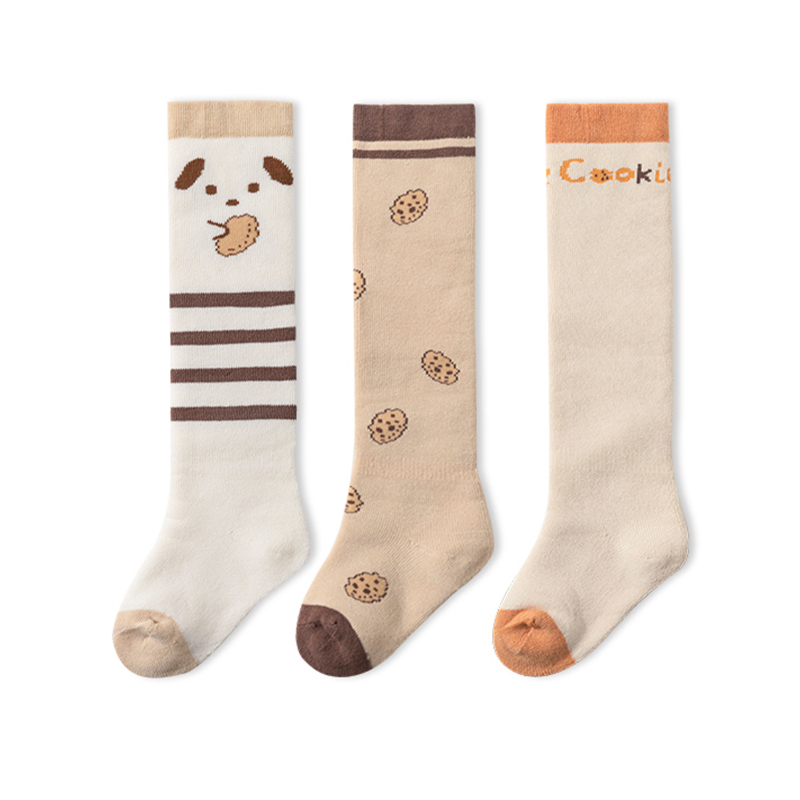
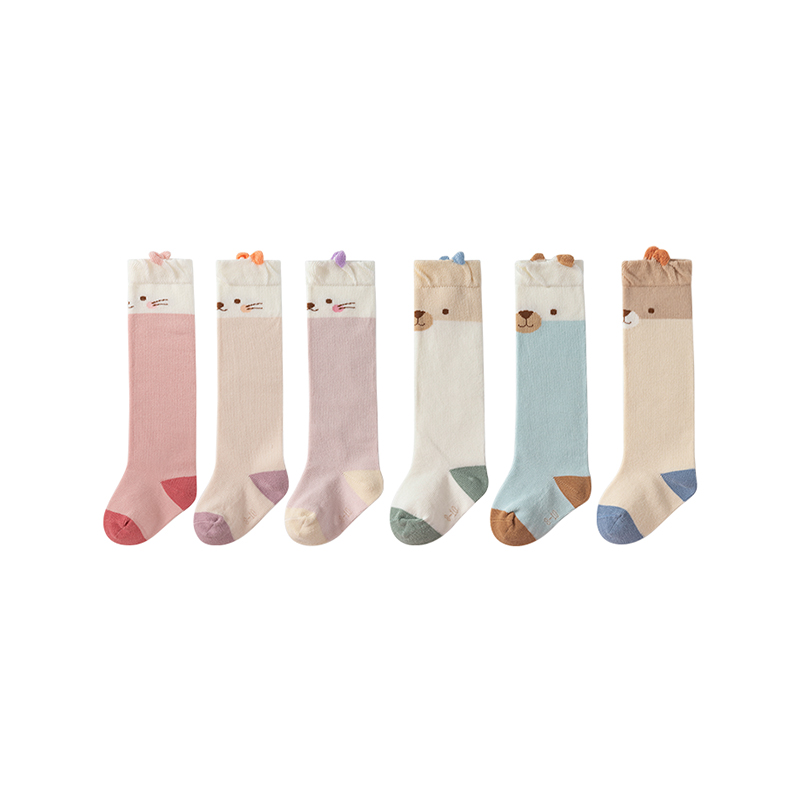
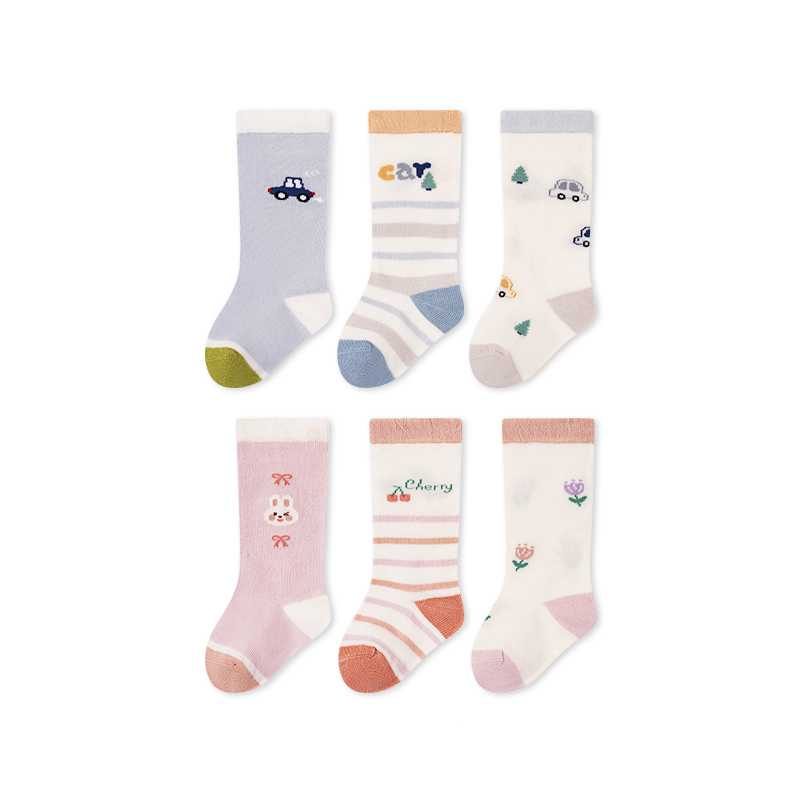
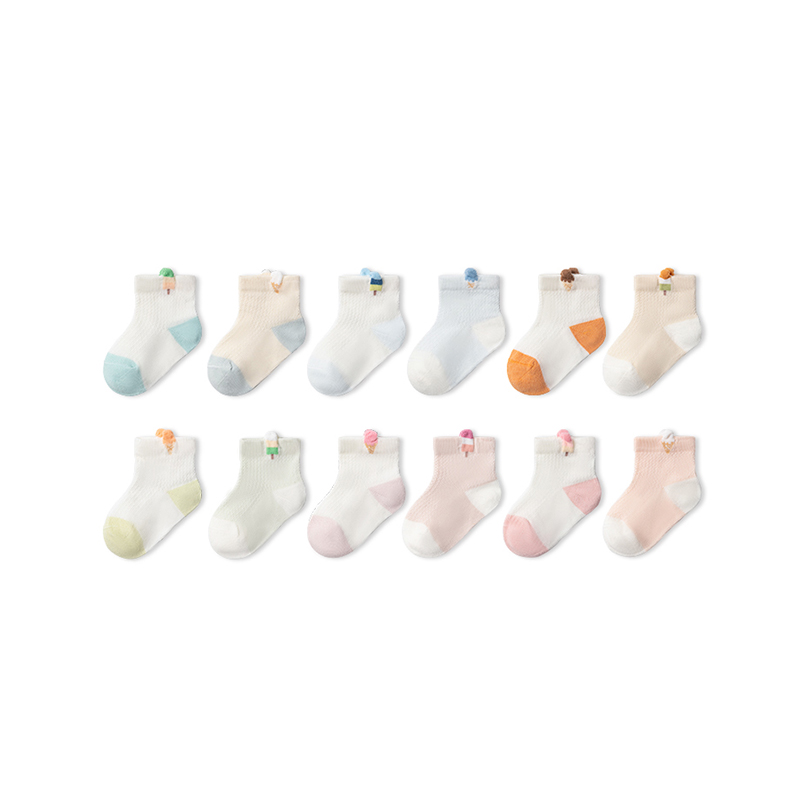
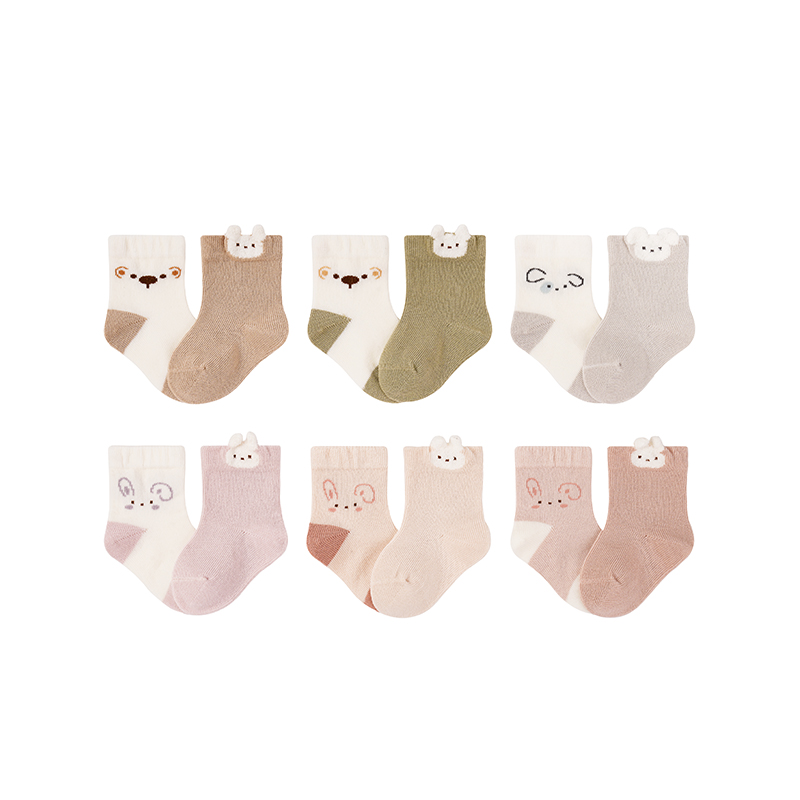
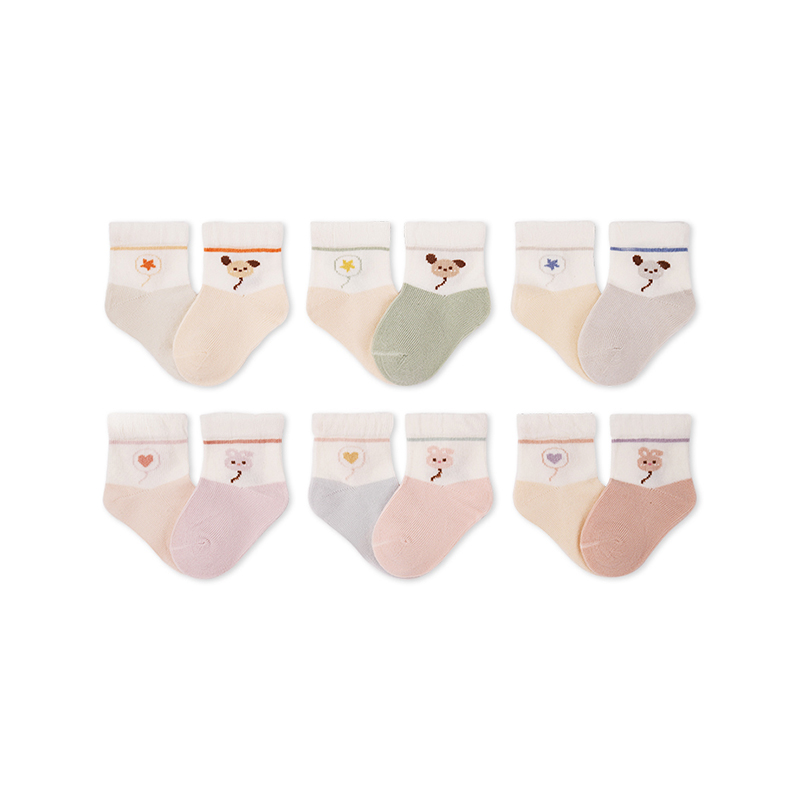
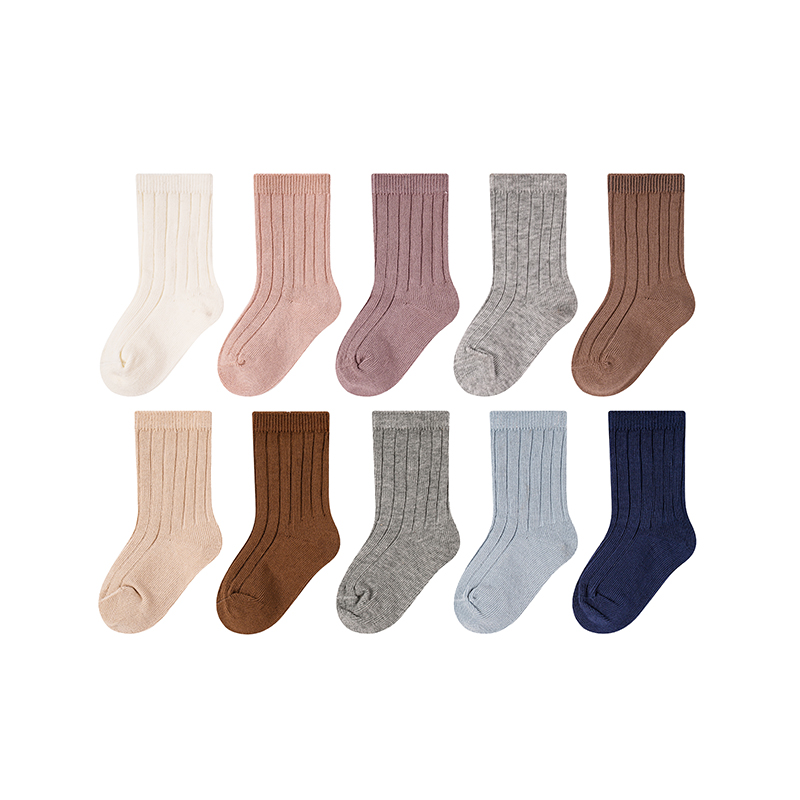
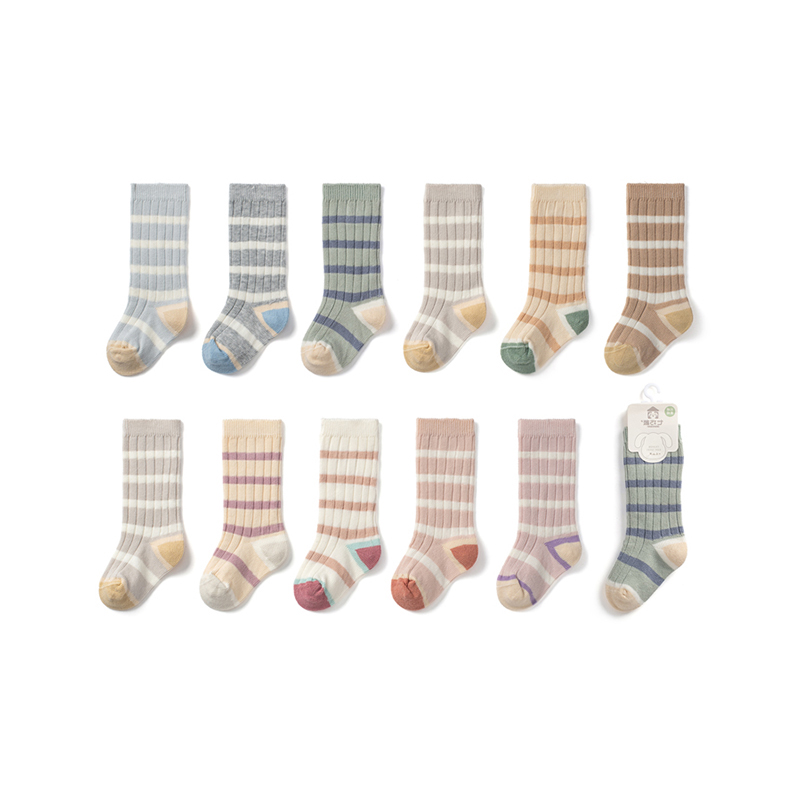
Sample Guide
See every detail in high definition.
No. 1222, Yinhai Road, Yiwu City, Zhejiang Province, China
Phone: +86-13735691188
Tel: +86-579-85531618
Fax: +86-579-81530188
Email: info@saintdesocks.com
Get In Touch
Feel Free To Contact Us
We will patiently and comprehensively answer your questions.

Best Custom Baby & kids Socks Manufacturer