 English
 русский
 Español
Feel Free To Contact Us
We will patiently and comprehensively answer your questions.
Why Do Baby Socks Need Good Breathability?

Saintde's professional manufacturing solutions empower your premium product production.
Baby socks may look like a small detail, but they play a steady role in a baby's daily comfort and early development. From skin sensitivity to temperature changes, babies experience the world very differently from adults. That difference shapes how baby socks are designed, produced, and tested at the factory level.
A professional Baby Socks Manufacturer focuses not only on appearance, but also on fabric behavior, elasticity, and wear comfort over time. These elements help socks perform well in real daily use rather than just looking appealing in packaging.
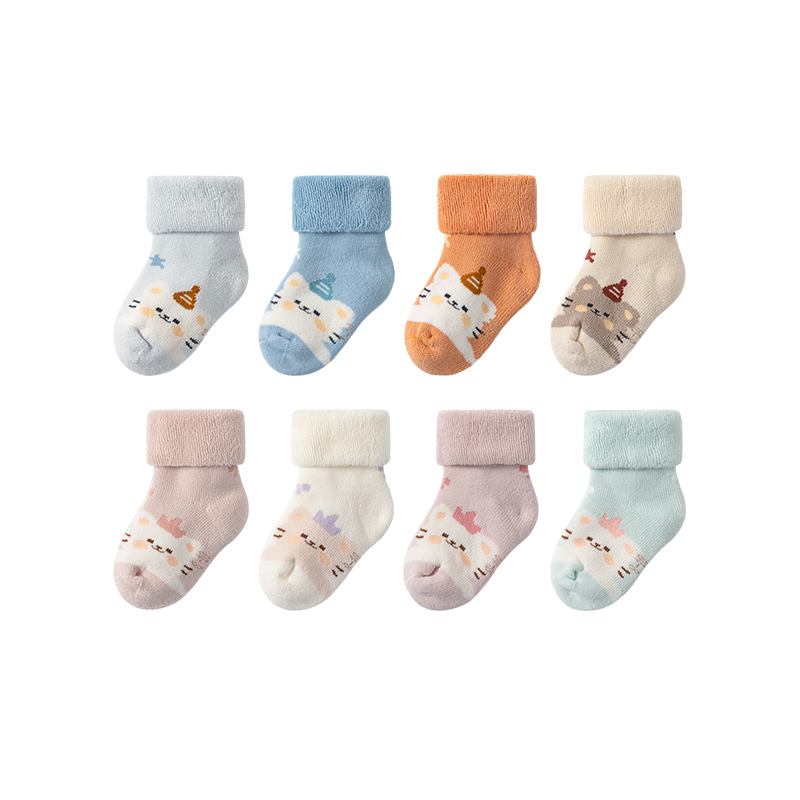
Babies have delicate skin that can react quickly to rough fibers or chemical residue. For this reason, baby socks are commonly produced using natural fibers. Cotton is widely used because it feels soft, allows airflow, and suits daily wear. Bamboo fiber is also popular due to its smooth texture and natural resistance to odor-causing bacteria. Wool, especially fine wool types, is often used for cooler environments because it offers warmth while remaining breathable.
At the production stage, fabric selection involves testing yarn smoothness, fiber length, and finishing processes. A responsible Baby Socks Manufacturer avoids harsh treatments that could irritate skin during long periods of contact.
Babies' feet tend to sweat more than adults', even when they are not moving much. If moisture stays trapped, it can cause discomfort and skin irritation. Breathable fabrics allow air to move through the sock, helping moisture evaporate naturally.
Cotton and bamboo fibers manage moisture well, making them common choices for everyday baby socks. Breathable knitting structures also matter. Looser knit patterns improve airflow while still keeping the socks in place.
Elasticity helps baby socks stay on without sliding off during movement. However, excessive tightness can leave marks or restrict blood flow. That is why soft elastic yarns are used around the cuff area.
From a manufacturing standpoint, elastic tension is carefully adjusted. Socks must stretch enough to accommodate foot movement while returning to shape after washing. Well-balanced elasticity supports comfort and reduces the need for frequent size changes.
Babies are still developing their ability to manage body temperature. Feet can lose heat quickly, especially in cooler indoor environments. Infant socks provide light insulation without limiting movement. This helps babies stay comfortable during rest and play.
.jpg)
Babies spend a lot of time close to the floor. Socks act as a barrier between sensitive skin and dust, textured mats, or cool surfaces. Some designs include non-slip elements that help reduce sliding once babies start crawling or standing.
A skilled Baby Socks Manufacturer evaluates yarn sourcing, knitting density, and finishing methods. Socks are tested for stretch recovery, wash durability, and color stability. These checks help maintain consistent quality across production batches.
Factories also consider size grading carefully. Baby feet grow quickly, so accurate sizing helps reduce discomfort caused by socks that are too tight or too loose.
When baby socks are designed around real usage, they support comfort, warmth, and freedom of movement. Fabric choice, breathability, elasticity, and structure all work together to meet the needs of growing feet.
From material selection to final inspection, baby socks reflect a combination of textile knowledge and practical understanding of infant comfort. For factories and brands alike, attention to these details helps create baby socks that fit naturally into everyday life.
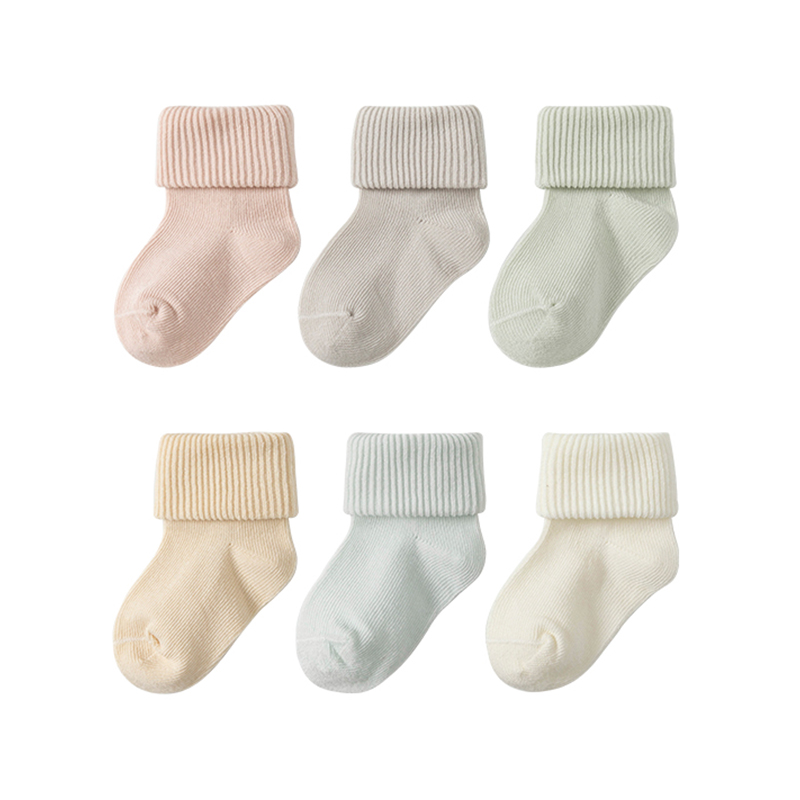
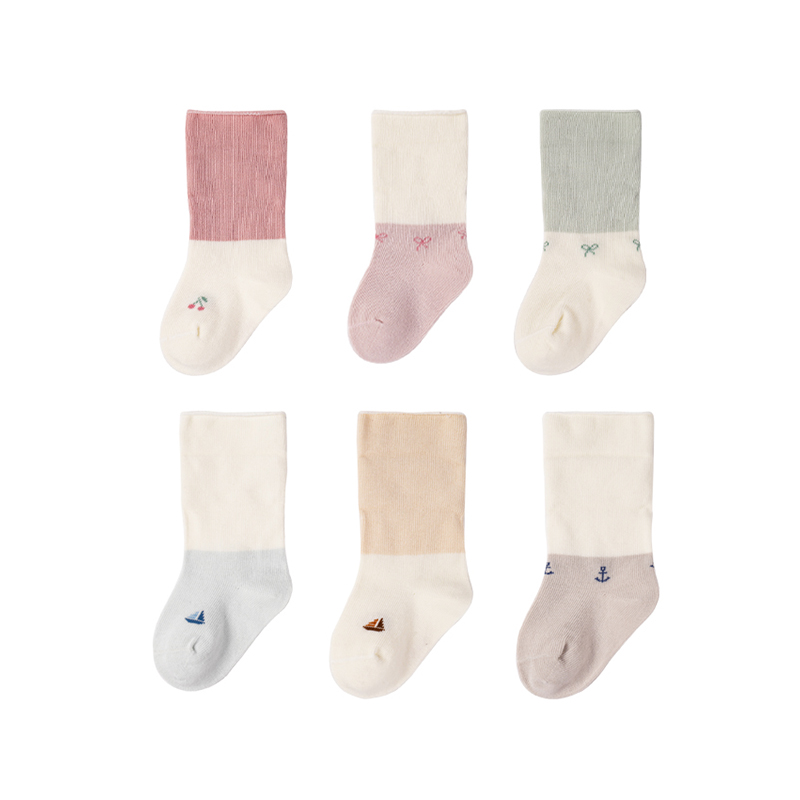
.jpg "Heather Stripe Ribbed Baby Classic Socks")
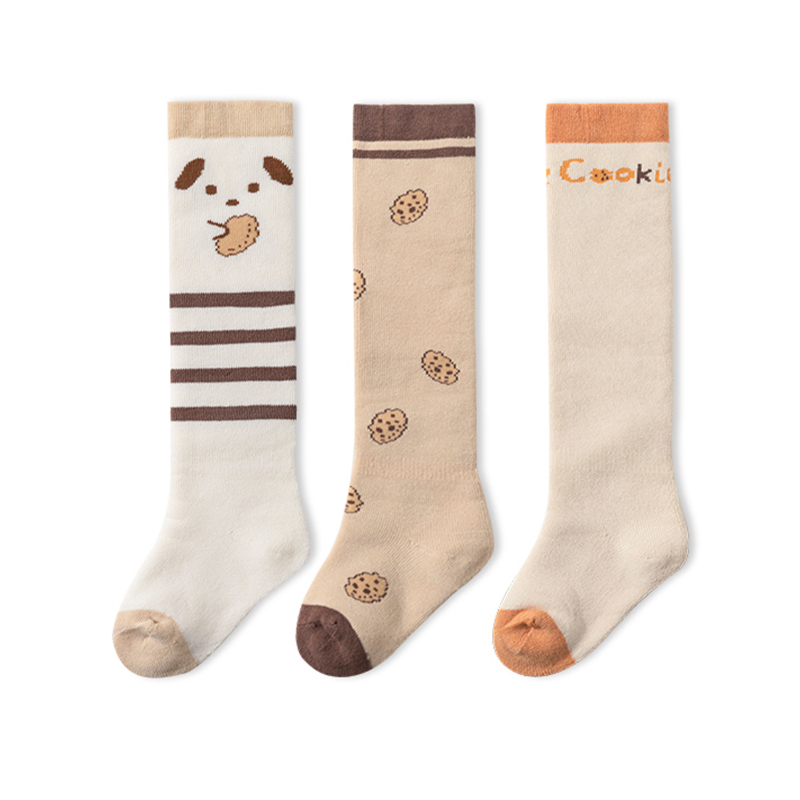
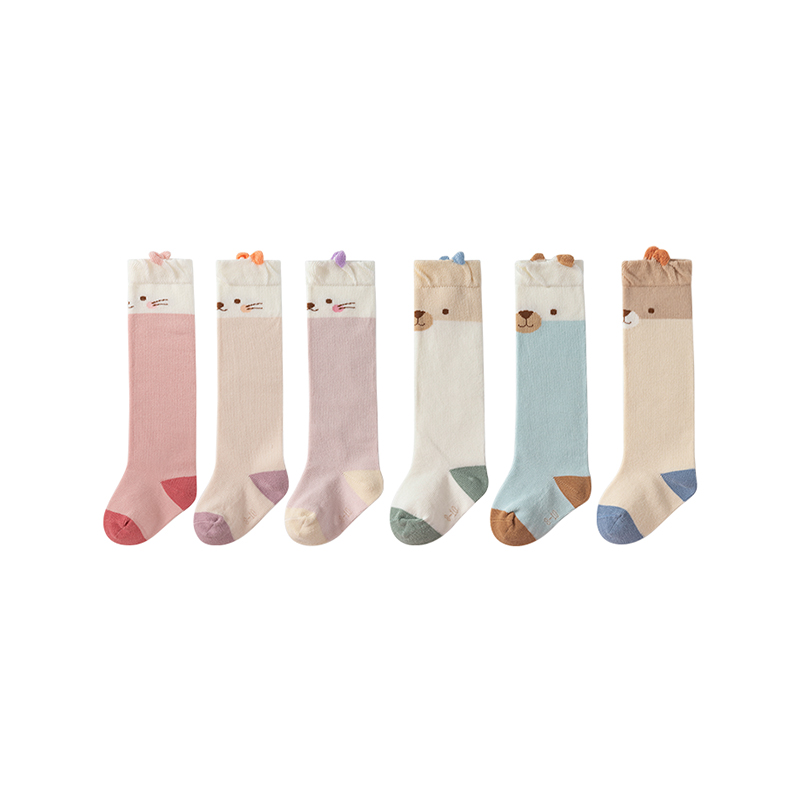
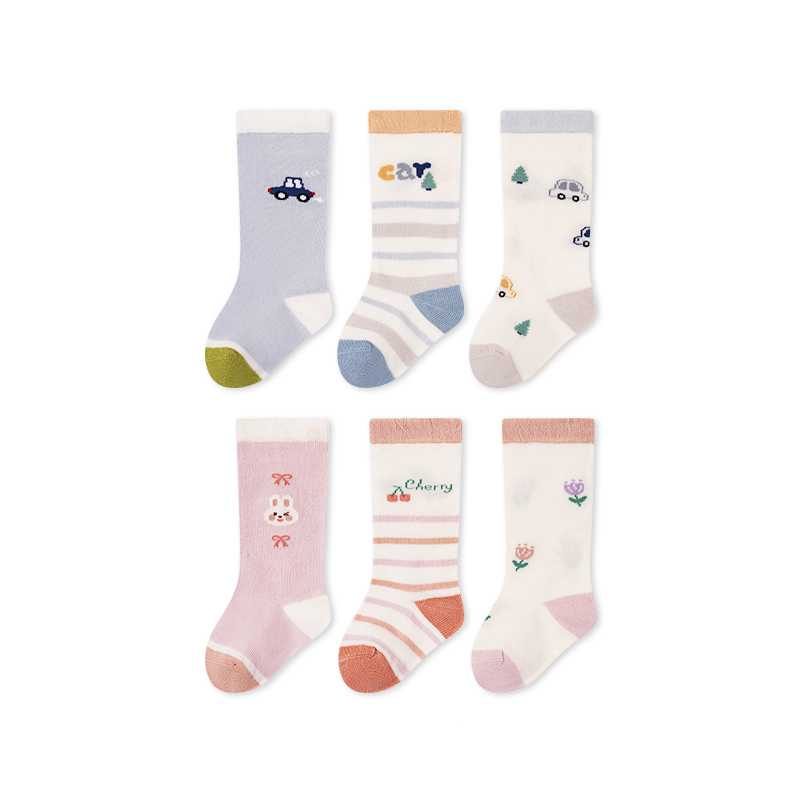
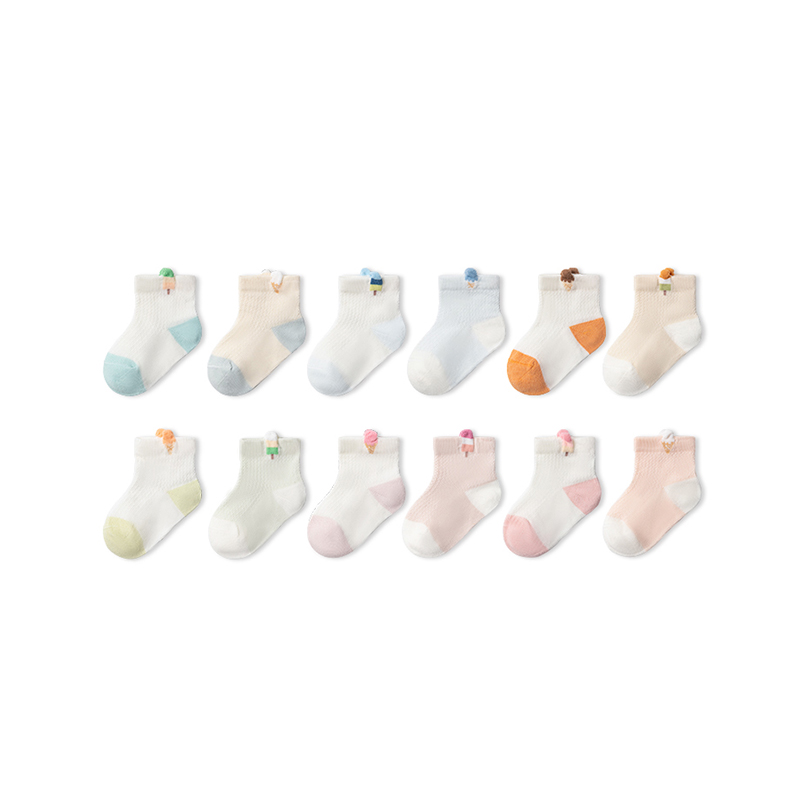
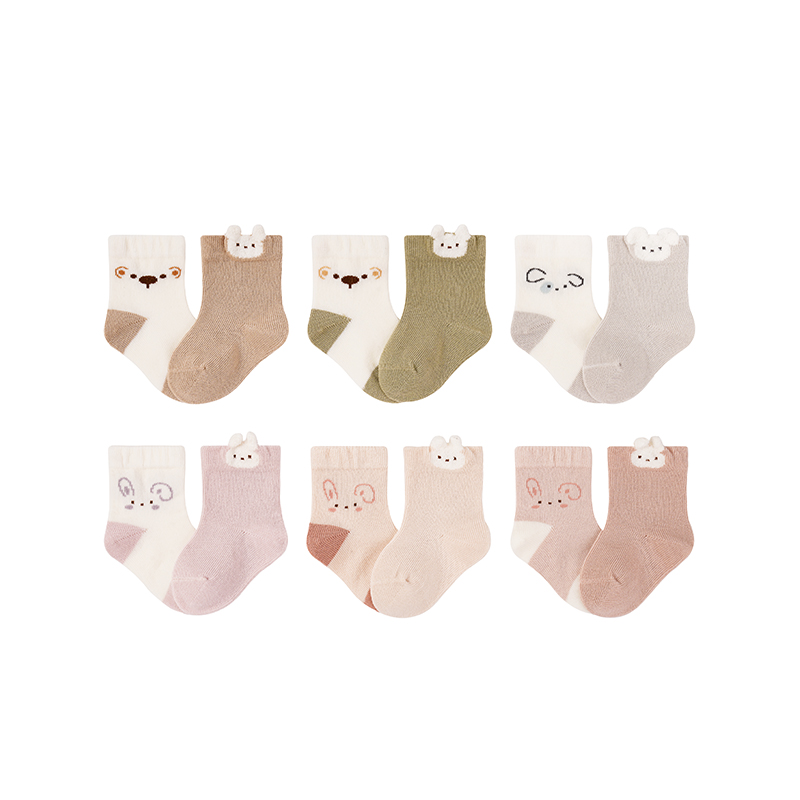
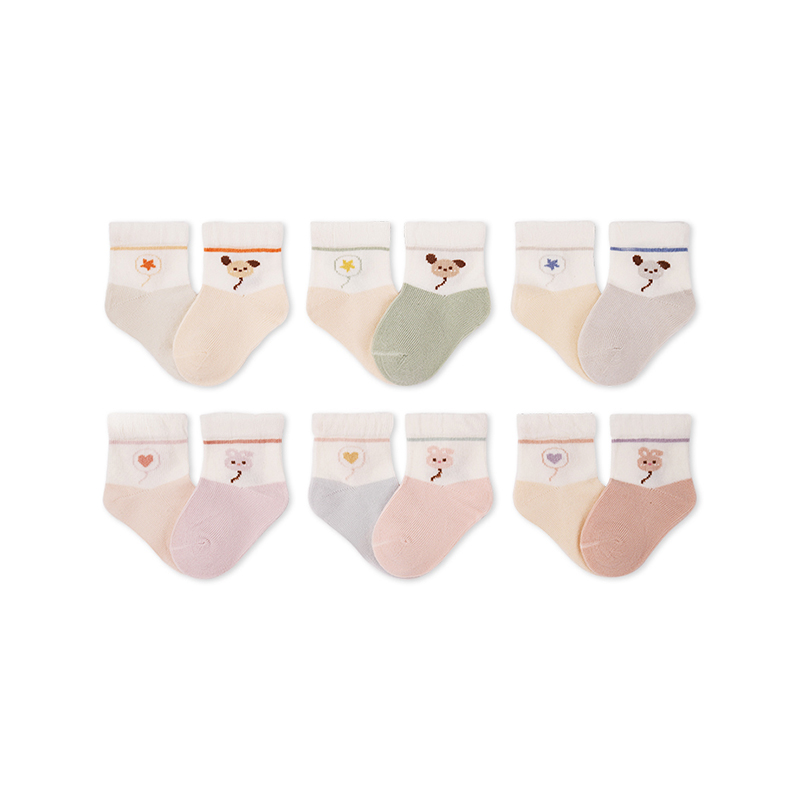
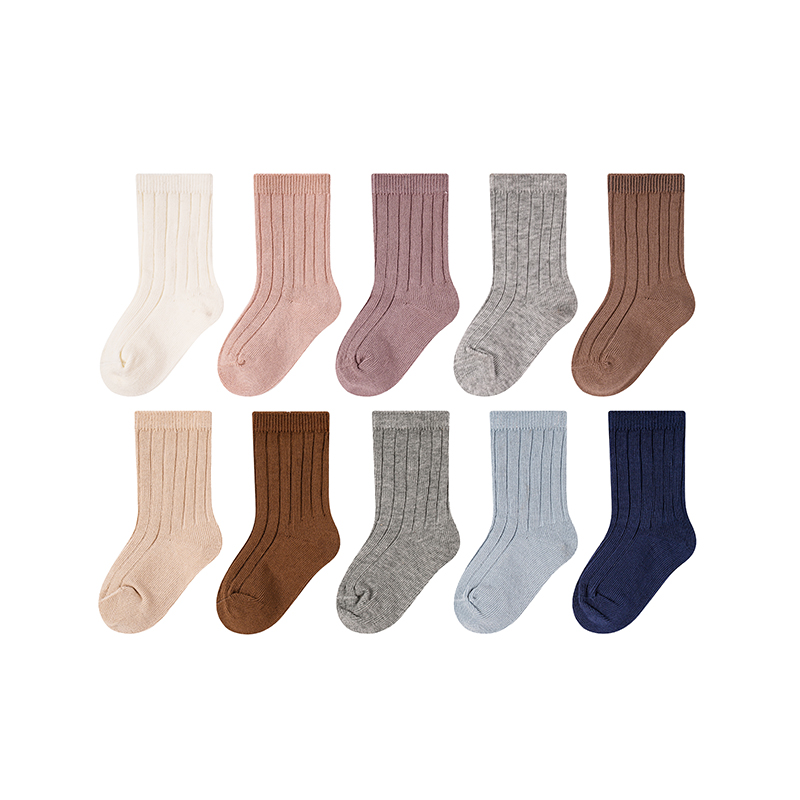
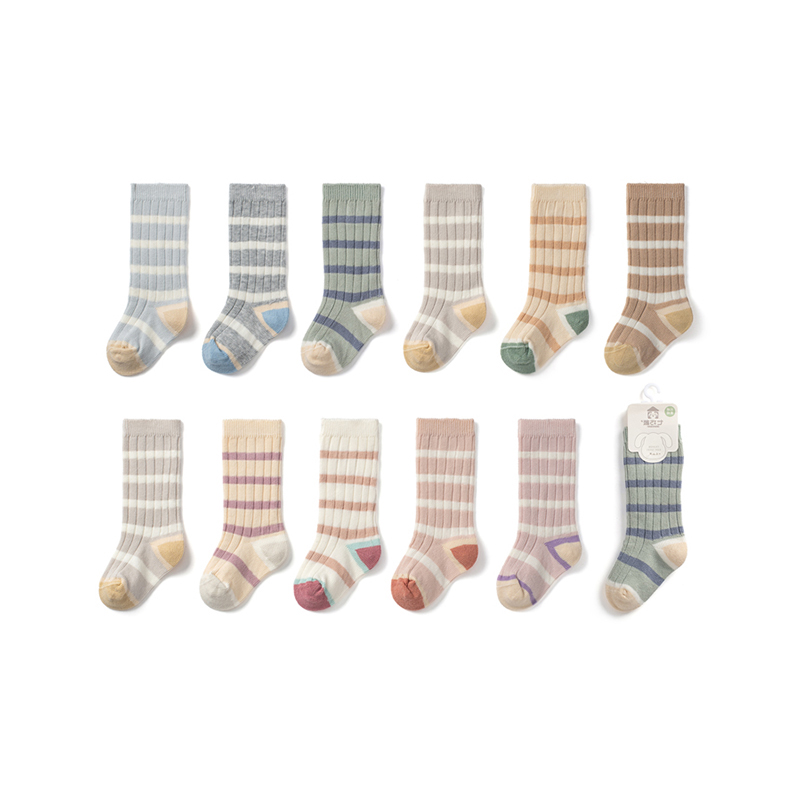
Sample Guide
See every detail in high definition.
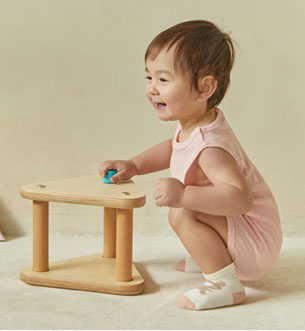
No. 1222, Yinhai Road, Yiwu City, Zhejiang Province, China
Phone: +86-13735691188
Tel: +86-579-85531618
Fax: +86-579-81530188
Email: info@saintdesocks.com
Get In Touch
Feel Free To Contact Us
We will patiently and comprehensively answer your questions.

Best Custom Baby & kids Socks Manufacturer