 English
 русский
 Español


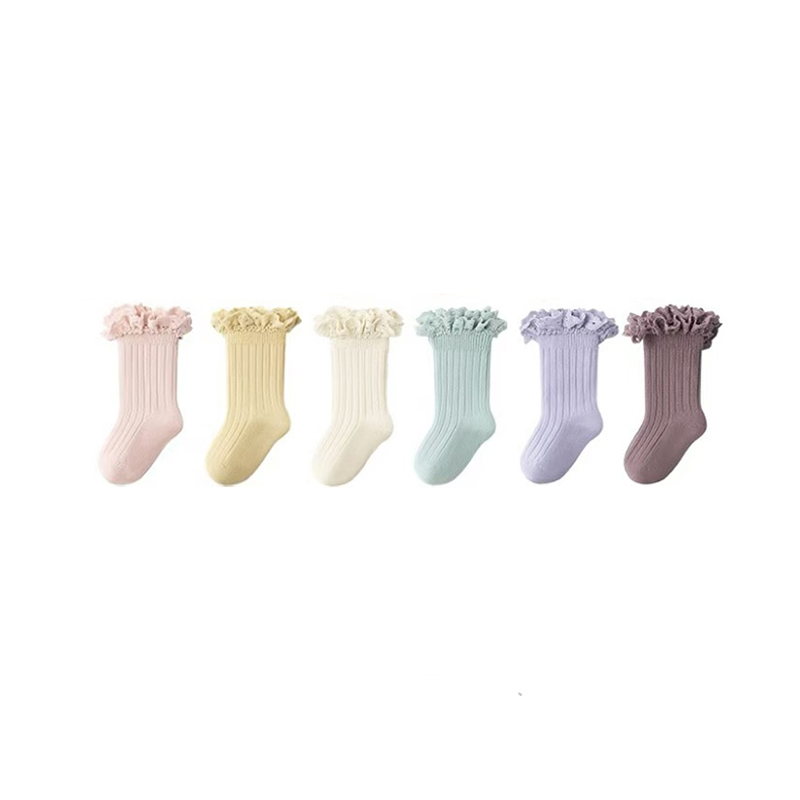
.jpg "6-Pack Ribbed Cotton Crew Girl Baby Frilly Ruffle Socks")
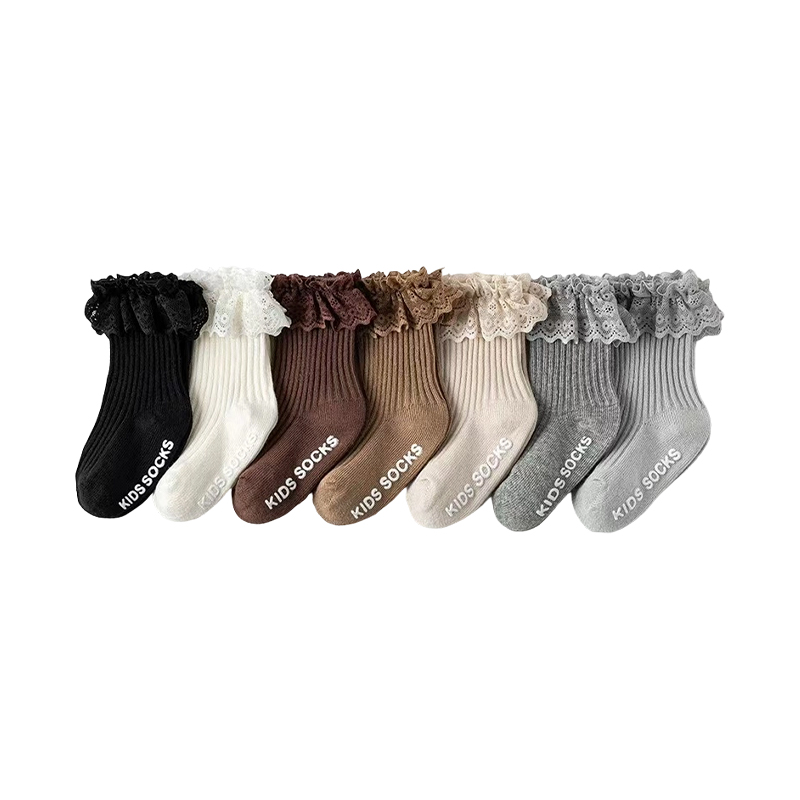
.jpg "Long Style Cotton Lace Solid Colors Toddlers Girls Baby Ruffle Socks")
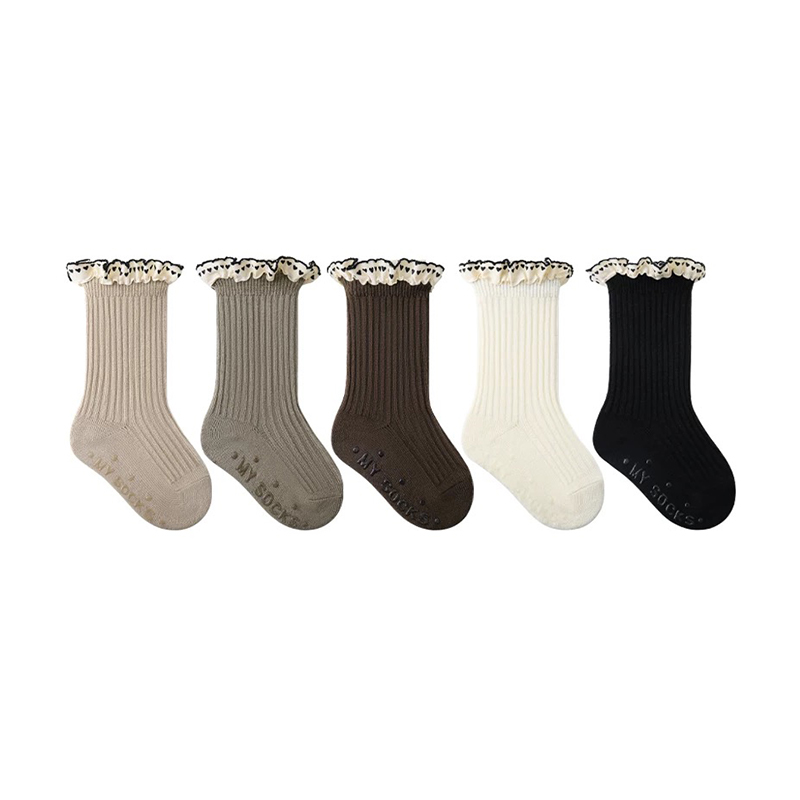
.jpg "5-Pack Non-Slip Grips Baby Toddler Girls Ruffle Crew Socks")
Feel Free To Contact Us
We will patiently and comprehensively answer your questions.
Lace Trim Socks For Girls Manufacturer
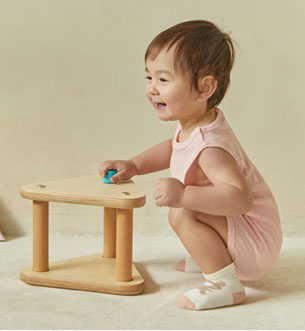
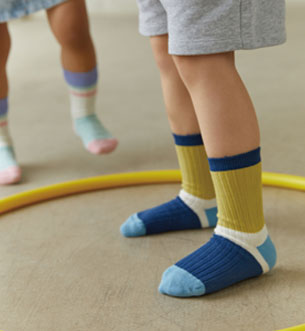
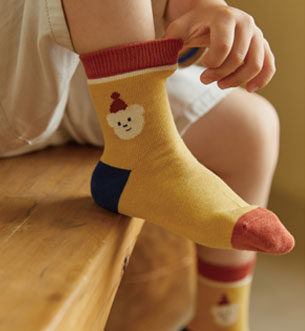
Our Baby Lace Socks are delicately crafted for infant girls, featuring charming ruffled edges that add a touch of elegance to any outfit.
Made from soft, breathable materials, these socks provide gentle comfort for sensitive baby skin while ensuring a secure fit. The lightweight design allows natural movement, keeping little feet cozy without restriction.
From a manufacturing standpoint, our factory emphasizes precision in stitching and quality control, ensuring that every pair maintains its shape and lace detailing after repeated wear. These lace socks are perfect for special occasions or daily wear, combining style, comfort.

About Saintde Socks
Founded in 1999, Saintde Socks is a Custom Baby Ruffle Socks Factory and China Baby Ruffle Socks Supplier. Saintde Socks began as a small workshop and has grown into a modern production base covering 53,000 sqm, dedicated to baby and toddler socks.
Over the past 25 years, we’ve provided customized solutions for over 5,000 clients worldwide, covering every stage from newborns to toddlers.
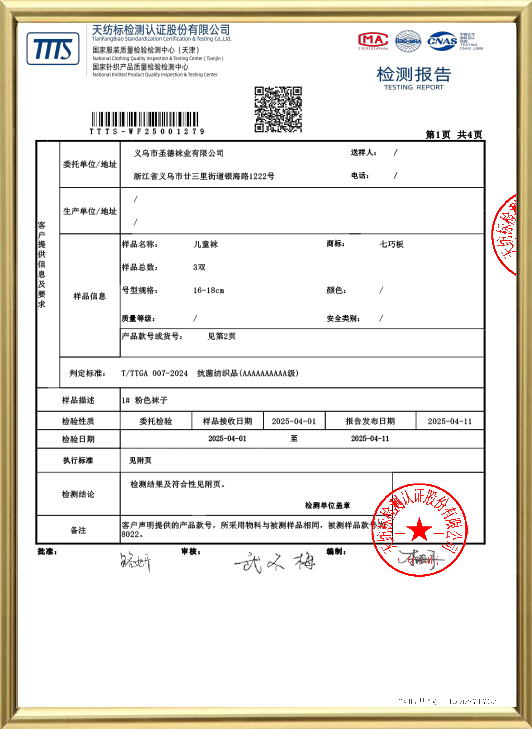
Honors and Certificates
News and Information
Mar 20, 2026 • Industry News
Mar 13, 2026 • Industry News
Mar 06, 2026 • Industry News
Message Feedback
The patterns found on lace trim socks for girls originate from a confluence of historical textile traditions, contemporary fashion cycles, and practical design considerations. These influences merge to create the decorative motifs that adorn infant and children's footwear.
Patterns often derive from classic lace styles, such as the geometric, grid-like designs of filet lace or the delicate floral and vine motifs of Chantilly and Valenciennes laces. These traditional patterns, historically crafted for bridal veils, christening gowns, and formal collars, carry connotations of refinement and special occasion. Their adaptation onto socks transplants this sense of delicacy and celebration to children's wear. The lace trim itself—whether a simple picot edge, a scalloped border, or a wider band of intricate openwork—directly references these heirloom techniques, even when produced by modern machinery.
Alongside historical reference, patterns are shaped by broader children's fashion trends. Design themes from seasonal apparel collections, such as botanical prints, nautical elements, or abstract geometries, are frequently miniaturized and translated into lace patterns or the sock's knit design that accompanies the lace trim. The pattern may also be driven by a simple, functional aesthetic: small, repeating motifs like dots, stars, or tiny hearts are common, as they provide visual interest without overwhelming the small scale of a baby's sock or compromising the structure of the lace. Ultimately, the pattern serves as a bridge between the symbolic softness of heirloom lace and the playful, scaled-down world of children's fashion.
The dyeing process for baby lace socks involves specific methods and material considerations to achieve color while addressing the delicacy of the lace and concerns for infant safety. The technique is selected based on the sock's fiber content and the location of the lace.
For socks where the lace is a separate trim sewn or knitted onto a cotton or blend base, a piece-dyeing method is often employed. In this process, the completed, assembled sock is dyed in large batches. The socks are submerged in a dye bath, allowing the color to penetrate both the main body and the lace trim uniformly. This method is efficient and ensures color matching between the different components. However, the composition of the lace must be considered; if the lace is made from a synthetic fiber like polyester and the sock body is cotton, a dye type that adheres to both fibers must be used, or the lace may accept color differently, resulting in a tonal variation.
Alternatively, yarn-dyeing may be used for higher-end or more complex designs. Here, the yarn itself is dyed before the sock is knitted. This allows for precise color placement, such as creating stripes or patterns in the cuff, and can result in richer, more colorfast products. If the lace is knitted as an integrated part of the sock from the same dyed yarn, this method ensures color consistency. Regardless of the method, dyes used for infant products are typically chosen for their safety profile. Low-impact, fiber-reactive dyes that bond well to the material and require thorough rinsing are common, as they minimize the risk of dyes leaching onto sensitive skin. The final steps always involve rigorous washing to remove any unfixed dye and softeners to maintain the lace's delicate texture.
Safety in cotton baby lace socks is addressed through intentional design choices, secure construction, and rigorous post-production testing. The goal is to mitigate risks associated with delicate materials and infant mobility.
Design and material selection prioritize hazards. The lace used is typically a tight, low-profile knit or embroidery to reduce the size of any openings, preventing tiny fingers or toes from catching and constricting. Loose, long threads or loops are avoided in the pattern design. The lace trim is often anchored flat against the sock fabric rather than being left as a free-hanging frill, which could pose a tangling or tripping risk for a crawling infant. Furthermore, the cotton base is chosen for its breathability and low irritant potential, forming a safe foundation for the decorative element.
Construction focuses on durability and secure attachment. The lace must be affixed to the sock with strong, fine stitching that can withstand repeated washing and pulling without unraveling. Seams, particularly where the lace meets the sock fabric, are made flat and smooth to prevent chafing against delicate skin. Any decorative additions, such as small bows or embroidered details, are sewn on with exceptional security and checked to ensure they cannot be detached easily, eliminating choking hazards. The sock's overall fit is also considered, with gentle, non-binding elastic to ensure it stays on without restricting circulation.
Sample Guide
See every detail in high definition.

No. 1222, Yinhai Road, Yiwu City, Zhejiang Province, China
Phone: +86-13735691188
Tel: +86-579-85531618
Fax: +86-579-81530188
Email: info@saintdesocks.com
Get In Touch
Feel Free To Contact Us
We will patiently and comprehensively answer your questions.

Cotton Baby Lace Socks Custom