 English
 русский
 Español

.jpg "Women's Athletic Socks With Thickened Arch Support")


Feel Free To Contact Us
We will patiently and comprehensively answer your questions.
Woman Athletic Socks Company
Our Women's Athletic Socks are specially designed to support active lifestyles with a perfect balance of comfort and performance. Made from breathable, moisture-wicking fabrics, they keep feet dry and fresh during workouts, running, or training.
Cushioned sole reduces impact and fatigue, while elastic arch support provides stability and a secure fit. Reinforced heel and toe panels ensure durability, while seamless construction prevents rubbing or blisters. These socks are designed to conform to the contours of a woman's foot for a snug, comfortable fit and enhanced flexibility and comfort.
With stylish colors and versatile lengths, they combine functionality with fashion, making them an essential choice for sports, fitness, and daily active wear.

About Saintde Socks
Founded in 1999, Saintde Socks is a Custom Women's Athletic Socks Factory and China Women's Athletic Socks Supplier. Saintde Socks began as a small workshop and has grown into a modern production base covering 53,000 sqm, dedicated to baby and toddler socks.
Over the past 25 years, we’ve provided customized solutions for over 5,000 clients worldwide, covering every stage from newborns to toddlers.
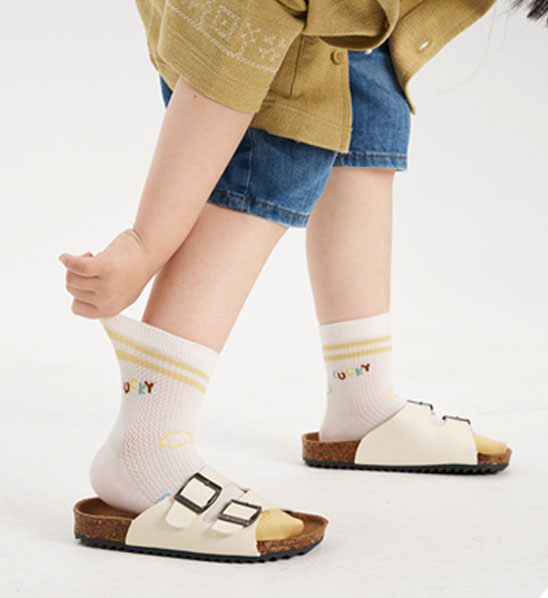
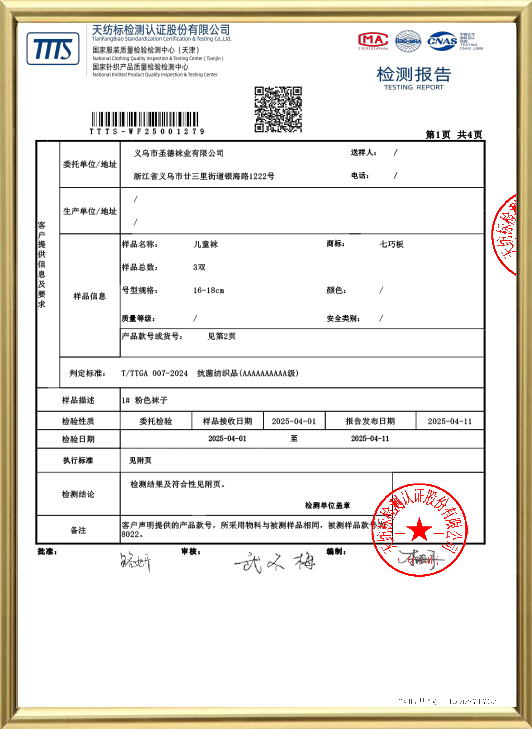
Honors and Certificates
News and Information
Mar 20, 2026 • Industry News
Mar 13, 2026 • Industry News
Mar 06, 2026 • Industry News
Message Feedback
Selecting athletic socks involves attention to material, fit, and activity-specific design. The primary consideration is material composition. Socks made from synthetic blends, such as polyester, nylon, or olefin, are common because they move moisture away from the skin. This wicking action helps keep feet dry, which can reduce the risk of blisters and discomfort. Some socks incorporate merino wool for its natural temperature-regulating and odor-resistant properties. The fit of the sock is another important factor. Socks should feel snug without constricting circulation; they should not have excess fabric that bunches in the shoe.
Athletic socks key difference lies in moisture management. Cotton absorbs and retains moisture, which can dampness, increased friction, and a higher potential for blisters during physical activity. Athletic sock materials are selected to wick moisture outward. Furthermore, athletic socks often have strategic cushioning in impact zones like the heel and forefoot for shock absorption, and mesh ventilation panels for cooling. Regular socks typically offer uniform thickness and lack these technical features. The construction also differs; athletic socks frequently have flat, non-irritating seams and reinforced areas in the toe and heel for increased durability under stress.
While some multi-sport socks exist, using socks designed for a specific activity can improve comfort and performance. Different sports place unique demands on the feet. Running socks often focus on lightweight materials, minimal seams, and targeted cushioning for forward motion. Hiking socks may be thicker, with more overall cushioning and sometimes wool blends for temperature regulation over long periods. Court sport socks, for activities like tennis or basketball, prioritize reinforced zones to withstand lateral movements and abrupt stops. Cross-training socks aim for a middle ground, offering moderate cushioning and support for varied gym activities. Using a running sock for hiking might not provide enough insulation or protection, while a thick hiking sock could overheat and cause slippage in a running shoe.
Trends in women's sport socks reflect broader shifts in athletic fashion, material innovation, and a focus on holistic performance.
Brands are incorporating yarns made from recycled polyester (often from plastic bottles) and post-consumer nylon. There is a parallel rise in the use of organic cotton and responsibly sourced merino wool. These materials address environmental concerns while maintaining technical performance, appealing to consumers who prioritize ecological impact alongside function.
Beyond recovery socks worn after exercise, many sport socks now include graduated compression zones in the arch and ankle. This design is intended to enhance circulation and provide muscular stabilization during activity, with the goal of reducing fatigue and improving proprioception. This trend blends medical insight with everyday athletic apparel.
The trend moves away from hidden, plain white socks. Bright colors, contrasting stripes, graphic patterns, and mismatched pairs are common. This treats the sock as a visible accessory that complements athletic wear, expressing personal style even in high-performance contexts. The aesthetic is often integrated with technical design, where colored zones may correspond to different knit structures or support panels.
Seamless toe closures, often created through a knitting technique known as "tabi" or seamless linking, are a standard feature. The goal is to eliminate a ridge of fabric that could rub against the toes with each stride. Even flat-lock seams can create a point of friction over long distances. A completely smooth interior surface minimizes the risk of developing blisters or hot spots, which is a primary concern for distance runners. This construction detail is a defining difference between basic athletic socks and those engineered specifically for running.
Cushioning in running socks is not uniform; it is strategically placed. Extra padding is typically located in the heel strike zone and the ball of the foot—the primary points of impact with the ground. This padding provides a degree of shock absorption. However, the arch and top of the foot often have a thinner, more compressive knit. This design offers support and a secure fit without adding unnecessary bulk or weight that could insulate heat. The level of cushioning is a matter of personal preference, ranging from ultralight, barely-there designs to plush, maximalist options for trail running.
Effective moisture management is critical. Running socks use hydrophobic synthetic fibers like polyester and nylon to wick sweat away from the skin rapidly. This serves two functions: it helps maintain a stable foot temperature by allowing evaporative cooling, and it keeps the skin drier. A damp foot is more susceptible to friction, as wet skin experiences higher frictional forces against the shoe interior. By keeping the foot relatively dry, these socks directly contribute to blister prevention and overall comfort over extended periods of exertion.
Sample Guide
See every detail in high definition.

No. 1222, Yinhai Road, Yiwu City, Zhejiang Province, China
Phone: +86-13735691188
Tel: +86-579-85531618
Fax: +86-579-81530188
Email: info@saintdesocks.com
Get In Touch
Feel Free To Contact Us
We will patiently and comprehensively answer your questions.

Women Running Socks Price