 English
 русский
 Español


Feel Free To Contact Us
We will patiently and comprehensively answer your questions.
Woman Invisible Socks Factory
Our Women's Invisible Socks are designed for comfort, discretion, and durability. Crafted in our advanced factory, they feature soft, breathable materials that keep feet dry and comfortable all day.
The low-cut design ensures the socks remain hidden inside shoes, making them perfect for loafers, sneakers, or casual footwear. With reinforced heels and toes, they resist wear and provide long-lasting support. Anti-slip silicone grips prevent slipping, maintaining a secure fit during movement.
These socks combine practicality with elegance, offering an invisible, comfortable solution for everyday wear while reflecting the factory's commitment to high-quality craftsmanship.
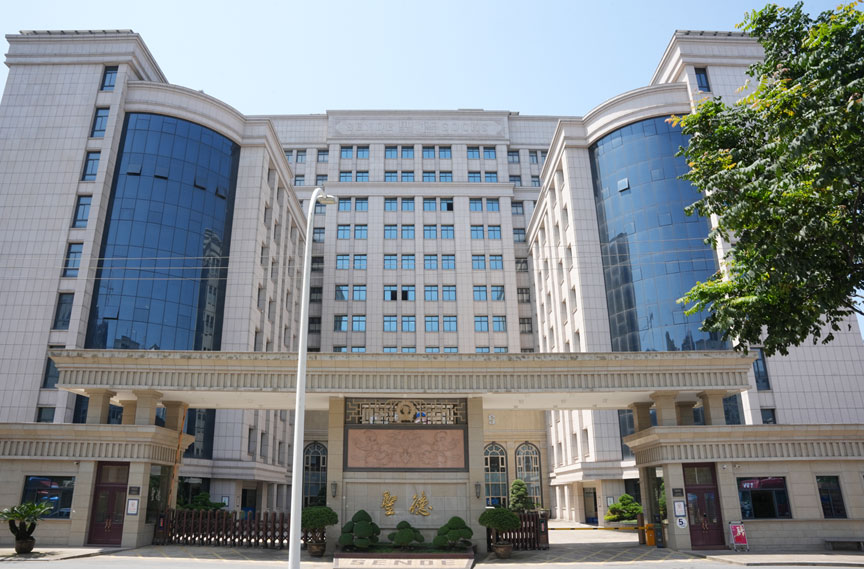
About Saintde Socks
Founded in 1999, Saintde Socks is a Custom Women's Invisible Socks Factory and China Women's Invisible Socks Supplier. Saintde Socks began as a small workshop and has grown into a modern production base covering 53,000 sqm, dedicated to baby and toddler socks.
Over the past 25 years, we’ve provided customized solutions for over 5,000 clients worldwide, covering every stage from newborns to toddlers.
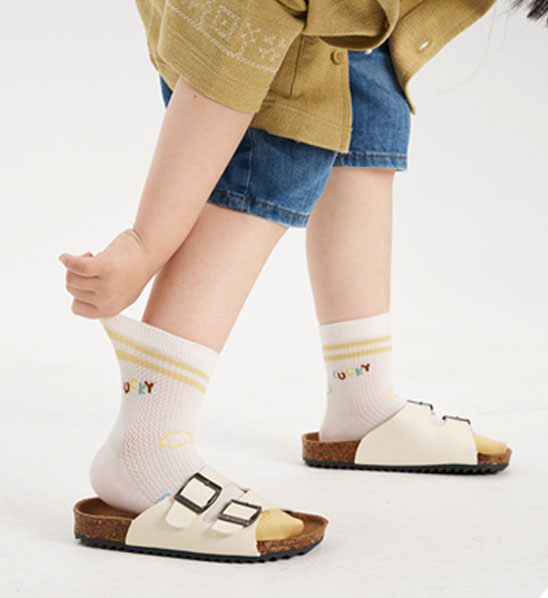
Honors and Certificates
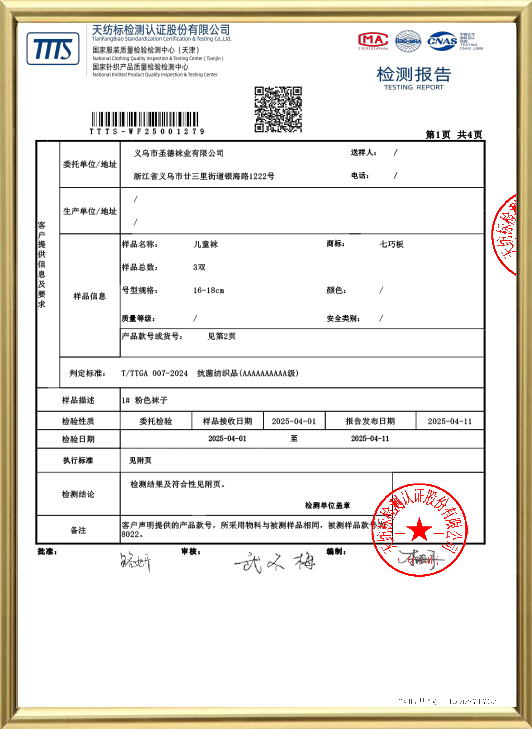
News and Information
Mar 20, 2026 • Industry News
Mar 13, 2026 • Industry News
Mar 06, 2026 • Industry News
Message Feedback
The price of women's invisible socks, designed to remain hidden inside shoes, is determined by several intersecting factors related to materials, construction, and brand positioning. While all serve the same basic function, cost variations reflect differences in durability, comfort, and design sophistication.
|
Factor |
Influence on Price |
|
Material Composition |
Socks using basic cotton blends are generally lower in cost. Those incorporating advanced synthetics like CoolMax for enhanced moisture-wicking, or fine natural fibers like bamboo viscose for softness and breathability, command a higher price due to material and processing expenses. |
|
Grip Technology |
The method used to keep the sock in place is a primary differentiator. Simple silicone prints are common and cost-effective. More advanced solutions, like full silicone bands, strategically placed gel strips, or proprietary adhesive layers, increase manufacturing complexity and price. |
|
Seam and Toe Construction |
Invisible socks with a basic seam can be produced at a lower cost. A genuinely seamless toe closure, requiring specialized knitting machinery and resulting in a smoother interior, involves a higher production investment, which is reflected in the retail price. |
|
Brand and Design Details |
Established athletic or fashion brands often price items higher based on design, marketing, and perceived value. Additional details, such as left/right foot shaping, odor-control treatments, or specially dyed heel tabs for easier pairing, also add to development and unit costs. |
These factors collectively determine where a product sits on the spectrum from a disposable basic to a durable, feature-focused accessory.
Seamless sock construction, which eliminates the traditional raised toe seam, serves specific functional needs across various activities and sensitivities. Its application extends beyond a single use case to address comfort and performance issues.
For Athletic and Performance Activities
In running, hiking, and other endurance sports, friction is a key concern. The repetitive motion inside a shoe can cause even a small seam to create a hotspot, blisters. Seamless socks remove this potential irritant entirely, allowing for longer, more comfortable activity with reduced risk of skin damage. This makes them a common choice for athletes and serious enthusiasts where foot care is integral to performance.
For Individuals with Sensory Sensitivities or Medical Conditions
The absence of a bulky seam can be important for wearers with conditions such as diabetes, arthritis, or sensory processing disorders. For diabetic neuropathy, where foot sensitivity is altered and injury risk is high, a smooth interior minimizes pressure points. For those with arthritis or sensitive skin, the lack of a ridge eliminates a common source of irritation and discomfort, making seamless socks a practical choice for daily wear focused on pure comfort.
In Fashion and Minimalist Footwear
With the popularity of minimalist shoes, ballet flats, and close-fitting sneakers, the visible line or bulge of a seam can disrupt a clean aesthetic. Seamless socks, particularly no-show varieties, provide an invisible layer of protection without compromising the intended look of the shoe. Furthermore, for barefoot-style shoes or activities like yoga and pilates, where foot sensation and flexibility are emphasized, seamless socks offer a "second-skin" feel that interferes less with natural movement than traditionally constructed socks.
The decision to purchase non-slip floor socks depends on evaluating their specific utility against their limitations within a defined domestic context. They are not universally essential, but they can serve a valuable, targeted purpose.
These socks are designed with applied grip elements, such as silicone dots or patterns, on the sole. Their primary, and justified, application is for infants and toddlers who are learning to walk on smooth, hard surfaces like hardwood, tile, or laminate flooring. For this group, they can provide increased traction, potentially preventing slips and falls as they gain confidence and mobility. They offer a middle ground between bare feet, which provide sensory feedback but no grip on slick surfaces, and hard-soled shoes, which can be restrictive for developing feet indoors.
However, their functionality has clear boundaries. They are not a substitute for outdoor footwear, offering no protection from sharp objects, cold, or wet conditions. Their effectiveness can be reduced on certain surfaces, such as thick carpet where they provide no added benefit, or when the grips become worn or clogged with lint. For older children and adults, the utility diminishes; standard socks or slippers often serve the same purpose without the specialized design.
Their worth is situational. For households with polished floors and a child in the early walking stage, they can be a reasonable, safety-focused purchase for supervised indoor use. For other scenarios, they may represent an unnecessary specialized item. The value is tied directly to addressing a specific, temporary need for stable footing in a controlled environment, rather than as a versatile or long-term footwear solution.
Sample Guide
See every detail in high definition.

No. 1222, Yinhai Road, Yiwu City, Zhejiang Province, China
Phone: +86-13735691188
Tel: +86-579-85531618
Fax: +86-579-81530188
Email: info@saintdesocks.com
Get In Touch
Feel Free To Contact Us
We will patiently and comprehensively answer your questions.

Non-Slip Floor Socks Factory