 English
 русский
 Español
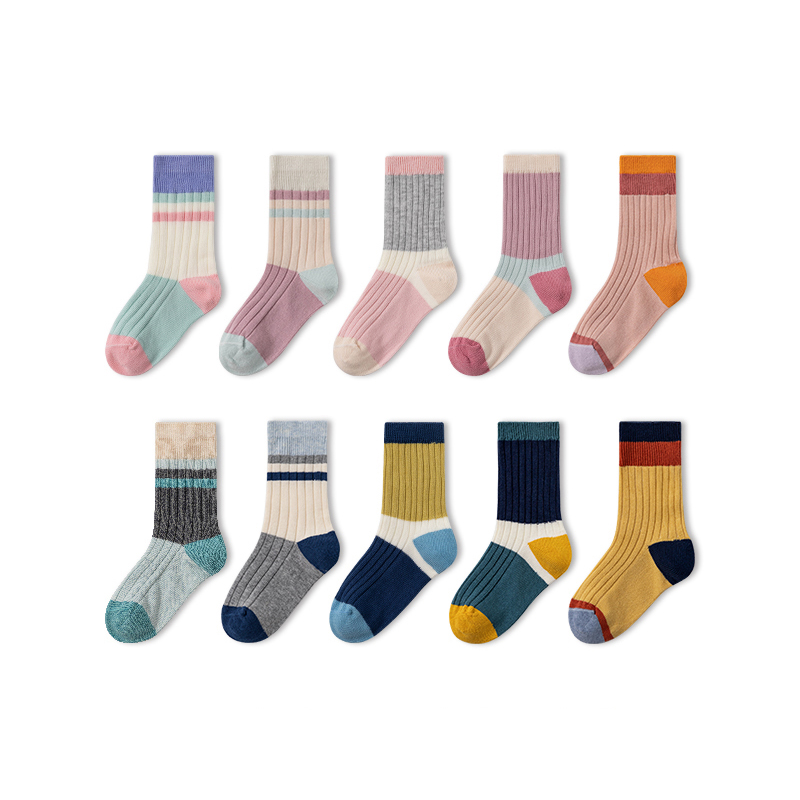
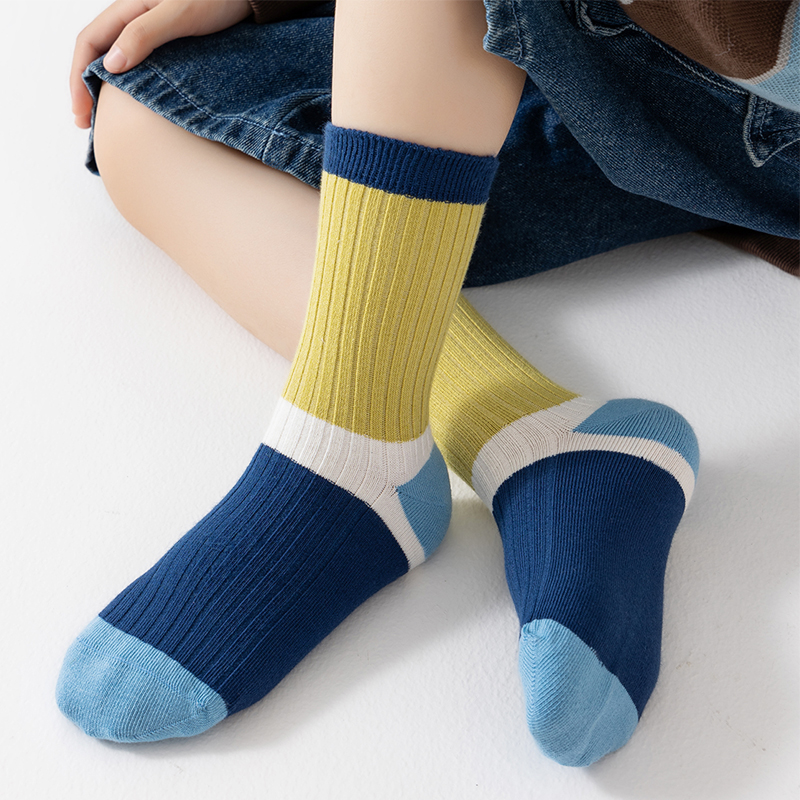
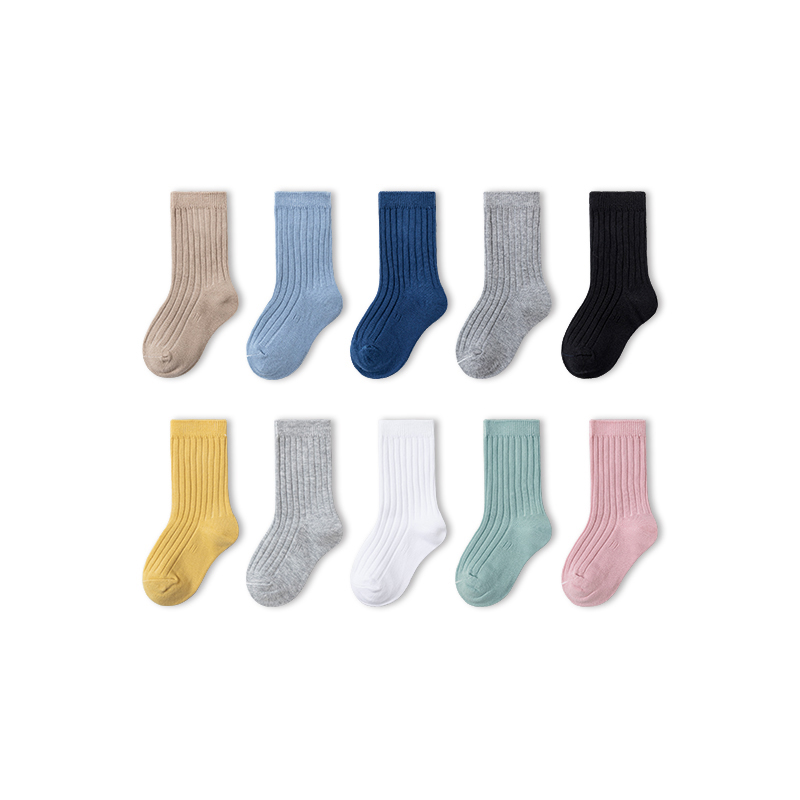
.jpg "Solid Ribbed Knit Crew Knee High Socks")
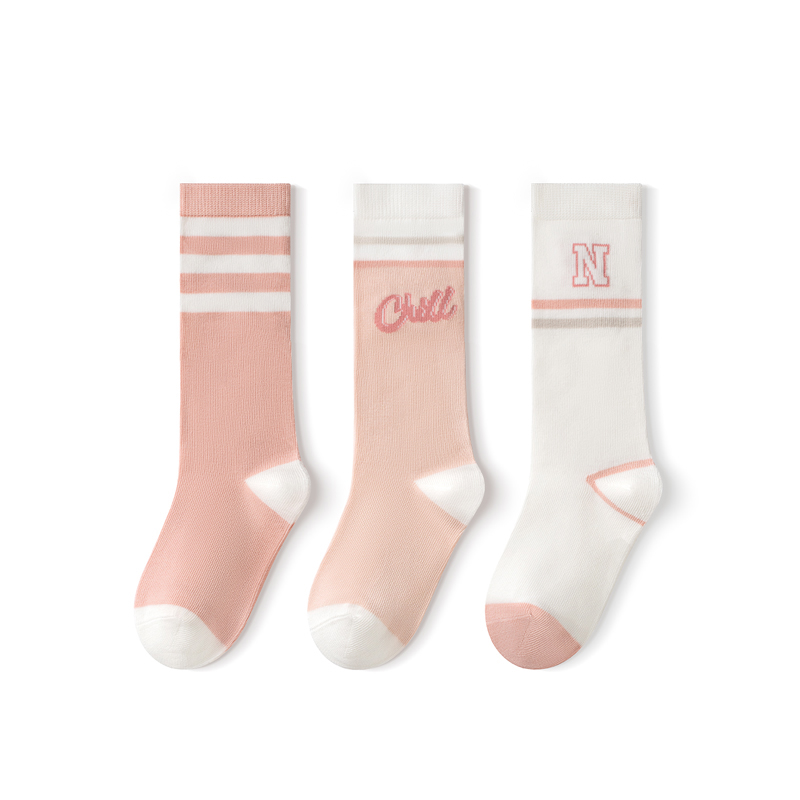

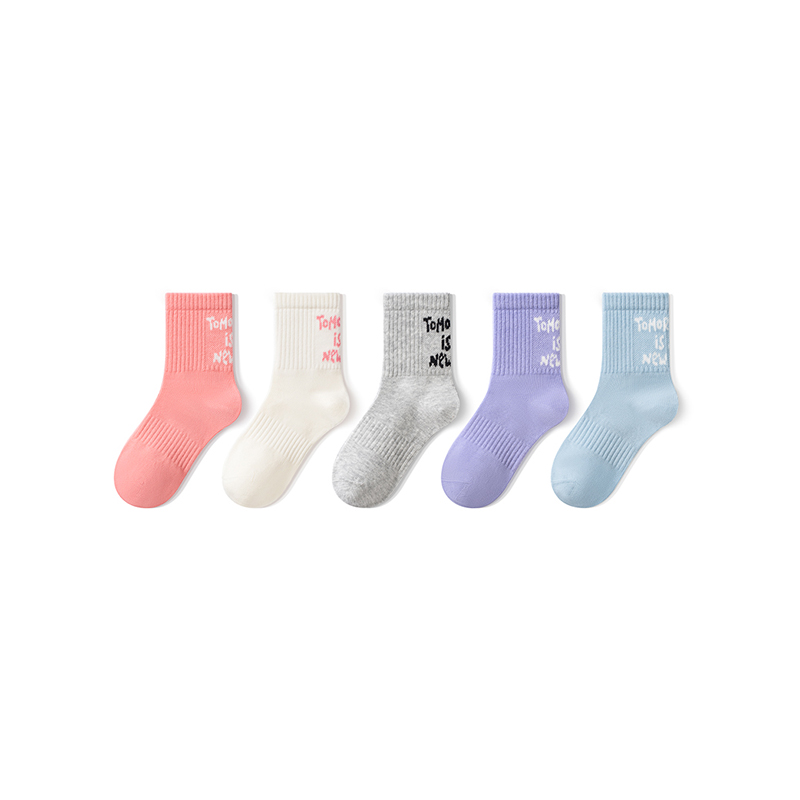
.jpg "Fun Socks for Youth")
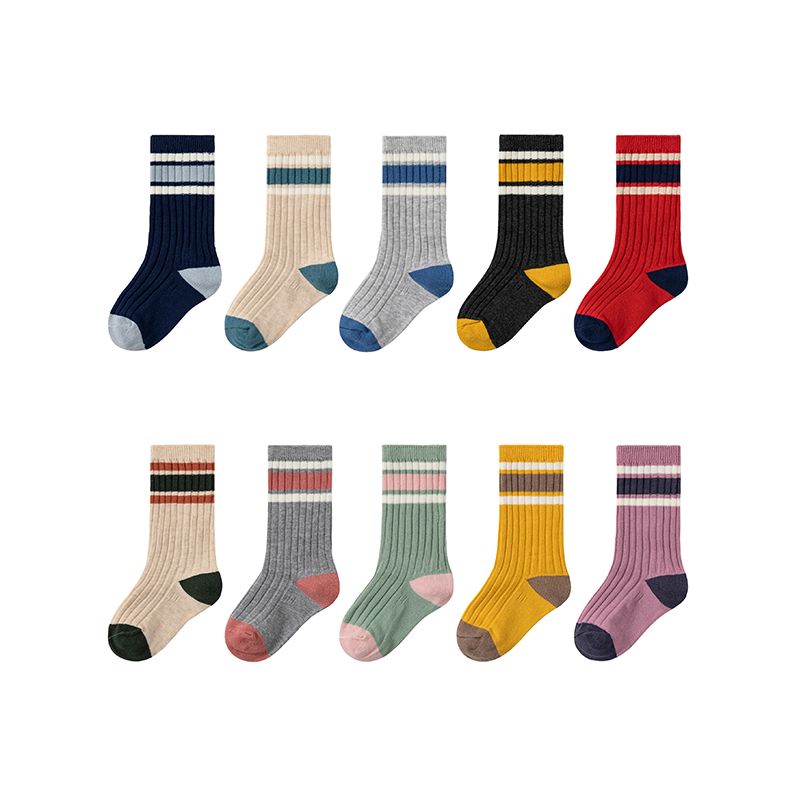
.jpg "Mid-Calf Stripe Casual Youth Socks")
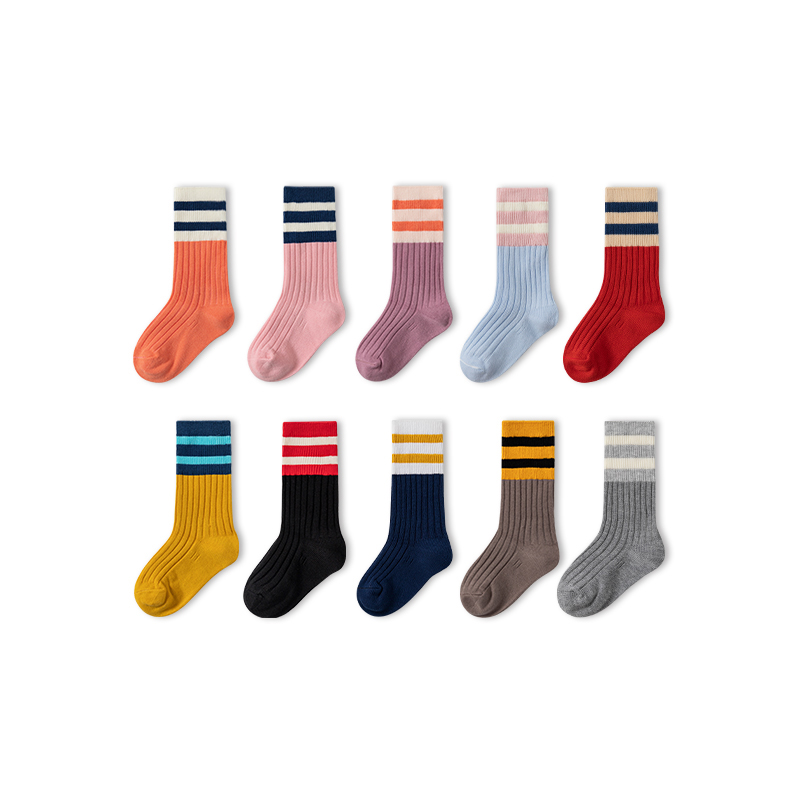
.jpg "Colorful Striped Youth Crew Socks")
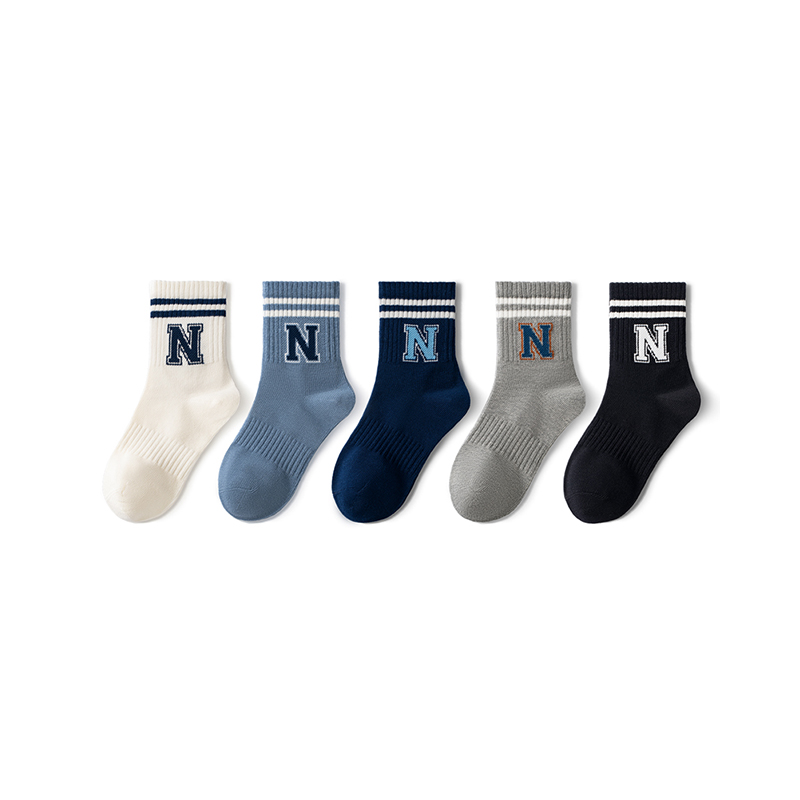
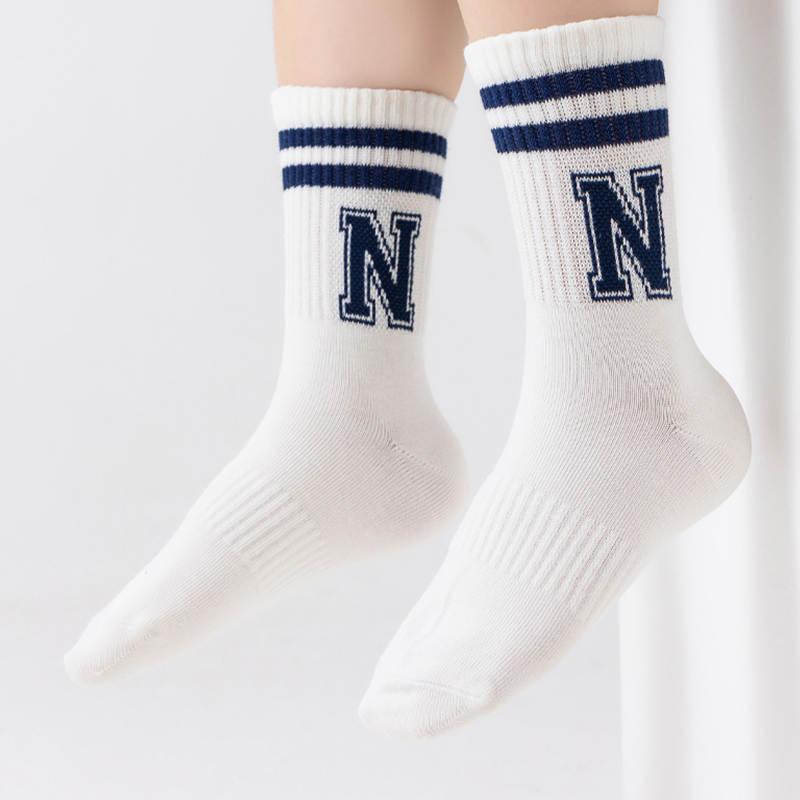
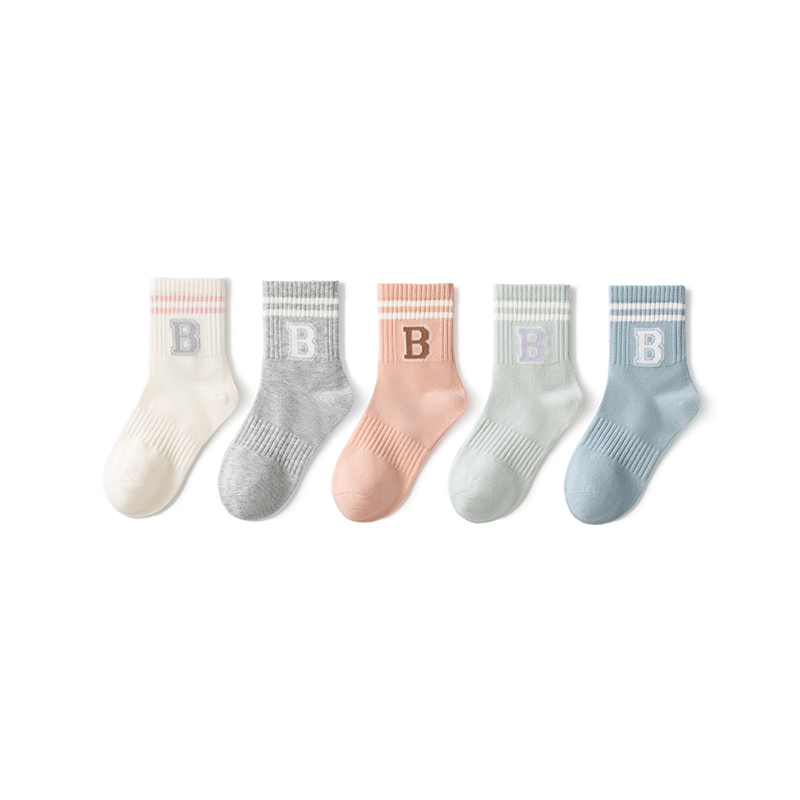
.jpg "Alphabet Theme Youth Breathable Sports Socks")
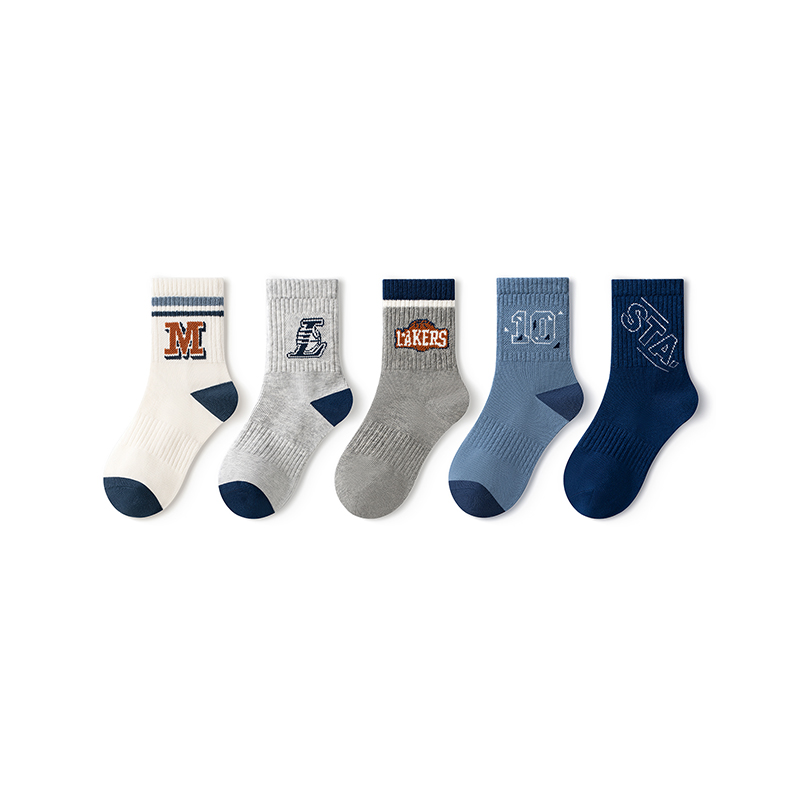
.jpg "Youth Sport Crew Socks")
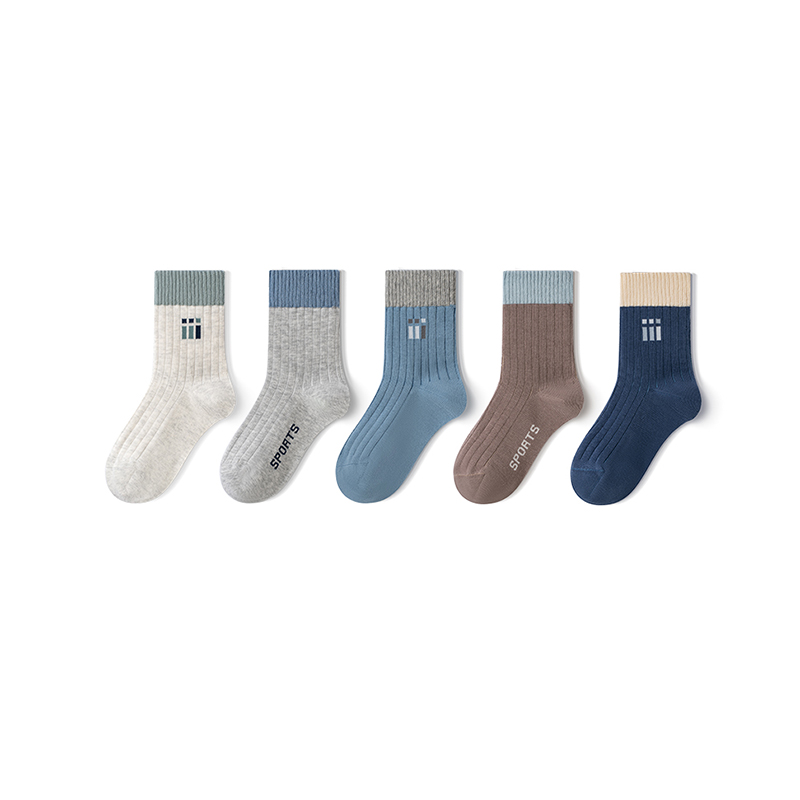
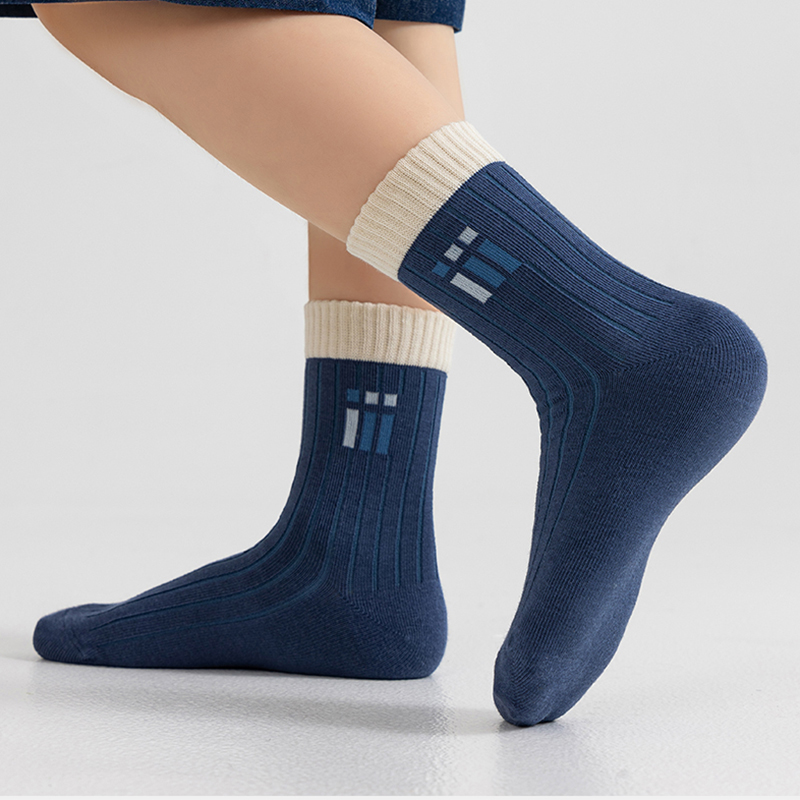
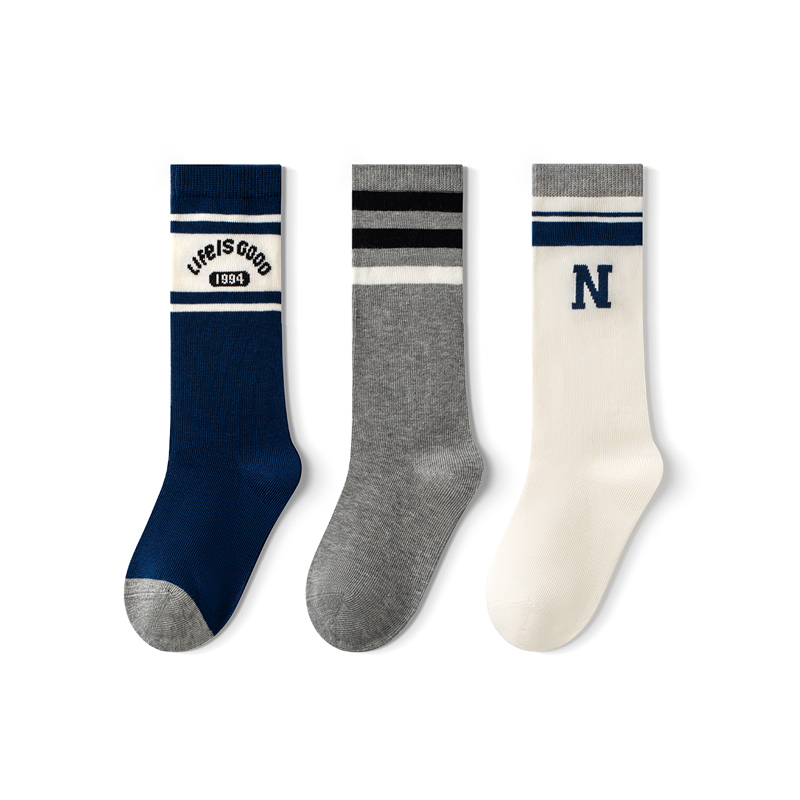
.jpg "Youth Colorblock Half-Crew Athletic Socks")
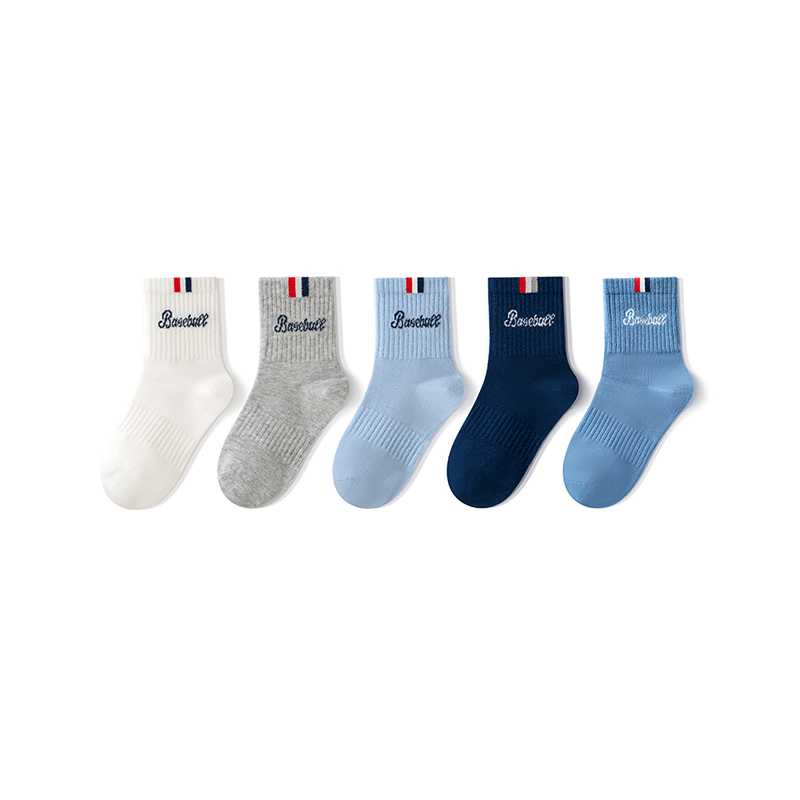
.jpg "Baseball-Themed Youth Crew Athletic Socks")
Feel Free To Contact Us
We will patiently and comprehensively answer your questions.
Youth Socks Company
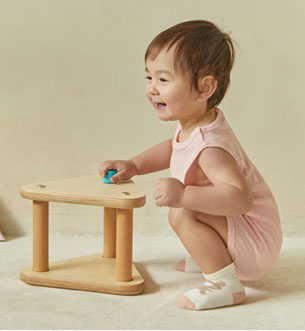
These socks are designed specifically for teenagers, combining comfort, functionality, and style.
These socks are typically made of soft, breathable cotton, blended fabrics, or functional fibers, ensuring sweat-wicking, breathability, and comfort for everyday wear. They also feature a moderate amount of elasticity at the cuffs, preventing slippage without being too constricting, making them suitable for extended study sessions, sports, or leisure activities.
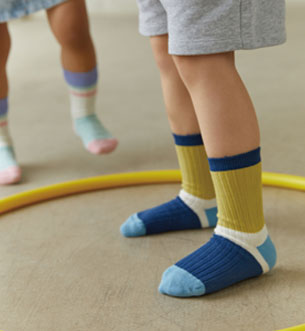
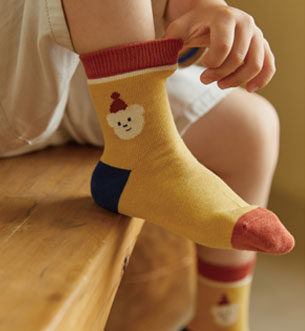
Youth socks offer a wide range of styles, from basic solid-color athletic socks to fancy socks with fun patterns, cartoon elements, or trendy designs, catering to the individual needs of teenagers of all ages. Functional styles may also feature thickened terry soles, anti-odor fibers, or anti-slip features for added practicality.
Youth socks are not only an everyday necessity but also an essential accessory that showcases youthful energy and personal style.

About Saintde Socks
Founded in 1999, Saintde Socks is a Custom Youth Socks Factory and China Youth Socks Supplier. Saintde Socks began as a small workshop and has grown into a modern production base covering 53,000 sqm, dedicated to baby and toddler socks.
Over the past 25 years, we’ve provided customized solutions for over 5,000 clients worldwide, covering every stage from newborns to toddlers.
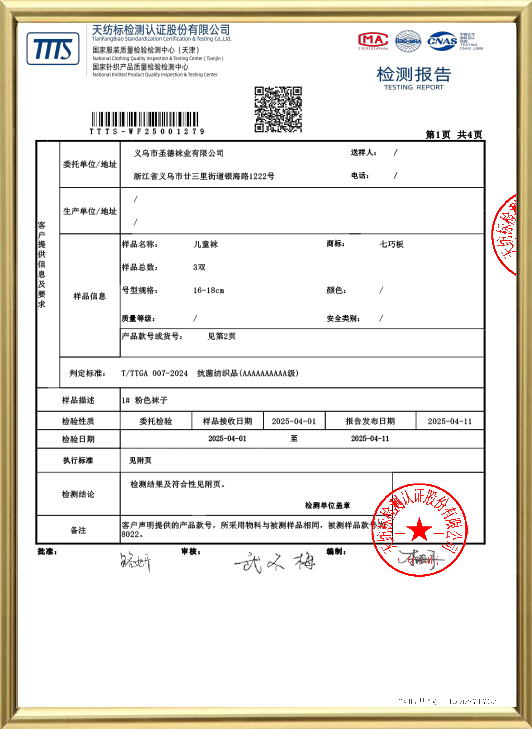
Honors and Certificates
News and Information
Mar 20, 2026 • Industry News
Mar 13, 2026 • Industry News
Mar 06, 2026 • Industry News
Message Feedback
The manufacturing of youth socks is a technical process that transforms raw fibers into durable, comfortable footwear. While methods vary by manufacturer and material, the journey from concept to pair follows a consistent sequence of stages.
Athletic socks for youth are engineered to address the specific demands of sports and vigorous activity, moving beyond basic foot covering to become a functional component of performance gear. Their design adheres to several focused principles.
Moisture Management and Breathability
During exercise, feet perspire considerably. Athletic socks are constructed from synthetic blends featuring materials like polyester, olefin, or nylon, often with mesh ventilation zones. These fibers are selected for their hydrophobic properties, wicking moisture away from the skin to the sock's outer layer where it can evaporate. This process helps maintain a drier foot environment, reducing the risk of blisters caused by damp skin rubbing against the shoe interior and enhancing overall comfort during prolonged activity.
Strategic Cushioning and Reinforced Zones
Unlike uniformly thick socks, athletic models employ targeted cushioning. Extra padding is typically added in high-impact areas such as the heel and ball of the foot. This cushioning absorbs shock during running or jumping, providing a degree of impact protection. Simultaneously, other areas, like the arch and top of the foot, may use a thinner, compressive knit for a supportive fit that minimizes slippage. The toe and heel are also frequently reinforced with denser stitching or double-layering to withstand the abrasion caused by repetitive motion inside a shoe.
Secure Fit and Seamless Construction
A sock that bunches or slides can cause distraction and injury. Athletic socks therefore feature elasticized, often ribbed cuffs that stay in place without being constrictive. Many incorporate left-and-right foot shaping through contoured knitting at the heel and arch for a precise, glove-like fit that moves with the foot. Furthermore, toe seams are minimized or engineered to be flat and smooth to eliminate points of friction that could hot spots or blisters during dynamic movement.
Retailers commonly group youth socks into multi-pair sets, which offer practical and economic advantages for both consumers and sellers. These sets are typically organized around unifying themes that simplify selection and ensure mix-and-match utility.
This set contains multiple pairs, often in neutral or coordinating shades like white, black, grey, and navy. The primary value is versatility; each pair can be matched easily with school uniforms, sports kits, or a wide range of casual and formal footwear. For older youth, sets may include more fashion-forward neutrals like charcoal, burgundy, or khaki. These sets prioritize function and wardrobe integration over decorative appeal, serving as a foundational sock drawer staple.
Here, the unifying element is a common design motif rather than color. A set might include several pairs all featuring different animal prints, stripes in varying colorways, geometric patterns, or subtle tonal designs. This format allows for playful expression while maintaining cohesion. It guarantees that any two socks drawn from the drawer will at least harmonize stylistically, if not match exactly, which can simplify laundry pairing and appeal to a child’s desire for variety within a preferred theme.
Sample Guide
See every detail in high definition.

No. 1222, Yinhai Road, Yiwu City, Zhejiang Province, China
Phone: +86-13735691188
Tel: +86-579-85531618
Fax: +86-579-81530188
Email: info@saintdesocks.com
Get In Touch
Feel Free To Contact Us
We will patiently and comprehensively answer your questions.

Athletic Socks Wholesale