 English
 русский
 Español
Feel Free To Contact Us
We will patiently and comprehensively answer your questions.
Toddler Socks Supplier
information to be updated
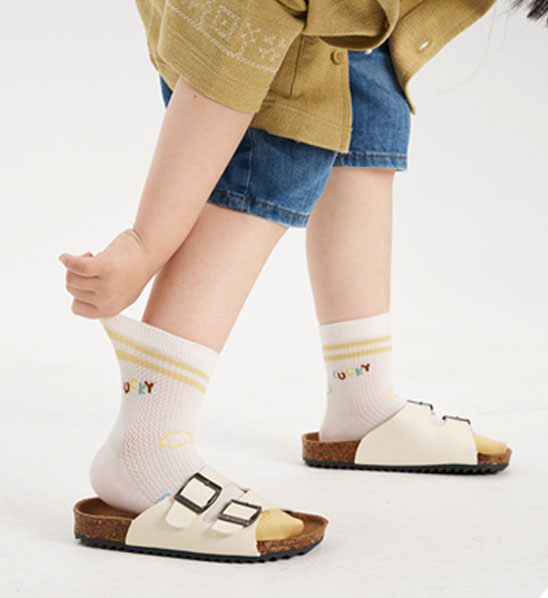
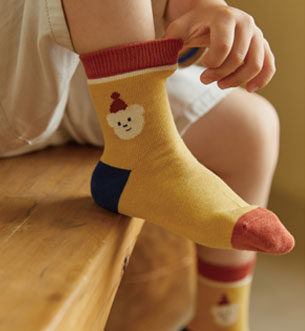
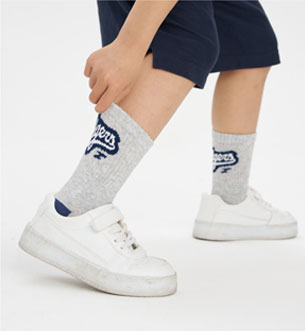
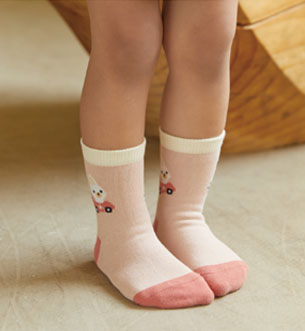
Our Baby Athletic Socks support little ones’ active steps with a perfect blend of comfort, durability, and safety. Made from high-quality, breathable fabrics, these socks keep tiny feet cool and dry during play or learning to walk.
Reinforced toe and heel areas enhance wear resistance, ensuring long-lasting wear even for active toddlers, while the non-slip silicone grip on the sole reduces the risk of slipping on slick surfaces.
Produced in our factory with strict quality controls, these athletic socks combine durability, breathability, and safety, making them ideal for energetic babies and confident first steps.

About Saintde Socks
Founded in 1999, Saintde Socks is a Custom Baby Athletic Socks Factory and China Baby Athletic Socks Supplier. Saintde Socks began as a small workshop and has grown into a modern production base covering 53,000 sqm, dedicated to baby and toddler socks.
Over the past 25 years, we’ve provided customized solutions for over 5,000 clients worldwide, covering every stage from newborns to toddlers.
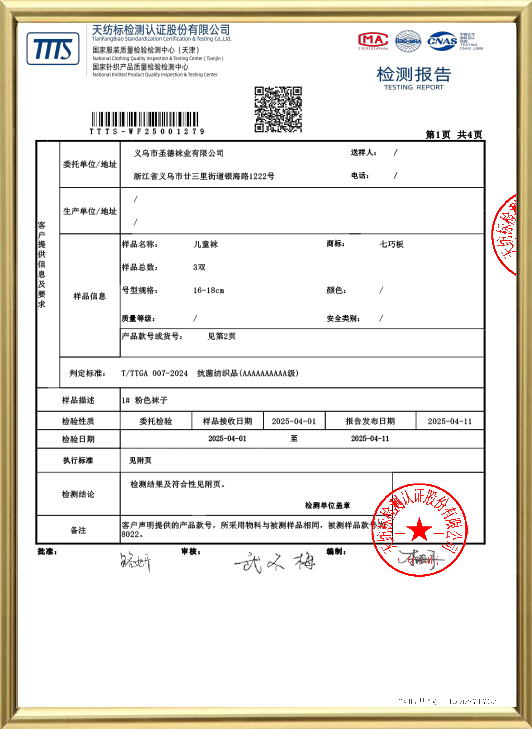
Honors and Certificates
News and Information
Mar 20, 2026 • Industry News
Mar 13, 2026 • Industry News
Mar 06, 2026 • Industry News
Message Feedback
Keeping toddler socks presentable is a challenge given their active use. A focus on washing methods, drying techniques, and storage can extend their appearance and longevity.
Turn socks inside out before washing. This helps contain pilling on the interior and allows soiled areas, like the soles, to be agitated more directly. Wash socks in a mesh laundry bag or a tied pillowcase to prevent them from getting lost inside the drum or snagging on zippers and hooks. Use a mild, color-safe detergent and opt for a cold or warm water cycle, as hot water can break down elastic fibers and cause colors to fade more rapidly.
Air-drying is the effective method for preserving the shape and elasticity of socks. Lay them flat on a drying rack, reshaping the cuff and foot. If using a dryer, select a low-heat or no-heat setting. High heat can shrink natural fibers like cotton and degrade the spandex or elastic that provides a snug fit. Removing socks from the dryer promptly once the cycle ends helps minimize wrinkles and maintains the fabric’s condition.
Store socks in a drawer or bin where they are not overly compressed or stuffed. Pair socks together by folding the cuff of one over the pair to keep them united; this avoids stretching the cuff from repeatedly searching for matches. Keep socks away from direct sunlight in storage areas, as prolonged exposure can fabric fading over time.
Non-slip socks are designed with applied grip elements on the sole to provide traction. Their use is appropriate in specific, controlled scenarios and less advisable in others.
For indoor mobility on smooth surfaces: Their primary function is to aid new walkers and toddlers on hard, slippery floors such as hardwood, laminate, tile, or vinyl. The grips offer stability, helping to prevent falls and build confidence as they practice walking, running, and playing indoors.
During supervised playgroups or classes: In environments like indoor playrooms, daycare centers on specific flooring, or toddler gym classes, these socks can provide a consistent grip where shoes are removed but bare feet may be impractical due to hygiene or temperature.
As a transitional layer: They serve as a middle ground between bare feet, which allow for natural sensory feedback and muscle development, and the structured confines of hard-soled shoes. They offer foot protection from cool floors and minor debris while permitting flexibility.
However, their scope has clear limitations:
Selecting materials for baby athletic socks—socks designed for crawling, active play, or early sports—involves balancing moisture management, comfort, and durability. The choice differs from that for standard cotton socks.
During activity, babies' feet can perspire. Materials like polyester, nylon, or specific wool blends (e.g., merino) are hydrophobic, meaning they pull moisture away from the skin to the sock’s outer layer where it can evaporate. This helps maintain a drier foot environment, which is important for preventing discomfort and the risk of blisters or chafing that damp skin is more prone to.
The sock material should allow for air circulation. Fabrics with mesh-like knit panels or those made from fibers that naturally manage temperature, like lightweight merino wool, can help prevent feet from becoming overheated during active play. This is distinct from simply providing warmth; it is about maintaining a stable microclimate around the foot regardless of activity level.
While 100% cotton is soft, it tends to retain moisture and can lose shape under stress. Athletic socks often blend synthetic moisture-wicking fibers with a small percentage of cotton for softness and a mandatory portion of spandex or elastane (usually 2-5%) to ensure a secure, fitted shape that stays in place without sagging or bunching. The blend may also incorporate reinforced threading in the heel and toe areas to withstand the abrasion caused by shoes and active movement, making the sock more resilient than a basic cotton style.
Sample Guide
See every detail in high definition.

No. 1222, Yinhai Road, Yiwu City, Zhejiang Province, China
Phone: +86-13735691188
Tel: +86-579-85531618
Fax: +86-579-81530188
Email: info@saintdesocks.com
Get In Touch
Feel Free To Contact Us
We will patiently and comprehensively answer your questions.

Baby Athletic Socks Exporter