 English
 русский
 Español
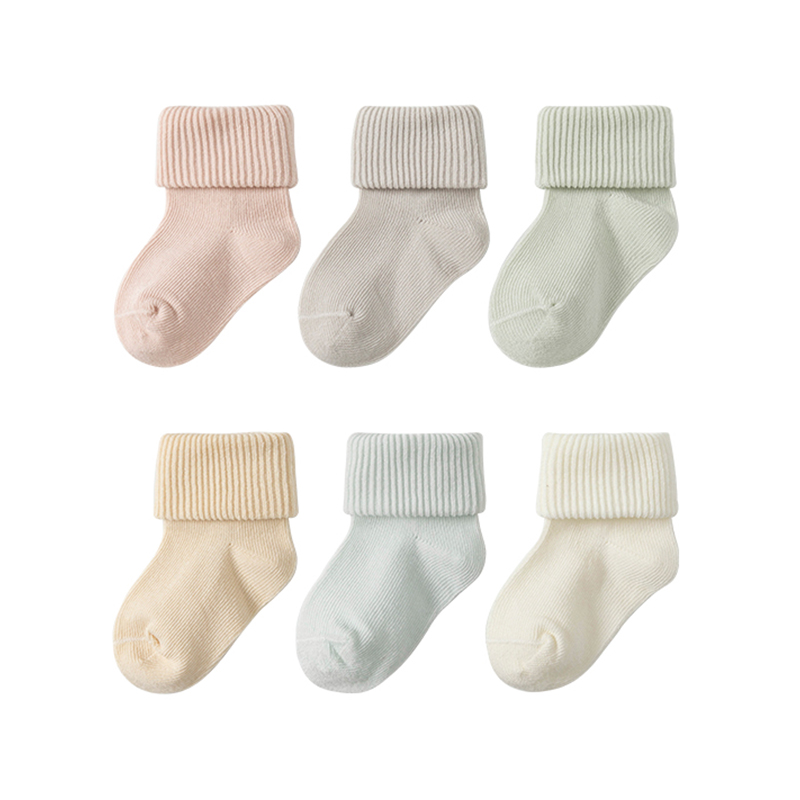
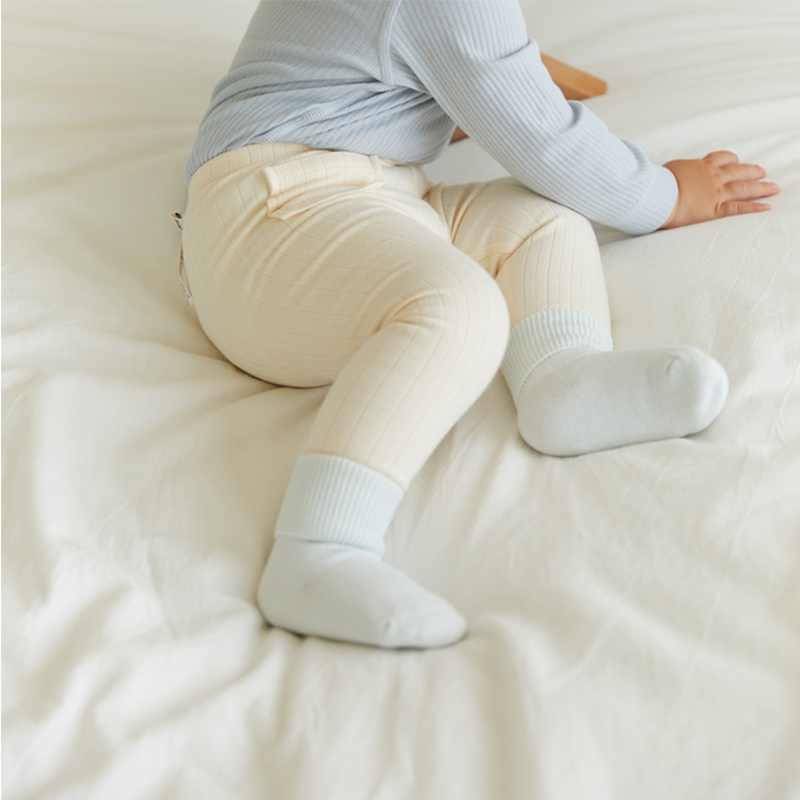
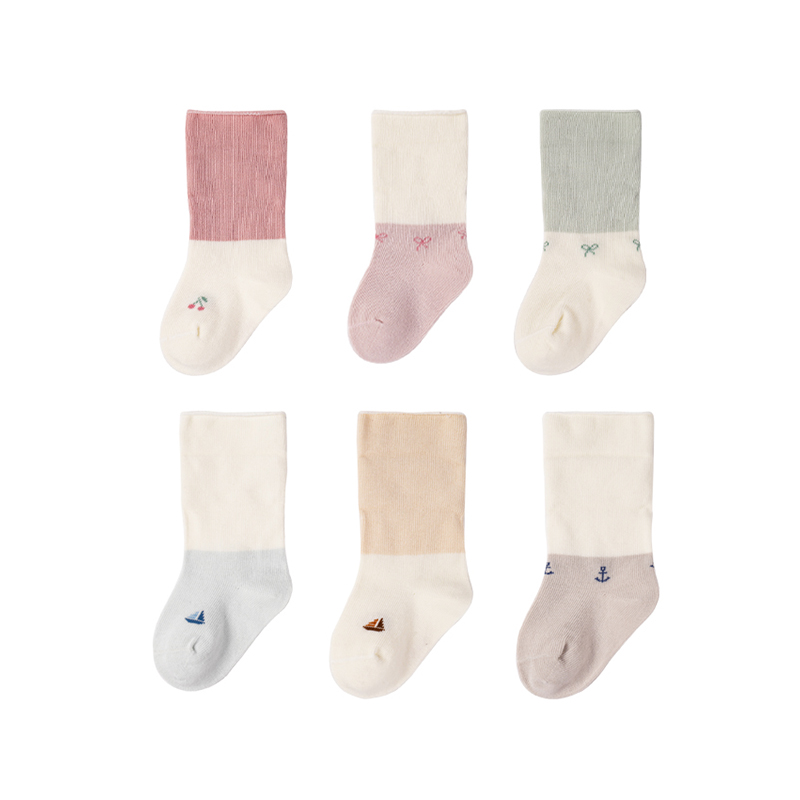
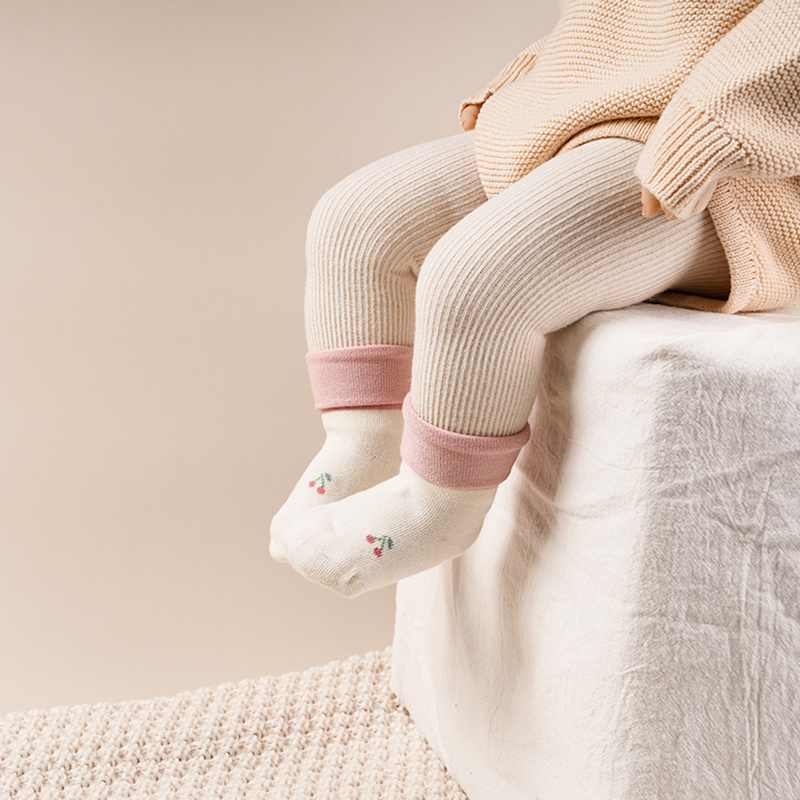
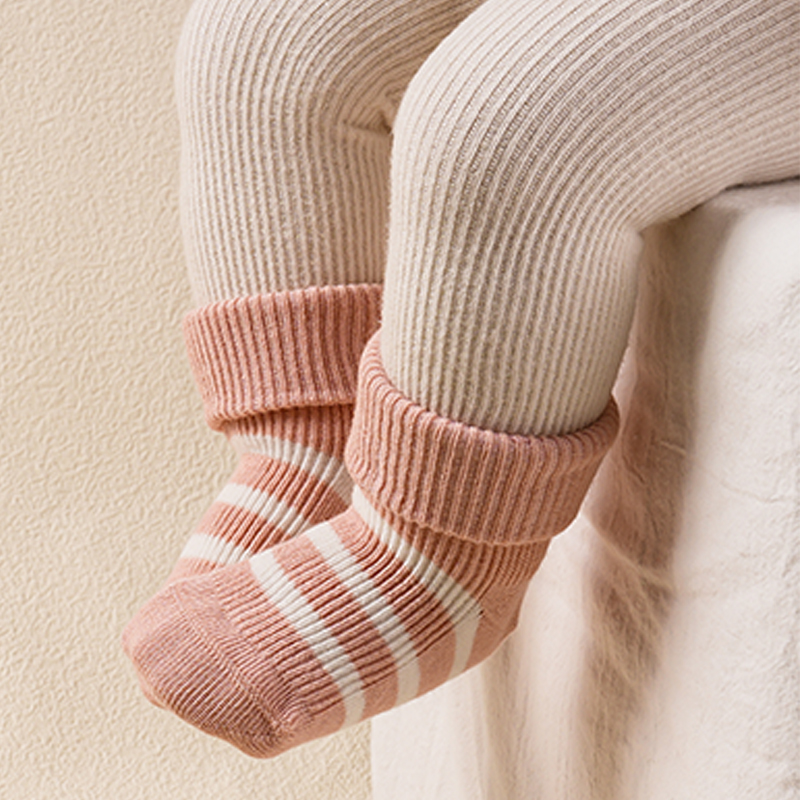
.jpg "Heather Stripe Ribbed Baby Classic Socks")
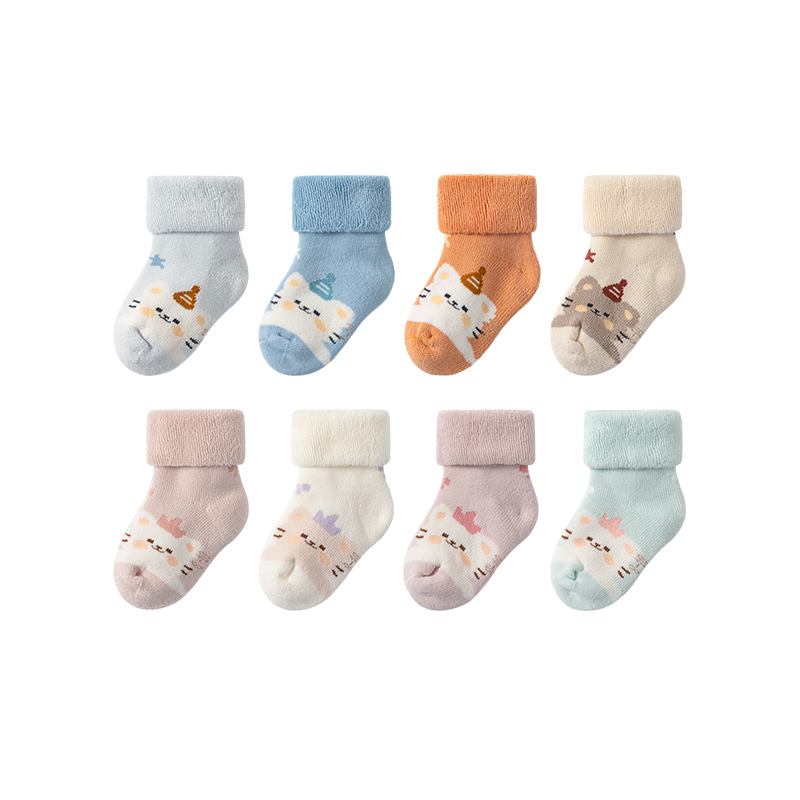
.jpg "Comfortable Warm Classic Baby Thick Terry Socks")
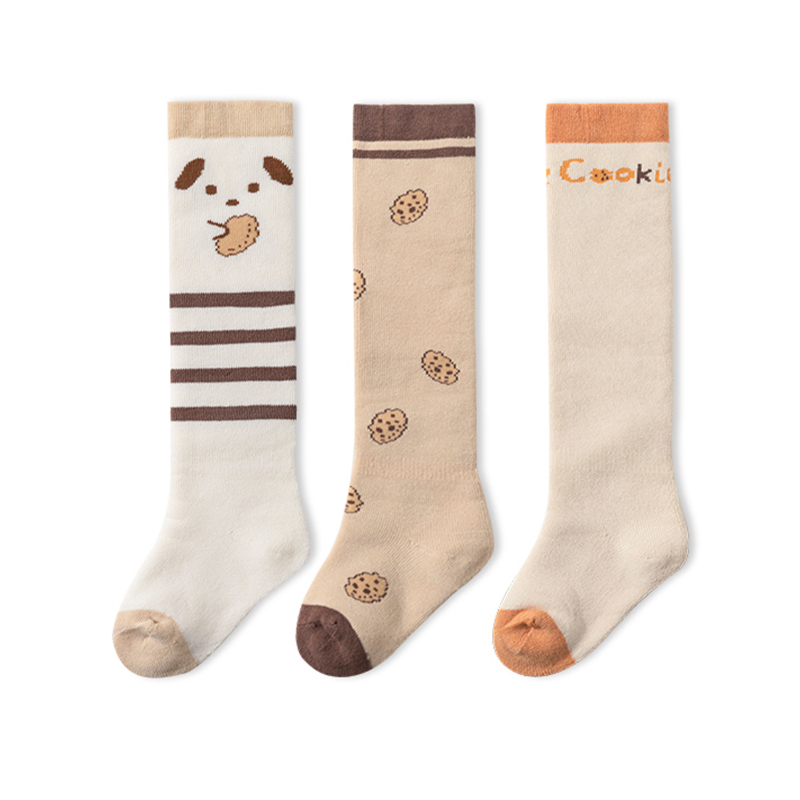
.jpg "Natural Long Staple Cotton Baby Classic Terry Socks")
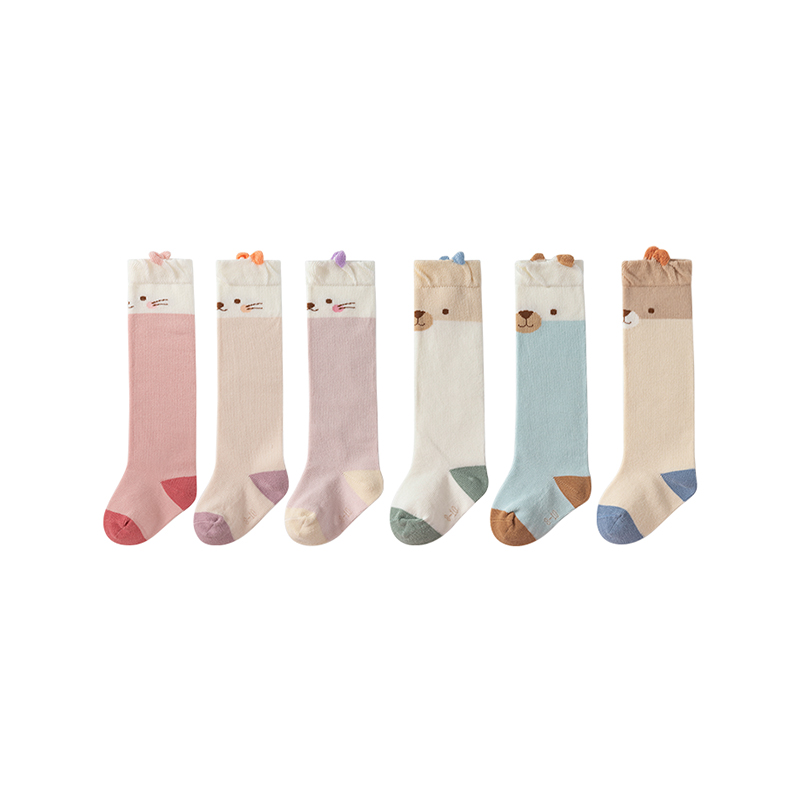
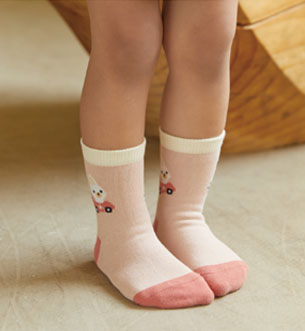
.jpg "Animal Print Non-Constrictive Baby Classic Socks")
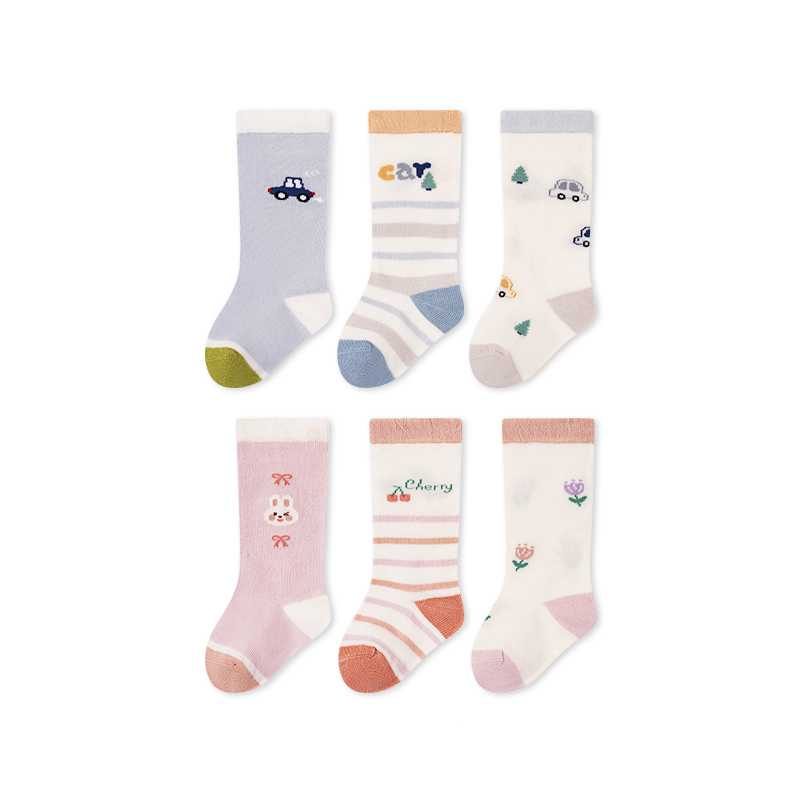
.jpg "Non-Fluorescent Antibacterial Soft Baby Classic Stockings")
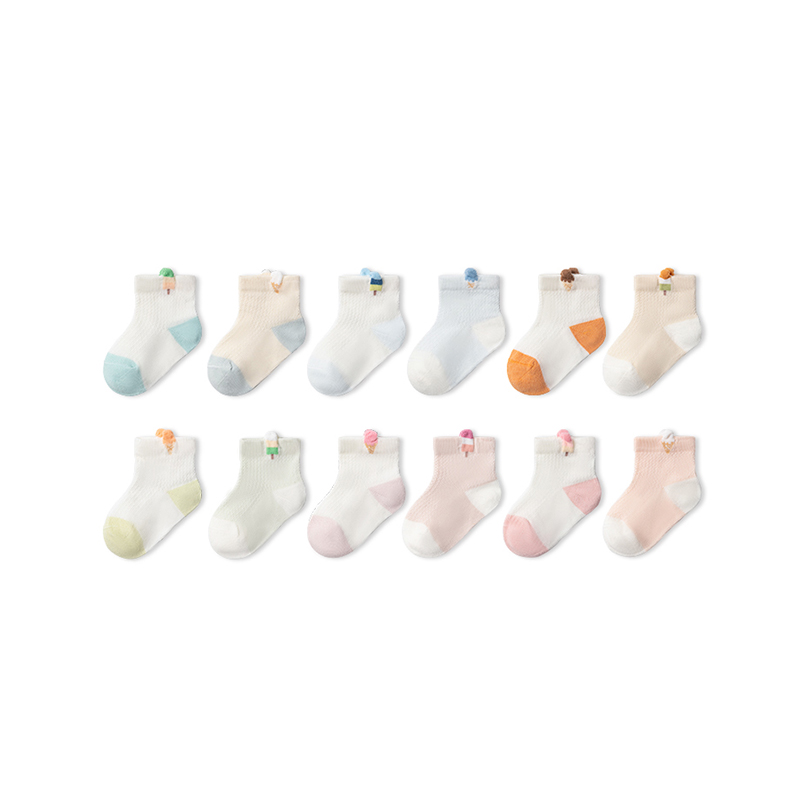
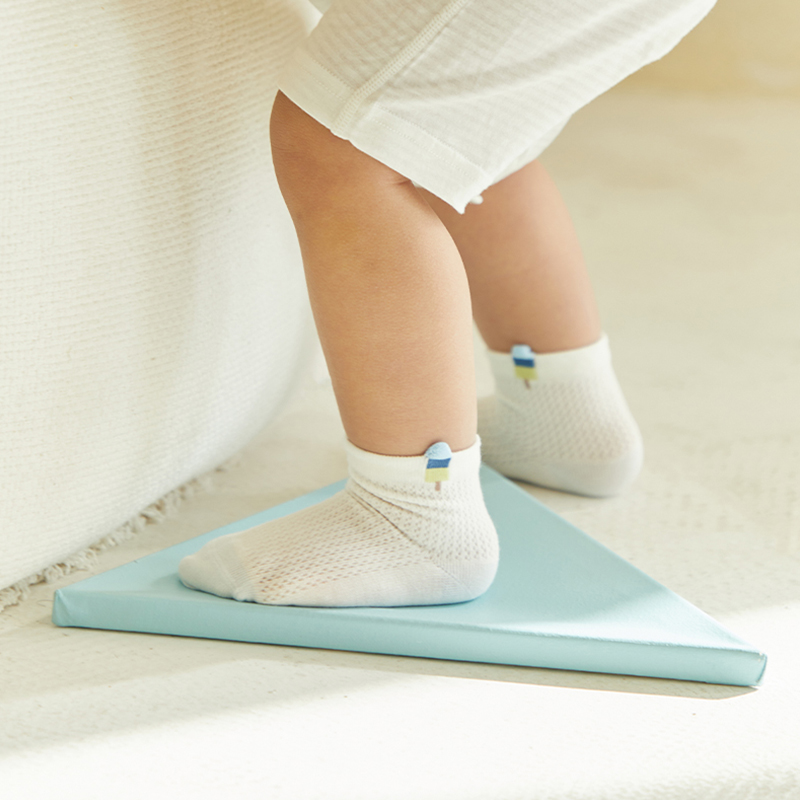
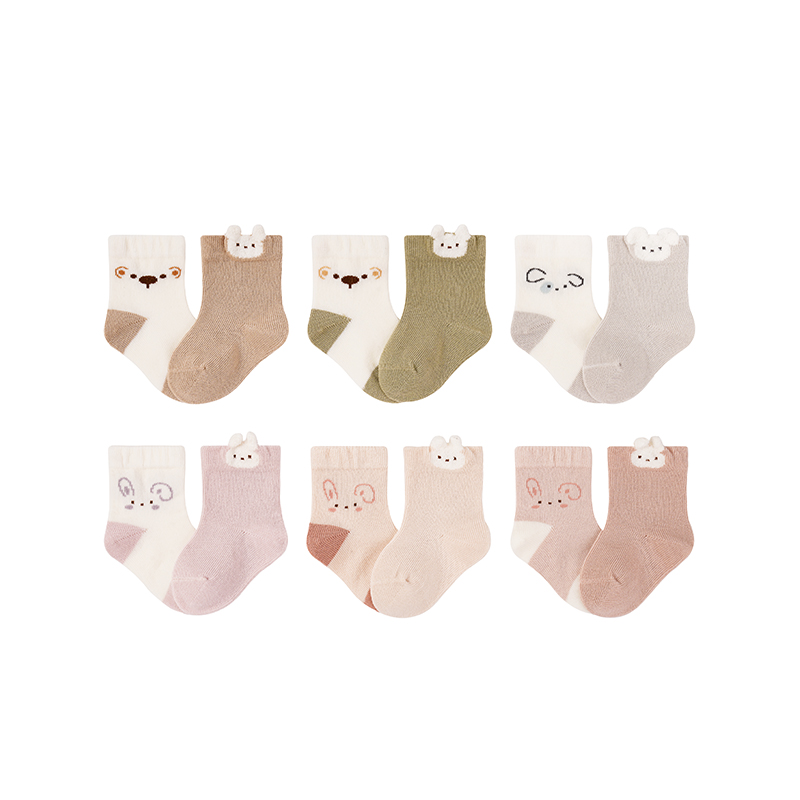
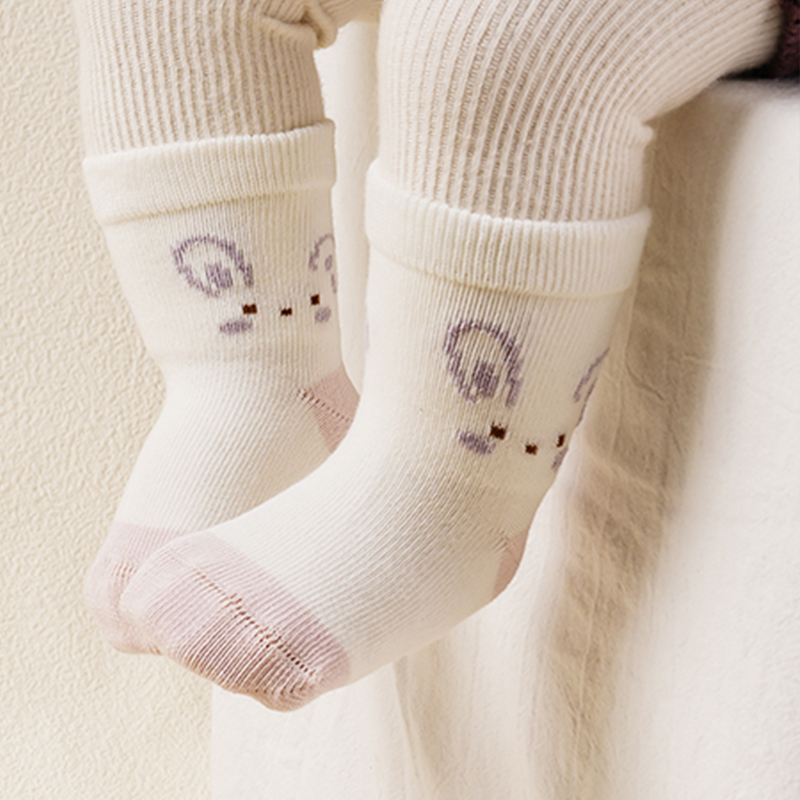
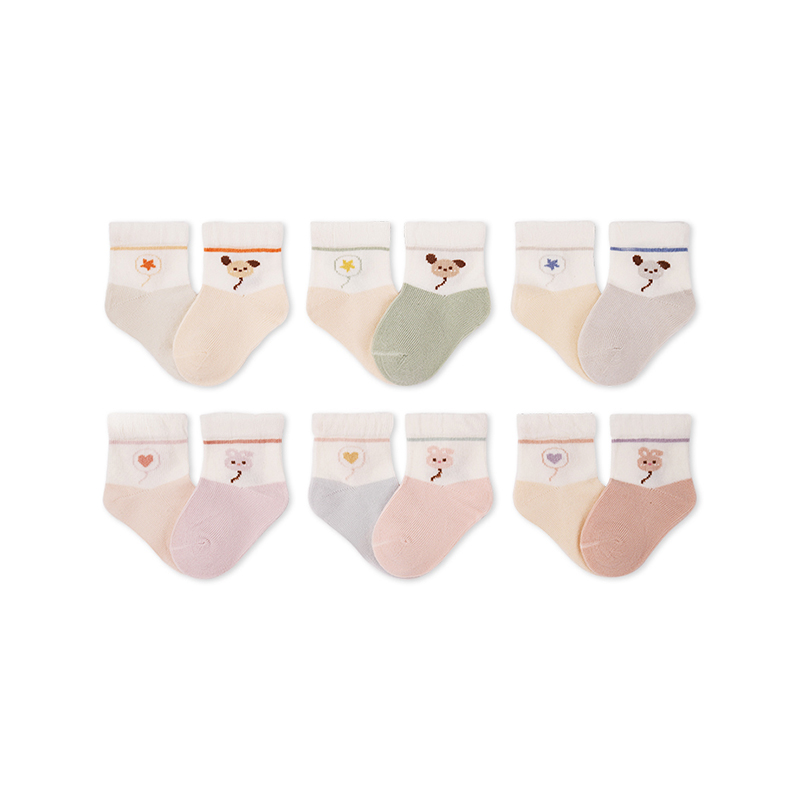
.jpg "Unisex Cartoon Animal Baby Breathable Patchwork Socks")
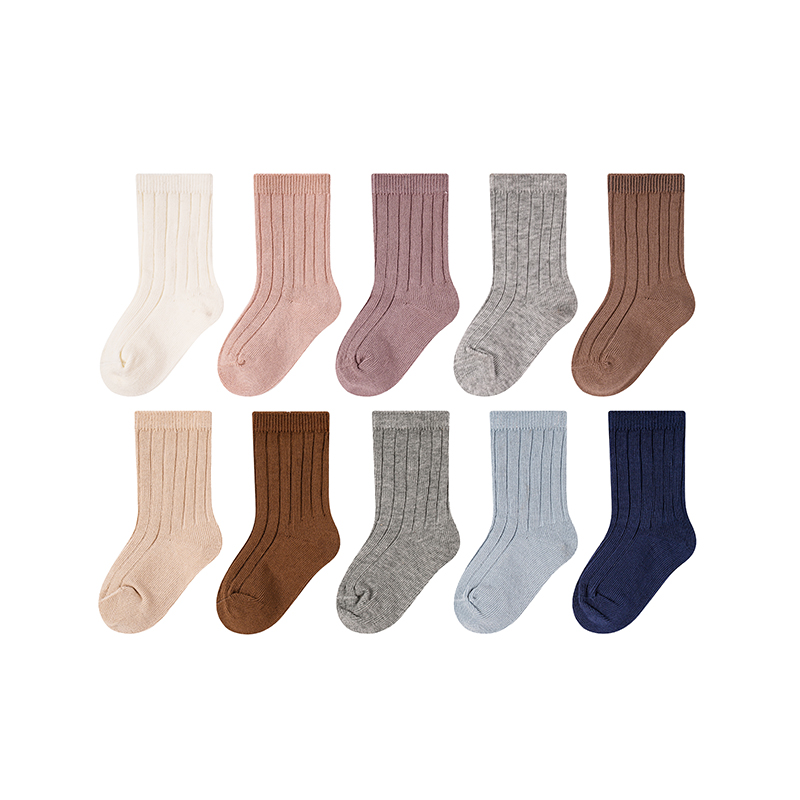
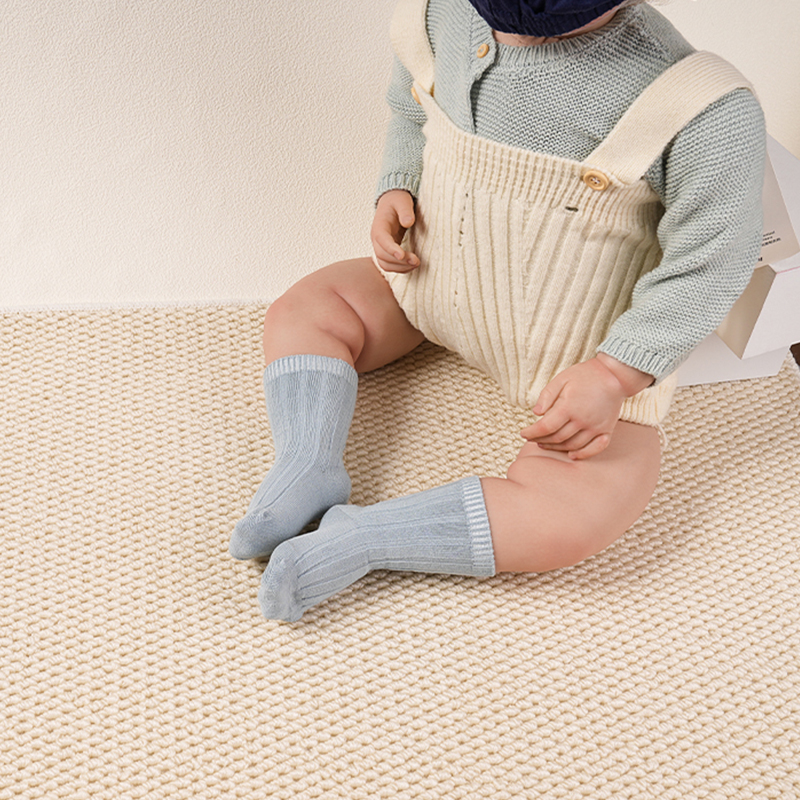
Feel Free To Contact Us
We will patiently and comprehensively answer your questions.
100% Cotton Baby Socks Factory
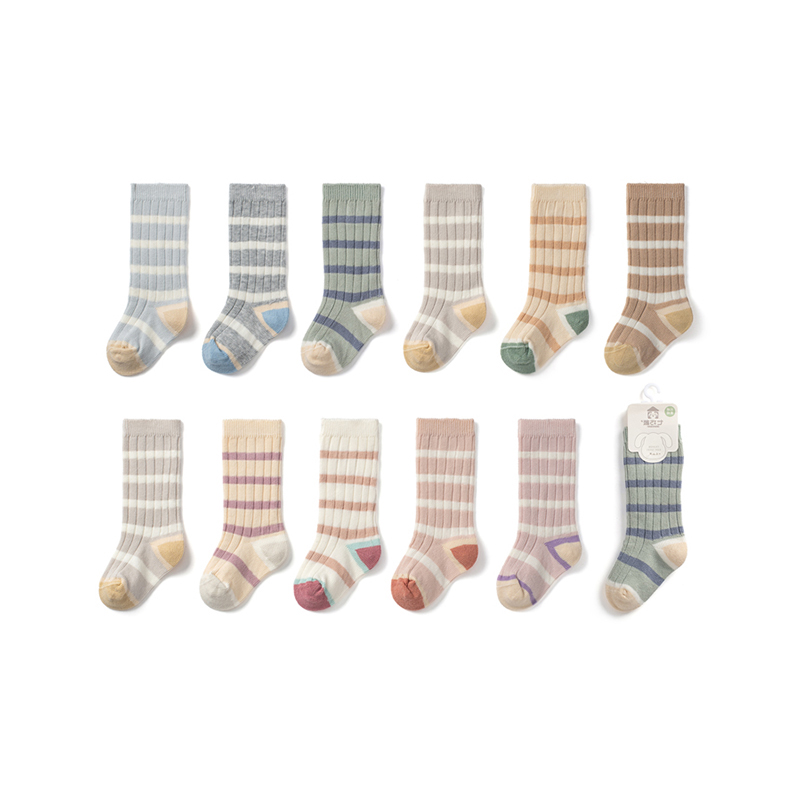
Our Baby Classic Socks are specially crafted with ultra-soft, breathable materials to ensure more comfort and protection for delicate baby skin.
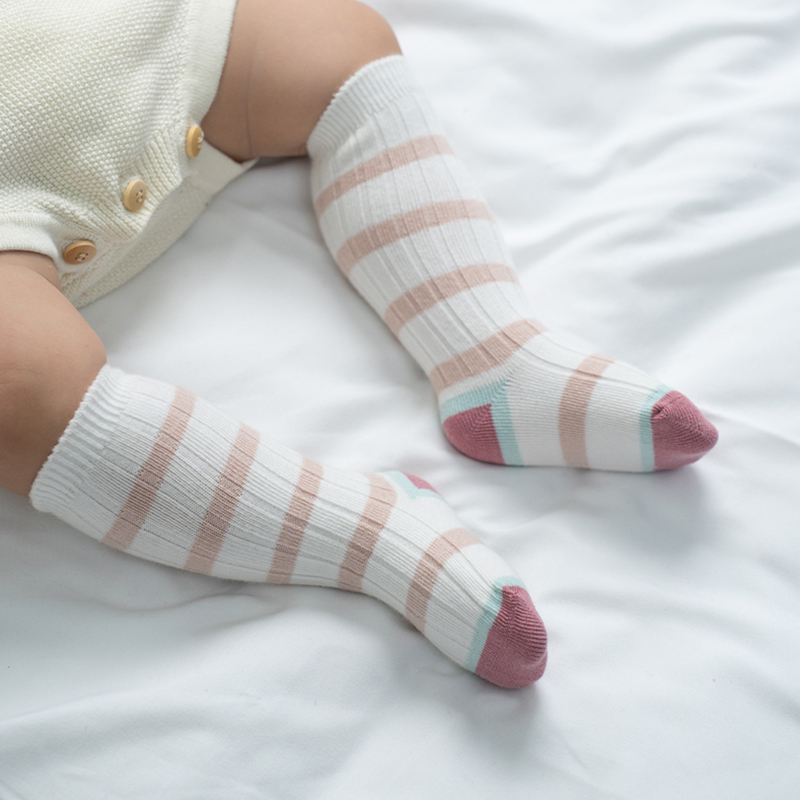
Each pair of socks is manufactured in our factory to our strictest quality standards. They're soft, hypoallergenic, and feature non-irritating seams for a comfortable, non-restrictive fit. The elastic cuff ensures a secure, non-marking fit, while the reinforced sole adds durability for active feet.
Prioritizing safety, comfort, and softness, these classic baby socks offer parents peace of mind, combining premium materials and careful craftsmanship to support healthy, happy, and cozy feet every day.

About Saintde Socks
Founded in 1999, Saintde Socks is a Custom Baby Classic Socks Factory and China Baby Classic Socks Supplier. Saintde Socks began as a small workshop and has grown into a modern production base covering 53,000 sqm, dedicated to baby and toddler socks.
Over the past 25 years, we’ve provided customized solutions for over 5,000 clients worldwide, covering every stage from newborns to toddlers.
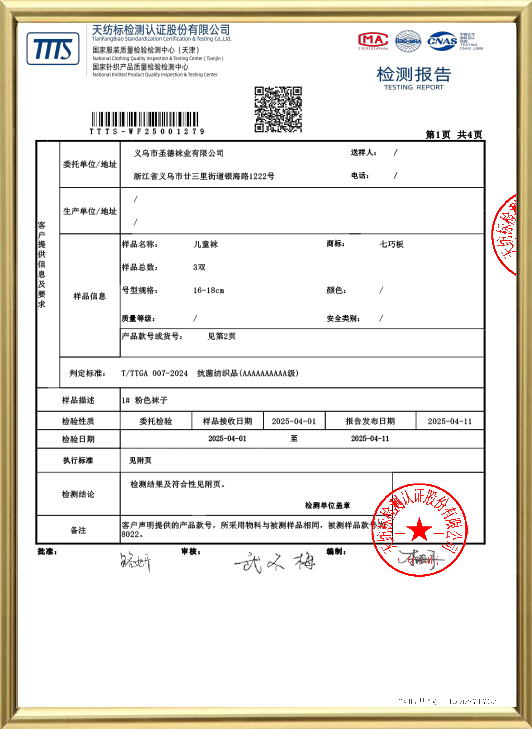
Honors and Certificates
News and Information
Mar 20, 2026 • Industry News
Mar 13, 2026 • Industry News
Mar 06, 2026 • Industry News
Message Feedback
When discussing infant socks labeled as 100% cotton, several distinctions exist based on their specific construction and material processing. The primary differences can be observed in knit density, yarn treatment, and cuff design. These variations socks with different performance characteristics.
|
Aspect |
Common 100% Cotton Socks |
Premium or Combed Cotton Socks |
|
Yarn & Texture |
Made from standard cotton yarn; can have a slightly rougher, more uneven texture. |
Often use "combed" cotton, where shorter fibers are removed, creating a smoother, softer, and stronger yarn. |
|
Knit Density |
May feature a looser, more open knit to reduce cost, which can affect durability and warmth. |
Typically employ a tighter, more consistent weave, offering better structure, shape retention, and warmth. |
|
Seam Construction |
May have a bulkier, raised seam, particularly in the toe area, which can irritate sensitive skin. |
Often feature flat-lock or seamless toe closures designed to lie flat against the skin and minimize irritation. |
|
Elastic & Cuff |
Frequently use a narrow, exposed elastic band at the cuff, which can leave marks or be less comfortable. |
Tend to integrate the elastic into a wider, ribbed knit cuff, distributing pressure more evenly for a gentle hold. |
|
Durability & Pilling |
More prone to pilling (forming small fabric balls) and losing shape after repeated washing due to shorter fibers. |
Generally resist pilling better and maintain their shape over time because of the longer, combed fibers. |
These differences, while sometimes subtle, impact the sock's comfort, longevity, and suitability for an infant's delicate skin. The table illustrates that the simple label "100% cotton" encompasses a range of quality and design approaches.
The characteristics of full cotton baby socks stem directly from the inherent properties of the cotton fiber and the specific way it is constructed into a garment for infants. Identifying them involves examining both material composition and functional design elements.
Breathability and Moisture Absorption
Cotton is a natural, cellulosic fiber capable of absorbing a notable amount of moisture from the skin. This helps keep an infant's feet dry by wicking away light perspiration, reducing the risk of discomfort or chafing. Unlike synthetic fibers, cotton allows for air circulation, which helps regulate temperature. However, it is important to note that when fully saturated, cotton loses its insulating properties and can remain damp, which is a consideration in very wet conditions.
Softness and Reduced Irritation Ootential
When high-quality, finely spun cotton is used, it provides a soft surface against delicate skin. Socks designed for infants often undergo additional finishing processes to enhance this softness. Identification can involve a tactile inspection; the fabric should feel consistently smooth and pliable without stiff or scratchy areas. The absence of synthetic blends is typically verified by checking the permanent care label, which, by regulation, must state "100% Cotton."
Practical, Safety-focused Design
Identifiable traits are gentle, integrated elastic at the cuff to prevent leaving marks, and flat or seamless toe closures to eliminate rubbing points. The fit is generally kept snug yet non-constrictive to stay on small feet without restricting movement. Visually, while they come in colors and prints, the fabric itself often has a matte, non-shiny appearance characteristic of natural fibers. These combined traits—breathability, softness, and safe construction—define the standard for full cotton baby socks.
Organic infant socks represent a subset of cotton socks defined by stringent agricultural and processing standards. They are distinguished not by a difference in the fundamental fiber—which is still cotton—but by the conditions under which the cotton is grown and manufactured.
Part 1: Agricultural Standards
The "organic" designation begins at the farming level. The cotton must be grown in soil that has been free from prohibited synthetic pesticides, herbicides, and genetically modified organisms (GMOs) for a of three years. Farmers rely on natural methods for pest control and soil fertility, such as crop rotation and beneficial insects. This process is subject to third-party certification by organizations that verify compliance with established national or international organic standards, which aim to promote biodiversity and reduce environmental toxins.
Part 2: Manufacturing and Processing Requirements
The organic classification extends beyond the field to the manufacturing process. From ginning and spinning the fiber to knitting and finishing the sock, the use of toxic bleaches, dyes, and chemical softeners is heavily restricted or prohibited. Low-impact or natural dyes are often used. The goal is to minimize the infant's exposure to residual chemicals that could be present on conventionally processed cotton. This results in a final product that is not only made from organic cotton but is also processed in a controlled, more environmentally benign manner.
Part 3: Consumer Rationale and Identification
The choice for organic infant socks is typically driven by concerns for infant skin sensitivity and environmental ethos. Parents of infants with eczema or sensitive skin may opt for organic cotton to avoid potential irritants from conventional agricultural chemicals. Identification is solely through credible, independent certification labels sewn into or printed on the product, such as the Global Organic Textile Standard (GOTS) or OEKO-TEX Standard 100. These labels, not the marketing term "organic" alone, provide the verifiable assurance that the product meets the specific, regulated criteria from farm to finished good.
Sample Guide
See every detail in high definition.

No. 1222, Yinhai Road, Yiwu City, Zhejiang Province, China
Phone: +86-13735691188
Tel: +86-579-85531618
Fax: +86-579-81530188
Email: info@saintdesocks.com
Get In Touch
Feel Free To Contact Us
We will patiently and comprehensively answer your questions.

Organic Infant Socks Factory