 English
 русский
 Español
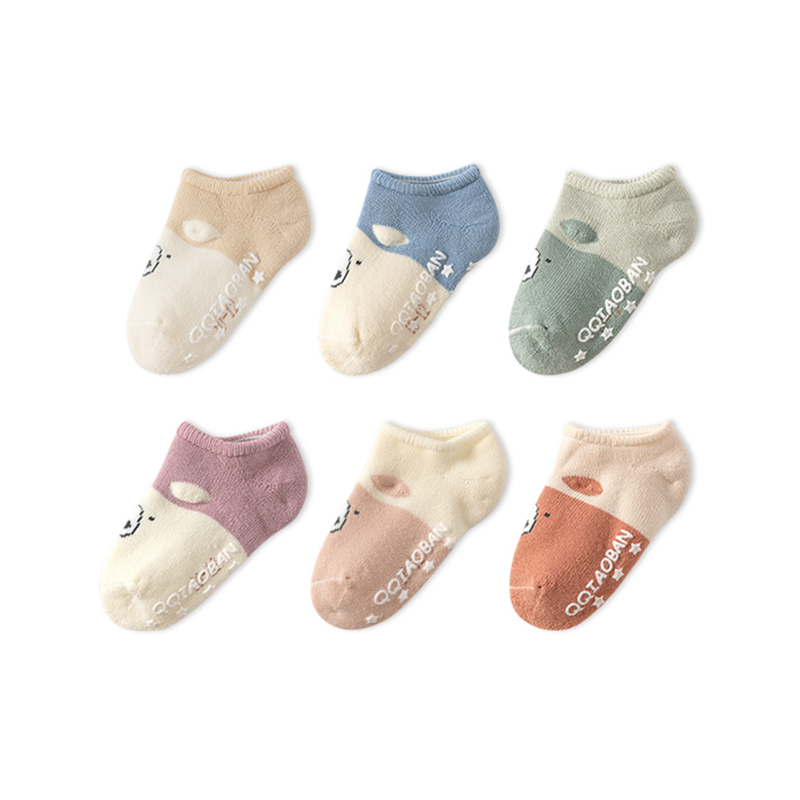
.jpg "Non-Slip Grade-Silicone Comfortable Cuff Baby Athletic Toddler Socks")
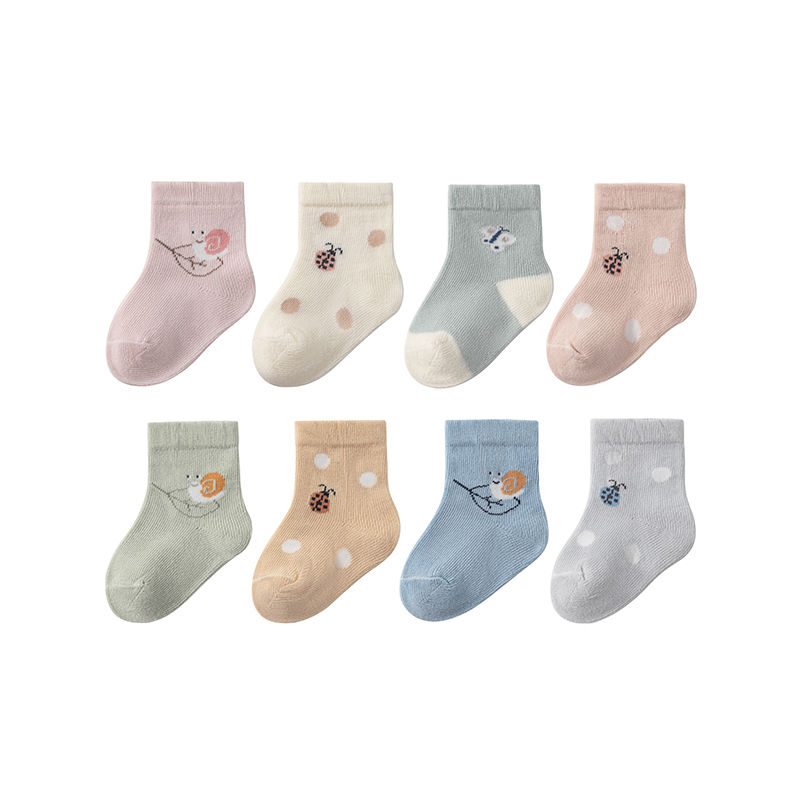
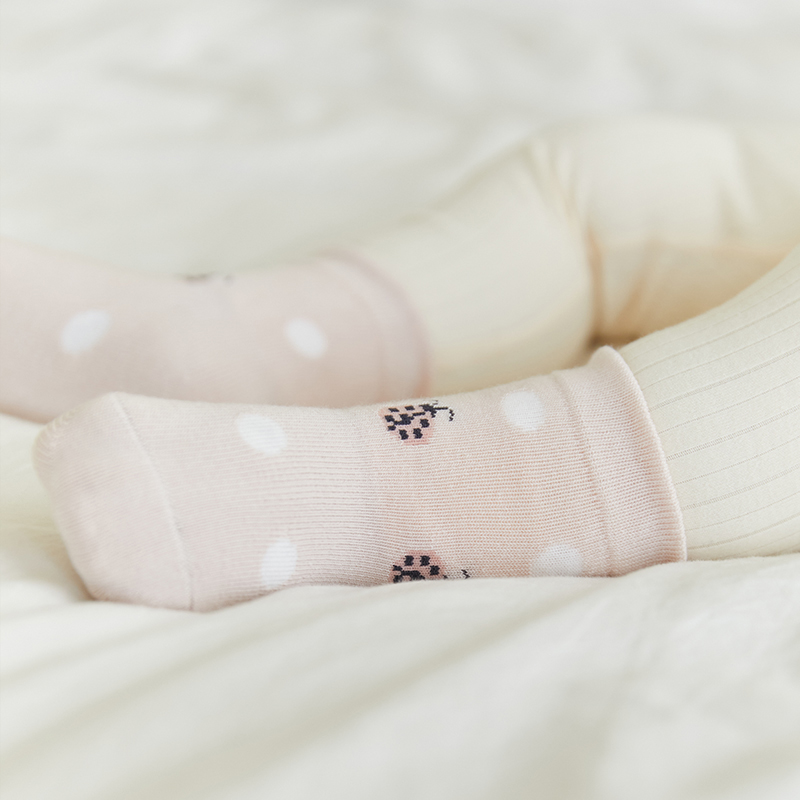
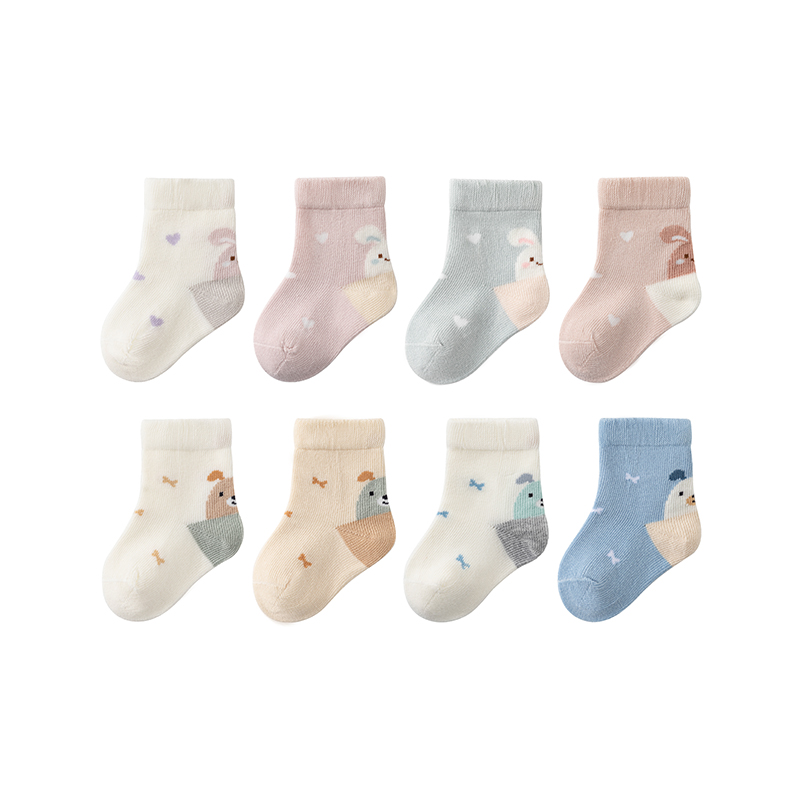
.jpg "Newborn Baby Ankle Socks With Cute Animal Patterns On The Heel")
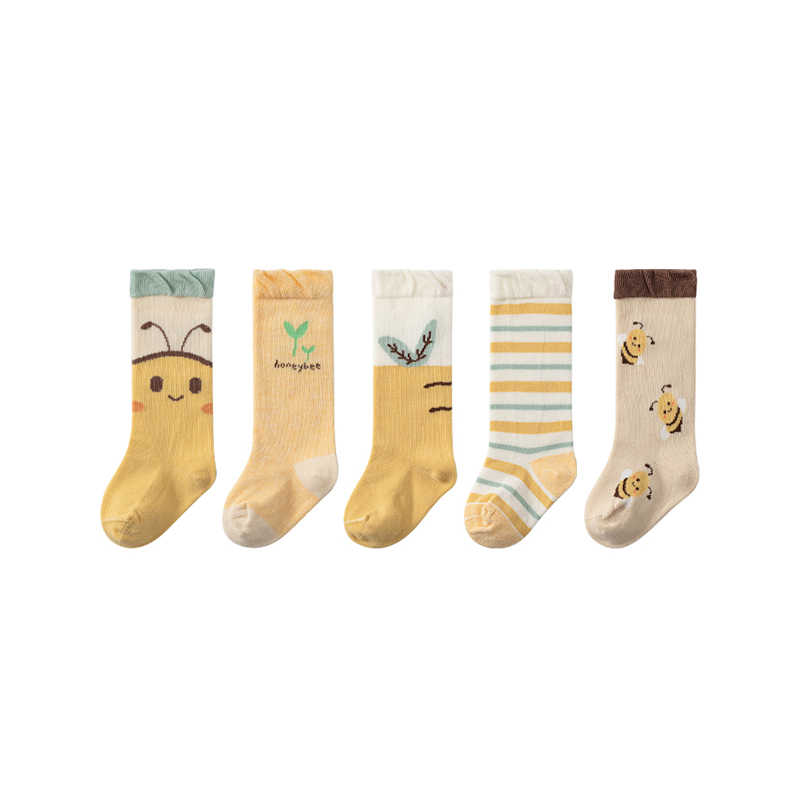
.jpg "Bee Pattern Thick Warm Baby Stockings")
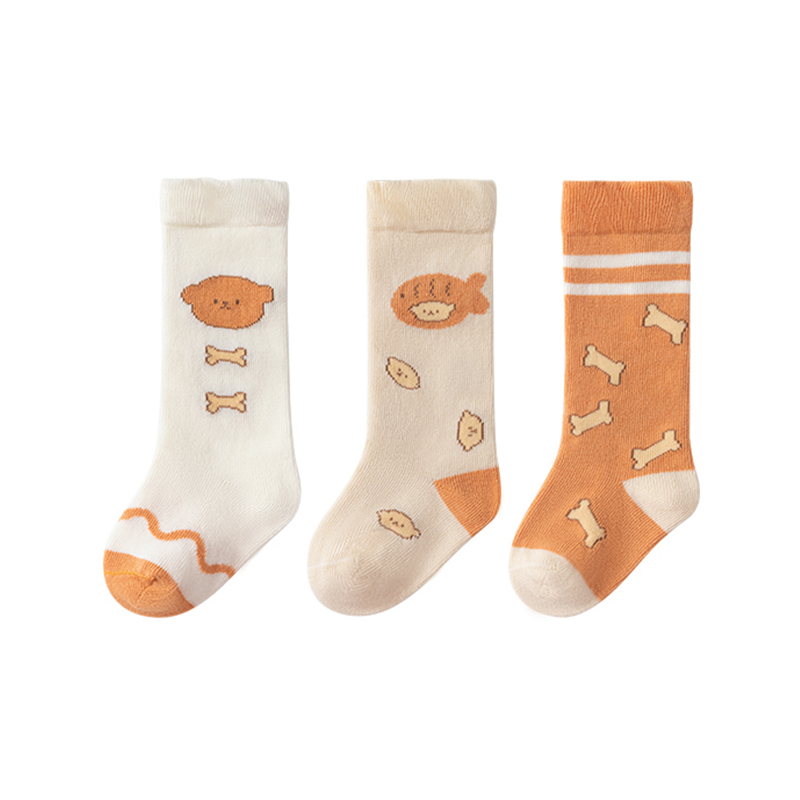
-1.jpg "Soft High-Elastic Cotton Seamless Baby Bear Pattern Socks")
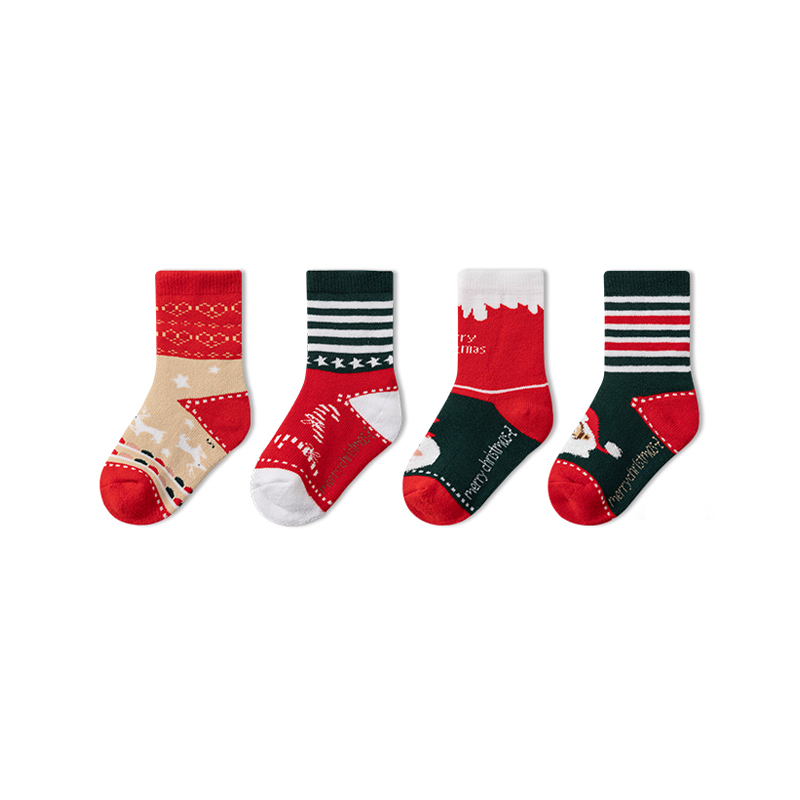
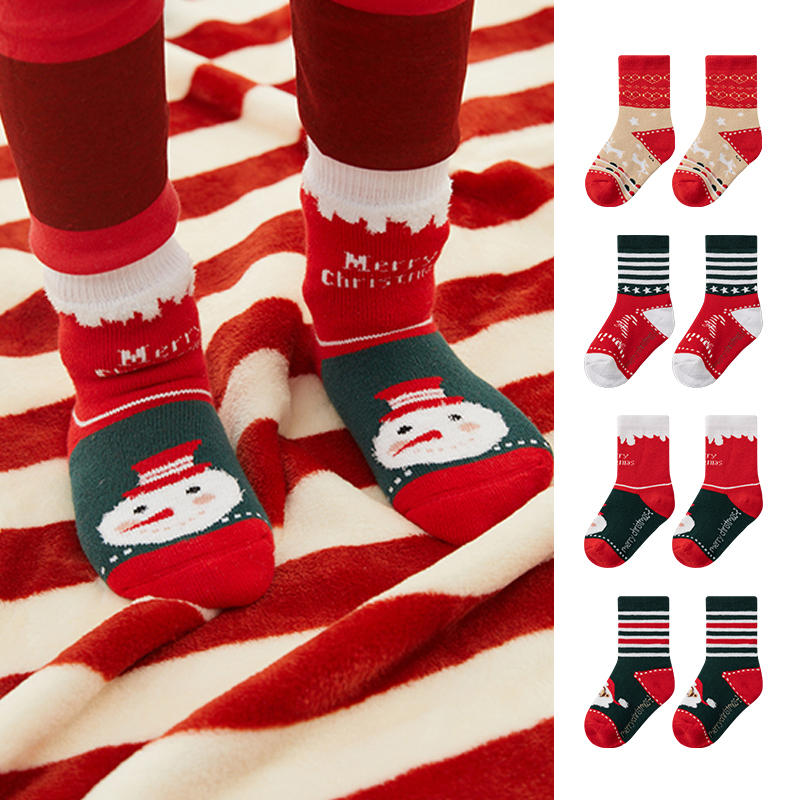
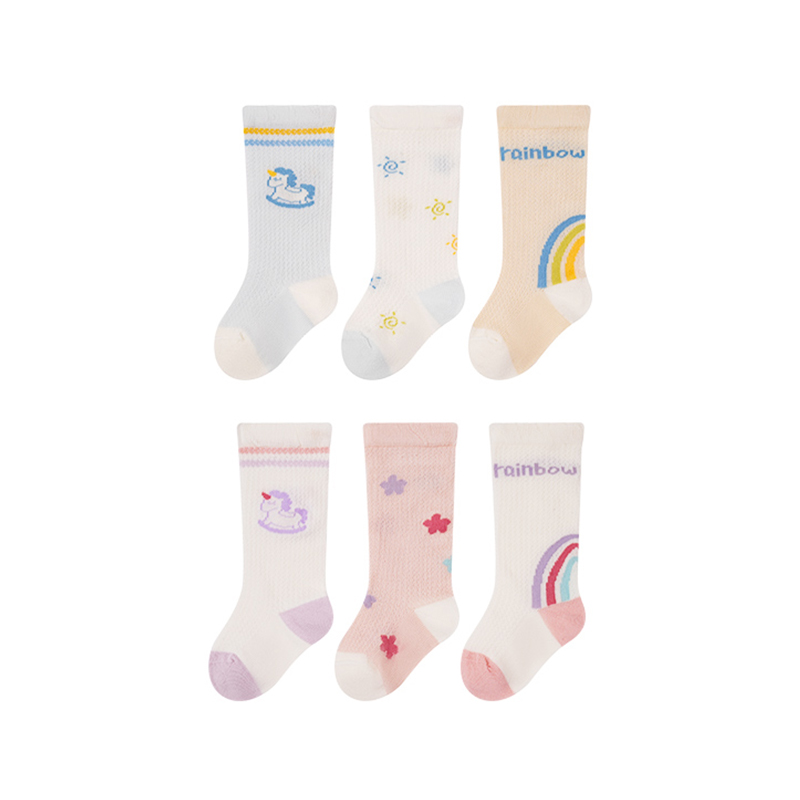
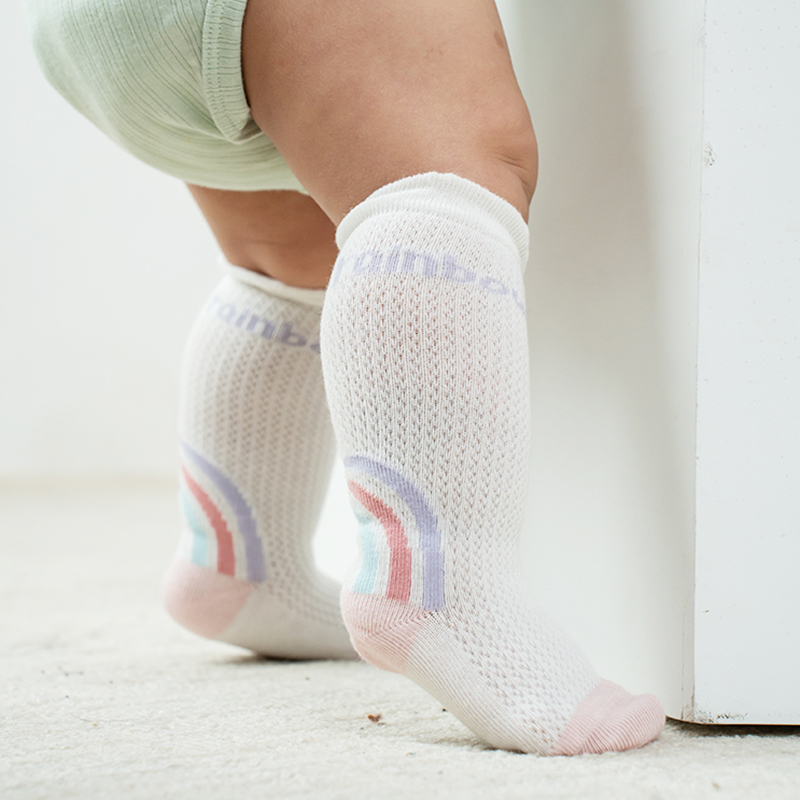


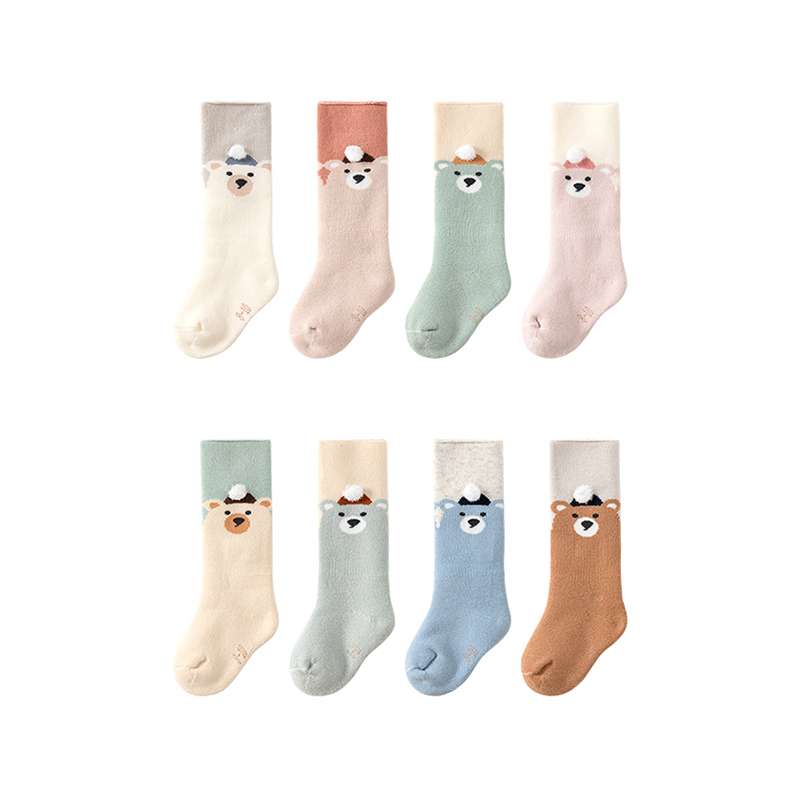
.jpg "Thermal Storage Terry Long-Staple Cotton Winter Baby Towel Socks")
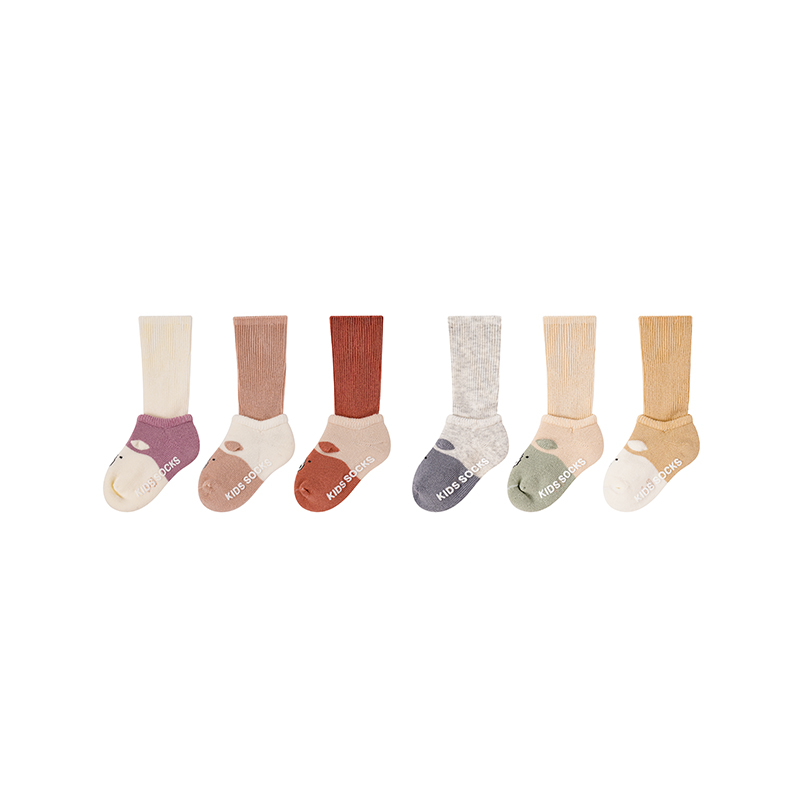
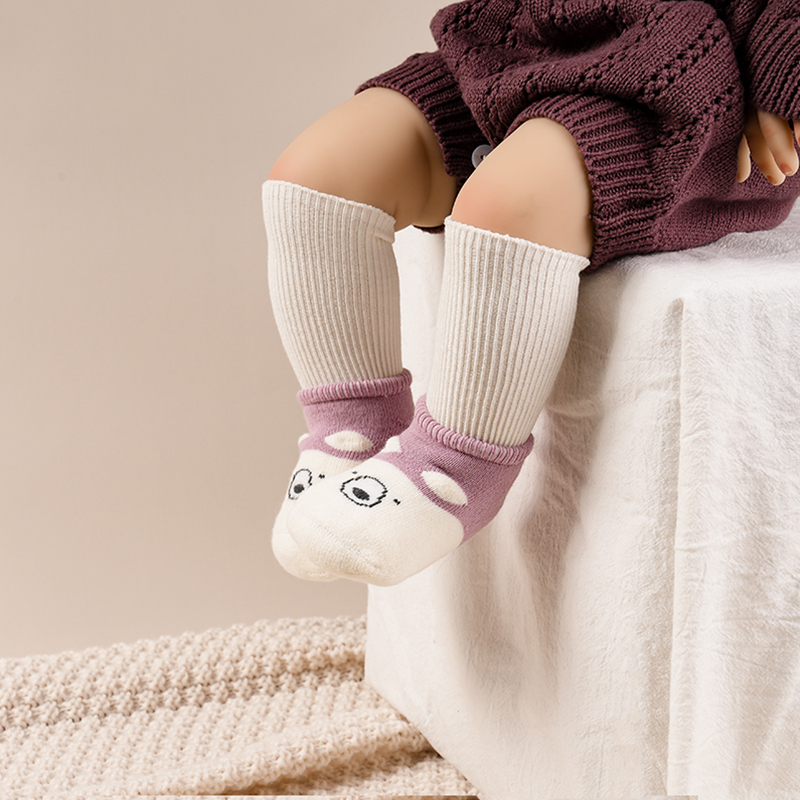
-1.jpg "Coral Fleece Comfortable Skin-Friendly Baby Warm Socks")
.jpg "Coral Fleece Comfortable Skin-Friendly Baby Warm Socks")
Feel Free To Contact Us
We will patiently and comprehensively answer your questions.
Baby Socks Manufacturer
Our Baby Socks are thoughtfully designed for newborns and infants, covering sizes from 0–3M, 3–6M, 6–12M, and up to 1 year. Tailored for both Spring & Summer and Autumn & Winter, each pair prioritizes health and safety with no fluorescent agents, antibacterial properties, and skin-friendly materials.
Soft and elastic, they gently hug tiny feet without leaving marks, ensuring comfort while supporting natural movement. The breathable fabrics help regulate temperature, keeping babies cozy in cooler months and fresh in warmer seasons. With adorable patterns and playful colors, these socks not only protect but also add a charming touch to baby outfits.
Our commitment is to combine cuteness, comfort, and safety, giving parents peace of mind and babies the best wearing experience.

About Saintde Socks
Founded in 1999, Saintde Socks is a Custom Baby Socks Factory and China Baby Socks Supplier. Saintde Socks began as a small workshop and has grown into a modern production base covering 53,000 sqm, dedicated to baby and toddler socks.
Over the past 25 years, we’ve provided customized solutions for over 5,000 clients worldwide, covering every stage from newborns to toddlers.
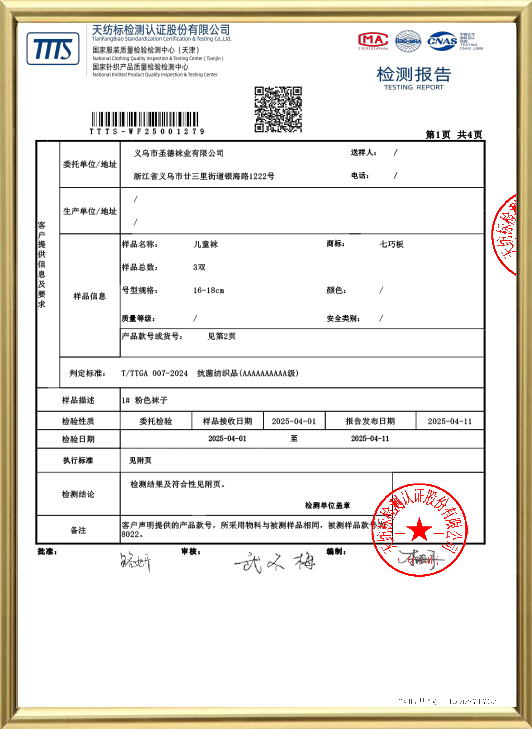
Honors and Certificates
News and Information
Mar 20, 2026 • Industry News
Mar 13, 2026 • Industry News
Mar 06, 2026 • Industry News
Message Feedback
When selecting baby socks, one of the important considerations is the fabric. Babies have sensitive skin, so it’s essential that the fabric is not only soft but also safe and breathable.
The primary goal is to choose fabrics that are gentle on a baby’s delicate skin. Natural fibers such as cotton, bamboo, and wool are often preferred for baby socks due to their softness and hypoallergenic properties. Cotton is widely used for its comfort and breathability, while bamboo is praised for its antibacterial qualities. Wool, especially merino wool, is soft, warm, and breathable, making it ideal for colder climates.
Babies' feet sweat more than adults, and their skin is more susceptible to irritation from moisture. Therefore, the fabric used in baby socks should be breathable to allow air circulation and prevent overheating. Materials like cotton and bamboo naturally wick away moisture, keeping the feet dry and reducing the risk of rashes or fungal infections.
Elasticity is key to making sure the socks stay on without being too tight. Soft, non-restrictive elastic bands ensure that baby socks fit snugly without causing discomfort or restricting circulation. Overly tight socks may red marks or restricted blood flow, which is why the fabric's elasticity should provide a gentle yet secure fit around the ankle.
Babies' feet are not only sensitive but also critical for their development. While their tiny toes may appear to be of little concern, ensuring they are well-protected is essential for their health and comfort. Here are three reasons why babies need infant socks:
Temperature Regulation and Comfort
Babies are still developing their ability to regulate body temperature. Keeping their feet warm and comfortable is essential to help maintain their overall body temperature. Infant socks provide warmth, particularly in cooler weather, without the need for thick clothing or layers that might restrict movement. Soft socks help to prevent the baby from feeling cold, which could affect their sleep and comfort.
Protection from Harsh Surfaces
Babies spend a significant amount of time on the floor, whether crawling or lying on a play mat. Infant socks protect their feet from potential irritants like dust, dirt, or rough surfaces, especially when babies are just starting to explore their environment. Some socks also provide non-slip soles that prevent babies from sliding on smooth floors, reducing the risk of falls and bumps.
Development of Foot Health
The soft, gentle fabric of infant socks offers protection without restricting natural foot movement. Babies' feet are developing rapidly during their year, and ensuring they can move their toes freely helps promote proper foot development. Excessively tight or poorly made socks could cause discomfort or even interfere with the natural growth of their feet.
When choosing newborn socks, there are a few factors to keep in mind to ensure they offer comfort and protection for your baby. Newborn socks should provide warmth, support, and flexibility while being safe and gentle on the skin. Below are some important characteristics to look for in good newborn socks:
Soft and Hypoallergenic Materials
Newborns have sensitive skin, so the fabric of their socks should be ultra-soft and hypoallergenic. Cotton is often a preferred choice, but make sure it’s organic or made without harsh chemicals or dyes. Bamboo is another great option because it’s naturally hypoallergenic, antibacterial, and soft against the skin. Wool socks, particularly those made from merino wool, are also great for keeping babies warm and comfortable.
Comfortable Fit and Non-Restrictive
Newborn socks should fit snugly without being tight. Socks that are too tight around the ankles or feet can cause discomfort and even restrict circulation. Look for socks with soft, stretchy bands that don’t dig into the skin. A gentle, elastic cuff is essential for keeping the socks in place without leaving marks on the baby’s skin. Too loose socks, however, can slip off, which can be just as problematic.
Safety Features, Like Anti-Slip Soles
Some newborn socks come with anti-slip soles to prevent your baby from slipping or sliding on smooth floors. This feature is particularly useful as your baby grows and begins to crawl or take their steps. Non-slip soles made from soft rubber or silicone provide just enough grip to prevent falls while still being gentle on the baby’s developing feet.
Sample Guide
See every detail in high definition.

No. 1222, Yinhai Road, Yiwu City, Zhejiang Province, China
Phone: +86-13735691188
Tel: +86-579-85531618
Fax: +86-579-81530188
Email: info@saintdesocks.com
Get In Touch
Feel Free To Contact Us
We will patiently and comprehensively answer your questions.

Newborn Socks For Sale